

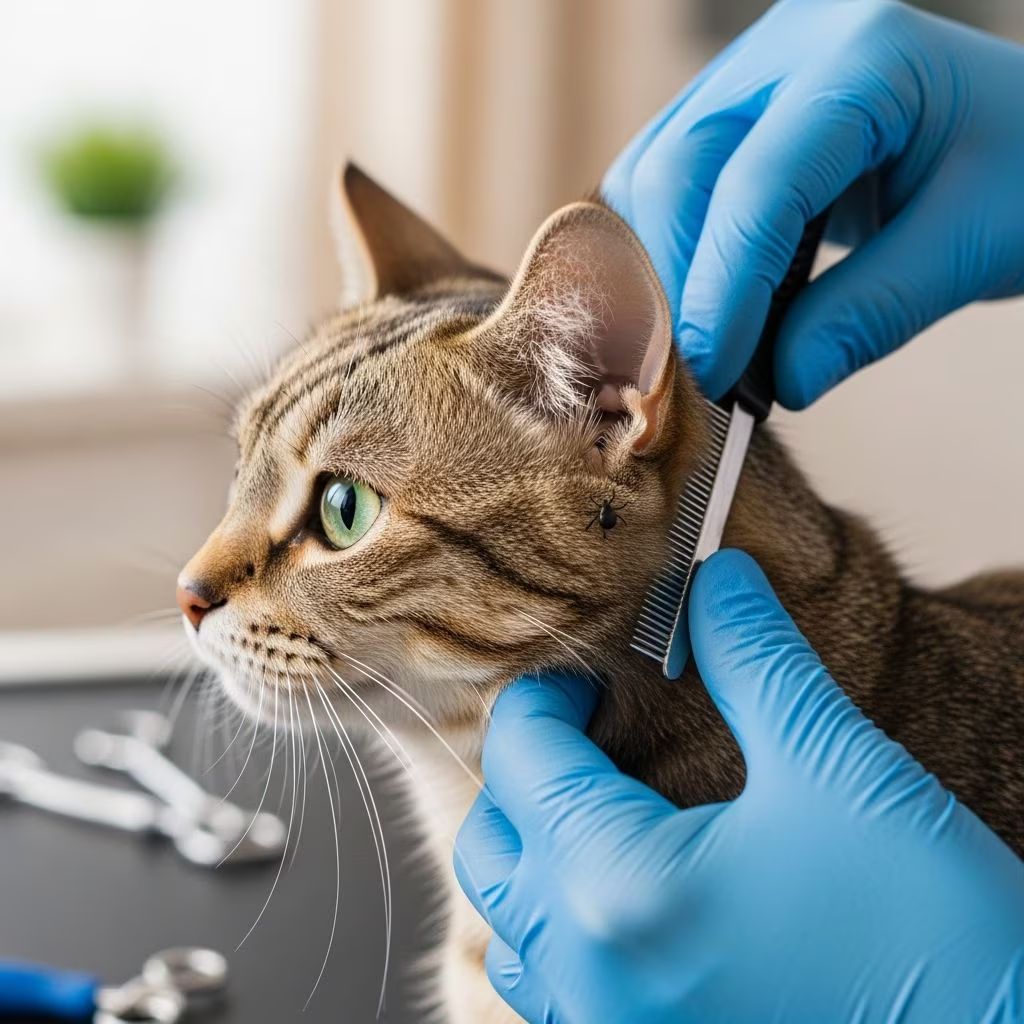
Ticks pose significant health risks to cats, capable of transmitting diseases like Lyme disease, ehrlichiosis, and cytauxzoonosis. Preventing tick bites is crucial for your feline friend’s well-being, especially during peak seasons in warmer months when ticks thrive in wooded, grassy, or brushy areas. Veterinary experts recommend a multi-faceted approach combining medications, grooming habits, environmental management, and lifestyle adjustments. This comprehensive guide outlines six proven methods to keep ticks at bay, drawing from reliable veterinary advice to ensure your cat stays protected year-round.
The 6 Ways to Prevent Tick Bites on Cats
Implementing a combination of these strategies provides the best defense against ticks. Always consult your veterinarian before starting any preventive regimen, as individual cat health, age, and lifestyle factors influence the ideal choices. Here’s a detailed breakdown of each method.
1. Oral Medications
Oral medications offer a convenient, systemic approach to tick prevention by being absorbed into the bloodstream, killing ticks upon biting. These prescription treatments, such as those containing isoxazolines like fluralaner (Bravecto) or afoxolaner, provide long-lasting protection, often up to 12 weeks with a single dose. They are particularly effective for cats that resist topical applications or roam outdoors frequently. Unlike topicals, oral meds distribute evenly throughout the body, targeting ticks anywhere they attach. However, they require veterinary approval to avoid interactions with other medications, and some cats may experience mild gastrointestinal upset initially. Administer as directed, typically monthly or quarterly, for consistent coverage during high-risk periods.
2. Shampoos, Treatments, Powders, and Sprays
Topical solutions like shampoos, powders, dips, and sprays deliver immediate kill-on-contact action against existing ticks while offering short-term repellency. Medicated shampoos with pyrethrin or permethrin derivatives (cat-safe formulations only) drown and poison ticks during bathing, ideal for peak season outbreaks but requiring repetition every 1-2 weeks due to shorter efficacy. Powders, rubbed gently into the fur, suffocate ticks and repel new ones; use sparingly to prevent inhalation. Sprays provide residual protection for outdoor adventurers, applied between baths while avoiding the face and eyes. Spot-on treatments, such as Revolution Plus or Bravecto Plus, are liquid pipettes applied to the skin at the base of the neck, spreading via natural oils to kill ticks for up to a month. Read labels meticulously—dog products can be toxic to cats—and monitor for skin irritation.
3. Tick Collars
Flea and tick collars release active ingredients like imidacloprid or flumethrin gradually through the skin and fur, repelling and killing ticks primarily around the head and neck. Brands like Seresto for cats offer 8-month protection with slow-release technology, making them low-maintenance for busy owners. Fit the collar snugly—two fingers should fit underneath—to ensure skin contact without choking risk, and trim excess to deter chewing. While effective for upper body coverage, they may not protect lower areas as well, so combine with other methods. Avoid amitraz-impregnated collars, which are toxic to felines, and watch for allergic reactions like excessive scratching. Collars are water-resistant, suitable for rain-prone areas, but remove before bathing with medicated shampoos.
4. Check Your Cat for Ticks Regularly
Daily tick checks are a simple, non-chemical preventive habit, especially for outdoor or multi-pet households. Run your fingers through your cat’s fur, focusing on high-risk spots: ears, armpits, groin, between toes, under the collar, and tail base where ticks hide. Part the fur to spot the dark, engorged bodies—nymphs are poppy-seed-sized, adults larger. Use fine-tipped tweezers or tick tools for safe removal: grasp close to the skin, pull steadily without twisting to avoid leaving mouthparts, then disinfect the site with antiseptic. Dispose of ticks by drowning in alcohol or flushing. Prompt removal reduces disease transmission risk, as pathogens spread only after 24-48 hours of attachment. Make checks part of grooming routines, rewarding your cat to build positive associations.
5. Keep Your Yard Tick-Free
Environmental control minimizes tick exposure at home. Ticks quest in tall grass, leaf litter, and shaded yards, hitching rides from wildlife like deer or rodents. Mow lawns short, clear brush and debris, and create gravel or woodchip barriers around play areas. Pet-safe sprays with cedar oil or nematodes (tick-eating microbes) target larvae without harming cats. Discourage wildlife by fencing yards and removing bird feeders. Professional yard treatments offer broader coverage but choose cat-safe options. These measures complement personal preventives, reducing overall tick populations by up to 90% in maintained landscapes.
6. Keep Your Cat Indoors
The most foolproof method is preventing outdoor access altogether. Indoor cats face drastically lower tick risks, though parasites can hitchhike indoors on shoes, clothing, or other pets. For roamers, limit excursions during dawn/dusk peaks, supervise leashed walks, and install secure screens. Transitioning outdoor cats indoors requires patience—enrich with toys, perches, and windows for stimulation. Combined with preventives, this slashes disease odds, as ticks thrive in wild habitats your home lacks.
Why Ticks Are a Concern for Cats
Ticks aren’t just itchy nuisances; they vector bacteria, protozoa, and viruses causing fever, anemia, lameness, and organ damage. Common culprits include Ixodes (Lyme carriers), Amblyomma (Rocky Mountain spotted fever), and Rhipicephalus (ehrlichiosis). Cats show subtler symptoms than dogs—lethargy, appetite loss, jaundice—but untreated cases can be fatal. Even indoor cats aren’t immune, as ticks survive weeks without hosts. Early prevention averts vet bills averaging $500+ for treatments like antibiotics or supportive care.
| Method | Duration | Pros | Cons |
|---|---|---|---|
| Oral Meds | 1-3 months | Systemic, long-lasting | Prescription needed |
| Topicals | 1-4 weeks | OTC options, fast-acting | Messy, frequent reapply |
| Collars | 8 months | Low-maintenance | Partial coverage |
| Checks | Daily | Free, immediate | Time-intensive |
| Yard Care | Ongoing | Environmental control | Labor-heavy |
| Indoors | Permanent | Foolproof | Lifestyle change |
How to Safely Remove a Tick from Your Cat
Despite prevention, ticks may appear. Distract with treats, wear gloves, and use pointed tweezers. Grasp the tick’s head flush with skin, pull straight out steadily—no squeezing or jerking. Clean the wound with soap/water or antiseptic, apply antibiotic ointment, and monitor for redness/swelling. Save the tick in alcohol for ID if illness develops. Avoid petroleum jelly, matches, or nails—these increase pathogen release. Seek vet help for embedded heads or multiple ticks.
Frequently Asked Questions (FAQs)
Do indoor cats need tick prevention?
Yes, though less exposed, indoor cats can get ticks from carried-in parasites on owners or other pets. Year-round preventives are recommended based on risk assessment.
What is the best tick prevention for cats?
Veterinary-approved topicals, orals, or collars like Revolution Plus or Seresto. Consult your vet for tailored options.
Can I use dog tick products on cats?
No—many are toxic, causing seizures or death. Always use cat-specific formulas.
How often should I check my cat for ticks?
Daily during tick season, especially after outdoors. Focus on warm, hidden areas.
Are tick collars safe for cats?
Cat-approved ones like Seresto are safe when fitted properly. Avoid amitraz types.
References
- 10 Ways to Stop Ticks from Biting Your Cat — PetMD, Jennifer Kvamme, DVM. 2023-05-15. https://www.petmd.com/cat/parasites/evr_ct_10_ways_to_stop_ticks_from_biting_your_cat
- Tick Prevention in Cats: What to Know — Pumpkin Pet Insurance. 2024-03-20. https://www.pumpkin.care/post/tick-prevention-cats
- Ticks and Your Cat — Cornell University College of Veterinary Medicine. 2022-08-10. https://www.vet.cornell.edu/departments-centers-and-institutes/cornell-feline-health-center/health-information/feline-health-topics/ticks-and-your-cat
- Parasites and Prevention: Ticks — Just Cats Clinic. 2023-11-05. https://justcatsclinic.com/parasites-and-prevention-ticks/
- How to Prevent Tick Bites on a Cat: 6 Vet-Approved Methods — Catster. 2024-06-12. https://www.catster.com/cat-health-care/how-to-prevent-tick-bites-on-cats/



