

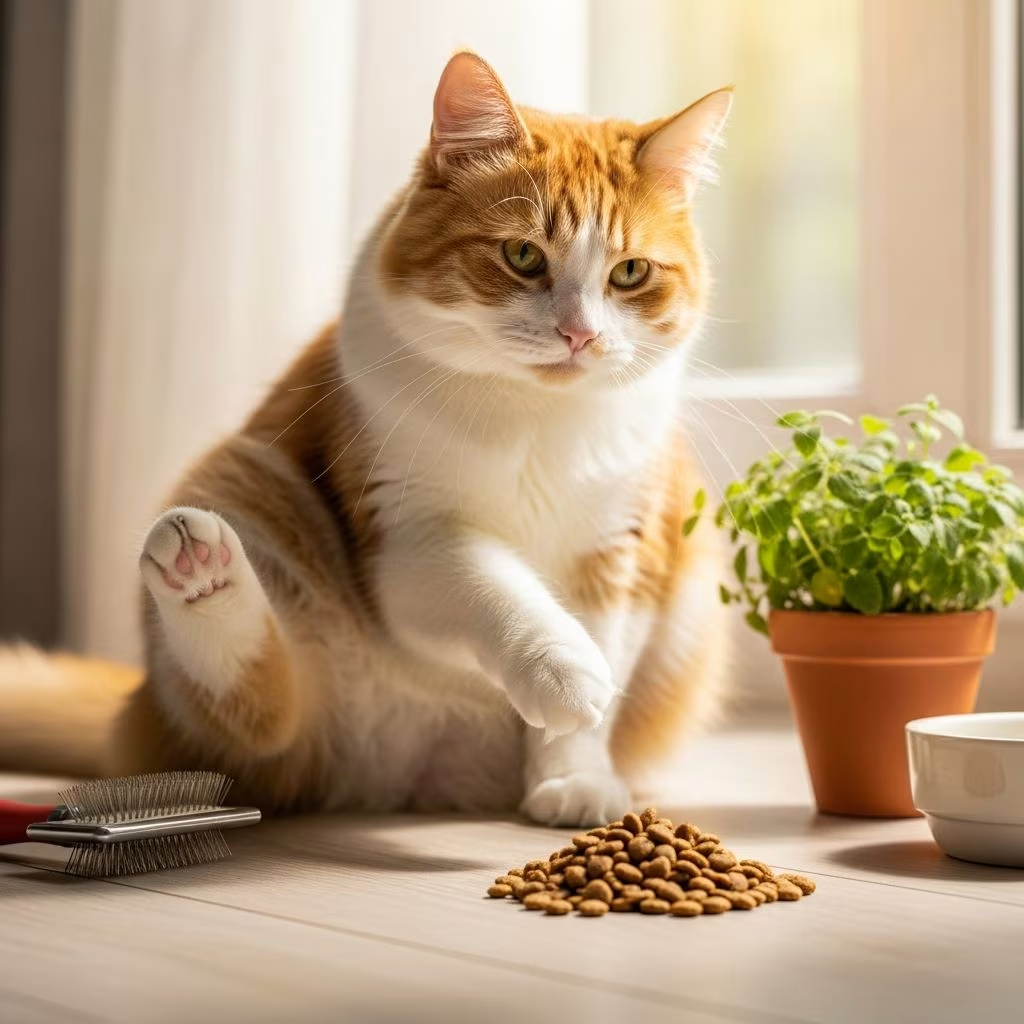
Hairballs are a common issue for cats, especially those that groom frequently. These masses of ingested fur can cause discomfort, vomiting, and potential health complications if not managed properly. Preventing hairballs involves a combination of grooming routines, dietary adjustments, hydration encouragement, and targeted remedies. By implementing these strategies consistently, cat owners can significantly reduce the occurrence of hairballs and improve their pet’s overall well-being.
What Are Hairballs?
Hairballs, or trichobezoars, form when cats swallow loose fur during self-grooming. The fur accumulates in the stomach or intestines, mixing with digestive juices and gradually forming a solid mass. Cats typically expel these through vomiting, but frequent or large hairballs can lead to blockages or other issues. Long-haired breeds and heavy shedders are particularly prone, but all cats can experience them, especially during shedding seasons in spring and fall.
Why Do Cats Get Hairballs?
Cats are fastidious groomers, spending up to 30% of their day licking their coats to stay clean. This natural behavior ingests significant amounts of fur, which the digestive system struggles to process fully. Factors exacerbating hairballs include excessive shedding from poor diet or skin conditions, dry food diets lacking moisture, obesity limiting gut motility, and underlying health problems like allergies or gastrointestinal disorders. Seasonal shedding and stress-induced overgrooming also contribute.
How Often Do Cats Get Hairballs?
The frequency varies by individual cat. Short-haired cats might experience one every few months, while long-haired or heavy groomers could have weekly episodes. Kittens and seniors may have fewer due to less grooming intensity, but adults in peak shedding periods see the most. If hairballs occur more than once a month or are accompanied by lethargy, weight loss, or constipation, veterinary attention is essential to rule out serious conditions.
Signs of Hairballs in Cats
Recognizing hairball symptoms early allows for prompt intervention. Common signs include:
- Retching or hacking sounds followed by expulsion of a tubular fur mass.
- Frequent vomiting of undigested food or clear liquid.
- Loss of appetite or reduced interest in food.
- Constipation or straining in the litter box.
- Lethargy, dehydration, or a distended abdomen in severe cases.
Monitor your cat closely; persistent symptoms warrant a vet visit to differentiate from illnesses like megacolon or foreign body ingestion.
10 Vet-Approved Tips to Prevent Hairballs
Veterinarians recommend proactive measures to minimize hairball formation. Here are ten evidence-based strategies:
- Regular Brushing: Brush daily for long-haired cats and 2-3 times weekly for short-haired ones to remove loose fur before ingestion. Use slicker brushes for tangles and deshedding tools like Furminators for undercoat removal.
- Hairball Control Gels: Apply flavored gels like Laxatone 2-3 times per week. These lubricants coat the digestive tract, easing fur passage.
- Dietary Fiber Boost: Switch to hairball-control formulas rich in insoluble fiber, which promotes gut motility and sweeps out hair.
- Increase Hydration: Provide fresh water via fountains to encourage drinking. Transition partially to wet food for added moisture.
- Fish Oil Supplements: Daily omega-3s from salmon or sardine oil reduce shedding by improving coat health and lubricate intestines.
- Pumpkin Addition: Add 1/4 to 1 teaspoon of plain canned pumpkin daily as a natural fiber source to aid digestion.
- Discourage Overgrooming: Address anxiety or allergies causing excessive licking with environmental enrichment or vet-prescribed treatments.
- Professional Grooming: Schedule trims every 6 months for long-haired cats to shorten fur length.
- Digestive Enzymes: Supplements break down ingested hair and improve nutrient absorption.
- Routine Vet Checkups: Annual exams detect underlying issues early.
1. Brush Your Cat Regularly
Brushing is the cornerstone of hairball prevention. It mechanically removes loose hair, reducing what your cat ingests by up to 50%. Start sessions when your cat is relaxed, using gentle tools to build positive associations. Reward with treats to make grooming enjoyable. For resistant cats, begin with short 1-minute sessions and gradually increase.
2. Use Hairball Remedy Gels and Pastes
Over-the-counter gels like Laxatone or petroleum-based pastes act as laxatives, lubricating the GI tract. Administer by smearing on paws for licking or mixing with food. Use 2-3 times weekly, following package dosing to avoid diarrhea.
3. Feed a Hairball Control Diet
Hairball formulas contain extra fiber (psyllium or beet pulp) and fatty acids to enhance digestion. Brands like those recommended by vets help move hair efficiently. Transition gradually over 7-10 days to prevent stomach upset.
4. Add Fiber Supplements
Natural fibers like pumpkin, apples, or carrots (finely grated) add bulk without overwhelming the diet. Limit to small amounts—excess can hinder nutrient absorption. Vet-approved supplements ensure balanced intake.
5. Encourage Hydration
Dehydration slows digestion, trapping hair. Cat fountains mimic running water, boosting intake by 20-30%. Wet food provides 70-80% moisture versus dry food’s 10%. Multiple bowls around the home also help.
6. Give Omega Fatty Acid Supplements
Fish oils nourish skin, reducing dry, flaky fur and shedding. They also lubricate intestines. Dose per product instructions, preferring vet-recommended liquid forms.
7. Discourage Excessive Grooming
Overgrooming signals stress, pain, or allergies. Use puzzle feeders for mental stimulation and pheromone diffusers for calm. Consult vets for behavioral or medical evaluations.
8. Provide a Clean Litter Box
Cats avoid dirty boxes, leading to constipation that worsens hairballs. Scoop daily and deep-clean weekly with mild soap to maintain hygiene and encourage regular elimination.
9. Consider Professional Grooming
For mats or heavy coats, pros can shave sanitary areas or give lion cuts, drastically cutting ingested fur. Ideal for Persians or Maine Coons.
10. Monitor for Underlying Health Issues
Hairballs can mask IBD, hyperthyroidism, or parasites. Annual bloodwork and fecal exams catch problems early.
Hairball Prevention for Kittens
Kittens groom less but shed baby fur around 6-12 months. Introduce brushing early as play, use kitten-safe gels sparingly, and stick to high-quality kitten food with balanced fiber. Hydration via nursing or wet food suffices initially.
Hairball Prevention for Senior Cats
Seniors have slower digestion and arthritis limiting grooming. Use soft brushes, senior hairball diets low in phosphorus, and laxatives as needed. Monitor for kidney issues mimicking hairball symptoms.
Can Hairballs Be Dangerous for Cats?
Occasional hairballs are benign, but frequent or impacted ones risk intestinal blockages, dehydration, or malnutrition. Rare fatalities occur from perforations. Seek emergency care for prolonged retching without expulsion or bloody vomit.
When to See Your Veterinarian
Consult a vet if hairballs exceed biweekly frequency, persist despite prevention, or accompany diarrhea, weight loss, or bloody stool. Diagnostics like X-rays or ultrasounds may be needed.
Conclusion
Preventing hairballs requires consistency in grooming, diet, and monitoring. Tailor strategies to your cat’s breed, age, and lifestyle for optimal results, ensuring a comfortable, vomit-free life.
Frequently Asked Questions
What causes hairballs in cats?
Hairballs result from swallowed fur during grooming accumulating in the stomach.
How can I prevent hairballs naturally?
Brush regularly, add pumpkin or fish oil, and ensure hydration with wet food or fountains.
Is Laxatone safe for daily use?
No, use 2-3 times weekly to avoid digestive upset.
Do all cats get hairballs?
Most do, but hairless breeds and light groomers experience fewer.
Can diet alone prevent hairballs?
Hairball-control food helps but combine with brushing for best results.
References
- Cat Hairballs 101: How to Help — PetMD. 2023-05-15. https://www.petmd.com/cat/general-health/cat-hairballs-101-how-help
- 3 Ways to Naturally Reduce Hairballs — PetPros. 2024-02-10. https://petpros.net/3-ways-naturally-reduce-hairballs/
- 7 Cat Hairball Remedies & Cat Food: Which Ones Work? — Sploot Veterinary Care. 2024-08-20. https://www.splootvets.com/post/cat-hairball-remedies
- Minimizing Hairballs in Cats — ASPCA Pet Health Insurance. 2023-11-12. https://www.aspcapetinsurance.com/resources/minimizing-hairballs-in-cats/
- Hairballs in Cats: Causes, Symptoms, & Remedies — WebMD. 2024-01-08. https://www.webmd.com/pets/cats/what-to-do-about-hairballs-in-cats



