

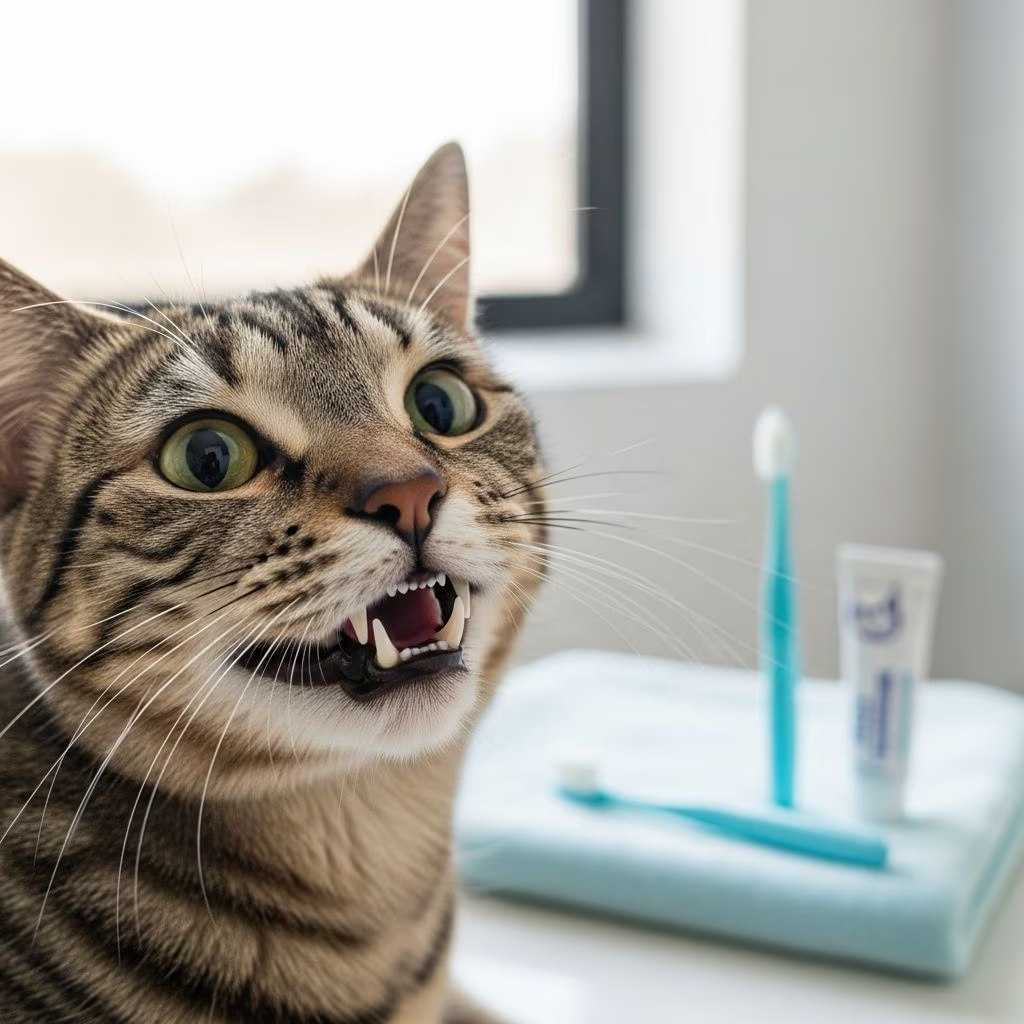
Dental disease is one of the most prevalent health issues in cats, affecting up to 70% of felines by age three, primarily through plaque buildup leading to gingivitis and periodontal disease. Preventing it involves consistent home care like tooth brushing, specialized diets, and regular veterinary interventions to ensure your cat maintains healthy teeth and gums throughout its life.
Why Dental Health Matters for Cats
Cats’ dental problems often go unnoticed because they hide pain well, but untreated issues can lead to severe consequences like tooth loss, bone infection, and systemic health risks including heart and kidney disease. Periodontal disease, the inflammation of tissues surrounding teeth, stems from plaque—a sticky bacterial film that hardens into tartar if not removed. Early prevention is crucial as cats lack the ability to communicate discomfort clearly, making proactive care essential for their quality of life.
Maintaining oral health reduces pain during eating, prevents bad breath (halitosis), and supports overall vitality. Studies show that owner awareness of signs like drooling, pawing at the mouth, or altered eating behavior is key to intervention, with veterinary checkups revealing hidden issues via X-rays.
Understanding Common Dental Diseases in Cats
The most frequent feline dental conditions include:
- Gingivitis: Inflammation of the gums caused by plaque, often reversible with early cleaning.
- Periodontal Disease: Advanced gum infection leading to tooth loosening and bone loss, affecting all age groups but worsening with age.
- Tooth Resorption: Destructive lesions eating away tooth structure, detectable only via professional X-rays.
- Stomatitis: Severe inflammation of the mouth lining, sometimes requiring tooth extractions.
These issues arise from poor oral hygiene, with plaque accumulation as the root cause. Regular monitoring helps catch problems before they escalate.
Daily Tooth Brushing: The Gold Standard
Brushing your cat’s teeth daily with pet-safe toothpaste and a soft brush is the most effective home prevention method, removing plaque before it turns to tartar. Start young to build tolerance—use enzymatic toothpaste flavored for cats (never human varieties, which are toxic).
Step-by-Step Brushing Guide:
- Prepare Tools: Get a cat-specific toothbrush (finger brush or dual-ended) and poultry/malmon-flavored enzymatic paste.
- Introduce Gradually: Let your cat lick paste off your finger for a week to associate it positively.
- Position Safely: Hold cat securely, lift lips gently to expose teeth.
- Brush Technique: Focus on outer surfaces in circular motions, 30 seconds per side; skip inner if resistant.
- Reward: End with treats or play to reinforce.
Aim for daily sessions, but 3-7 times weekly suffices if consistent. Studies confirm this reduces plaque significantly, with 80% of proactive owners using it post-diagnosis.
Dental Diets and Treats for Added Protection
Specially formulated dental diets feature textures that scrape plaque mechanically while inhibiting bacterial growth. These kibbles’ fibrous structure promotes chewing that cleans teeth, unlike soft foods that exacerbate buildup.
| Product Type | Benefits | Vet Recommendation |
|---|---|---|
| Dental Kibble | Mechanical cleaning, tartar control | Daily feeding for maintenance |
| Dental Treats | Plaque reduction, gum massage | 23% owner usage; vet-approved |
| Water Additives | Kills bacteria, freshens breath | Supplemental to brushing |
| Gels/Sealants | Barrier against plaque | Post-cleaning application |
Consult your vet for brands; avoid sugary treats. Combining with brushing yields best results.
Professional Veterinary Dental Care
Annual exams with full-mouth X-rays under anesthesia detect subsurface issues invisible to the eye. Professional cleanings scale tartar below the gumline, polish teeth, and apply sealants. Frequency varies: every 6-12 months for at-risk cats.
Vets recommend starting checkups yearly from kittenhood. For advanced cases like periodontitis, follow-up cleanings prevent recurrence.
Recognizing Early Signs of Dental Problems
Watch for:
- Bad breath or drooling
- Difficulty eating or dropping food
- Red/swollen gums or bleeding
- Pawing at mouth or facial swelling
- Loose teeth or excessive tartar
Two-thirds of owners recognize these via internet or vet advice, but early vet visits are vital as cats mask pain.
Nutrition’s Role in Feline Oral Health
A balanced diet supports immunity against bacteria. Avoid sticky foods; opt for those altering plaque metabolism. Fresh water aids rinsing. No evidence dry food alone prevents disease—texture matters.
FAQs
How often should I brush my cat’s teeth?
Daily is ideal, but 3-7 times weekly effectively controls plaque.
Can dental treats replace brushing?
No, they supplement; brushing remains primary.
Is anesthesia safe for cat dental cleanings?
Yes, when performed by qualified vets; it’s necessary for thorough care.
What if my cat resists brushing?
Use positive reinforcement, start slow, or try alternatives like gels/toys.
At what age do dental issues start?
Plaque builds early; prevention from kittenhood is best.
Long-Term Strategies for Lifelong Oral Health
Integrate brushing, diets, treats, and vet visits into routines. Owner education via vets boosts compliance—47% apply measures, but frequency needs improvement. Track progress with photos; adjust based on exams. This holistic approach minimizes pain, extractions, and vet bills while enhancing your cat’s well-being.
References
- Cat Teeth Problems – Symptoms, Treatment & Preventive Measures — PetVax Animal Hospital. 2023-08-15. https://www.petvaxah.com/site/blog/2023/08/15/cat-teeth-problems
- Feline Dental Problems: Prevention and Care — Morgan Pet Clinic. N/A. https://www.morganpetclinic.com/blog/1273400-feline-dental-problems-prevention-and-care
- Dental Problems and Prophylactic Care in Cats—Knowledge … – NIH — PMC (National Institutes of Health). 2021-09-28. https://pmc.ncbi.nlm.nih.gov/articles/PMC8469879/
- Dental Issues in Cats — PetMD. N/A. https://www.petmd.com/cat/conditions/mouth/dental-issues-cats
- Cats, Nutrition, and Periodontal Disease — VCA Animal Hospitals. N/A. https://vcahospitals.com/know-your-pet/cats-nutrition-and-periodontal-disease
- Pet dental care — American Veterinary Medical Association (AVMA). N/A. https://www.avma.org/resources-tools/pet-owners/petcare/pet-dental-care



