

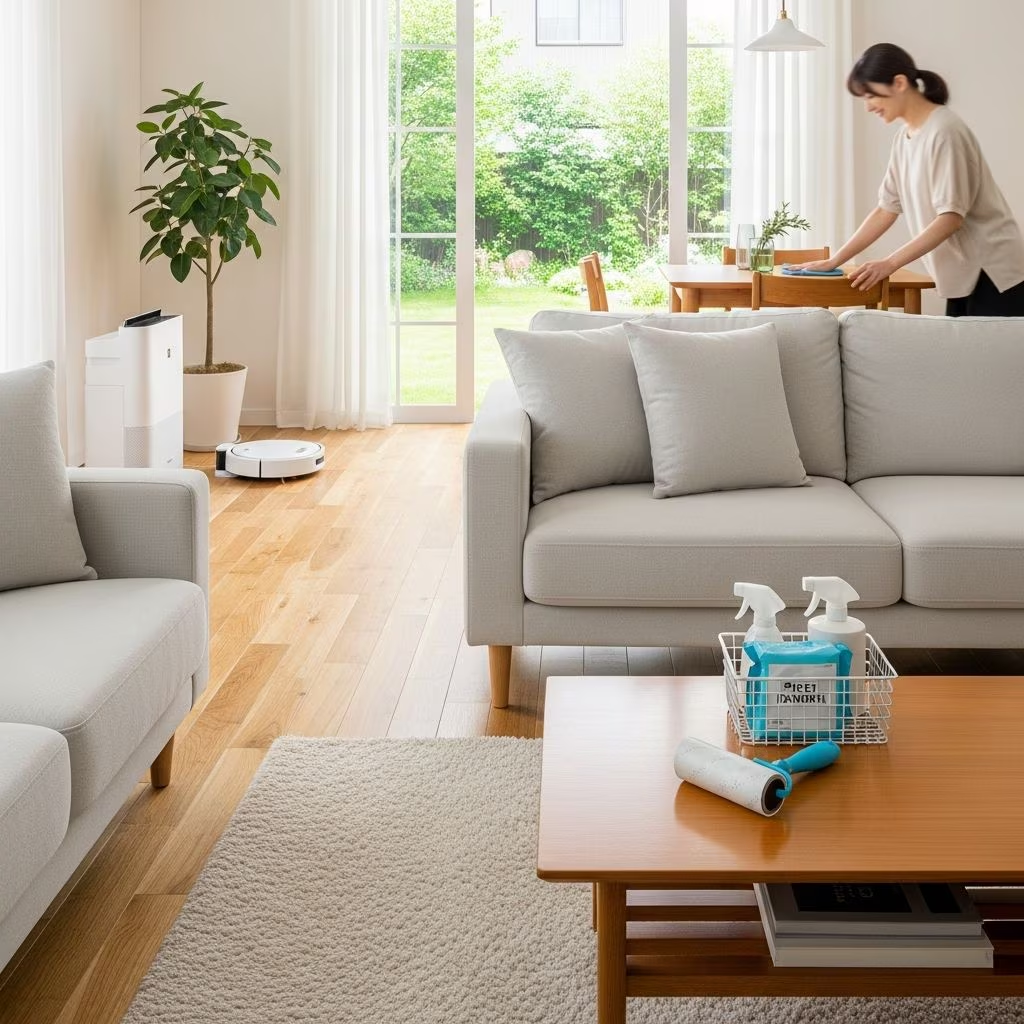
Hosting guests who are allergic to cats can be challenging when your furry friends are beloved family members. Cat allergens, primarily the protein Fel d 1 found in saliva, skin, and urine, spread easily through dander, fur, and airborne particles, lingering on surfaces for months. Fortunately, with targeted preparation, you can significantly reduce allergen levels, allowing your guests to enjoy their stay without constant sneezing or discomfort. This guide outlines practical, evidence-based steps drawn from veterinary and allergy expert recommendations to transform your home into an allergy-friendlier space.
Understanding Cat Allergens
Cat allergies affect up to 20-30% of people with allergies, triggered by Fel d 1 protein that sticks to fur, skin flakes, and saliva, becoming airborne or settling on surfaces. Unlike dog allergens, cat dander is smaller and lighter, persisting longer in homes—even after cats are removed. Carpets can harbor 13 times more cat allergens than smooth floors, making them prime reservoirs. Key allergen sources include bedding, upholstery, air vents, and the cat’s coat itself. Reducing exposure involves attacking these hotspots systematically.
Deep Clean Your Home Thoroughly
A thorough deep clean is the foundation of allergen reduction. Start 2-3 days before guests arrive to allow dust to settle. Focus on high-traffic areas and surfaces where dander accumulates.
- Vacuum diligently: Vacuum floors, furniture, and upholstery 3 times weekly using a HEPA-filter vacuum to trap 99.97% of particles as small as 0.3 microns. Attachments are essential for crevices and fabrics; empty the canister outside to avoid re-releasing allergens.
- Dust with damp cloths: Avoid dry dusting, which aerosolizes particles; use damp, statically charged cloths or mops to trap dander. Lint rollers work well on flat surfaces.
- Wipe hard surfaces: Clean countertops, tables, and floors with disinfecting wipes or sprays on non-porous surfaces to remove allergens.
- Wash fabrics: Launder curtains, throw pillows, and removable pet bed covers in hot water weekly.
Regular cleaning can reduce airborne allergens temporarily by up to 90%.
Declutter and Minimize Soft Surfaces
Soft furnishings trap allergens like magnets. Reducing them creates a less hospitable environment for dander.
- Roll up rugs and carpets: Carpets hold 13x more allergens than hard floors; remove area rugs and vacuum under them.
- Opt for hard floors: If possible, replace wall-to-wall carpet with hardwood, tile, or linoleum, which are 13 times easier to keep allergen-free.
- Choose leather or vinyl furniture: These wipe clean easily, unlike upholstered pieces that harbor dander.
- Declutter: Fewer items mean fewer dust collectors; store knick-knacks temporarily.
| Surface Type | Allergen Retention | Best Cleaning Method |
|---|---|---|
| Carpet | High (13x smooth floors) | HEPA vacuum weekly + steam clean |
| Hardwood/Tile | Low | Damp mop + wipe |
| Upholstery | Medium-High | HEPA vacuum + fabric spray |
| Leather | Low | Wipe with damp cloth |
This table summarizes why hard surfaces outperform soft ones in allergy control.
Optimize Bedroom for Allergy Sufferers
The bedroom is critical—keep cats out entirely, as airborne allergens are highest where cats roam. Prepare it as an allergen-free sanctuary.
- Enforce no-cat zone: Close doors and cover vents with cheesecloth to block dander.
- Wash bedding hot: Use hot water (>130°F) on sheets, pillows, and mattress covers; add allergen-proof encasements.
- Minimize fabrics: Replace heavy curtains with blinds; use cotton or synthetic washable bedding.
- Run air purifier: Place a HEPA unit in the room 48 hours prior, running continuously.
These steps can reduce bedroom allergens 5-7 fold.
Groom and Bathe Your Cat Regularly
Most Fel d 1 clings to the cat’s fur, so grooming removes it at the source.
- Brush outside: Daily brushing outdoors captures loose fur and dander; use grooming wipes on coat.
- Bathe weekly: Allergen-reducing shampoos or wipes cut dander by 84% after one bath, per studies. Have non-allergic help to avoid stirring allergens.
- Wash pet items: Clean beds, toys, and carriers weekly; vacuum cat trees.
- Dander sprays: Apply coat sprays to minimize shedding.
Grooming followed by floor mopping prevents re-spread.
Improve Air Quality and Ventilation
Airborne allergens are insidious; control them proactively.
- HEPA air purifiers: Essential in main rooms and bedrooms; run non-stop pre-visit.
- HVAC maintenance: Replace filters monthly; clean ducts and registers to stop circulation.
- Control humidity: Run AC to keep below 50%; high humidity boosts allergens.
- Ventilate: Open windows for fresh air, but avoid on high-pollen days.
- Allergen neutralizers: Spray air and fabrics with products that denature proteins.
Combined, these cut airborne Fel d 1 by up to 75%.
Additional Hosting Tips
Go beyond cleaning for comfort.
- Stock allergy meds: Offer antihistamines, nasal sprays; suggest guest brings their own.
- Designate safe zones: Ensure bathroom and guest areas stay cat-free.
- Communicate: Ask about severity; board cat if severe.
- Post-visit reset: Repeat cleaning to maintain low levels.
Frequently Asked Questions (FAQs)
Can I completely eliminate cat allergens from my home?
No, but you can reduce them by 80-90% with consistent effort. Complete removal requires rehoming the cat.
How long do cat allergens linger?
Months to years on surfaces; diligent cleaning keeps levels manageable.
Is a HEPA vacuum enough without an air purifier?
No—vacuums handle surfaces, but purifiers capture airborne particles.
Should I bathe my cat before guests arrive?
Yes, 24-48 hours prior for maximum dander reduction.
What if my guest still reacts?
Move purifier to their room, offer meds, and limit common areas.
Conclusion
Preparing your house for cat-allergic guests demands effort but pays off in enjoyable visits. Consistent cleaning, pet grooming, air purification, and zoning create a hospitable space without sacrificing your feline companions. Start early, stay vigilant, and your home can accommodate everyone comfortably.
References
- Cat Allergens & How to Help Manage Them at Home — Clorox. 2023. https://www.clorox.com/learn/cat-allergens-and-how-to-help-manage-them-at-home/
- Allergic to your cat? Easy tips to prevent and control your allergy — The Ohio State University College of Veterinary Medicine. 2022. https://vet.osu.edu/sites/default/files/documents/allergic%20to%20your%20cat.pdf
- Hosting Guests Who Have Pet Allergies: A Housecleaning Checklist — American Kennel Club (AKC). 2024-05-15. https://www.akc.org/expert-advice/advice/housecleaning-hosting-guests-allergies/
- Living with Pet Allergies: How to Create an Allergy-Friendly Home — Becker ENT & Allergy. 2023-08-10. https://www.beckerentandallergy.com/blog/living-with-pet-allergies
- Pet Allergy Tips for a Comfortable Holiday Home — Austin Allergist. 2023. https://www.austinallergist.com/pet-allergy-tips-comfortable-holiday-home/
- How Can I Control Indoor Allergens and Improve Indoor Air Quality? — Asthma and Allergy Foundation of America (AAFA). 2024. https://aafa.org/allergies/prevent-allergies/control-indoor-allergens/
- Tips to Reduce Accumulation of Pet Dander in the House — Allergy Fort Worth. 2022. https://www.allergyfortworth.com/tips-to-reduce-accumulation-of-pet-dander-in-the-houseaee6ef69



