

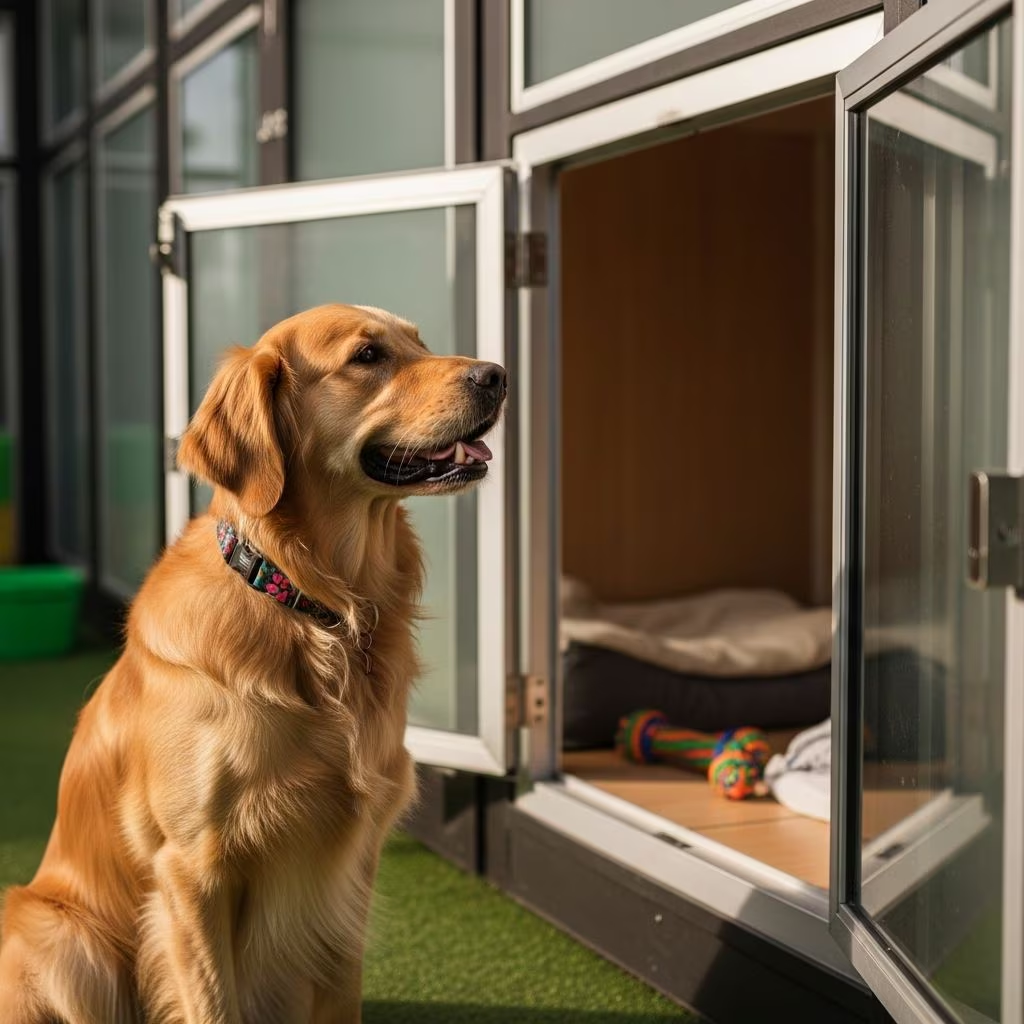
Leaving your dog at a kennel or daycare while you head off on holiday can feel daunting, but thorough preparation turns it into a positive adventure for your pup. The right approach ensures both you and your dog enjoy peace of mind, allowing you to relax knowing your furry friend is safe, happy, and well-cared for. This guide covers every step from choosing the perfect facility to packing essentials and training tips, drawing on expert advice from professional dog trainers and daycare operators.
Daycare kennels provide structured environments where dogs can socialise, exercise, and receive supervision during your absence. Whether for a short workday or an extended holiday, preparation minimises stress and maximises enjoyment. Start early—ideally weeks in advance—to build confidence gradually. Key benefits include improved social skills, reduced separation anxiety over time, and professional monitoring of your dog’s health and behaviour.
Essential questions to ask
Before committing, visit the facility without your dog to evaluate it thoroughly. Observe cleanliness, space, staff interactions, and overall atmosphere. Ask targeted questions to verify standards and compatibility with your dog’s needs. This due diligence prevents mismatches and ensures high-quality care.
- Insurance and licensing: Confirm they hold valid public liability insurance and necessary licenses from local authorities. Reputable facilities display these openly.
- Emergency protocols: Inquire about on-site vets, 24/7 emergency contacts, and evacuation plans for fires or natural disasters.
- Staff qualifications: Check for certifications in dog handling, first aid, or behaviour training. Ideal staff-to-dog ratios are 1:10 for daycares and lower for boarding.
- Trial periods: Request a mandatory trial day or week to assess fit. Many top facilities require this.
- Drop-off and collection policies: Understand hours (e.g., 7 AM-7 PM), late fees, and secure handover procedures.
- Vaccination and health requirements: Expect rabies, distemper, parvovirus, and Bordetella (kennel cough). Flea/tick prevention is standard.
- Handling different dogs: Ask how they manage puppies, seniors, small/large breeds, or reactive dogs. Separation by play style or energy level is best practice.
Take notes and trust your instincts—if answers don’t align with observations, keep searching. High-quality facilities welcome scrutiny and provide transparent policies.
Introduce your dog to the facility
Once selected, positive introductions build familiarity and reduce anxiety. Organise short visits using reward-based training to associate the space with fun. Expert trainer Zoe emphasises gradual exposure: start with 15-30 minute sessions, praising calm behaviour with treats.
Schedule a trial session or day. Monitor your dog’s body language during drop-off and pick-up: relaxed ears, wagging tail, and eager play indicate success. Post-visit, watch for hyperactivity, whining, or digestive upset—these signal stress. Allow recovery time at home and note improvements over multiple visits.
Daycare operator Ria insists trials are non-negotiable: “We won’t take a dog without a trial, followed by a week’s probation.” Request daily updates via photos, videos, or CCTV access. Persistent issues? Switch facilities early to avoid long-term aversion.
Pro tip: Visit during peak hours to see group dynamics. Combine with playdates at dog parks for broader social prep.
How to train your dog for daycare
Training transforms daycare from overwhelming to enriching. Focus on alone time, social skills, obedience, and comfort with routines. Consistent practice at home yields confident pups ready for group settings. Dedicate 2-4 weeks pre-stay for best results.
Make sure your dog is socialised properly
Socialisation prevents overload in multi-dog environments. Expose your dog to diverse dogs, people, and settings from puppyhood, but refresh adults too. Enroll in group classes or supervised playgroups.
Ria advises: “Socialise them, boost obedience, habituate to big groups, and check resource guarding.” Start with calm parks, progressing to busy ones. Reward polite interactions; intervene early on bullying. Poor socialisers risk isolation or expulsion—address via professional trainers.
- Puppy classes (8-16 weeks): Critical window for neutral experiences.
- Adult refreshers: Weekly park visits with varied breeds/sizes.
- Signs of good socialisation: Loose body, play bows, appropriate bite inhibition.
Top up on training
Polish basics: sit, stay, come, leave it. Ensure staff know cues and hand signals. Confirm toilet training—no accidents in shared spaces.
Prepare for transport: Practice car/van rides with breaks. Crate train for rest periods: Use high-value treats, never force. Acclimate to handling—neck, paws, harness—for safe lead attachment.
Table of Essential Commands:
| Command | Purpose in Daycare | Training Tip |
|---|---|---|
| Sit/Stay | Calm during feeding/handling | 10-second holds, build duration |
| Come/Recall | Safe group separation | Long-line in parks |
| Leave It | Prevent resource guarding | Trade for higher-value treats |
| Crate In | Downtime comfort | Meals/toys inside only |
Address behavioural issues and anxiety
Anxious dogs benefit from desensitisation. Practice short separations: 5 minutes out, return calmly with praise. Gradually extend to hours, mimicking drop-offs.
For group fear, observe play from afar, using treats to associate positively. Progress closer, joining briefly. Trainer Zoe: “Positive reinforcement for calm behaviour.” Backtrack on stress signs (yawning, lip-licking).
Severe cases? Consult vets/trainers for meds or protocols. Simulate stays: Crate overnight with home comforts.
Pack appropriately
A thoughtful pack-list eases transitions. Include labelled food (avoid tummy upset), meds with dosaging, collar/ID, records.
- Home scents: Unwashed blanket/tee, comfort toy.
- Health: Flea comb, brush, waste bags.
- Fun: Chew toy (no fluffies), puzzle feeder.
Avoid new items. Check facility laundry policies.
Frequently Asked Questions (FAQs)
Q: How early should I start preparing my dog for kennels?
A: Begin 4-6 weeks ahead for training/socialisation, allowing trial runs.
Q: What if my dog shows stress after trials?
A: Monitor signs; switch facilities if persistent. Consult a behaviourist.
Q: Are vaccinations enough for health checks?
A: No—include flea/tick prevention and vet clearance for boarding.
Q: Can shy dogs thrive in daycare?
A: Yes, with gradual exposure and facilities offering quiet zones.
Q: How often should I check in during stays?
A: Daily updates ideal; use apps/CCTV where available.
References
- How to Prepare Your Dog for Daycare When You Go on Holiday — Kinship. 2023. https://www.kinship.com/uk/dog-behaviour/how-to-prepare-your-dog-for-daycare-kennels
- Preparing Your Dog for Their First Boarding or Daycare Stay — The Barking Dog AZ. 2024-01-15. https://thebarkingdogaz.com/preparing-your-dog-for-their-first-boarding-or-daycare-stay/
- A Step-by-Step Guide to Your Dog’s First Daycare Experience — Gingr. 2023-05-20. https://www.gingrapp.com/blog/a-step-by-step-guide-to-your-dogs-first-daycare-experience



