

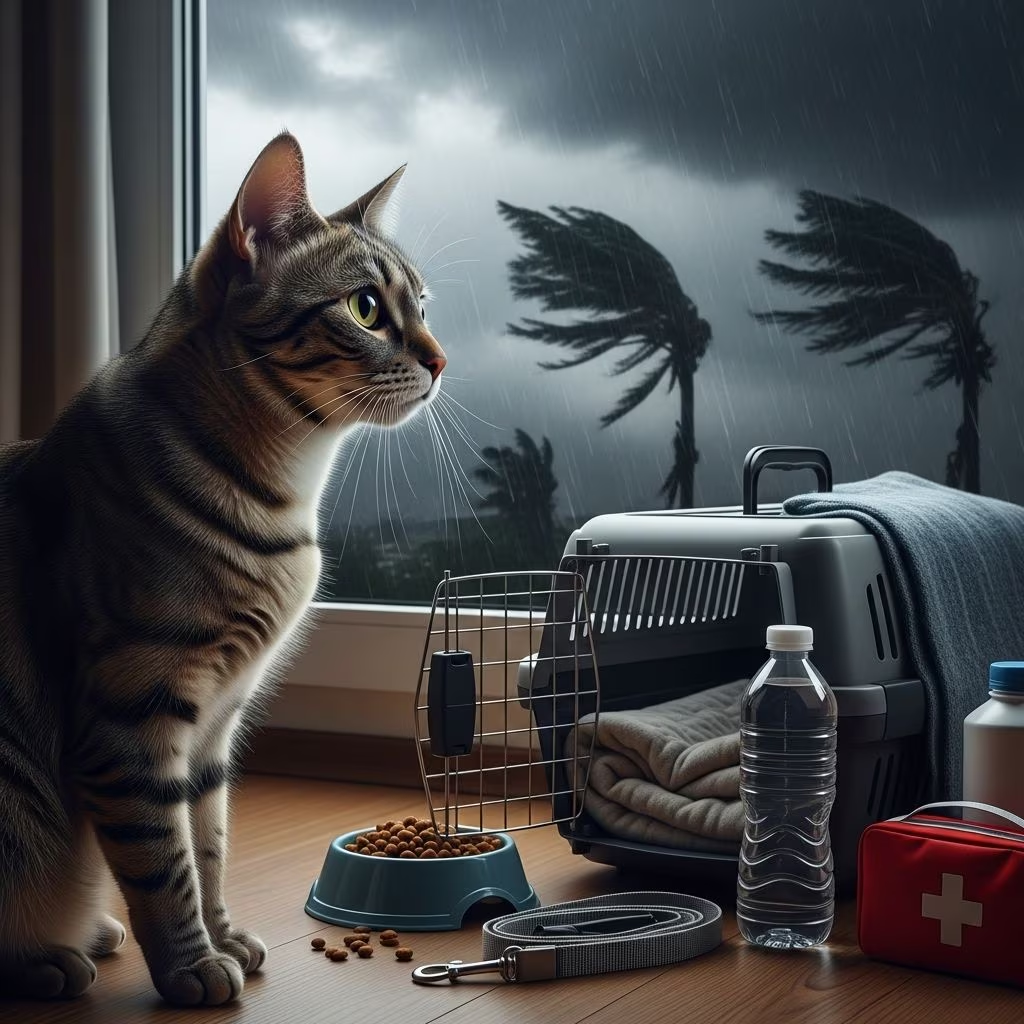
Hurricanes pose significant threats to cats, who can become disoriented, stressed, or lost amid high winds, flooding, and evacuations. Proactive preparation is essential to protect your feline companions, involving emergency kits, safe spaces, and evacuation plans tailored to cats’ needs. This guide covers every step to ensure your cats remain safe before, during, and after a storm.
Understanding the Risks Hurricanes Pose to Cats
Cats face unique vulnerabilities during hurricanes. High winds can scatter debris, causing injuries, while flooding risks drowning or exposure to contaminants. Power outages lead to darkness and temperature extremes, exacerbating anxiety in sensitive felines. Evacuations add stress, as cats may hide or bolt in panic. Statistics from veterinary sources indicate that unprepared pets are 10 times more likely to go missing post-storm, underscoring the need for identification and secure carriers. Indoor cats, often overlooked, require equal preparation since home damage can trap or endanger them.
Create a Hurricane Emergency Kit for Your Cats
An emergency kit is the cornerstone of cat hurricane preparedness. Assemble it well in advance, storing it in a waterproof, easily accessible location near your exit. Plan for at least two weeks of self-sufficiency, accounting for multiple cats and special needs like medications.
- Food and Water: Pack a two-week supply of dry and canned food in waterproof containers, plus manual can opener. Include at least one gallon of water per cat daily, stored in sealed bottles.
- Litter Supplies: Disposable litter trays, a week’s worth of litter, scoop, and waste bags. For space-saving, use newspaper or puppy pads as alternatives.
- Medications and Health: 30-day supply of prescriptions, flea/tick preventatives, copies of records in a Ziploc bag. Include vet contact info and first-aid items like antibiotic ointment, saline, tweezers.
- Identification: Collars with ID tags, microchip info, recent photos. Write your contact on the carrier.
- Comfort Items: Familiar blankets, toys, ThunderShirt for anxiety, Feliway spray/wipes, pillowcases for hiding.
- Carriers and Restraints: One sturdy carrier per cat to prevent fights during stress. Extra leashes/harnesses.
- Cleaning Supplies: Paper towels, garbage bags, disinfectant, bleach solution for sanitation.
Customize for multi-cat homes: extra carriers reduce territorial stress. Test the kit quarterly.
Plan for Evacuation with Your Cats
Never leave cats behind—if it’s unsafe for you, it’s unsafe for them. Evacuate early to avoid chaos.
- Pet-Friendly Lodging: Maintain a list of hotels/motels allowing pets. Book ahead during alerts.
- Backup Caregivers: Inform friends/family of your cats’ routines, allergies, and needs. Share medical records digitally.
- Vet Boarding: Confirm facilities have generators and won’t flood. Have alternates.
- Shelters: Note local animal shelters like humane societies with pet intake.
Practice loading cats into carriers weekly. Use treats to build positive associations. During evacuation, cover carriers to reduce visual stress and play calming music. Monitor traffic via official apps like FDOT 511.
Prepare Your Home as a Safe Haven for Cats
If evacuation isn’t possible, designate a storm-safe room: interior bathroom, closet, or basement without windows, hazards, or toxins.
- Secure the Space: Remove breakables, chemicals. Tape windows if needed. Fill tubs/sinks with water for flushing/cleaning.
- Power Outage Prep: Battery lanterns, backup litter for no-water scenarios. Stock human supplies too, as cats rely on you.
- Hideaways: Provide boxes, blankets for burrowing to ease anxiety.
Bring all outdoor cats indoors at the first alert. Microchip ferals if possible.
| Aspect | Evacuation | Shelter In Place |
|---|---|---|
| Best For | Mandatory orders, high flood risk | Milder storms, no orders |
| Kit Needs | Portable, 2-week compact | Extended, home-based |
| Risks | Travel stress, separation | Structural damage, isolation |
| Cat Comfort | Carrier + familiar items | Safe room + hide spots |
Keep Cats Calm During the Hurricane
Hurricanes trigger feline fight-or-flight: hiding, vocalizing, or aggression. Mitigation strategies are vital.
- Calming Aids: Pheromone diffusers like Feliway, anxiety wraps, vet-prescribed meds.
- Environment: White noise machines, covered carriers, pheromone-sprayed blankets.
- Routine: Maintain feeding/play schedules to provide normalcy.
- Post-Storm: Allow gradual reintroduction to outdoors; monitor for injuries.
For community cats, reinforce shelters against wind/rain and provide elevated feeding.
First Aid and Post-Hurricane Recovery for Cats
Storms can cause cuts, dehydration, or infections. A cat first-aid kit includes:
- Antidiarrheal, antinausea meds (vet-approved).
- Bandages, ointment, scissors, gloves.
- Space blanket, muzzle for handling.
Afterward, vet check-ups are crucial. Watch for lethargy, wounds, or behavior changes signaling trauma. Replenish kits and update plans based on experiences.
Frequently Asked Questions (FAQs)
What should be in a cat hurricane kit?
A cat hurricane kit needs food/water for 2 weeks, litter, medications, carrier, ID, comfort items, and cleaning supplies. Store in waterproof bags.
Can I leave my cat during evacuation?
No—never leave cats behind. They risk injury, starvation, or death. Plan pet-friendly options ahead.
How do I calm my anxious cat in a storm?
Use Feliway, ThunderShirts, familiar scents, and a quiet safe room. Consult vets for meds if needed.
What if power goes out?
Have battery lights, backup water, non-electric litter options. Keep safe room cool/ventilated.
Do indoor cats need hurricane prep?
Yes—home damage affects all cats. Prepare kits and safe spaces regardless.
References
- Hurricane Preparedness – Cat Care Center of Baton Rouge — Cat Care Center. Accessed 2026. https://www.catcarecenter.com/services/cats/blog/hurricane-preparedness
- Hurricane Preparation Guide — Island Hammock Pet Hospital. Accessed 2026. https://ihph.net/hurricane-preparation-guide/
- Pet Hurricane Prep Checklist — Ravenwood Veterinary Clinic. Accessed 2026. https://ravenwoodvet.net/hurricane-preparedness-checklist/
- Hurricane Preparedness: Essential Tips for Pet Safety — Tuscawilla Veterinary. Accessed 2026. https://tuscawillavet.com/hurricane-preparedness/
- How to Prepare and Keep Cats Safe in a Disaster — Alley Cat Allies. Accessed 2026. https://www.alleycat.org/community-cat-care/be-prepared-for-disasters/
- How to Prepare Your Home and Business for Hurricane Season — Caterpillar Inc. Accessed 2026. https://www.cat.com/en_US/articles/disaster-preparedness/hurricane-preparation.html



