

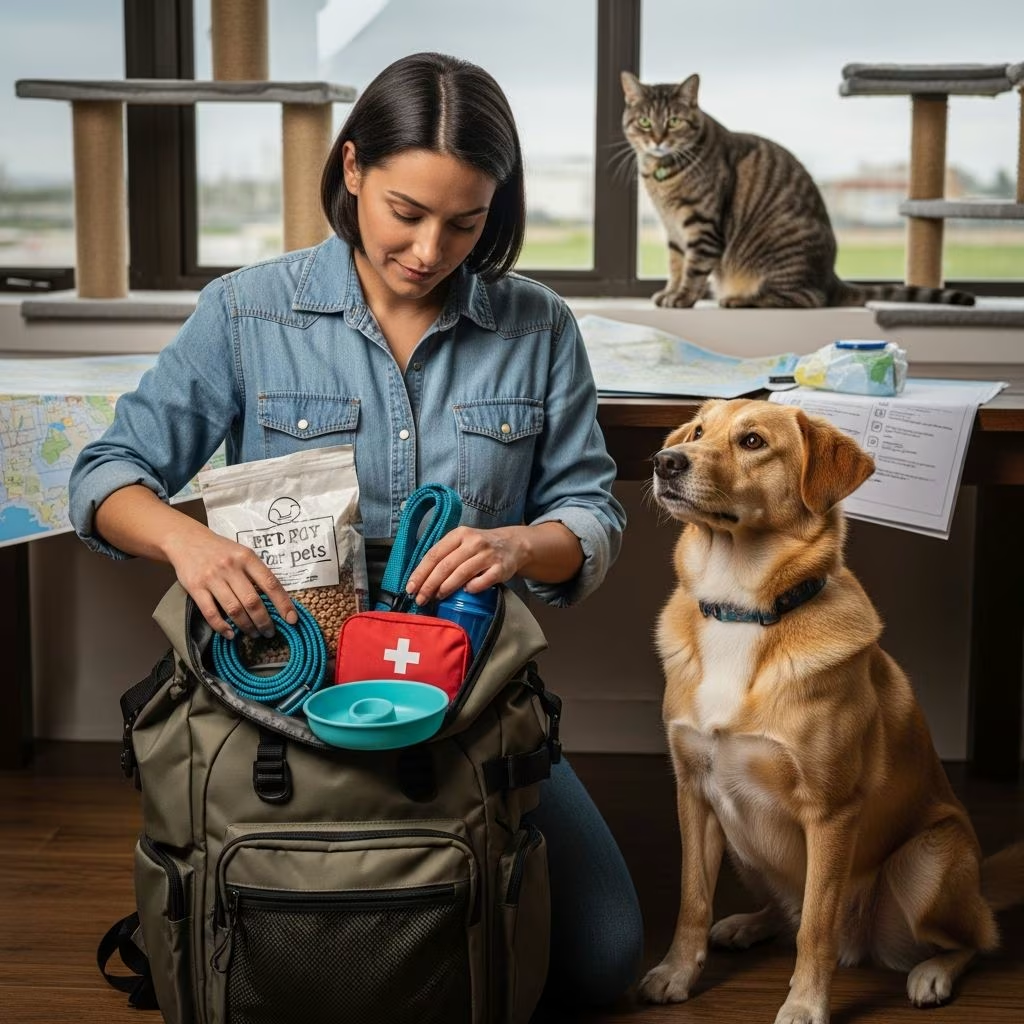
How to Prepare for a Hurricane if You Have Pets
Hurricane season brings uncertainty and stress for pet owners everywhere. Whether you live in a coastal area or an inland region prone to severe storms, preparing your pets for a hurricane is not just important—it’s essential. Pets depend on us for their safety and well-being, and when disaster strikes, having a solid plan in place can make the difference between keeping your furry family members safe or facing heartbreak. This comprehensive guide will walk you through every step of hurricane preparedness for your pets, from assembling an emergency kit to understanding evacuation procedures and keeping your animals calm during the storm.
Why Hurricane Preparedness for Pets Matters
Hurricanes pose multiple threats to pets, including physical injuries, separation from their families, loss of shelter, and disruption to their normal routines and access to medications. Unlike humans, pets cannot understand what’s happening during a natural disaster and often experience extreme anxiety. They rely entirely on their owners to anticipate their needs and take action to protect them. By planning ahead, you’re not only safeguarding your pet’s physical health but also reducing their emotional stress during an already chaotic time. Pet owners who prepare in advance are significantly more likely to keep their pets with them during evacuation and to reunite with them quickly if separation occurs.
Building Your Pet’s Emergency Kit
The foundation of any hurricane preparedness plan is a well-stocked emergency kit tailored to your pet’s specific needs. This kit should contain everything your pet would need to survive and remain comfortable for at least one week if your home loses power or water access.
Essential Items for Your Pet Emergency Kit
- Food and Water: Store at least one week’s worth of your pet’s regular food in waterproof containers. Include bottled water for both you and your pet—never allow pets to drink floodwater, which may be contaminated with mold, bacteria, and other harmful substances. Pack a hand-powered can opener if your pet eats canned food.
- Medications: Keep a one to two-month supply of any medications your pet takes regularly, including routine preventative medications for heartworms, fleas, and ticks. Veterinary clinics may be closed for extended periods after a hurricane, making medications difficult to obtain.
- Medical Records and Documentation: Compile vaccination records, proof of current medical treatments, recent lab work results, microchip numbers, and your veterinarian’s contact information. Include notes on your pet’s feeding schedule, any behavioral issues, and medical conditions. These documents are invaluable if your pet needs boarding or if you become separated from them.
- Current Photos: Keep several recent, clear photos of each pet showing identifying marks, size, and distinguishing features. These photos are essential for creating lost pet posters if needed.
- Identification: Ensure all pets wear collars or harnesses with ID tags containing current contact information. A microchip provides permanent identification and greatly increases the chances of reunion if your pet gets lost.
- Carriers and Crates: Have roomy, secure carriers large enough for your pets to move around comfortably. These should be sturdy enough to protect your pet if your vehicle is damaged. Tape an envelope with your pet’s information and medical records to the outside of each carrier.
- Leashes and Harnesses: Pack multiple sturdy leashes or leads to ensure your pet is secure when outside, especially in chaotic evacuation situations.
- Sanitation Supplies: Include pee pads, litter boxes (collapsible ones save space), poop bags, and paper towels for cleanup. Pets confined in shelters may not have easy outdoor access.
- First-Aid Kit: Assemble or purchase a pet-specific first-aid kit containing bandages, gauze, antiseptic wipes, tweezers, and other emergency medical supplies.
- Comfort Items: Pack toys, treats, blankets, or towels that provide stress relief and familiarity during a traumatic time. A Thundershirt can help anxious dogs stay calm.
- Emergency Contact List: Create a comprehensive list including your veterinarian, local animal shelters, rescue organizations, boarding facilities, pet-friendly hotels, the Red Cross, your local humane society, and the nearest emergency veterinary hospital.
Ensuring Proper Pet Identification
Identification is absolutely critical during hurricane season. Even indoor-only cats and dogs wearing collars with ID tags should be microchipped. A microchip is a tiny, permanent identifier implanted by a veterinarian that provides proof of ownership and helps reunite you with your pet if you become separated.
However, microchipping is only effective if your information is current. Regularly update your pet’s microchip registration with your current phone number and address. Keep this information synchronized across multiple databases to maximize the chances of being contacted if your pet is found. Additionally, ensure ID tags contain your current cell phone number and a trusted contact person’s information in case you’re unavailable.
Maintaining Current Vaccinations and Medical Records
Before hurricane season arrives, schedule a veterinary appointment to ensure your pet’s vaccinations are current. After a hurricane, veterinary clinics become overwhelmed with injured animals, and if your pet needs emergency care or boarding, proof of current vaccinations will be required. Keep these records in a waterproof, portable container as part of your emergency kit.
Discuss your pet’s specific medical needs with your veterinarian. Ask about any medications that might help reduce anxiety during the storm, and request an extra supply of routine medications to have on hand. Document any chronic conditions or special dietary needs so that anyone caring for your pet understands their requirements.
Securing Your Pet’s Medications
Pets with chronic conditions depend on consistent medication schedules. Before hurricane season, ask your veterinarian for an extra supply of your pet’s medications—ideally a one to two-month stockpile. Store medications in waterproof containers away from extreme heat or cold. Include detailed instructions on dosages and administration times.
Don’t overlook preventative medications. Heartworm, flea, and tick preventatives are critical to your pet’s health, and their regular supply chain may be disrupted after a hurricane. Having extra doses on hand ensures your pet remains protected even when normal routines are disrupted.
Finding Pet-Friendly Evacuation Centers
One of the most important steps in hurricane preparedness is researching pet-friendly evacuation centers well before a storm threatens. Not all emergency shelters accept animals, and assuming your local shelter will allow pets could be a dangerous mistake.
Contact your local animal control office, humane society, and veterinary hospitals to identify pet-friendly evacuation options in your area. Check with FEMA and your local emergency management agency for additional resources. Research pet-friendly hotels and boarding facilities that might accommodate your animals if needed. Create a detailed list of these options and include it in your emergency kit.
If you don’t live in an area with established pet-friendly shelters, consider alternative arrangements now. Ask friends or family members outside the hurricane zone if you could stay with them and bring your pets. Look into boarding facilities that offer disaster services or have plans to remain operational during emergencies.
Planning Your Evacuation Strategy
If local authorities issue an evacuation order, you should assume it applies to your pets as well. If it’s not safe for you to stay in your home during a hurricane, it’s not safe for your pets. Make every possible effort to evacuate with them rather than leaving them behind.
Plan your evacuation route in advance, identifying which routes would be safest and which pet-friendly shelters or accommodations are located along the way. Keep your carriers accessible and keep leashes, carriers, and emergency supplies easily grabbable. Practice loading your pets into carriers so they become accustomed to the process—this prevents additional stress during an actual evacuation.
During evacuation, load cats and small dogs into carriers for safety and security. Keep larger dogs leashed or in crates so they’re ready to move quickly. The chaos and stress of evacuation can cause even well-behaved pets to panic and run away. Proper containment prevents separation and ensures you can keep track of all your animals.
Preparing for Potential Injuries
Hurricanes often result in injuries for both people and pets. Broken glass, debris, contaminated water, and other hazards create risks for injury. Having a well-stocked first-aid kit allows you to provide immediate care for minor injuries and manage situations until professional help is available.
Before hurricane season, identify local veterinary emergency offices and note their locations, phone numbers, and hours of operation. Keep this information readily accessible. Be prepared for the reality that emergency veterinary clinics will likely be overwhelmed with injured animals after a hurricane, and you may experience significant wait times. Having adequate first-aid supplies and knowledge of basic pet first aid can bridge the gap until professional care is available.
Managing Pet Anxiety During Storms
Hurricanes are terrifying for pets. The loud noises, pressure changes, and disrupted routines cause significant anxiety and stress. Understanding your pet’s anxiety patterns and preparing appropriate interventions can help them remain calmer throughout the storm.
If your pet normally receives anti-anxiety medication during routine thunderstorms, they will definitely need it during a hurricane. Stock up on these medications in advance. Some pets respond well to anxiety wraps like Thundershirts, which provide gentle, constant pressure that can have a calming effect. Cats often seek hiding spots when frightened; providing a quiet, safe space like a covered bed or closet can help them feel more secure.
Remember that pets often look to their owners for emotional cues. While hurricanes are stressful and chaotic, maintaining a calm demeanor helps your pet feel safer. Speak in soothing tones, maintain normal routines as much as possible, and provide comfort through petting and companionship. Your presence and calm energy can significantly reduce your pet’s anxiety during the storm.
Creating a Home Safety Plan
If you decide to shelter in place rather than evacuate, create a safe room in your home for your pets. Choose a room without windows, ideally an interior bathroom or closet, where your pets can wait out the storm. Stock this room with water, food, litter boxes or pee pads, comfort items, and first-aid supplies.
Ensure all pets have proper identification in case your home is damaged and they escape. Keep carriers accessible in case you need to evacuate quickly. Have your emergency kit prepared and ready to grab at a moment’s notice. Never leave pets outside or unsecured during a hurricane.
Staying Informed and Updated
Stay informed about weather forecasts and emergency alerts throughout hurricane season. Sign up for local emergency notifications and follow guidance from your local emergency management office. Early warnings allow you time to prepare and execute your evacuation plan without rushing.
Update your pet’s information on identification platforms and microchip registries regularly. Ensure your veterinarian has your current contact information. Share your emergency plan with trusted friends and family members who could help locate your pet if you become separated.
Frequently Asked Questions About Hurricane Pet Preparedness
Q: What if I can’t find a pet-friendly evacuation shelter?
A: Start planning now. Contact friends or family outside the hurricane zone, research pet-friendly hotels that might accept animals during emergencies, investigate boarding facilities with disaster plans, or contact your local animal shelter for alternative resources and recommendations.
Q: How much food and water should I store for my pet?
A: Store at least one week’s worth of your pet’s regular food and ample bottled water. If you have multiple pets or live in a particularly hurricane-prone area, consider storing even larger quantities. Rotate stock regularly to ensure freshness.
Q: Is pet microchipping really necessary?
A: Yes, microchipping is highly recommended even for indoor-only pets. Combined with current ID tags, a microchip provides the best chance of reuniting with your pet if separation occurs. Keep microchip registration information current with your veterinarian.
Q: What should I do if I have to leave my pet behind during evacuation?
A: Never leave pets behind if possible. If you absolutely must evacuate without them, leave them in the safest room possible with water, food, litter boxes, and any necessary medications. Mark your home clearly indicating that pets are inside. Contact animal control and local shelters to report the situation so rescue efforts can locate them.
Q: How can I help my pet stay calm during a hurricane?
A: Provide a safe space away from windows, maintain a calm demeanor yourself, use anxiety-reducing products like Thundershirts, administer prescribed anti-anxiety medication if recommended by your veterinarian, and offer comfort through your presence and gentle touch.
References
- 10 Hurricane Safety Tips for Pet Parents — PetMD. Accessed 2025. https://www.petmd.com/general-health/hurricane-safety-tips-for-pets
- Preparing Your Pet for Severe Weather: The Ultimate Safety Guide — PetHub. Accessed 2025. https://www.pethub.com/articles/2929555/preparing-your-pet-for-severe-weather-the-ultimate-safety-guide
- FEMA: Pets and Animals in Disasters — Federal Emergency Management Agency. https://www.fema.gov/disaster/pets-and-animals
- Pet Microchip Effectiveness and Reunion Rates — American Veterinary Medical Association (AVMA). https://www.avma.org/
- Emergency Preparedness for Pet Owners — The Humane Society of the United States. https://www.humanesociety.org/



