

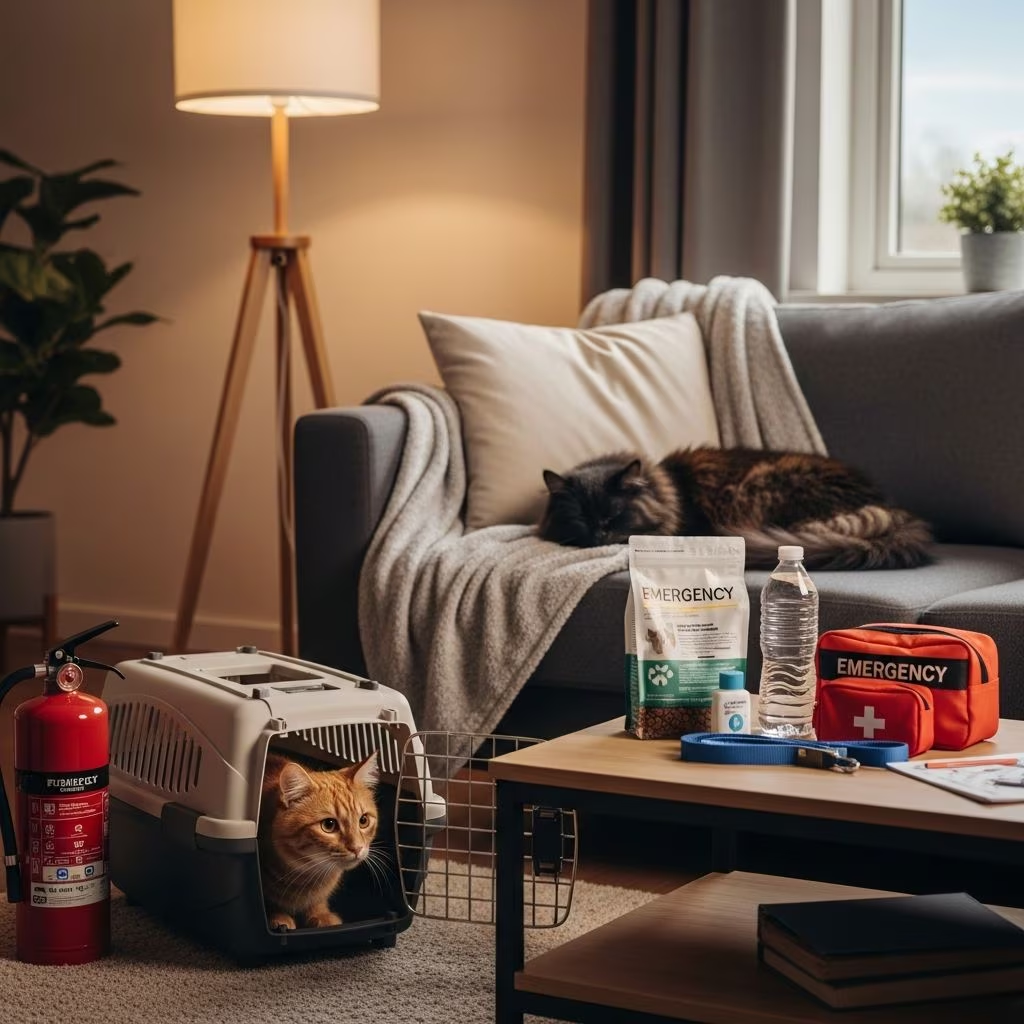
House fires pose a severe threat to pets, especially cats, who often hide instead of fleeing danger. Preparation is key to ensuring your cat’s safety, involving escape plans, preventive measures, and emergency supplies.
Why Cats Are Vulnerable in House Fires
Cats instinctively seek hiding spots like under beds or in closets during fires, making rescue difficult. Smoke inhalation and panic exacerbate risks, with statistics showing pets account for many fire-related tragedies due to lack of escape training.
According to fire safety experts, cats may ignore alarms or become disoriented by smoke, underscoring the need for proactive measures.
Create a Fire Escape Plan for Your Cat
A structured escape plan integrates your cat into family drills. Assign specific family members to retrieve the cat from known hiding spots and practice regularly.
- Identify primary and secondary escape routes from every room.
- Designate a safe outdoor meeting point.
- Conduct monthly drills, using treats to encourage carrier entry.
- Train cats to respond to calls or signals amid alarm noise.
Practice familiarizes cats with carriers, reducing stress. For multi-cat homes, label carriers clearly.
Install Pet Alert Stickers
Visible “Pet Alert” stickers near entrances inform firefighters of pet numbers and types, enabling targeted rescues. Free stickers are available from organizations like the ASPCA.
Place stickers on front and back doors or windows, updating them for changes in pet count. This simple step has saved countless pets.
Prepare an Emergency Kit for Your Cat
A pre-packed “go-bag” ensures essentials are grab-and-go. Store near exits with family kits.
| Item | Purpose | Quantity |
|---|---|---|
| Carrier or crate | Secure transport | 1 per cat |
| Food and water (7-day supply) | Sustenance | Sealed bags |
| Medications and records | Health needs | Copies in waterproof pouch |
| Litter box and litter | Hygiene | Travel-sized |
| Leash, collar, ID tags | Identification | Up-to-date |
| Blankets, toys, treats | Comfort | Favorites |
| First-aid kit | Injuries | Pet-specific |
Microchip your cat and keep registration current for reunification if separated.
Cat-Proof Your Home Against Fire Hazards
Prevent pet-started fires by securing hazards. Cats knock over candles or chew cords, common ignition sources.
- Candles and flames: Use flameless LED alternatives; never leave unattended.
- Stove knobs: Install covers to prevent jumping activation.
- Electrical cords: Tuck away or use bitter sprays against chewing.
- Space heaters: Keep 3 feet from pets and flammables.
- Fireplaces: Use metal grates; maintain 3-foot pet-free zone.
Confine cats from kitchens during cooking to avoid spills or trips.
Get Your Cat Comfortable with Their Carrier
Carrier aversion delays evacuations. Gradual training builds positive associations.
- Leave carrier out daily with bedding and toys.
- Feed meals inside; use clicker training for entry.
- Practice short car trips.
- For emergencies, pillowcases work temporarily for cats.
Label carriers with contact info and secondary contacts.
Test Smoke Alarms and Familiarize Your Cat
Functional smoke alarms provide early warnings. Test monthly; cats frightened by sounds may hide.
Play alarm recordings at low volumes during calm times, pairing with treats to desensitize. Consider monitored systems alerting authorities if away.
Plan for Post-Evacuation Care
After escape, secure cats in carriers to prevent re-entry. Identify pet-friendly shelters, hotels, or friends in advance.
- Research boarding facilities and veterinarians.
- Sign up for local emergency alerts.
- Update vaccinations for shelter acceptance.
Donate pet oxygen masks to local fire departments if unavailable.
Additional Fire Safety Tips for Cat Owners
Beyond basics, consider these enhancements:
- Secure young or curious cats away from hazards.
- Maintain escape routes free of obstacles.
- Train multiple family escape roles.
- Keep leashes/carriers by every exit.
Frequently Asked Questions (FAQs)
What should I do if my cat hides during a fire?
Inform firefighters of hiding spots like closets or under furniture; never re-enter yourself.
How often should I practice fire drills with my cat?
Monthly, or quarterly for multi-pet homes, to build familiarity.
Are microchips enough for identification after a fire?
No—combine with collars, tags, and alert stickers for best results.
Can cats survive smoke inhalation?
Possible with prompt oxygen therapy; support local fire departments with pet masks.
What if I’m not home during a fire?
Monitored alarms notify authorities; alert stickers guide rescuers.
Implementing these strategies significantly boosts survival odds. Start today for peace of mind.
References
- Tips to Promote Fire Safety in Your Home — Island Cats. Accessed 2026. https://islandcats.com/blog/tips-to-promote-fire-safety-in-your-home/
- Protect Your Pets: Fire Safety Tips for National Pet Fire Safety Day — Doody Calls. 2025-07. https://www.doodycalls.com/blog/2025/july/protect-your-pets-fire-safety-tips-for-national-
- Pet Fire Safety Day: How To Prepare Your Pets — Animal Biome. Accessed 2026. https://www.animalbiome.com/blogs/dog/pet-fire-safety-day-how-to-prepare-your-pets
- How to keep your dogs, cats, and other pets safe from fire — Texas Department of Insurance (.gov). Accessed 2026. https://www.tdi.texas.gov/tips/pet-fire-safety.html
- Wildfire Safety: How to Stay Prepared and Keep Your Pets Safe — ASPCA. Accessed 2026. https://www.aspca.org/news/wildfire-safety-how-stay-prepared-and-keep-your-pets-safe
- Pet Fire Safety — American Red Cross. Accessed 2026. https://www.redcross.org/get-help/how-to-prepare-for-emergencies/types-of-emergencies/fire/pet-fire-safety.html



