

How to Potty Train an Older Dog: A Comprehensive Guide
Adopting an older dog or helping your aging pup maintain dignity through their golden years is a wonderful commitment. However, one challenge many dog owners face is house training an older dog. Whether you’ve recently adopted an adult dog from a shelter that wasn’t properly trained, or your own senior companion is struggling with accidents, understanding the right approach can make all the difference. The good news is that potty training an older dog is absolutely possible with patience, consistency, and the right strategy.
Understanding Why Older Dogs Need Potty Training
There are two primary scenarios where older dogs require potty training. The first occurs when you adopt an adult dog from a shelter or rescue organization that was never properly house trained to begin with. These dogs may have developed strong habits of pottying wherever and whenever they want, making it challenging for them to understand why the rules are suddenly changing in their new home.
The second scenario involves your own aging dog who may suddenly struggle with bladder or bowel control. This could be due to medical conditions, cognitive decline, or simply the physical effects of aging. In these cases, it’s essential to consult with your veterinarian first to rule out underlying health issues before beginning any retraining process.
The Importance of a Veterinary Checkup
Before implementing any potty training program, schedule a comprehensive examination with your veterinarian. Some dogs experience accidents due to underlying medical conditions such as urinary tract infections, diabetes, incontinence, or other health issues. Your vet can identify these problems and suggest appropriate treatments. Once any medical issues are addressed, you can proceed with confidence knowing that accidents are a training issue rather than a health concern.
Key Principles for Potty Training Older Dogs
Potty training an older dog can be both more and less challenging than training a puppy. While older dogs may have ingrained habits, they also have better bladder control and the ability to understand commands more quickly. The key is recognizing that learning how to house train an older dog requires consistency, patience, and positive reinforcement. Older dogs who haven’t been properly trained have developed strong habits, so they need clear, repetitive guidance to understand the new expectations.
Core Training Strategies
Successful potty training relies on several fundamental principles that work together to create lasting behavior change:
- Crate Training: Dogs naturally avoid soiling their sleeping areas, making crates an effective tool for preventing accidents when you cannot supervise your dog directly.
- Routine and Schedule: Establishing consistent mealtimes, potty breaks, and crate times helps your dog develop predictable bathroom habits.
- Positive Reinforcement: Rewarding your dog immediately when they potty outside teaches them the desired behavior more effectively than any form of punishment.
- Supervision: Watching for signs that your dog needs to go outside allows you to prevent accidents and reward appropriate behavior.
- Patience: Understanding that setbacks will happen and responding calmly keeps your dog from developing anxiety around house training.
The 5-Step Plan for Potty Training Older Dogs
Professional trainers recommend a systematic approach that combines confinement, frequent potty breaks, positive reinforcement, and pattern tracking. This proven method works with dogs who have never been properly house trained and with dogs who need retraining in a new home or for medical reasons.
Step 1: Establish Frequent Potty Breaks
Take your dog outside to potty at least once every hour. This frequent schedule is crucial during the initial training phase. When outside, stand with your dog in an appropriate potty area and act boring—avoid play or distraction that might prevent them from focusing on their bathroom business. Wait up to five minutes to see if they relieve themselves. The moment they do, offer enthusiastic praise and provide a high-value treat. If your dog doesn’t potty within five minutes, return them to their confinement area for 10 to 15 minutes, then take them out again. Repeat this cycle until success. The key is never forcing your dog to perform; instead, set up conditions that make outdoor pottying the natural choice.
Step 2: Create a Confinement Space
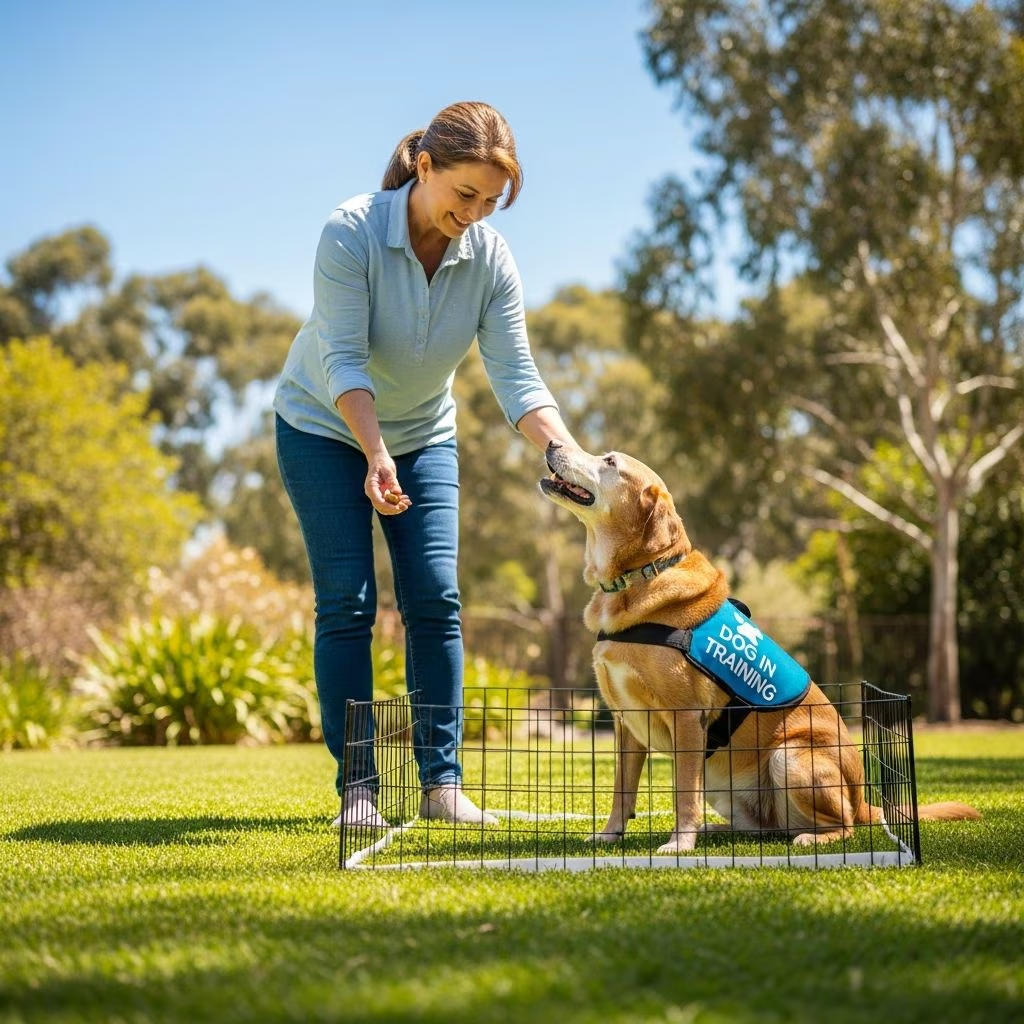
Between potty breaks, confine your older dog to a space where accidents are less likely to happen. If your dog is crate trained, a properly sized crate serves this purpose perfectly. For dogs not yet crate trained, consider using a smaller room or pen. Dogs have a natural instinct to keep their sleeping area clean, so confinement encourages them to hold it until the next potty break. This prevents your dog from developing additional bad habits throughout the day and reinforces the idea that the house is not an appropriate bathroom.
Step 3: Extend Outdoor Time After Success
After your dog successfully potties outside, don’t rush back indoors. If you return inside immediately, your dog learns that pottying ends fun outdoor time, which may cause them to hold it longer so they can stay outside longer. Instead, stay outside for a bit longer, allowing your dog to enjoy the outdoor environment after doing their business. This teaches them that successful outdoor pottying leads to rewarding outdoor experiences, strengthening their motivation to potty outside.
Step 4: Repeat the Cycle Throughout the Day
Continue taking your dog out hourly when you’re home, providing praise, treats, and extra outdoor time for successful pottying. Follow outdoor time with limited supervised indoor time before returning your dog to their confinement space. This consistent cycle helps establish the pattern of outdoor pottying. Because this requires frequent attention, it’s best to start training over a weekend or when you know you’ll be home for several consecutive days. This allows you to maintain consistency and avoid disrupting the training process.
Step 5: Track and Learn Your Dog’s Patterns
Create a house-training chart or use a notepad to record when and where your dog potties throughout the day and night. After tracking for several days, patterns will emerge showing which times of day your dog most likely needs to go outside. For example, you might notice your dog consistently needs to potty 20-30 minutes after eating, immediately after waking up, or at certain times during the day. Understanding these patterns allows you to gradually reduce the frequency of potty breaks while maintaining success, moving from hourly breaks toward the typical schedule of four to six times daily.
Managing Confinement and Creating Legal Bathrooms
Proper confinement is essential during potty training to prevent accidents and reinforce good habits. If your dog is crate trained, a properly sized crate prevents accidents during times when you cannot supervise. For older dogs or dogs with difficulty holding it, various options exist:
- A properly sized dog crate that allows your dog to stand, turn around, and lie down comfortably
- A confined room or pen area for dogs not accustomed to crates
- Puppy pads or dog diapers as a legal bathroom alternative when your dog must be confined longer than they can hold it
If your dog must be left alone longer than they can hold their bladder, provide a legal bathroom option. Puppy pads, designated toilet areas, or specially designed dog diapers give your dog an appropriate place to eliminate when confinement alone isn’t feasible. This is particularly important for senior dogs, incontinent dogs, or those with medical conditions affecting bladder control. Place these pads in a consistent location, and your dog will learn to use them when outdoor pottying isn’t immediately available.
Handling Accidents: What NOT to Do
Accidents will happen during potty training—this is completely normal and expected. How you respond to accidents significantly impacts training success. If you witness your dog having an accident, calmly take them outside immediately and praise them if they finish pottying there. Never yell, scold, or punish your dog for accidents.
Punishment-based responses create unintended consequences. Dogs punished for having accidents learn to hide before they potty rather than stop going in the house. They may sneak off to another room, go behind the couch, or wait until you’re not watching. Instead of stopping the inappropriate behavior, punishment teaches them to be sneaky about it. Additionally, harsh corrections create anxiety around pottying and around you, potentially damaging your relationship and making training even more difficult. Maintain a calm, matter-of-fact approach to accidents, and redirect your energy toward rewarding successful outdoor pottying.
Timeline and Expectations
Most older dogs can be potty trained within a couple of weeks to a few months, depending on their background and how consistently you follow the training protocol. Dogs who have never been trained have stronger habits to break, so they may take longer than dogs who were trained but forgot due to a life transition. Individual variation is significant—some dogs grasp the concept quickly, while others need more time and repetition. The key is maintaining consistent, daily practice without rushing the process.
Keeping detailed records of your dog’s bathroom habits accelerates the training timeline. By identifying patterns, you can quickly transition from hourly potty breaks to just a few scheduled breaks per day. For the fastest results, maintain frequent initial potty breaks, keep good notes on your dog’s patterns, and ensure that every successful outdoor pottying event is rewarded with praise, treats, and fun.
Establishing a Consistent Routine
Creating a predictable daily schedule is fundamental to potty training success. Your routine should include consistent mealtimes, potty breaks, and crate time. A simple routine might look like this:
- Early morning: Let dog out immediately after waking up
- Mid-morning: After breakfast, take dog out after 20-30 minutes
- Midday: Potty break before or after lunch
- Afternoon: Additional breaks as needed based on your dog’s patterns
- Evening: After dinner, take dog out 20-30 minutes later
- Before bed: Final potty break before overnight confinement
Consistency is crucial—all family members must follow the same routine every single day, including weekends. When everyone in the household follows identical protocols, your dog receives clear, consistent messaging about expectations, significantly accelerating training progress.
Watching for Signs Your Dog Needs to Go Out
Learning to recognize your dog’s signals helps prevent accidents and allows you to reward outdoor pottying. Common signs that your dog needs to go outside include:
- Barking at or scratching at the door
- Sniffing the ground intently or circling
- Restless behavior or pacing
- Whining or other vocalizations
- Moving toward a previously designated potty area
- Fidgeting or inability to settle
When you notice these signals, immediately take your dog outside. This teaches your dog that communication leads to outdoor access, encouraging them to signal you rather than having accidents indoors. Over time, this responsive approach strengthens your dog’s ability to communicate their needs and prevents many accidents.
Crate Training as Part of the Process
For dogs not already crate trained, introducing a crate during potty training provides an additional tool for success. Choose a crate appropriately sized for your dog—large enough for them to stand, turn around, and lie down comfortably, but not so large that they can potty in one area and sleep in another. Make the crate a positive space by including comfortable bedding, safe chew toys, and long-lasting treats only given when your dog is in the crate. This positive association makes your dog view the crate as a safe haven rather than a punishment, increasing their willingness to use it and their natural instinct to keep it clean.
Frequently Asked Questions About Potty Training Older Dogs
Q: How long does it typically take to potty train an older dog?
A: Most older dogs can be potty trained within a few weeks to a couple of months. The timeline depends on the dog’s previous training history, how consistently you follow the protocol, and individual learning speed. Dogs never trained before may take longer than those with some prior house training.
Q: Can older dogs really learn to be potty trained?
A: Yes, absolutely. Older dogs can definitely learn new behaviors and habits. While they may have ingrained patterns to break, they also have superior impulse control and understanding compared to puppies, which can actually make training easier in some ways.
Q: What should I do if my older dog continues having accidents despite consistent training?
A: First, schedule a veterinary checkup to rule out medical issues like urinary tract infections or incontinence. If medical causes are ruled out, consider consulting a professional dog trainer who can assess your specific situation and provide customized guidance.
Q: Is crate training necessary for potty training older dogs?
A: While crate training is highly effective, it’s not absolutely necessary. You can use a confined room or pen area instead. The goal is preventing accidents during unsupervised time by limiting your dog’s space, which crates accomplish efficiently.
Q: What’s the best way to respond when I catch my dog having an accident indoors?
A: Remain calm and take your dog outside immediately. Praise them if they finish pottying outdoors. Never yell, scold, or punish, as this teaches dogs to hide their accidents rather than stop having them.
Q: Can I use puppy pads as part of potty training an older dog?
A: Yes, puppy pads or dog diapers can be helpful, especially for senior dogs or those with medical issues affecting bladder control. Place them consistently in one area, and your dog can learn to use them when outdoor pottying isn’t immediately available.
References
- How to Potty Train an Older Dog — Chewy. 2024. https://www.chewy.com/education/dog/training-and-behavior/how-to-potty-train-an-older-dog
- How To Potty Train an Older Dog — PetMD. Written by Tiffany Tupler, DVM, CBCC-KA. 2024. https://www.petmd.com/dog/general-health/how-to-potty-train-older-dog
- How To Potty Pad Train Your Dog — Chewy. 2024. https://www.chewy.com/education/dog/training-and-behavior/3-steps-potty-pad-training-dog
- Dog Training & Behavior — Chewy. 2024. https://www.chewy.com/education/dog/training-and-behavior
- Positive Reinforcement in Dog Training: A Systematic Review — International Society of Feline Medicine. 2023. Emphasizes effectiveness of reward-based training over punishment methods for behavioral modification in dogs.
- Canine Behavior and Training Fundamentals — American College of Veterinary Behaviorists. 2023. Guidelines on establishing routines and managing confinement during house training.



