

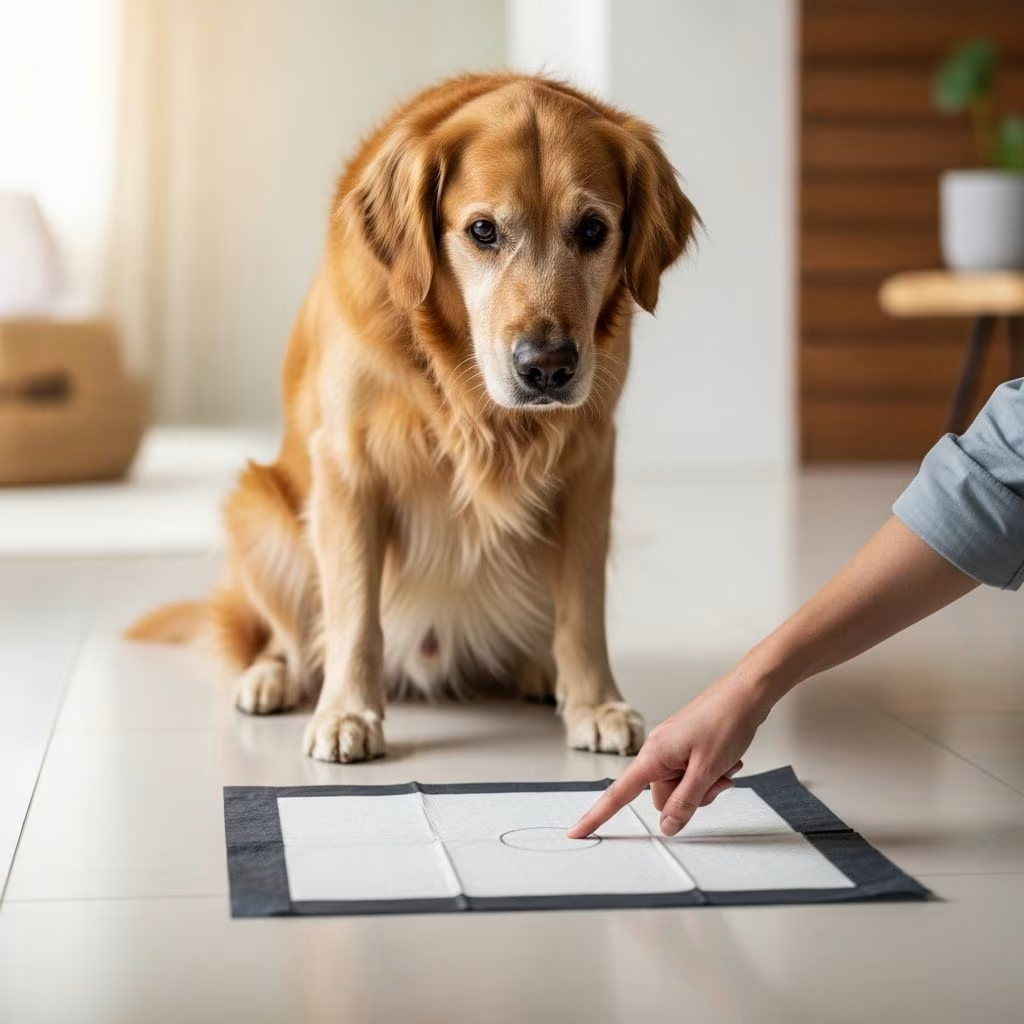
Potty training an older dog requires patience, consistency, and understanding of their unique needs. Unlike puppies, adult and senior dogs often have established habits or underlying issues causing indoor accidents, but with the right approach, success is achievable and often faster due to their better bladder control and desire to please.
Why Older Dogs Have Accidents Indoors
Adult dogs may soil indoors for various reasons beyond incomplete initial training. Many shelter dogs, strays, or those previously kept outdoors or in kennels lack proper housetraining, associating elimination only with privacy away from owners. Older dogs might experience medical issues like urinary incontinence, infections, or cognitive decline affecting bladder control. Stress from new environments, such as recent adoptions, can also trigger accidents.
Recognizing signs your dog needs to go is crucial: watch for pacing, whining, circling, sniffing, or leaving the room. These behaviors signal immediate outdoor trips. Early intervention prevents accidents and builds communication between you and your dog.
Step-by-Step Guide to Potty Training an Older Dog
Housetraining older dogs mirrors puppy methods but leverages their maturity. Focus on routine, supervision, and positive reinforcement for reliable results.
1. Establish a Designated Bathroom Spot
Select a consistent outdoor area near the door as your dog’s “potty spot.” Take them there every time to reinforce the location through scent association. This spot should be easily accessible, especially for seniors with mobility issues. Use waste from indoor accidents placed there to guide them via their strong sense of smell.
2. Implement Constant Supervision
Supervision prevents unnoticed accidents. Keep your dog in the same room using baby gates, closed doors, or a leash attached to you indoors. Restrict access to high-risk areas like bedrooms or carpeted rooms initially. If they attempt to sneak away, a collar bell can alert you to restlessness.
When catching an accident in progress, interrupt gently with a clap or firm “no”—avoid yelling or using their name to prevent fear associations. Immediately guide them outside to finish, then praise lavishly. Never punish after the fact, as it causes anxiety without linking to the behavior.
3. Use Crate Training Effectively
Crates tap into dogs’ instinct not to soil their sleeping area. Choose a crate allowing standing and turning but not much larger, preventing space for accidents. Use it when unsupervised, gradually building comfort with treats and short sessions. Release directly to the potty spot. For new adoptions, crates aid adjustment while preventing damage.
- Introduce crate positively with treats and toys like stuffed Kongs.
- Crate for downtime, not punishment.
- Limit initial time to avoid distress; extend as they succeed.
4. Maximize Praise and Outdoor Time
Positive reinforcement is key: praise excitedly and treat immediately upon elimination outside—don’t delay, or they won’t connect the reward. Extend outdoor time post-potty with play, walks, or fetch to make it enjoyable, preventing lingering indoors.
5. Create a Strict Schedule
Dogs thrive on routine. Feed at set times, removing bowls after 10-15 minutes, and take out first thing morning, after meals, play, naps, and bedtime—aim for 5-6 times daily. If they don’t go, crate briefly and retry. Consistent timing teaches them to hold it.
| Time of Day | Activity | Potty Opportunity |
|---|---|---|
| Morning | Wake up | Immediate outdoor trip |
| After Breakfast | Meal | 10-15 min post-eating |
| Midday | Play/Exercise | Every 1-2 hours |
| Evening | Dinner | Post-meal |
| Before Bed | Wind down | Last trip of day |
6. Clean Accidents Thoroughly
Enzyme-based cleaners remove scents completely, preventing re-soiling. Stay calm during cleanup; use waste outdoors for training. Punishment for past accidents confuses dogs, increasing hiding behaviors.
Common Challenges and Solutions
Senior dogs may face incontinence; consult a vet to rule out UTIs or arthritis limiting mobility. Stubborn adults benefit from high-value rewards like meat chunks. Track progress in a journal noting accident times to refine schedules.
- Challenge: Sneaky eliminators – Leash indoors, bell on collar.
- Challenge: Medical issues – Vet check first.
- Challenge: Regression – Revert to stricter supervision.
Tips for Long-Term Success
Maintain the routine lifelong. Gradually increase freedom only after weeks of no accidents. Incorporate mental stimulation to reduce stress-induced soiling. For multi-dog homes, train individually to avoid confusion.
Consistency from all household members is vital—mixed signals undo progress. Celebrate milestones to keep motivation high.
Frequently Asked Questions (FAQs)
Can you potty train a senior dog?
Yes, seniors train well with accommodations for health issues. Their bladder control often aids quicker success than puppies.
How long does it take to housetrain an adult dog?
Typically 2-6 weeks with consistency, faster for attentive adults.
What if my older dog has accidents at night?
Limit evening water, last potty before bed, and use crate. Check for medical causes.
Should I punish indoor accidents?
No, it causes fear. Interrupt only if caught, then redirect positively.
Is crate training cruel for older dogs?
No, when used properly as a safe den, not punishment. It leverages natural instincts.
References
- How to Housetrain an Adult or Senior Dog in 6 Steps — Elanco. 2023. https://yourpetandyou.elanco.com/us/behavior/how-to-housetrain-an-adult-or-senior-dog-in-6-steps
- Housetraining an Adult Dog — Dog Spring Training. 2024. https://www.dogspringtraining.com/tips/housetraining-adult-dog/
- How to Potty Train an Older Dog: Housetraining Adult Dogs — American Kennel Club (AKC). 2025-06-15. https://www.akc.org/expert-advice/training/how-to-housetrain-an-adult-dog/
- House Training Puppies or Older Rescue Dogs — Leerburg. 2023-08-10. https://leerburg.com/housebrk.htm
- How to Potty Train an Adult Dog — Cheatham County Animal Control. 2024. https://www.ccactn.org/post/how-to-potty-train-an-adult-dog



