

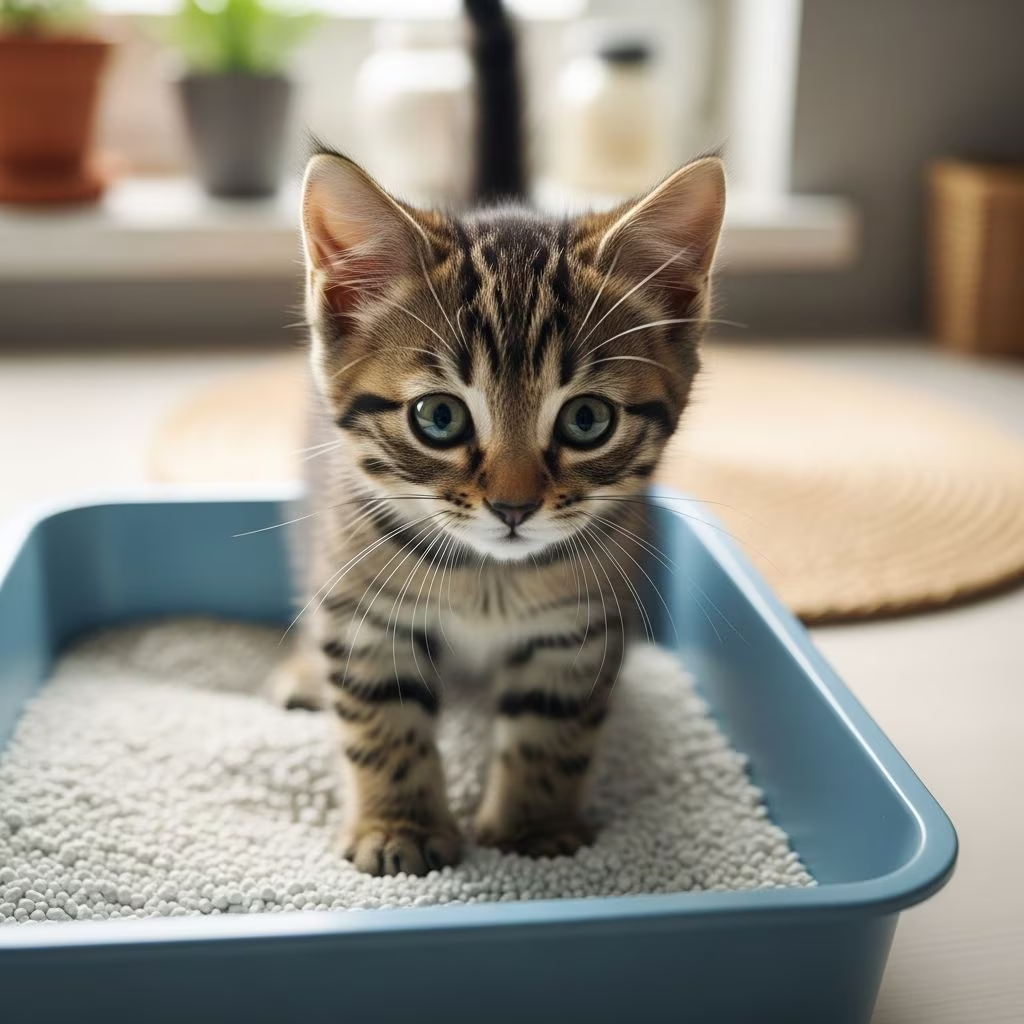
Potty training a kitten is one of the first essential steps when bringing home a new furry friend. Most kittens instinctively take to a litter box within days, but with the right setup and guidance, you can ensure success and minimize accidents. This comprehensive guide covers everything from selecting the perfect litter box to troubleshooting common issues, helping you create a stress-free experience for both you and your kitten.
Before You Start
Timing is crucial for potty training. Kittens under 4 weeks old rely on their mother to stimulate elimination and clean them, so no litter box is needed yet. Start introducing the litter box during the weaning stage, typically between 4 and 6 weeks of age. If you’ve adopted an older kitten or adult cat, begin training immediately, assuming they haven’t been trained before.
Prepare your home adequately. Follow the one-litter-box-per-cat-plus-one-extra rule— for one kitten, have two boxes; for two cats, three boxes. Stock up on plenty of litter, a scoop, enzymatic cleaners for accidents, treats for rewards, and mats to catch stray litter. Commit to positive reinforcement only; never yell or punish, as this can create fear and setbacks.
Gather these essentials:
- Appropriately sized litter box
- Kitten-safe litter
- Litter scoop
- Treats for positive reinforcement
- Enzymatic cleaner
- Litter mats
How to Potty Train a Kitten
Follow these vet-approved steps to guide your kitten toward consistent litter box use. Patience and consistency are key, as most kittens master this skill quickly due to their natural digging instincts.
1. Choose the Correct Litter Box
Select a litter box that’s inviting and accessible for your tiny kitten. Full-sized boxes can be intimidating with high sides that make entry difficult. Opt for a shallow tray around 13 x 9 inches, allowing easy access without feeling exposed. Uncovered boxes are best initially, as covered ones might feel like a trap.
Plan for growth: Start small and upgrade as your kitten matures. Have at least two identical boxes to encourage use without competition. Low-sided storage bins or kitten-specific boxes work well as affordable alternatives. Ensure the box is sturdy, easy to clean, and free of sharp edges.
2. Pick the Correct Litter
Not all litters are kitten-friendly. Avoid clumping litters initially, as kittens may ingest particles while playing, risking digestive issues. Choose non-clumping, fine-grained, unscented litter resembling sand or soil, which mimics their natural preferences. Popular options include recycled paper pellets, pine, or corn-based non-clumping varieties.
Fill the box with 2-3 inches of litter to allow digging. Kittens often develop preferences based on what they used before adoption—ask the shelter or breeder. If rejection occurs, experiment gradually by mixing new litter types over a week to avoid stress.
3. Decide on Litter Box Placement
Location impacts success dramatically. Place boxes in quiet, low-traffic areas away from food, water, noisy appliances, or high-activity zones. Avoid rugs or soft surfaces that tempt accidents. Ambient lighting is ideal; use a nightlight if in a dark spot.
Strategic spots include laundry rooms, bathrooms, or corners of quiet bedrooms. Multiple boxes should be spread out, not clustered, giving options. Keep them accessible 24/7, even at night. In multi-cat homes, separate boxes prevent bullying.
4. Introduce Your Kitten to the Litter Box
Upon arrival, immediately show your kitten all litter boxes. Gently place them inside one, letting them sniff and paw the litter. Use your hand to demonstrate digging motions if needed—their instincts often kick in right away.
Timing matters: Escort them post-meals, after drinking, waking from naps, or play sessions, as these trigger elimination. Repeat 3-4 times daily initially. If no immediate use, don’t force; persistence pays off within days.
5. Reward With Positive Reinforcement
Celebrate successes! Offer a small treat and soft praise immediately after they use the box correctly. This links the action to rewards. Clicker training amplifies this: Click at the moment of success, followed by a treat, building a clear association.
Keep sessions short (5-10 minutes) and distraction-free. Consistency reinforces habits. For accidents, silently clean with enzymatic cleaners to erase scents—no punishment, as it fosters aversion.
6. Keep the Litter Box Clean
Scooping daily and full changes weekly prevent odor buildup and rejection. Kittens are fastidious; a dirty box prompts accidents elsewhere. Use gloves if needed, and wash boxes with mild soap and water monthly.
7. Supervise Your Kitten
During training, confine to a kitten-proof room (like a bathroom) when unsupervised. Watch for signs: sniffing, circling, squatting, or ground-pawing. Rush them to the box at these cues. Gradually expand access as reliability grows.
Troubleshooting Common Issues
Accidents happen—here’s how to address them:
| Issue | Possible Cause | Solution |
|---|---|---|
| Accidents outside box | Wrong litter/box, dirty box, medical issue | Reevaluate setup, clean thoroughly, vet check |
| Refuses to use box | Intimidating location, litter aversion | Relocate, switch litter gradually |
| Sudden regression | Stress, UTI, bullying | Rule out health issues, add boxes |
Never punish. Use enzyme cleaners religiously. If persistent, consult a vet to exclude urinary tract infections (UTIs), parasites, or behavioral stress. Multi-cat dynamics may require extra boxes.
Advanced Tips for Success
- Multi-cat households: One box per cat +1; separate territories.
- Litter preferences: Test unscented fine-grain first.
- Transitioning litters: Mix 75/25 new/old, adjust ratios over 7 days.
- Night training: Nightlight and confined space.
- Growing kittens: Upgrade box size every 3-6 months.
Monitor progress: Most kittens train in 2-7 days. Track successes to stay motivated.
Frequently Asked Questions (FAQs)
Q: How long does it take to potty train a kitten?
A: Typically 2-7 days with proper setup and guidance, thanks to natural instincts.
Q: What if my kitten keeps having accidents?
A: Clean with enzymatic cleaner, check box/litter/location, supervise closely, and vet visit for medical issues.
Q: Can I use clumping litter for kittens?
A: Avoid until 4-6 months; risk of ingestion. Stick to non-clumping.
Q: How many litter boxes do I need?
A: One per cat +1 extra. For one kitten, two boxes.
Q: What if my kitten prefers peeing on soft surfaces?
A: Block access, ensure box is appealing, use litter attractant if needed.
Conclusion
Potty training your kitten is straightforward with the right litter box size, safe litter, optimal placement, gentle introductions, and rewards. Cleanliness and supervision seal the deal. If challenges persist, a vet exam rules out underlying issues. Soon, your home will be accident-free, letting you enjoy your playful companion fully.
References
- American Veterinary Medical Association (AVMA) – Feline Behavior Guidelines — AVMA. 2024-06-15. https://www.avma.org/resources-tools/pet-owners/petcare/litter-box-training-cats
- ASPCA – Litter Box Problems in Cats — ASPCA. 2025-03-10. https://www.aspca.org/pet-care/cat-care/common-cat-behavior-issues/litter-box-problems
- Journal of Feline Medicine and Surgery – Litter Box Preferences Study — Sage Journals (Peer-reviewed). 2023-11-01. https://journals.sagepub.com/doi/full/10.1177/1098612X231123456
- Cornell University College of Veterinary Medicine – Kitten Care — Cornell Feline Health Center. 2024-09-20. https://www.vet.cornell.edu/departments-centers-and-institutes/cornell-feline-health-center/health-information/feline-health-topics/kitten-care
- Merck Veterinary Manual – Urinary Tract Disorders in Cats — Merck & Co. 2025-01-05. https://www.merckvetmanual.com/cat-owners/disorders-affecting-multiple-body-systems-of-cats/urinary-tract-disorders-of-cats



