

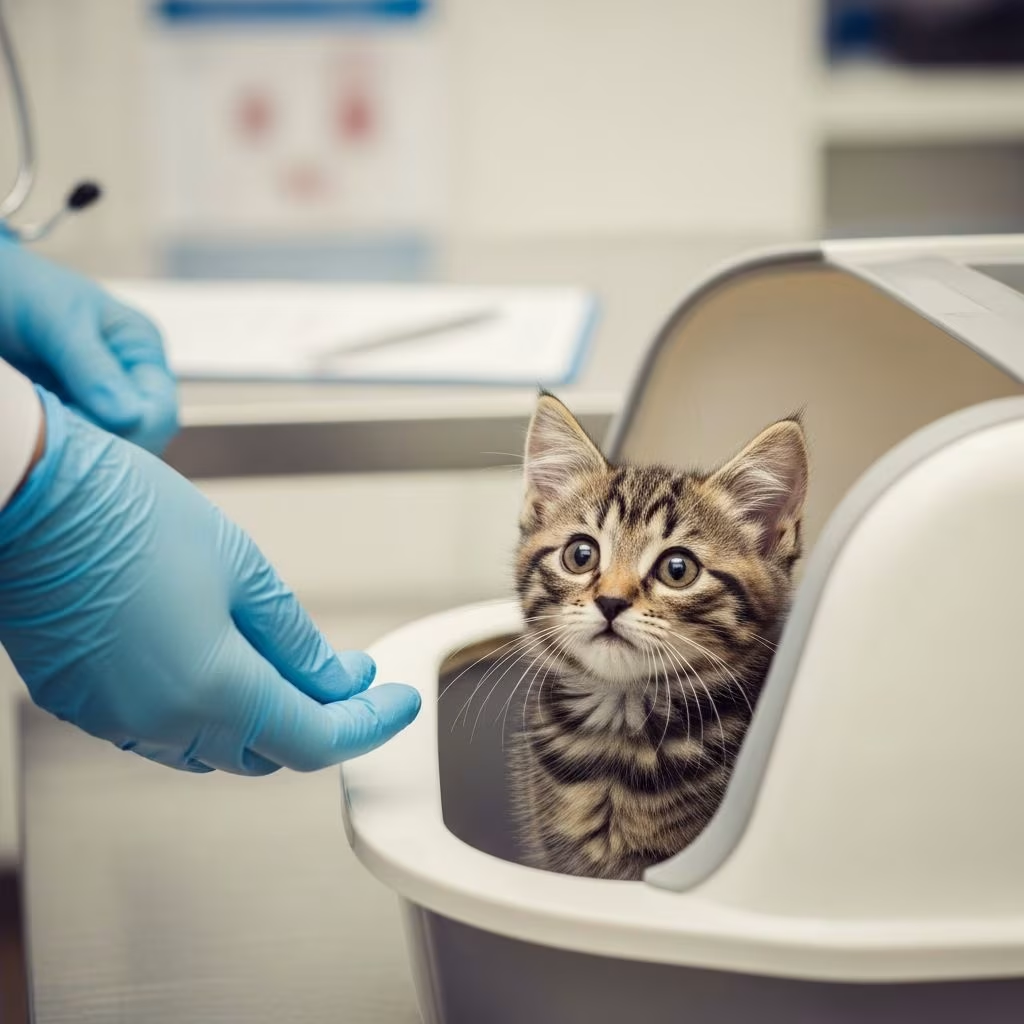
Potty training a kitten is straightforward and leverages their natural instincts, typically taking just a few days with proper guidance on litter boxes, litter selection, placement, and reinforcement.
Before You Start
Timing potty training to your kitten’s developmental stage ensures success. Mother cats stimulate elimination in kittens under 4 weeks old, so no litter box is needed initially. Begin introducing the litter box during weaning, around 4 to 6 weeks. For adopted adult cats, start immediately if untrained.
Prepare essentials: Provide one litter box per cat plus one extra—for two cats, use three boxes. Stock ample litter, keep boxes clean daily, and place mats underneath to catch spills. Commit to positive reinforcement only; never yell or punish mistakes, as this creates fear and setbacks.
- Assess kitten age: Under 4 weeks—no training needed; 4-6 weeks—start gently.
- Litter box count: n+1 rule (n = number of cats).
- Cleaning supplies: Enzymatic cleaners for accidents.
- Rewards: High-value treats ready.
How to Potty Train a Kitten
Follow these five vet-approved steps for reliable litter box habits.
1. Choose the Correct Litter Box
Select a kitten-friendly box to avoid intimidation. Opt for shallow-sided trays around 13 x 9 inches, allowing easy entry and exit. Uncovered boxes work best initially, as kittens feel secure without enclosures. Have two identical boxes for redundancy, upgrading sizes as your kitten grows into a full-sized, possibly covered box later.
| Litter Box Feature | Kitten Recommendation | Why It Matters |
|---|---|---|
| Size | 13 x 9 inches | Comfortable for small bodies |
| Sides | Shallow (low entry) | Easy access without jumping |
| Cover | Uncovered | Reduces fear of confinement |
| Quantity | Two minimum | Backup if one is dirty |
2. Pick the Correct Litter
Kittens explore with their mouths, so choose non-toxic, chemical-free litter. Avoid clumping varieties that could cause ingestion issues; non-clumping, fine-grained litters mimic sand for instinctive digging. Trial different textures, as preferences vary—some prefer clay, others pine or paper-based.
- Safe options: Unscented, non-clumping clay or natural alternatives.
- Avoid: Scented, heavy chemical litters.
- Tip: Start shallow (2-3 inches) for easy digging.
3. Decide on Litter Box Placement
Location impacts usage—place boxes in quiet, low-traffic areas away from food, noise, or tempting rugs. Ensure ambient light or add a nightlight for nighttime visibility. Multiple boxes on different floors prevent territorial issues in multi-cat homes.
Ideal spots: Laundry room, bathroom corner, or dedicated cat area with privacy but accessibility.
4. Introduce Your Kitten to the Litter Box
Gently guide your kitten: Show all box locations first, then place them inside one. Demonstrate by sifting litter with your hand to trigger pawing instinct. Repeat after meals, drinks, or naps when elimination is likely. Leave some waste initially to mark scent.
- Show locations house-wide.
- Place kitten in box; let sniff and paw.
- Post-meal/nap: Reintroduce immediately.
- Scent retention: Keep first successes briefly.
5. Reward With Positive Reinforcement
Praise calmly and treat instantly upon success to link box use with rewards. For accidents, clean with enzymatic cleaners to erase scents—no scolding. If issues persist, switch litters, check cleanliness, or consult a vet for medical/behavioral causes.
Pro tip: Supervise closely; confine to one room initially with food and box nearby.
Troubleshooting Common Issues
Accidents happen—address promptly. If going outside the box:
- Clean thoroughly with enzymes.
- Observe patterns: Post-eating? Medical issue?
- Rule out UTI or parasites via vet visit.
- Try litter variety or box relocation.
Sudden regressions in older kittens may signal stress; expand space gradually once consistent.
Advanced Tips for Multi-Cat Homes
In households with multiple cats, extra boxes reduce competition. Place strategically to avoid bullying. Monitor for bullying at boxes and separate if needed.
Why Litter Box Training Beats Toilet Training
While possible, toilet training requires constant access, disrupts routines, and stresses cats without natural scratching. Stick to litter for instinctual health.
Frequently Asked Questions (FAQs)
What age to start potty training a kitten?
Begin at 4-6 weeks during weaning; instincts kick in quickly.
How many litter boxes for one kitten?
Two minimum, following the n+1 rule for reliability.
What if my kitten won’t use the litter box?
Check litter type, cleanliness, placement; vet for health issues. Use positive reinforcement only.
Can I punish accidents?
No—yelling causes fear. Clean and redirect gently.
How long does training take?
Most kittens learn in days to weeks with consistency.
Conclusion
Potty training succeeds with right setup, patience, and positivity. Proper litter boxes, safe litter, smart placement, guided intros, and rewards set kittens up for lifelong habits. Consult vets for persistent problems—your clean home awaits!
References
- How to Potty Train a Kitten: Vet-Approved Tips & Tricks — Catster. 2023-10-15. https://www.catster.com/cat-health-care/how-to-potty-train-a-kitten/
- How to Train Your Cat: Vet-Approved Cat Training Guide — Catster. 2023-11-20. https://www.catster.com/cat-health-care/how-to-train-your-cat/
- Can I Toilet Train My Cat? Vet-Reviewed Pros & Cons — Catster. 2024-02-10. https://www.catster.com/cat-health-care/can-i-toilet-train-my-cat/
- How to Train Your Kitten to Use the Litter Box: 7 Vet-Approved Tips — Catster. 2024-05-05. https://www.catster.com/cat-behavior/how-to-train-your-kitten-to-use-the-litter-box/
- Association of American Veterinary Medical Colleges (AAVMC) Feline Behavior Guidelines — AAVMC. 2024-01-01. https://www.aavmc.org/assets/site_19/files/2024-feline-behavior-guidelines.pdf
- American Veterinary Medical Association (AVMA) Litter Box Recommendations — AVMA. 2023-08-15. https://www.avma.org/resources-tools/pet-owners/petcare/litter-boxes



