

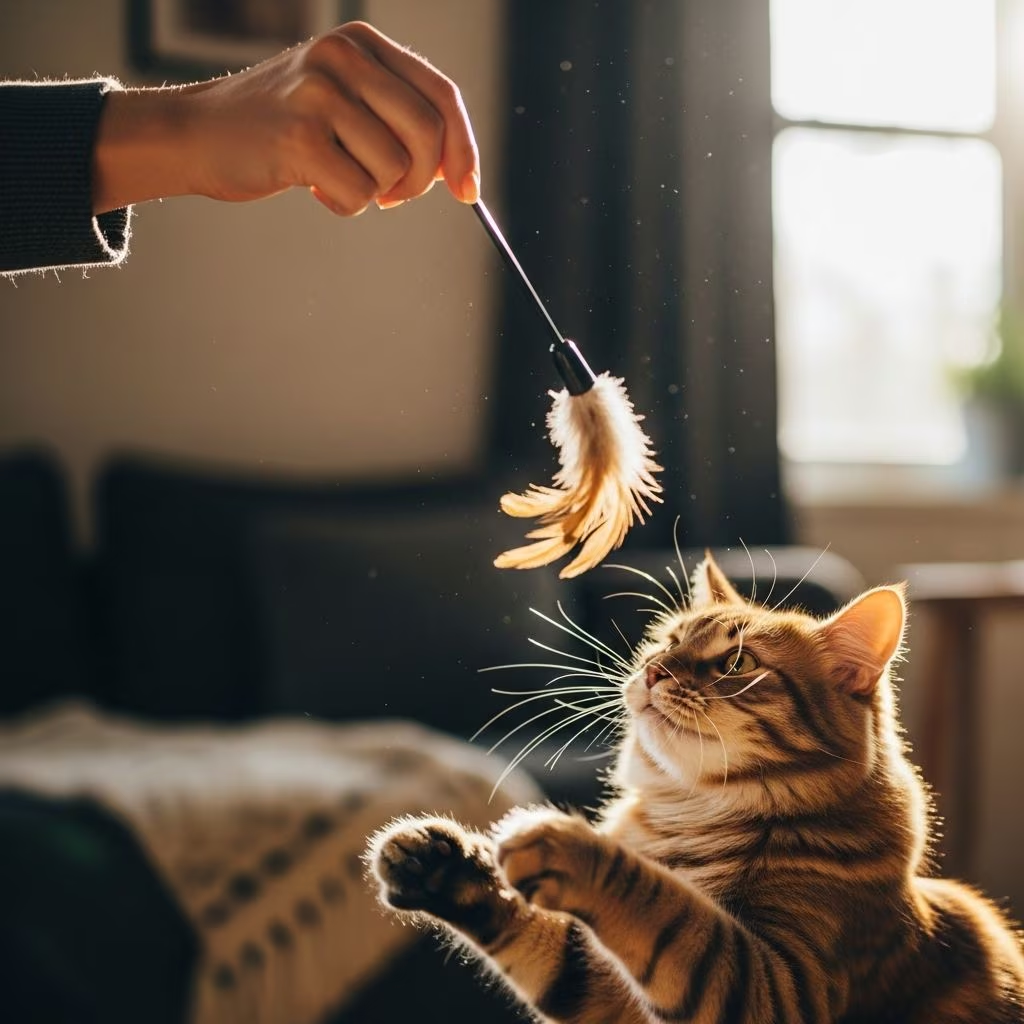
Playing with your cat is more than just fun—it’s essential for their physical health, mental stimulation, and emotional well-being. Dr. Mikel Delgado, a certified applied animal behaviorist and cat behavior consultant, emphasizes that interactive play mimics natural hunting behaviors, helping cats burn energy, reduce stress, and strengthen the human-feline bond. In her book How to Play With Your Cat: The Essential Guide to Interactive Play for a Happier, Healthier Feline, Delgado outlines why play rivals basic needs like food and litter in importance.
Many cat parents underestimate play, assuming toys alone suffice. However, Delgado stresses that cats thrive on one-on-one sessions with humans, especially kittens, to prevent bad habits like attacking hands or feet. This comprehensive guide covers the four types of cat play, toy selection, play session strategies, common pitfalls, and expert tips to make playtime a daily highlight for your cat.
Why Play is Essential for Cats
Play isn’t optional; it’s a cornerstone of feline health. Cats are natural predators, and play replicates the hunt, providing exercise, mental challenges, and endorphin release similar to human workouts. Delgado notes, “Play is just as important as having something to scratch, access to food, or clean litter boxes—it’s instinctive.”
Benefits include:
- Physical fitness: Burns calories, builds muscle, prevents obesity.
- Mental stimulation: Sharpens hunting skills, reduces boredom-induced behaviors like excessive meowing or scratching furniture.
- Emotional health: Lowers anxiety, improves mood via endorphins.
- Behaviour prevention: Redirects wild energy in kittens, curbing habits like pouncing on humans.
- Bonding: Fosters trust and affection, as cats associate you with positive experiences.
Neglecting play can lead to problems like destructive scratching, night-time zoomies, or aggression. Delgado observes that new kitten owners often complain of “wild” behavior—curtain climbing, hand-biting—which stems from unmet play needs.
The Four Types of Cat Play
Delgado categorizes play into four essential types, each fulfilling different instincts. Understanding these helps tailor sessions to your cat’s preferences.
Locomotive Play
This involves movement and chasing, like running after a laser or string. It satisfies the drive to pursue fast-moving prey, ideal for high-energy cats. Use wand toys to create erratic paths, mimicking fleeing rodents.
Predatory Play
The most crucial, this simulates the full hunt: stalk, pounce, capture, kill. Interactive toys where you control movement provide unpredictability absent in solo toys. Delgado explains, “Hunting prey is animated and evasive—not like pushing a static mouse toy”.
Object Play
Cats bat, carry, and manipulate items like balls or kicker toys. These build fine motor skills but work best alongside human interaction to animate them.
Social Play
Especially vital for kittens, this includes wrestling with siblings or humans (using toys, not hands). It teaches bite inhibition and social cues. Multi-cat homes naturally provide this, but single cats need owner-facilitated play.
| Play Type | Description | Example Toys | Benefits |
|---|---|---|---|
| Locomotive | Chasing moving objects | Laser pointers, strings | Cardio exercise |
| Predatory | Full hunt sequence | Wand toys, da bird | Hunting satisfaction |
| Object | Batting/manipulating | Balls, kickers | Motor skills |
| Social | Interaction with others | Supervised wrestling toys | Socialization |
Why Start Playing with Kittens Young?
Kittens have boundless energy and are honing life skills, making them prone to mischief. Delgado advises early play to channel instincts properly: “Nine out of ten kitten clients are ‘too wild’—climbing curtains, attacking feet. Play prevents bad habits”.
Young cats need 15-30 minutes twice daily. Focus on predatory play to teach that toys, not hands, are prey. This sets lifelong patterns, reducing adult behavior issues.
Interactive Toys vs. Solo Toys
Solo toys like mice or springs are great starters but insufficient alone. They lack the animation of live prey. Interactive play, where you move the toy, provides the thrill of pursuit.
- Solo toys: Good for independent fun, especially when you’re away.
- Interactive toys: Superior for exercise and bonding; use wands, teasers.
Tech like iPad games has a place but can’t replace hands-on sessions. Rotate toys to maintain novelty—cats bore easily.
How to Choose the Right Toys
Select based on your cat’s age, energy, and preferences:
- Kittens: Soft, lightweight; focus on object/social play.
- Adults: Durable wands, kickers for predatory bursts.
- Seniors: Gentle chase toys, avoiding high jumps.
- Features: Erratic movement, sounds, textures mimicking prey.
Recommended: Da Bird wand, laser pointers (end with ‘catchable’ toy to avoid frustration), catnip kickers. Safety first—no strings that can tangle, no small parts.
Setting Up Successful Play Sessions
Ideal sessions: 10-15 minutes, twice daily, same times for routine. Start slow, build intensity, end with ‘kill’ (cat catches toy) for satisfaction.
- Warm up with gentle movement.
- Increase speed/direction changes.
- Allow capture; praise.
- Cool down; offer treat or food to signal end.
Observe cues: Dilated pupils, crouching stalk mean engagement. Yawning or walking away? Stop.
Redirecting Play Biting and Scratching
When kittens bat hands/feet, resist petting—redirect to toys. Delgado: “Let cats approach for pets when relaxed. Use toys to puppet-master the prey”. Never punish; withdraw attention. Consistency prevents hand-as-prey association.
Common Play Mistakes to Avoid
- Using hands as toys: Encourages bites.
- Inconsistent sessions: Leads to pent-up energy.
- No ‘kill’ moment: Frustrates cats (e.g., endless laser chase).
- Overlooking solo play: Balance with interactive.
- Ignoring individual needs: Not all cats love chase; some prefer solo batting.
Play for Multi-Cat Homes
Monitor to ensure fair play; provide enough toys. Social play between cats is ideal but supervise to prevent bullying.
Adapting Play for Senior Cats
Lower intensity: Ground-level chases, short sessions. Focus on mental stimulation over vigorous exercise.
Frequently Asked Questions
How often should I play with my cat?
Twice daily for 10-15 minutes, adjusting for age and energy. Kittens need more.
What if my cat ignores toys?
Try different types; add catnip; play when hungry. Persistence builds interest.
Is laser play safe?
Yes, if ended with a capturable toy to avoid obsession.
Can play reduce aggression?
Absolutely—tires them out, redirects instincts.
What about electronic toys?
Supplementary; prioritize interactive human play.
Incorporating regular play transforms your cat’s life and your relationship. As Delgado says, it makes cats happier, healthier, and more bonded—start today for a playful tomorrow.
References
- Your Cat Really Wants You to Play With Them—Here’s How — Kinship. 2024. https://www.kinship.com/cat-behavior/how-to-play-with-your-cat-mikel-delgado
- Does Your Cat Love You? How to Interpret Bonding Behavior — Kinship. 2024. https://www.kinship.com/cat-behavior/does-my-cat-love-me
- Mikel Delgado, CAAB, CCBC — Kinship. 2024. https://www.kinship.com/about-us/mikel-delgado-caab-ccbc
- Other Writing – Dr. Mikel Maria Delgado PhD — Mikel Delgado. 2024. https://mikeldelgado.com/science-writing-and-blogging/
- What Your Cat Wants — Dr. Mikel Maria Delgado. 2024. https://whatyourcatwants.com/home



