

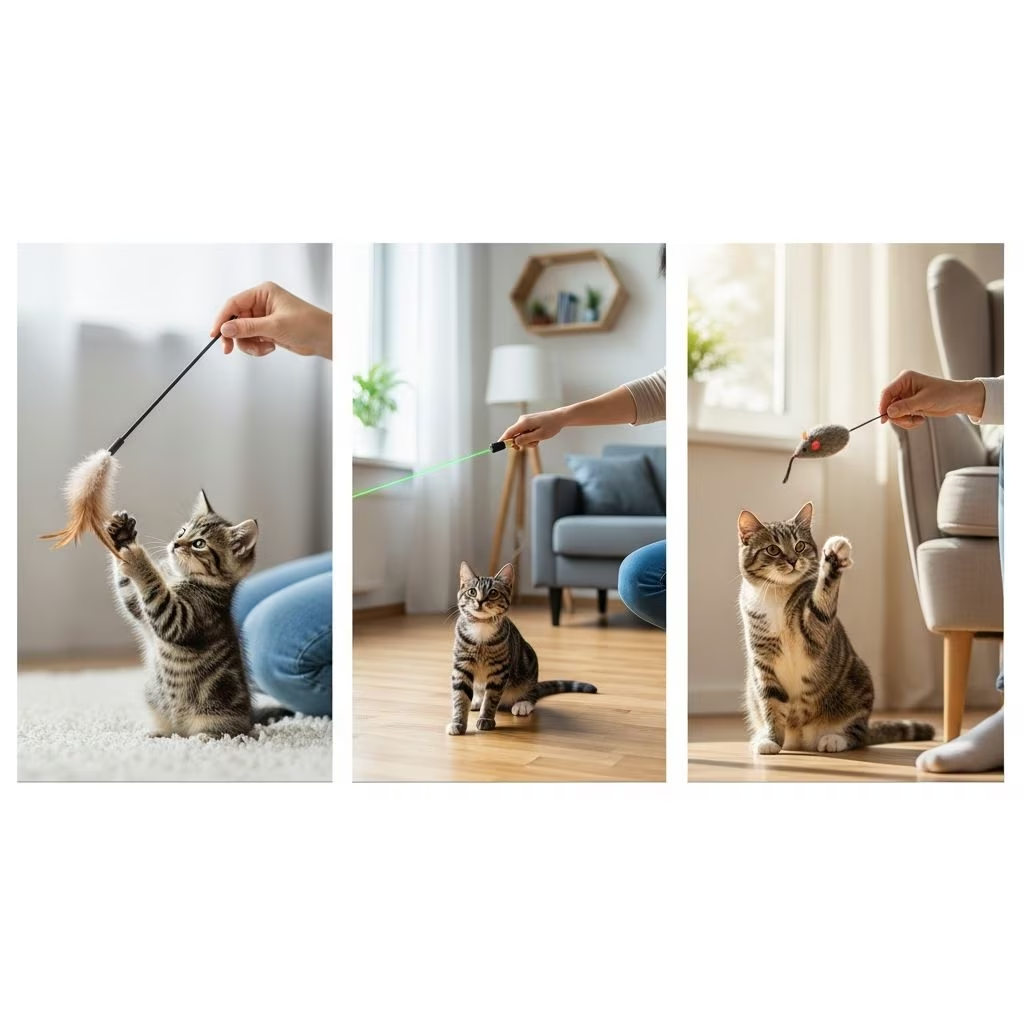
How to Play with a Cat at Every Age
Playing with your cat is more than just a fun activity—it’s essential for their physical health, mental stimulation, and emotional well-being. As cats age, their play needs and preferences change. Understanding how to engage your cat at each stage of life ensures they remain happy, healthy, and bonded with you. This guide covers the best ways to play with your cat from kittenhood to their senior years.
Kittenhood: The Foundation of Play
Kittens are bundles of energy and curiosity. Their early months are crucial for developing social skills, physical coordination, and confidence. Play during this stage helps kittens learn boundaries, build relationships, and practice hunting behaviors.
Key Play Behaviors in Kittens
- Chasing, pouncing, and batting at toys
- Exploring new environments and objects
- Wrestling and play-fighting with littermates or humans
- Learning bite inhibition and social cues
Play Tips for Kittens
- Use interactive toys like feather wands, balls, and stuffed mice to mimic prey.
- Rotate toys regularly to keep kittens engaged.
- Encourage gentle play to teach bite inhibition.
- Provide safe spaces for exploration and climbing.
- Handle kittens daily to build trust and socialization skills.
Developmental Stages of Kitten Play
| Age | Play Focus |
|---|---|
| 0–2 weeks | Neonatal: Limited play, mostly sleeping and nursing |
| 2–7 weeks | Socialization: Learning from mother and littermates |
| 7–14 weeks | Active play: Chasing, pouncing, and exploring |
| 3–6 months | Ranking: Establishing social hierarchy |
Juvenile and Adolescent Cats: The Energetic Years
As kittens grow into juveniles and adolescents (6 months to 2 years), their play becomes more complex and energetic. This stage is marked by increased curiosity, territorial behaviors, and the development of adult personality traits.
Key Play Behaviors in Juveniles and Adolescents
- Heightened exploration and territorial marking
- Increased play aggression and dominance challenges
- Learning boundaries with humans and other pets
- Developing hunting and stalking skills
Play Tips for Juveniles and Adolescents
- Use toys that encourage chasing and climbing, such as cat trees and tunnels.
- Engage in interactive play sessions to burn off excess energy.
- Redirect unwanted behaviors (like scratching furniture) to appropriate toys.
- Introduce puzzle toys to stimulate problem-solving skills.
- Supervise play with other pets to ensure safety and positive interactions.
Developmental Stages of Juvenile and Adolescent Play
| Age | Play Focus |
|---|---|
| 6–12 months | Adolescence: Increased energy and territorial behaviors |
| 1–2 years | Young adult: Establishing dominance and social hierarchy |
Adult Cats: Balancing Play and Relaxation
Adult cats (2–6 years) are typically more settled in their personalities and routines. While they may not be as hyperactive as kittens, regular play is still important for maintaining physical health and mental stimulation.
Key Play Behaviors in Adult Cats
- Short bursts of energetic play
- Preference for familiar toys and routines
- Increased independence and selective engagement
- Enjoyment of mental challenges and puzzle toys
Play Tips for Adult Cats
- Offer a mix of interactive and solo play options.
- Rotate toys to prevent boredom.
- Incorporate puzzle feeders and treat-dispensing toys.
- Respect your cat’s independence and allow them to choose when to play.
- Monitor for signs of overstimulation or stress.
Developmental Stages of Adult Cat Play
| Age | Play Focus |
|---|---|
| 2–6 years | Prime: Balanced play and relaxation |
Mature and Senior Cats: Gentle Play for Comfort
Mature (7–10 years) and senior (10+ years) cats tend to be less active and may prefer quieter, more gentle forms of play. However, play remains important for maintaining mobility, mental sharpness, and emotional well-being.
Key Play Behaviors in Mature and Senior Cats
- Short, low-energy play sessions
- Preference for soft toys and gentle interaction
- Increased napping and resting between play
- Enjoyment of cuddling and lap time
Play Tips for Mature and Senior Cats
- Use soft toys like plush mice or crinkle balls.
- Engage in gentle interactive play, such as slow wand movements.
- Provide cozy spaces for napping and resting.
- Monitor for signs of discomfort or fatigue.
- Encourage mental stimulation with puzzle toys or treat games.
Developmental Stages of Mature and Senior Cat Play
| Age | Play Focus |
|---|---|
| 7–10 years | Mature: Gentle play and relaxation |
| 10+ years | Senior: Comfort-focused play and cuddling |
FAQs: Playing with Cats at Every Age
How often should I play with my cat?
Play frequency depends on your cat’s age and energy level. Kittens may need several short play sessions daily, while adult and senior cats may prefer one or two sessions per day.
What toys are best for each age?
Kittens enjoy interactive toys like feather wands and balls. Adult cats may prefer puzzle toys and treat-dispensing games. Senior cats often enjoy soft toys and gentle interactive play.
How can I tell if my cat is overstimulated?
Signs of overstimulation include flattened ears, tail flicking, growling, or attempting to escape. If you notice these behaviors, give your cat space and time to calm down.
Is it normal for older cats to play less?
Yes, older cats naturally become less active and may prefer shorter, gentler play sessions. However, regular play is still important for their health and well-being.
Can I play with my cat if they have health issues?
Yes, but adjust play to your cat’s abilities and comfort level. Consult your veterinarian for guidance on safe play activities for cats with health concerns.
References
References
- Developmental Stages of Kitten Behavior — PAWS. https://www.paws.org/resources/developmental-stages-of-kitten-behavior/
- The Four Life Stages of a Cat — Cat Friendly Homes. https://catfriendly.com/life-stages/
- Cat Life Stages & Behavior by Age — Fresh Step. https://www.freshstep.com/cat-care/the-6-life-stages-of-your-feline/



