

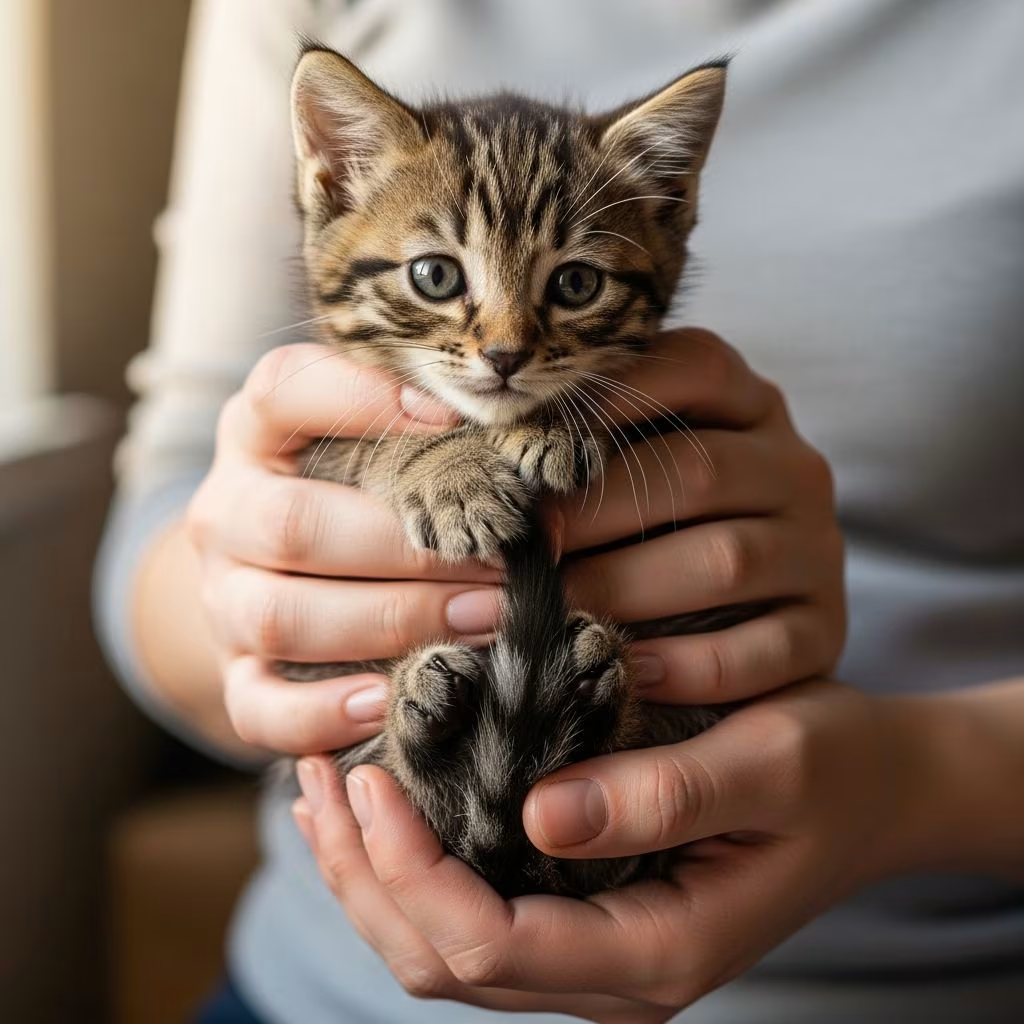
How to Pick Up & Hold a Kitten: 7 Expert Tips for Safe Handling
Congratulations on recently adopting a kitten or caring for a litter of young ones! Between their adorable meows and playful antics, kittens have an undeniable charm that makes it nearly impossible to resist picking them up and cuddling them. However, while kittens often engage in rough-and-tumble play with their littermates, they remain surprisingly delicate creatures that can suffer serious injuries if not handled with proper care and technique. Understanding how to safely pick up and hold your kitten is essential for preventing accidental harm while strengthening the bond between you and your furry companion. This comprehensive guide will walk you through proper kitten handling techniques that prioritize both safety and comfort.
Why Proper Kitten Handling Matters
Kittens are fragile animals with developing bones and joints that are easily injured. Their delicate bodies require special attention when being handled. Learning the correct technique for picking up and holding your kitten helps prevent common injuries such as broken bones, dislocated joints, and internal injuries that can occur from improper handling. Beyond physical safety, the way you handle your kitten significantly impacts their socialization and relationship with humans, setting the foundation for a well-adjusted adult cat.
The 7 Ways to Pick Up & Hold a Kitten
1. Let Them Know You’re Coming
Cats are creatures that generally dislike surprises, and kittens are no exception. Before attempting to pick up your kitten, spend a few minutes interacting with them and allowing them to become aware of your presence. Talk to your kitten in a calm, gentle voice so they can hear you approaching. Cats listen to our voices, and while they may seem to ignore us at times, the gentle sound of your voice helps prepare them for interaction. Offer some loving pets if your kitten comes out to greet you, establishing a positive connection before attempting to lift them. This preparatory step reduces stress and makes the kitten more receptive to being picked up.
2. Take a Seat
Once you’ve spent a few minutes greeting your kitten, sit down and get comfortable. Picking up kittens while seated on the floor is often the best approach because it minimizes the distance they would fall if they manage to escape from your grasp and struggle free. When you’re sitting at floor level rather than standing over them, kittens feel less intimidated and more comfortable interacting with you. Most cats and kittens feel significantly more at ease with people who aren’t towering above them. This positioning also allows you to maintain better control and balance, reducing the risk of accidental drops or injuries. The secure, relaxed posture you establish by sitting helps your kitten feel safer and more willing to be handled.
3. Scoop Them Up
The technique for scooping up your kitten depends on their size. For particularly small kittens, you can pick them up by sliding one hand underneath their body with your palm facing upward and your fingers extended forward. This creates a natural platform that supports their body weight evenly. Larger kittens require a two-handed technique for proper support. Use one hand to hold your kitten from the side, positioning it right in front of their legs. Simultaneously, support your kitten’s bottom and back legs with your other hand before lifting. This dual-hand approach distributes the kitten’s weight appropriately and prevents strain on any single part of their body.
4. Support Them
After picking up your kitten, bring them close to your chest to give them a sense of security and safety. Physical contact with your body helps kittens feel protected and less anxious about being held. Don’t be alarmed if your kitten starts squirming and attempting to escape, as this is completely normal behavior. As long as your kitten does not show clear signs of stress such as crying, hissing, or intense struggling, the squirming is typically just exploratory behavior. It’s important to understand that individual kittens have varying levels of interest in human interaction. Some kittens naturally enjoy being held and cuddled, while others need more time to adjust to physical handling. Patience and understanding these individual differences will help you develop a stronger bond with your kitten.
5. Be Flexible
If your kitten refuses to cooperate with your attempts to pick them up, or if they allow you to handle them but quickly lose interest, it’s time to change your approach. Every kitten has a unique personality and preferences when it comes to handling. Make the entire experience as pleasant and positive as possible for your cat. Something tasty, like a small treat or their favorite toy, can often work wonders in getting kittens to associate being picked up with positive experiences and rewards. Try holding your pet in different positions after picking them up to discover their favorite way of being held. Some kittens prefer being cradled like a baby, while others prefer being held upright against your chest. By experimenting with different positions and being responsive to your kitten’s preferences, you’ll create a handling experience they actually enjoy.
6. Proper Holding Techniques
The best way to hold your kitten is to use both hands and arms, adjusted based on their size. Support their bottom and back feet with one hand while placing your other hand along their chest area. Keep your kitten’s entire body against your own body to help them feel more secure and supported. Maintain the kitten’s posture in a straight, upright position, as this is typically the most comfortable orientation for them. However, recognize that different kittens may have different preferences based on their personality and comfort level. If you know your kitten especially well and have established that they prefer being cradled like a baby, you can adjust accordingly. The key is providing maximum security and comfort while remaining attentive to your individual kitten’s signals.
7. Be Clear on What to Avoid
Understanding what NOT to do is just as important as knowing the correct techniques. Kittens should never be picked up by their tails or legs, as this can cause serious injuries including broken bones and dislocated joints. Similarly, avoid grabbing kittens by the loose skin on the back of their neck, a technique known as scruffing. While mother cats naturally carry their kittens by the scruff, they support the kitten’s body weight with their mouth and body in a way that humans cannot replicate safely. Never punish your kitten for squirming, scratching, or biting when they attempt to get free. Punishment is counterproductive and typically causes kittens to associate being picked up with negative consequences, making them resistant to handling in the future. Instead, respond with patience and understanding, recognizing that escape attempts are natural feline behavior.
Different Holding Positions for Different Situations
There are several holding positions you can use depending on your kitten’s comfort level and the situation. The basic hold, where you support the chest with one hand and the hindlimbs with the other, works well for most kittens and those that are building trust with you. For extra support, bring your kitten close to your chest. The baby hold, where you gently flip your kitten onto their back into the crook of your arm like you would hold a human infant, works for kittens that have a trusting relationship with you and enjoy this cradled position. This position provides security while reducing scratching ability. The shoulder hold is another option for kittens with whom you have an established trusting relationship, though not all kittens enjoy this position. To achieve this hold, position your kitten at waist level and then lean toward them to allow them to climb onto your shoulder, supporting their bottom with one hand while using your other hand to secure them firmly against your shoulder.
Setting Your Kitten Down Safely
Properly setting your kitten down is as important as picking them up correctly. Even though cats can land safely from high places due to their remarkable righting reflex, you still want to place them near a comfortable spot where they can safely hop off. Rearrange your kitten so you have one hand under their chest and the other hand supporting their hind legs, then gently lower them to the ground. This technique ensures a smooth transition and prevents them from jumping suddenly from an unsafe height. Taking time to set your kitten down properly shows respect for their safety and comfort, reinforcing positive associations with being handled.
Building a Positive Relationship Through Handling
Spending time playing with, picking up, and cuddling your kitten is critical for proper socialization and development. Through regular, positive handling experiences, kittens become comfortable and confident in their interactions with humans. This early socialization sets the stage for a lifetime of trust and affection between you and your cat. Remember that kittens are often more interested in exploring their environment than cuddling, so be prepared for wiggling and squirming. Maintain realistic expectations about your kitten’s desire to be held, and respect their boundaries while continuing to offer gentle, positive interactions.
Recognizing Signs of Stress in Your Kitten
Learning to read your kitten’s body language helps you determine when they’ve had enough of being held. Signs of stress include crying, hissing, intense struggling, tail tucking, ears flattening against their head, and dilated pupils. If you notice any of these signs, it’s time to gently set your kitten down and give them space. Respecting these signals teaches your kitten that they have some control over interactions, which actually strengthens trust over time.
Age Considerations for Handling Kittens
The age of your kitten affects how much handling they can tolerate. Very young kittens should be handled minimally and with extra care. In general, you should wait at least two weeks before regularly holding a kitten, though there may be situations where this isn’t possible. As kittens grow and develop, they can typically tolerate longer periods of handling. Always prioritize the health and safety of young kittens, especially during their first few weeks of life.
Frequently Asked Questions
Q: Can I pick up my newborn kitten?
A: While you may need to handle newborn kittens for care purposes, it’s best to minimize handling during the first two weeks of life. Their bodies are still very fragile, and excessive handling can stress both the kitten and the mother cat. Handle them only when necessary and with extreme gentleness.
Q: Why does my kitten squirm so much when I hold them?
A: Squirming is natural kitten behavior, especially in young kittens who are curious and want to explore. Not all kittens enjoy extended periods of being held. Squirming doesn’t necessarily mean your kitten is distressed unless accompanied by crying or hissing. Keep handling sessions short and positive.
Q: What should I do if my kitten scratches or bites me while being held?
A: Never punish your kitten for defensive behavior. Instead, gently set them down and give them space. Scratching and biting are your kitten’s way of communicating that they want to be released. Work on building trust gradually through short, positive interactions.
Q: How long can I safely hold my kitten?
A: Start with short holding sessions of just a few minutes, gradually increasing duration as your kitten becomes more comfortable. Pay attention to their body language and stop before they show signs of stress or discomfort. Every kitten is different in terms of their tolerance for being held.
Q: Is it safe to hold my kitten while standing?
A: While it’s possible to hold your kitten while standing, sitting on the floor is safer because if your kitten escapes, they won’t fall far. If you must hold your kitten while standing, maintain a firm but gentle grip and keep them close to your body.
Q: Can I cradle my kitten like a baby?
A: You can cradle your kitten like a baby if they enjoy this position and you have an established trusting relationship with them. However, this position isn’t comfortable for all kittens. Introduce it gradually and respect your kitten’s preferences.
Key Takeaways for Safe Kitten Handling
- Always alert your kitten to your presence before picking them up
- Sit at floor level to make kittens feel more comfortable and secure
- Use proper two-handed techniques for larger kittens
- Support the chest and hindquarters at all times
- Bring your kitten close to your body for security
- Be flexible and responsive to your kitten’s individual preferences
- Avoid picking up kittens by the tail, legs, or scruff
- Never punish your kitten for attempting to escape
- Set your kitten down gently near a safe spot
- Use regular, positive handling to build socialization
Conclusion
Learning how to properly pick up and hold your kitten is one of the most important skills you can develop as a kitten owner. By following these expert-approved techniques and remaining attentive to your kitten’s individual needs and comfort level, you’ll ensure their physical safety while building a strong foundation of trust and affection. Remember that patience, gentleness, and respect for your kitten’s boundaries are the cornerstones of positive handling experiences. Sitting on the floor increases your kitten’s comfort level and safety if they manage to escape from your arms. When the time is right, pick up your kitten and bring them close to your chest to keep them safe and provide a sense of comfort. With consistent, positive interactions and proper handling techniques, your kitten will grow into a well-socialized, confident adult cat that enjoys your companionship.
References
- How to Pick Up & Hold a Kitten: 7 Vet-Reviewed Expert Tips — Catster. 2024. https://www.catster.com/cat-health-care/how-to-pick-up-hold-a-kitten/
- How to Pick Up a Cat the Right Way: Vet-Approved Tips & Tricks — Catster. 2024. https://www.catster.com/cat-health-care/how-to-pick-up-a-cat-the-right-way/
- How Do Cats Like to Be Held? Facts & Safety Tips — Catster. 2024. https://www.catster.com/lifestyle/how-do-cats-like-to-be-held/
- How to Properly Pick Up and Hold a Cat (4 Hold Techniques) — YouTube. https://www.youtube.com/watch?v=xI2dothuLVk
- How Early Can You Hold a Kitten? Early Life & Vet-Reviewed Safety — Catster. 2024. https://www.catster.com/cat-health-care/how-early-can-you-hold-a-kitten/



