

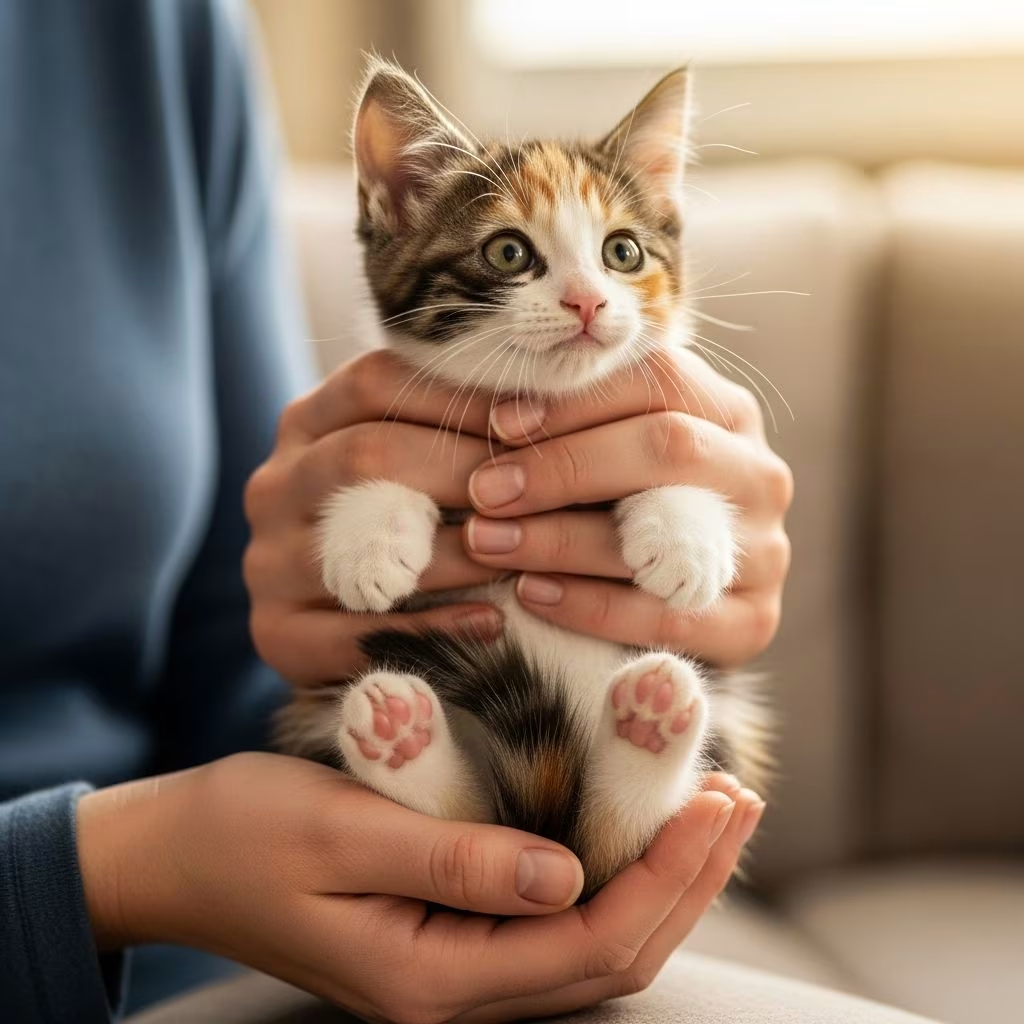
Congratulations on welcoming a kitten into your home! These tiny bundles of fur with their endearing meows and playful antics quickly capture hearts. However, despite their robust play with littermates, kittens possess delicate bodies prone to injury if mishandled. Learning the correct way to pick up and hold a kitten is essential not just for safety but also for building a strong bond and aiding socialization. This comprehensive guide provides seven vet-reviewed steps to handle your kitten confidently and compassionately, ensuring positive experiences for both you and your pet.
Proper handling from an early age helps kittens grow into confident, people-friendly cats. It prevents fear responses like scratching or hiding and promotes lifelong comfort with human interaction. Whether you’re a first-time owner or caring for a litter, mastering these techniques minimizes stress and maximizes joy. We’ll cover preparation, step-by-step methods, common mistakes to avoid, and additional tips for different kitten ages and personalities.
The 7 Ways of How to Pick Up & Hold a Kitten
Follow these seven expert-recommended steps to pick up and hold your kitten safely. Each method builds on the last, creating a seamless, low-stress process grounded in feline behavior and veterinary best practices.
1. Let Them Know You’re Coming
Cats and kittens dislike surprises, which can trigger defensive reactions like hissing or fleeing. Before attempting to pick up your kitten, announce your presence verbally. Speak in a soft, calm tone while extending a hand for sniffing. Spend 1-2 minutes petting gently if they approach, allowing them to acclimate to your scent and touch. This step is crucial for trust-building, as kittens rely on predictable interactions.
Observe body language: relaxed ears, slow blinks, and purring indicate readiness. If tails twitch rapidly or ears flatten, give more space. Consistency in this approach over days encourages kittens to associate your voice with safety, making future handling easier.
2. Take a Seat
Once your kitten seems comfortable, lower yourself to the floor and sit cross-legged or kneel. Towering over them creates intimidation, as kittens feel vulnerable from a height disadvantage. Sitting brings you to their level, reducing perceived threat and making escape safer if they wriggle free.
This position also prevents falls from high distances, protecting their fragile bones. Bonus: it facilitates play sessions beforehand, tiring them slightly for calmer holding. Veterinary experts note that floor-level interactions enhance socialization during the critical 2-7 week window.
3. Scoop Them Up
For tiny kittens under 8 weeks, slide one hand palm-up beneath their belly, fingers forward toward the chest, and lift smoothly. Larger kittens (8+ weeks) need a two-handed scoop: position one hand sideways just in front of their front legs for chest support, then cup the hindquarters and back legs with the other hand. Lift steadily without jerking.
- Key tip: Keep legs tucked close; dangling limbs cause discomfort and anxiety.
- Adapt for size: Newborns (under 2 weeks) require minimal handling—only if necessary, supporting fully.
This technique distributes weight evenly, safeguarding the spine and joints.
4. Support Them
Immediately draw the kitten to your chest after lifting. Your heartbeat and warmth provide security, mimicking a mother’s embrace. Maintain straight posture—no upside-down holds initially. If squirming occurs without distress signals (e.g., no loud cries), it’s normal exploration; hold steady but gentle.
Monitor for stress: flattened ears, dilated pupils, or intense struggling mean set them down promptly. Some kittens prefer brief holds; others enjoy longer cuddles. Chest-holding fosters bonding hormones like oxytocin in both kitten and owner.
5. Be Flexible
Not all kittens enjoy the same hold. Experiment responsibly: try the basic hold (chest and hind support), baby hold (cradled on back in arm crook for trusting kittens), or shoulder hold (cat climbs to shoulder, butt supported). Use treats or toys post-hold to create positive associations.
Flexibility accounts for personality—playful ones may prefer active holds, shy ones passive ones. If resistance persists, shorten sessions and retry later. Patience prevents aversion to handling.
6. Putting Them Down Gently
Never drop or release abruptly. Lower to chest level, bend down, and place all four paws on a soft surface before letting go. This respects their natural agility while preventing slips. If they leap early, it’s fine—cats right themselves mid-air.
End with praise or a treat to reinforce positivity. Consistent gentle put-downs build confidence over time.
7. Be Clear on What to Avoid
Avoid these dangerous mistakes to prevent injury and fear:
- Neck scruffing: Only mother cats do this; it hurts older kittens and erodes trust.
- Tail or leg grabs: Risks fractures or dislocations.
- Stomach lifts: Compresses organs, causing pain.
- Punishment: Scolding for squirming worsens behavior.
Steer clear of upside-down or dangling holds. If injured, consult a vet immediately.
Why Proper Handling Matters for Kitten Development
Handling kittens correctly supports critical socialization periods (2-12 weeks), when they learn human interaction. Poor techniques lead to fearful adults prone to aggression or hiding. Regular, positive picks build resilience, reducing vet visit stress later.
For litters, handle each daily for 5-10 minutes. Multi-cat homes benefit from consistent methods across family members.
Age-Specific Handling Tips
| Age | Handling Guidelines | Frequency |
|---|---|---|
| 0-2 Weeks | Minimal; support fully if needed (e.g., weighing). Let mother handle most. | Once daily, briefly |
| 2-8 Weeks | Short sessions; two-hand scoop always. Focus on gentling. | Multiple times daily |
| 8+ Weeks | Full techniques; introduce variations. Play before/after. | As desired, positively |
Frequently Asked Questions (FAQs)
What if my kitten scratches when picked up?
Trim nails, use gloves initially, and desensitize with play. Positive reinforcement trumps punishment.
How long should I hold a new kitten?
Start with 30 seconds, build to 5 minutes based on comfort. Watch for stress cues.
Can I pick up stray kittens?
Approach slowly; prioritize mother if present. Use towel scoop if feral.
Why does my kitten hate being held?
Possible past trauma or undersocialization. Gradual exposure with treats helps.
Is it safe for kittens to jump from arms?
Yes, from low heights; always lower gently to encourage safe habits.
Advanced Holding Techniques for Confident Cats
Once basics master, try these:
- Football hold: Tuck under arm like a football, secure for walks.
- Papoose hold: Wrap in towel for vet trips, exposing only head.
- Perch hold: On forearm, chest supported, for explorers.
Always prioritize support and consent via body language.
Socializing through handling turns kittens into affectionate companions. Practice daily, stay patient, and enjoy the process. Your careful approach ensures a lifetime of purrs and cuddles.
References
- How to Pick Up & Hold a Kitten: 7 Vet-Reviewed Expert Tips — Catster. 2023. https://www.catster.com/cat-health-care/how-to-pick-up-hold-a-kitten/
- How to Pick Up a Cat the Right Way: Vet-Approved Tips & Tricks — Catster. 2023. https://www.catster.com/cat-health-care/how-to-pick-up-a-cat-the-right-way/
- How Do Cats Like to Be Held? Facts & Safety Tips — Catster. 2023. https://www.catster.com/lifestyle/how-do-cats-like-to-be-held/
- How to Properly Pick Up and Hold a Cat (4 Hold Techniques) — YouTube (Ragdoll Cats Demo). 2020. https://www.youtube.com/watch?v=xI2dothuLVk
- How Do Cats Carry Their Kittens? & Why It Doesn’t Hurt Them — Catster. 2023. https://www.catster.com/cat-behavior/how-do-cats-carry-their-kittens/



