How to Pick the Right Rabbit for Your Home
Choose the perfect rabbit breed and make an informed decision for your family.
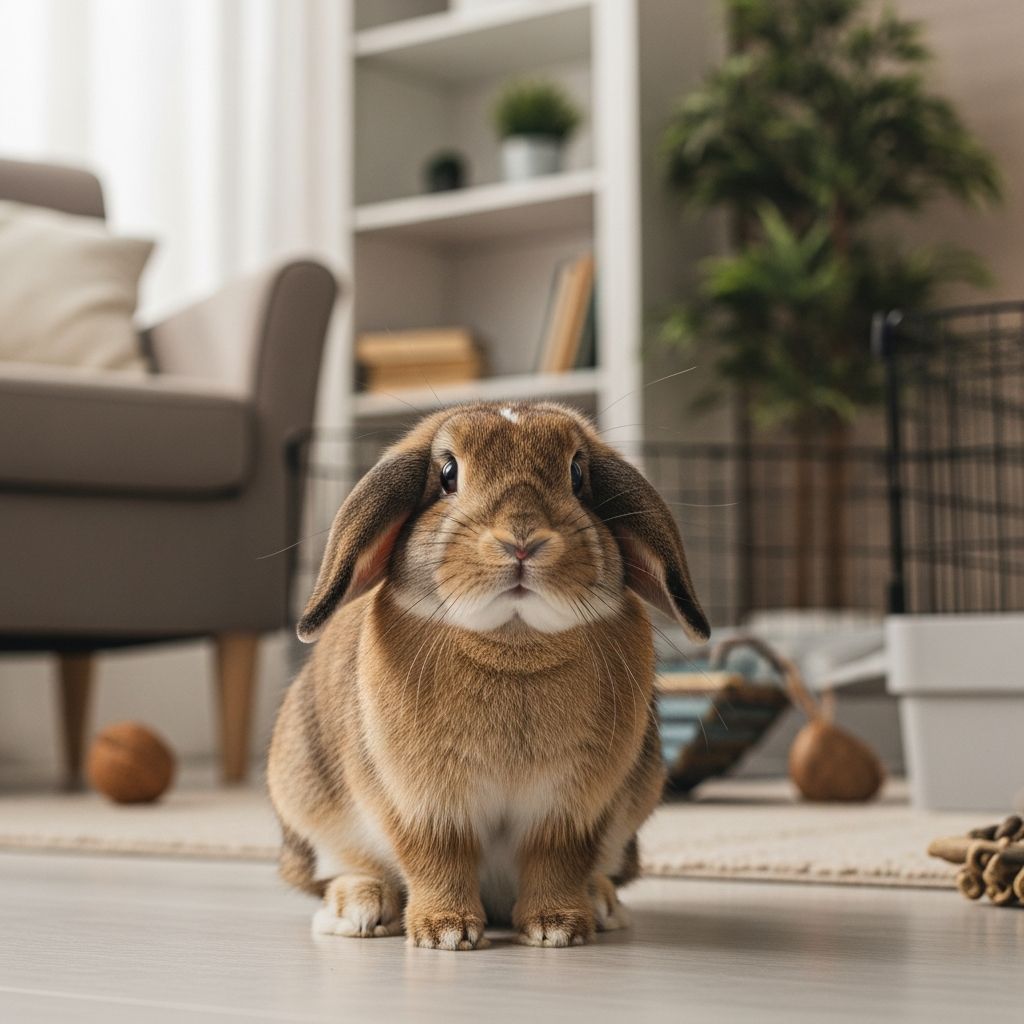
Bringing a rabbit into your home is an exciting decision that comes with significant responsibility. Rabbits make wonderful companions, but they are not one-size-fits-all pets. Each rabbit breed has unique characteristics, temperament, size requirements, and care needs that directly impact how well they’ll integrate into your family and lifestyle. Understanding these differences is crucial for making an informed decision that benefits both you and your future furry friend.
Whether you’re a first-time rabbit owner or considering adding another bunny to your household, this comprehensive guide will help you navigate the selection process. By carefully considering your living situation, experience level, and what you’re looking for in a pet, you’ll be better equipped to find a rabbit that brings joy and companionship to your home for years to come.
Important Factors to Consider Before Getting a Rabbit
Before you start researching specific breeds, take time to honestly evaluate your circumstances and lifestyle. Your home environment, daily schedule, and personal preferences will significantly influence which rabbit breed is the best fit for you.
Size and Space Requirements
Rabbit size directly correlates with the space they need. Smaller breeds can thrive in apartments or homes with limited space, while larger rabbits require more room to exercise and explore. Consider whether you want a rabbit small enough to sit comfortably in your lap or if you have adequate space for a larger breed. Rabbits need a minimum of 4 by 4 feet of space, or approximately 16 square feet, for a single rabbit, and this space should be on the floor without a wire bottom. If you have limited living space, compact breeds may be more suitable for your situation.
Temperament and Personality
Different rabbit breeds exhibit varying personality traits. Some breeds are naturally playful, social, and enjoy human interaction, while others tend to be shy, independent, or prefer solitude. Understanding whether a breed is social and outgoing or calm and reserved will help you find a rabbit whose temperament matches your expectations for interaction and companionship. Consider how much daily interaction you’re willing and able to provide, and whether you prefer an affectionate, cuddly companion or a more independent pet.
Grooming Needs
Grooming requirements vary significantly among rabbit breeds. Long-haired breeds like Angoras demand frequent brushing—potentially several times per week—to prevent matting and maintain coat health. If you don’t enjoy regular grooming tasks or lack the time, short-haired breeds would be more practical choices. Understand the grooming commitment before selecting your rabbit to ensure you can maintain their coat health appropriately.
Your Experience Level
Consider your experience with rabbits and small animals. First-time owners benefit from choosing breeds known for their calm, friendly dispositions and relatively simple care requirements. Experienced rabbit owners might feel comfortable with breeds that have more complex needs or require specialized knowledge. Being honest about your expertise level helps ensure you select a rabbit you can care for properly.
Popular Rabbit Breeds and Their Characteristics
Understanding the characteristics of popular rabbit breeds helps narrow down your options. There are over 50 domesticated rabbit breeds available, each with distinct features, temperament patterns, and care requirements. Here are some of the most popular breeds to consider:
Best for First-Time Owners
Holland Lops are consistently recommended for beginners. These rabbits are playful, friendly, and enjoy human interaction without being overly demanding. They weigh 2-4 pounds and have moderate care requirements that new owners can typically manage successfully.
Mini Rex rabbits are another excellent choice for first-time owners. Known for their gentle, calm nature and soft velvet-like fur, Mini Rex rabbits are easy to handle and bond well with their owners. Their small size (3-4 pounds) and minimal grooming needs make them particularly suitable for beginners.
Best for Families with Children
Mini Lops are outgoing, cuddly, and enjoy gentle playtime, making them ideal family pets. These social rabbits tolerate handling well when children are taught proper technique and supervised appropriately.
Dutch Rabbits are similarly social and interactive. Their distinctive appearance and friendly demeanor appeal to families, and they enjoy the kind of gentle interaction that supervised children can provide.
Best for Small Living Spaces
Netherland Dwarfs are among the smallest rabbit breeds, weighing just 1.5-2.5 pounds. These tiny rabbits do well in small apartments and can be perfectly content in a limited living space, though they still require daily exercise and play time.
Polish Rabbits are similarly compact and adapt well to smaller living environments. Their manageable size makes them practical choices for apartment dwellers or those with spatial constraints.
Best for People with Allergies
Rex and Mini Rex rabbits shed less dander than other breeds, making them better options for people with allergies. Their short, plush coat requires less frequent brushing and produces less allergen-laden dander, though no rabbit breed is completely hypoallergenic.
Best for Experienced Owners
Angora rabbits (English, French, and Giant varieties) require frequent grooming and need more attention than many other breeds. Their long, flowing coats demand several brushing sessions weekly to prevent matting and maintain coat health. These rabbits are better suited to experienced owners who understand their specialized care needs.
Other Notable Breeds
Additional popular breeds include American Rabbits, Belgian Hares, Californian Rabbits, Champagne d’Argent rabbits, Checkered Giants, English Spots, Flemish Giants, Florida Whites, French Lops, Harlequins, Havana rabbits, Jersey Woolies, Lionheads, New Zealand Rabbits, Palominos, Rex Rabbits, Satin Rabbits, Silver Martens, and Tan Rabbits. Each offers unique characteristics worth researching if you’re considering them.
The Most Affectionate Rabbit Breeds
If you’re specifically seeking an affectionate, cuddly companion, certain breeds consistently demonstrate stronger bonds with their owners and enjoy human interaction:
Holland Lop
Playful and friendly, Holland Lops genuinely enjoy human interaction and respond well to handling. They’re often called “puppy rabbits” because of their dog-like devotion to their owners. These rabbits actively seek out their humans for attention and often display playful behaviors during interaction.
Mini Lop
Outgoing and cuddly, Mini Lops enjoy being held and petted. They display affectionate behaviors and form strong bonds with their owners. Their social nature makes them excellent companions for those seeking interactive pets.
Rex Rabbit
Gentle and calm by nature, Rex rabbits bond well with their owners. Their soft velvet coat invites petting, and many Rex rabbits become deeply attached to their human caregivers, seeking out attention and enjoying quiet time together.
Key Questions to Ask When Selecting a Rabbit
Whether adopting from a rescue or purchasing from a breeder, asking the right questions helps ensure you’re making an informed decision.
Socialization and Handling
Ask how the rabbit has been socialized and whether it’s easy to handle or skittish. Understanding a rabbit’s prior exposure to humans and how comfortable it is with handling helps you determine if it matches your expectations. Additionally, inquire whether the rabbit enjoys being petted, as handling preferences vary among individuals.
Health Status
It’s your responsibility to carefully examine the rabbit and look for obvious signs of health issues. Check the eyes for clarity and freedom from discharge, examine the ears for cleanliness and signs of infection, and inspect the nose for discharge or matting. Rabbits should have clear eyes, clean ears free from sores or bumps, and noses free of discharge. A rabbit-savvy veterinarian should examine any new pet to confirm health status and identify potential issues early.
Spay or Neuter Status
A unique benefit of adopting an already spayed or neutered rabbit is knowing it’s unlikely to have hormonal behaviors and may have a more amiable personality. If adopting from a rescue, ask about the rabbit’s reproductive status and any behavioral changes noted after surgery.
Breed and Pedigree Information
A good breeder will be able to tell you the breed, whether the rabbit is purebred, the color, and if the rabbit comes with a pedigree. This information matters primarily if you plan to show or breed your rabbit. For pet rabbits, focus on understanding the breed’s characteristics and care requirements rather than pedigree status.
Housing and Living Conditions
Ask about how the rabbit has been housed and what conditions it’s accustomed to. If ethical treatment is important to you and the breeder keeps rabbits in small wire cages without regular exercise opportunities, you may prefer seeking a rabbit from a different source. Quality breeders provide appropriate housing and prioritize rabbit welfare.
Adoption vs. Purchase: Making Your Choice
You have two primary options when acquiring a rabbit: adopting from a rescue organization or purchasing from a breeder. Each path has distinct advantages worth considering.
Adopting from a Rescue
Many wonderful rabbits in shelters and rescue organizations need loving homes. Adoption typically includes spaying or neutering, basic health checks, and behavioral assessment. Staff can provide information about the rabbit’s personality and needs. Additionally, adoption saves a life and supports organizations dedicated to animal welfare.
Purchasing from a Breeder
If you’re seeking a specific breed with particular characteristics, a reputable breeder may be necessary. Quality breeders ask questions about your living situation and lifestyle to ensure their rabbits go to appropriate homes. They provide information about breed traits and care requirements. Always research breeders thoroughly and visit their facilities if possible.
Preparing Your Home for Your New Rabbit
Once you’ve selected your rabbit, prepare your home appropriately to ensure a smooth transition and safe environment.
Housing Setup
Provide adequate space in an appropriate enclosure. Many rabbit parents give their rabbit full ownership of an entire bedroom or even the house. At minimum, use a 4×4 exercise pen on the floor without a wire bottom. This setup allows your rabbit to exercise and explore safely.
Food and Water
Rabbits should be fed a diet of limited pellets, unlimited hay and a daily salad, with treats given on a limited basis. Pellets should be high quality with high fiber (18%), low fat (1-2%), low calcium and low protein. Plain, high quality pellets such as Oxbow, Sherwood, or American Pet Diner brands are best. Provide fresh water daily and ensure hay is always available.
Enrichment and Exercise
Rabbits need plenty of space to run and play, as well as toys to provide mental stimulation. Provide tunnels, hiding spots, chew toys, and play spaces. Regular exercise and mental stimulation prevent behavioral problems and support overall health.
Veterinary Care
A rabbit-savvy veterinarian is your new best friend. Rabbits are exotic pets with different needs than dogs or cats, so ensure your vet has experience with rabbits. Schedule a check-up shortly after bringing your rabbit home.
Handling and Interaction Basics
Most rabbits prefer “four on the floor” and will be more comfortable being petted on your lap or the floor. Do not allow small children to pick up your rabbit. Teach children how to properly interact with rabbits to prevent stress and injury to the animal.
Frequently Asked Questions
Q: What size rabbit should I choose?
A: Consider your living space and preferences. Dwarf breeds (1.5-3 pounds) suit small apartments, while medium breeds (3-6 pounds) need moderate space, and large breeds (6-12+ pounds) require significant room to exercise and explore.
Q: Are rabbits good pets for families with children?
A: Yes, certain breeds like Mini Lops and Dutch Rabbits are good for families. However, supervision is essential, and children must learn proper handling techniques. Avoid allowing small children to pick up rabbits.
Q: How long do rabbits live?
A: Most rabbits live 8-12 years with proper care. Some breeds may live longer. This is a significant long-term commitment that should be considered carefully.
Q: Can rabbits live together?
A: Some rabbits coexist peacefully in bonded pairs or groups, while others prefer solitude. Proper introduction and compatible personalities are essential for successful rabbit bonding.
Q: How much does rabbit ownership cost?
A: Beyond the initial purchase or adoption fee, plan for housing, food, veterinary care, and supplies. Annual costs typically range from $500-$1500 depending on your rabbit’s needs and health.
Q: What should I look for when examining a rabbit’s health?
A: Check for clear, bright eyes without discharge; clean ears without sores or bumps; a dry nose without matting; clean rear end; and a shiny coat without bald patches. Teeth should be aligned properly.
Making Your Final Decision
Choosing the right rabbit requires thoughtful consideration of your lifestyle, living situation, experience level, and what you’re seeking in a pet. Take time to research different breeds, ask detailed questions of breeders or rescue organizations, and honestly evaluate your readiness for rabbit ownership.
Whether you choose a tiny Netherland Dwarf, a playful Holland Lop, a cuddly Mini Lop, or any other breed, understanding your rabbit’s specific needs will help you provide excellent care and build a rewarding relationship. Remember that many rabbits in shelters desperately need loving homes—adoption is a wonderful option that gives a deserving rabbit a second chance at happiness.
By following this guide and making an informed decision, you’ll be well-prepared to welcome a rabbit into your home and provide the care and companionship these intelligent, loving creatures deserve.
References
- Rabbit Breed Guide: Choosing Your Ideal Pet — Rabbit Hole Hay. 2024. https://www.rabbitholehay.com/blogs/rabbit-hole-hay-blog/exploring-rabbit-breeds
- Top 7 Questions to Ask when Buying (or Adopting) a Bunny — Ohio Holland Lops. 2024. https://www.ohiohollandlops.com/what-to-ask-when-buying-a-bunny.html
- Rabbit Care Guide — Bunny Buddies. 2021. https://bunnybuddies.org/rabbit-care-guide/
- Top Ten Tips for New Bunny Owners — Ohio House Rabbit Rescue. 2024. https://www.ohiohouserabbitrescue.org/top_ten_tips_for_new_bunny_parents/
- Rabbit Care — Animal Humane Society. 2024. https://www.animalhumanesociety.org/resource/rabbit-care
- Rabbit Care Guide 101 — Rocky Hill Pet & Companion Hospital. 2023. https://www.rhpch.com/site/blog/2023/03/07/rabbit-care-guide
Similar Articles








Read full bio of medha deb