

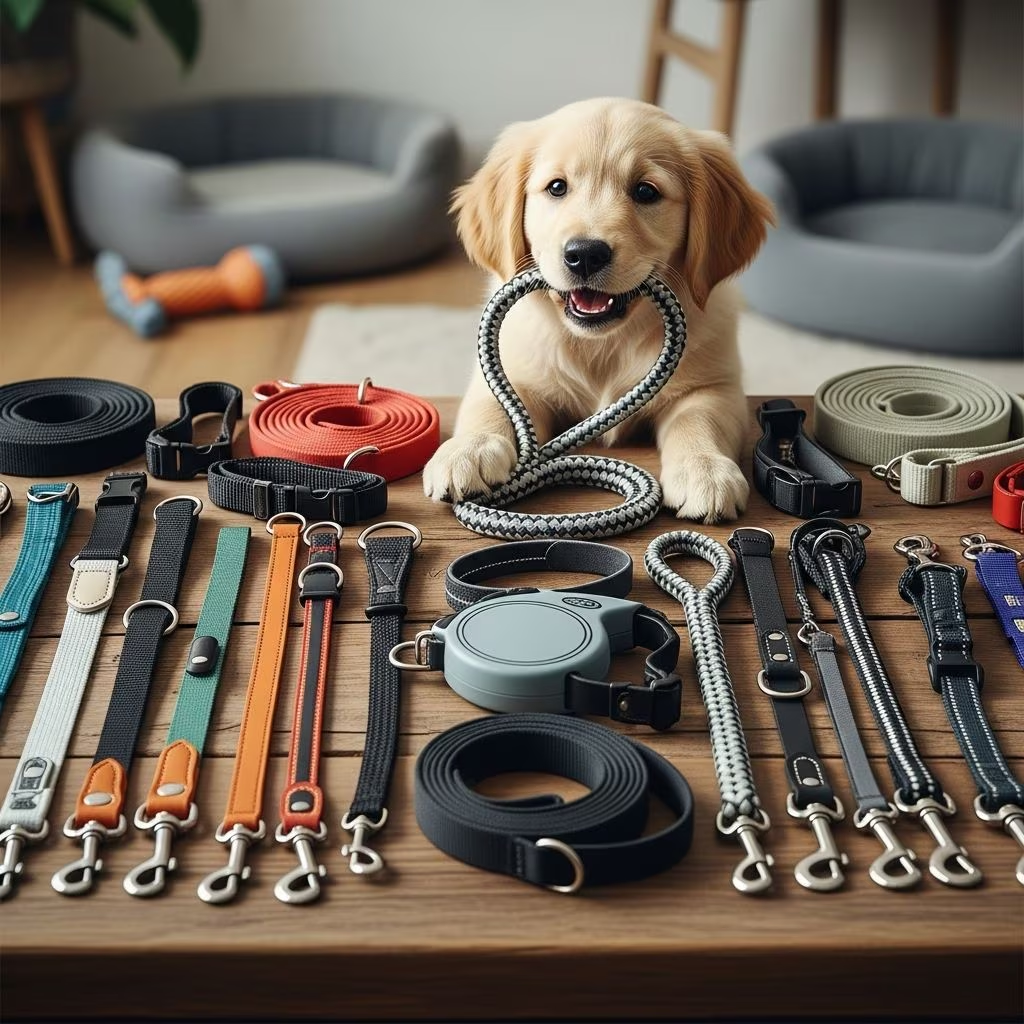
How to Pick the Best Dog Leash for Your Pooch
Choosing the right dog leash is one of the most important decisions a pet owner can make. A proper leash not only keeps your dog safe and secure during walks and outings, but it also provides you with control and peace of mind. With so many options available on the market today—from standard nylon leashes to retractable leads and hands-free bungee leashes—finding the perfect fit for your furry companion can feel overwhelming. Whether you have a small toy breed, a large athletic dog, a rambunctious puppy, or a senior companion, there’s a leash designed specifically for your needs. This comprehensive guide will walk you through the different types of dog leashes available, help you understand which options work best for various situations, and provide you with expert recommendations to ensure you make an informed decision.
Understanding Your Dog’s Needs
Before diving into the different types of leashes available, it’s essential to consider your dog’s individual characteristics. Every dog is unique, with different sizes, temperaments, training levels, and energy requirements. A leash that works perfectly for a calm, well-trained Basset Hound may not be suitable for an energetic, pulling Husky. Your dog’s age, breed, behavior, and the activities you plan to do together should all influence your leash selection. Additionally, you should consider your local leash laws, as many municipalities have specific regulations about maximum leash lengths, typically requiring leashes no longer than 6 feet during walks in public areas.
Standard Dog Leash
The standard dog leash is the most versatile and popular choice for everyday use. Often, simple is best when it comes to dog walking equipment. Standard leashes work well for the average dog and come in a variety of materials, including leather, rope, and chain options. However, nylon leashes are the most popular type because they’re durable, affordable, and available in numerous colors and sizes. Standard leashes typically measure between 4 and 8 feet in length, with 6 feet being the most common length. This length provides your dog with adequate freedom of movement while still allowing you to maintain control during walks. The 6-foot length is ideal because it strikes the perfect balance—it’s long enough to let your dog explore and move naturally, but short enough to keep you in control during unexpected situations or when you encounter other people or animals.
Best for: Most dogs, daily walks, and general training purposes.
Recommended products:
- Frisco Solid Nylon Dog Leash (6-ft long, 3/8-in wide)
- Frisco Reflective Rope Dog Leash (6-ft long)
- Soft Touch Collars Leather Braided Traffic Handle Dog Leash (6-ft, 3/4-in)
- Frisco Outdoor Heathered Nylon Leash (6-ft, 3/4-in)
Retractable Dog Leash
Retractable leashes are an excellent option if you have a well-trained dog and need extra length for exploration. These innovative leashes feature a spring mechanism that allows you to extend or retract the leash length as needed. They typically extend 16 to 26 feet, giving your dog significantly more freedom to roam and explore while still maintaining a connection to you. The retractable mechanism is controlled by a button on the handle, allowing you to quickly lock the leash at your desired length. This type of leash is particularly useful in large, open spaces like fields and beaches where your dog can safely explore without the risk of running away. However, retractable leashes require a well-trained dog who responds reliably to commands, as the extended length can make it more challenging to regain control quickly if needed. They’re also heavier than standard leashes and may cause hand fatigue during extended use.
Best for: Well-trained dogs in large, open spaces, such as fields and beaches.
Recommended products:
- Flexi Classic Nylon Tape Retractable Dog Leash (16-ft long, Medium)
- TUG Nylon Tape Retractable Dog Leash (16-ft long, Medium)
- Frisco Retractable Dog Leash (16-ft long, Small)
Slip Lead Dog Leash
A slip lead is a specialized leash that combines a collar and leash into one convenient tool. Unlike traditional leashes that attach to a separate collar, a slip lead features a loop that goes over the dog’s head, with a handle at the other end. This design makes slip leads incredibly quick and easy to put on and take off, making them ideal for emergency situations, vet visits, or working with unfamiliar dogs. Slip leads are commonly used in shelters, veterinary clinics, and rescue organizations because they allow handlers to quickly and safely control dogs without needing to fiddle with collars and clips. They’re particularly useful when you need immediate control or when working with dogs you don’t know well. Slip leads come in various materials, including rope and leather, and they provide a secure connection with minimal fuss.
Best for: Emergencies, dogs you don’t know, or at vet offices and shelters.
Recommended products:
- Frisco Reflective Rope Slip Lead Dog Leash (6-ft long, 1/2-in wide)
- Mendota Products Large Slip Striped Rope Dog Leash (6-ft long, 1/2-in wide)
- CollarDirect Rolled Leather Dog Slip Lead (6-ft long, 3/8-in wide)
- EzyDog Luca All-In-One Dog Slip Collar & Leash
Hands-Free Running and Hiking Leash
If you’re an active person who enjoys running, jogging, or hiking with your dog, a hands-free leash is an essential investment. These specialized leashes feature a waist belt or harness component that allows you to keep your hands free while maintaining control of your dog. Many hands-free leashes include bungee cord sections that absorb shock and provide flexibility, reducing strain on both your body and your dog’s neck and joints during high-impact activities. The bungee design is particularly beneficial because it allows your dog to move naturally without sudden jerks or tension changes. These leashes often have traffic handles—shorter handles positioned near the dog—that allow you to grab the leash quickly if needed during your run or hike. Hands-free leashes are perfect for runners, trail enthusiasts, and active owners who want to enjoy outdoor activities with their canine companions without being encumbered by traditional hand-held leashes.
Best for: Dogs who love runs or hikes, and active owners.
Recommended products:
- Tuff Mutt Hands-Free Bungee Leash (Gray & Blue)
- Ruffwear Roamer Polyester Running Traffic-Handle Dog Leash (7-ft long, 1-in wide)
- Frisco Hands-Free Running Dog Leash
Leash Materials: What’s Best?
The material of your dog leash significantly impacts its durability, comfort, and performance. Understanding the advantages and disadvantages of different materials will help you make the best choice for your specific needs.
Nylon Leashes
Nylon is the most popular leash material because it’s durable, lightweight, affordable, and available in countless colors and patterns. Nylon leashes are easy to clean, quick to dry, and resistant to wear and tear, making them ideal for active dogs and outdoor adventures. They’re perfect for adventure dogs because they’re tough, don’t absorb water, and are abrasion-resistant. Additionally, nylon won’t rot or mildew like natural fibers, making it a practical choice for dogs who spend a lot of time outdoors or in wet conditions.
Leather Leashes
Leather leashes are soft, durable, and provide a natural grip that actually improves with age. Many pet owners prefer leather for its aesthetic appeal and comfort. Leather leashes are gentle on your hands and become more supple and comfortable over time. However, they require more maintenance than nylon and can be damaged by water or extreme weather conditions. Leather is an excellent choice for everyday walking and training, particularly if you prioritize comfort and durability over ease of maintenance.
Rope Leashes
Rope leashes are durable and provide good grip, but they can cause rope burn on hands during extended use, particularly if your dog is a strong puller. Rope is generally less forgiving than leather or padded nylon when it comes to hand comfort. However, some people prefer the natural feel of rope and don’t mind the trade-off in comfort for durability and grip.
Biothane Leashes
Biothane is an ideal material for high-moisture conditions and tracking work. This synthetic material is moisture-resistant, provides superior grip and feel even when wet, and is incredibly durable. Biothane leashes are perfect for water-loving dogs or work in wet environments.
Leash Length Considerations
Leash length is one of the most important factors in choosing the right leash for your dog. Different situations and activities require different lengths, and understanding these distinctions will help you make the best choice.
Short Leashes (4-5 feet)
Short leashes provide maximum control and are ideal for puppy training, crowded urban environments, and situations where you need close contact with your dog. They’re perfect for training sessions and busy streets where your dog needs to stay very close to you.
Standard Leashes (6 feet)
The 6-foot length is the most common and versatile for everyday walking. It provides an ideal balance between freedom and control, allowing your dog to sniff and explore while keeping them safely close to you.
Long Leashes (8+ feet)
Longer leashes offer extra room for your dog to roam and are perfect for hiking, trail exploration, and activities in open spaces. Adjustable leashes that can switch between different lengths offer flexibility for varying needs. Some leash laws specify a maximum leash length, with 6 feet being the most common legal limit in many municipalities, so always check your local regulations.
Choosing by Dog Size and Breed
Your dog’s size and breed characteristics should significantly influence your leash choice. Different dogs have different physical capabilities and behavioral tendencies.
Small Breeds (Yorkshire Terriers, Chihuahuas)
Small breeds require lightweight leashes and harnesses that don’t cause discomfort or restrict movement. Lightweight harnesses are more comfortable and help prevent throat injury from traditional collars. A 4 to 6-foot standard leash is typically appropriate for small breeds.
Large and Strong Pulling Breeds (Labradors, Huskies, Boxers)
Strong pulling breeds require more robust leashes and often benefit from front-clip harnesses or head halters that offer better control and help reduce pulling behavior. These breeds need wider leashes with thicker, more durable materials that can withstand the force of their pull. Six-foot leashes or adjustable length leashes are commonly recommended.
Working and Athletic Breeds (Border Collies, German Shepherds)
These active, intelligent breeds thrive with adjustable or hands-free leashes that pair well with active lifestyles and dog training routines. They often enjoy longer leashes that allow them to explore while still maintaining control during training exercises.
Choosing by Age and Training Level
Your dog’s age and current training level are crucial considerations when selecting a leash.
Puppies
Start with a short 4 to 6-foot nylon leash paired with a flat collar or lightweight harness. Avoid retractable leashes during puppy training, as they can reinforce pulling behavior and make it difficult to teach proper leash manners. Short leashes give you better control during these critical training months.
Adolescents and Young Adults
Dogs in training may benefit from martingale collars, head halters, or no-pull harnesses to maintain control and reinforce good walking habits. These tools work with a standard 6-foot leash to help discourage pulling and encourage proper leash behavior.
Adult and Senior Dogs
Older dogs often do well with standard or adjustable leashes that allow slower, more controlled walks. Harnesses help support aging joints and prevent pressure on the neck, which is particularly important for senior dogs experiencing arthritis or joint issues.
Leash Features to Consider
Beyond type, material, and length, several specific features can enhance your leash experience:
Padding and Handle Comfort
Padded nylon or neoprene handles help prevent hand fatigue and offer better comfort during extended walks or runs. This is particularly important if you walk your dog for long distances or have any hand or joint issues.
Reflective Elements
Reflective materials improve visibility during low-light conditions like dawn, dusk, or nighttime walks. This safety feature is especially important if you walk your dog during early morning or evening hours.
Traffic Handles
Additional short handles positioned close to the collar attachment allow for quick, secure grips during emergency situations or in congested areas. These are invaluable for managing your dog in busy environments.
Clip Types and Attachment
Quality clips are essential for safety. Look for sturdy bolt snaps or carabiners that won’t accidentally open. The Talon Clip, for example, features a lobster-claw design that’s strong, durable, and easy to use.
Activity-Specific Leash Recommendations
| Activity | Best Leash Type | Recommended Length | Key Features |
|---|---|---|---|
| Everyday Walking | Standard Nylon or Leather | 6 feet | Durable, comfortable handle, reflective |
| Training | Standard or Short Nylon | 4-6 feet | Firm control, good weight, training handles |
| Running/Jogging | Hands-Free Bungee | 7-12 feet | Shock absorption, waist belt, traffic handle |
| Hiking | Adjustable or Long | 6-12 feet | Adjustability, durable material, hands-free option |
| Open Space Exploration | Retractable | 16-26 feet | Lock mechanism, comfortable handle |
| Emergency/Unknown Dogs | Slip Lead | 6 feet | Quick attachment, secure grip |
Frequently Asked Questions (FAQs)
Q: What is the best length for a dog leash?
A: Six feet is the most popular and versatile length for everyday walking. This length provides an ideal balance between giving your dog freedom to explore and maintaining control. However, the best length depends on your specific needs and local regulations, which often specify a maximum of 6 feet.
Q: Are retractable leashes good for training?
A: Retractable leashes are generally not recommended for puppies or dogs in training because they can reinforce pulling behavior. Standard leashes provide better control for training purposes. Save retractable leashes for well-trained dogs in open spaces.
Q: What material is best for dog leashes?
A: Nylon is the most popular choice because it’s durable, affordable, and easy to maintain. Leather is preferred by those who value comfort and durability, despite requiring more maintenance. Choose based on your dog’s activity level and your personal preferences for comfort and aesthetics.
Q: Can I use a leash for both daily walks and hiking?
A: Yes, adjustable leashes can be used for multiple activities because they allow you to change the length based on your situation. A quality 6-foot standard leash also works well for both everyday walks and casual hiking.
Q: Are hands-free leashes suitable for all dogs?
A: Hands-free leashes work best for well-trained, athletic dogs without excessive pulling behavior. They’re ideal for active owners who enjoy running or hiking. For dogs still learning proper leash manners, a standard leash with more direct control is better.
Q: What should I consider when choosing a leash for a puppy?
A: For puppies, choose a short 4 to 6-foot nylon leash with a flat collar or lightweight harness. Avoid retractable leashes, as they don’t provide the control needed for training and can reinforce pulling behaviors.
Q: Is a slip lead safe for all dogs?
A: Slip leads are safe when used properly but are best suited for emergency situations or dogs you don’t know well. For everyday use, traditional leashes with separate collars or harnesses are generally preferred for long-term comfort and safety.
References
- Choosing the Best Dog Leash — Ruffwear. 2024. https://ruffwear.com/pages/choosing-the-right-dog-leash
- How to Choose the Best Dog Leash and Collar for Your Pet — Belton Vet Clinic. 2024. https://www.beltonvetclinic.com/services/dogs/blog/how-choose-best-dog-leash-and-collar-your-pet
- Choosing a Dog Leash: What Type and Why? — Through the Leash. 2024. https://throughtheleash.com/choosing-a-dog-leash-what-type-and-why/
- Best Dog Leashes, Leads & Lines: The Ultimate Dog Trainer’s Guide — Ray Allen. 2024. https://www.rayallen.com/the-ultimate-guide-to-best-dog-leash-leads-lines-for-k9-working-dogs
- Best Dog Leashes of 2025 — Consumer Reports. 2024. https://www.consumerreports.org/home-garden/pet-supplies/best-dog-leashes-a3957057656/



