How to Pick Safe Bird Toys
Learn how to choose safe, engaging bird toys that promote health and prevent injuries.
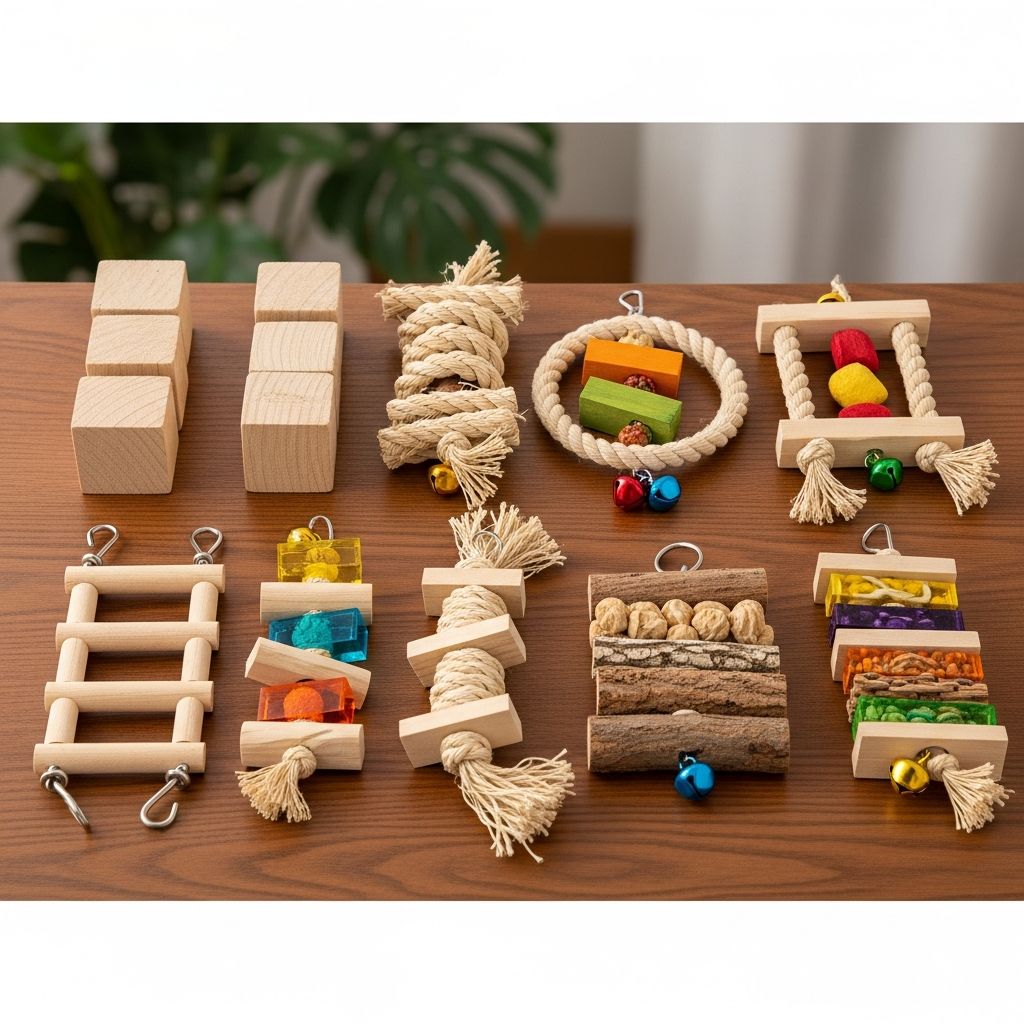
How to Pick Safe Bird Toys: A Complete Guide for Pet Bird Owners
Choosing appropriate toys for your pet bird is one of the most important responsibilities as a bird owner. Toys are not just sources of entertainment—they provide essential mental stimulation, encourage natural behaviors, and promote overall physical and psychological health. However, not all bird toys are created equal, and selecting the wrong ones can pose serious safety risks to your feathered companion. This comprehensive guide will help you understand what makes a bird toy safe and how to make informed decisions when shopping for your bird’s playthings.
Why Bird Toys Matter for Your Pet’s Health
In the wild, birds spend much of their day foraging for food, exploring their environment, and engaging in natural behaviors like climbing, flying, and socializing. Captive birds, confined to cages, can easily become bored, anxious, and develop behavioral problems without proper enrichment. Safe, engaging toys help prevent boredom-related issues such as feather plucking, aggression, and repetitive behaviors. Additionally, toys encourage physical activity and mental exercise, both critical components of a bird’s overall wellness. By selecting the right toys, you’re investing in your bird’s happiness and longevity.
Non-Toxic Materials: The Foundation of Safe Bird Toys
The most critical factor when selecting bird toys is ensuring they are made from non-toxic, bird-safe materials. Many toys on the market contain dangerous substances that can poison your bird or cause serious health complications. Understanding which materials are safe and which should be avoided is essential for responsible bird ownership.
Safe Metal Components
Metal hardware and components in bird toys require careful consideration. The best choice for bird toys is stainless steel, which is durable, non-toxic, and resistant to rust. Stainless steel components won’t leach harmful chemicals into your bird’s system, even with aggressive chewing. Nickel-coated metals can also be safe options when properly applied. However, avoid any toys that contain:
- Lead-based paint or coatings
- Zinc-coated metals
- Galvanized materials
- Open chain links that can cut toes and create sharp edges
When selecting toys with chains, ensure the links are welded rather than open, and that they are appropriately sized for your bird to prevent toe entrapment.
Safe Wood Options
Wood is one of the most popular materials for bird toys because it encourages natural chewing behaviors and is renewable. However, not all woods are safe for birds. Always select untreated, pesticide-free woods that have not been exposed to harmful chemicals or fertilizers. Safe woods include:
- Untreated pine
- Manzanita
- Apple wood
- Birch
- Java wood
- Balsa
- Beech
- Basswood
- Maple
- Walnut
Avoid pressure-treated woods, painted woods, and any wood that has been chemically treated. Additionally, ensure that the wood components are appropriately sized for your bird’s beak strength to prevent splintering and ingestion of wood particles.
Natural Fibers and Plant-Based Materials
Natural fibers provide excellent enrichment opportunities and are generally safe when sourced responsibly. Look for toys made from:
- Abaca fibers
- Hemp
- Sisal rope
- Coconut fibers
- Palm leaves
- Seagrass
- Bamboo
- Sola wood
- Pine cones
- Natural vines
When selecting rope toys, ensure only 100% natural fiber ropes such as cotton, hemp, jute, or sisal are used. These materials should be free from chemical treatments, dyes, or synthetic additives. Rope toys can be safe as long as they are properly maintained and supervised.
Safe Plastic Components
While some plastics can be incorporated into bird toys, careful selection is necessary. Safe plastics include acrylic and polycarbonate materials. Acrylic toys, when sized properly for your bird, are virtually indestructible and provide long-lasting enrichment. However, hard plastics should never be given to larger birds with powerful beaks, as these birds can break the plastic into sharp, cutting pieces that may cause serious internal injuries if ingested.
Materials to Absolutely Avoid
Certain materials pose serious health risks and should never be present in your bird’s toys. Avoid toys containing:
- Lead-based paints or finishes
- Zinc coating or galvanized materials
- Cheap, low-quality plastics that can shatter
- Brittle plastics prone to splintering
- Jingle bells with open designs where toes can become trapped
- Mirrors or reflective surfaces that can cause psychological issues
- Dyes that are not bird-safe or vegetable-based
Always check the toy’s packaging or manufacturer information to verify that these toxic materials are not present.
Size Appropriateness: A Critical Safety Consideration
The size of a bird toy must be carefully matched to your bird’s size and species. This is one of the most overlooked safety considerations, yet it is crucial for preventing injuries. A toy that is perfect for a small bird like a budgie can pose serious choking hazards to a large macaw, while a toy designed for large birds may overwhelm or entrap a smaller bird.
Small Bird Toys
For small birds such as budgies, canaries, and lovebirds, toys should feature small components and delicate designs. Toys should be sized appropriately to their beaks and feet to prevent choking and entrapment hazards. Small brittle plastic parts may be appropriate for these birds but would easily shatter under the powerful beak of a large parrot.
Large Bird Toys
Macaws, African grey parrots, and other large birds require robust, durable toys with larger components. Toys designed for small birds should never be offered to large birds, as their powerful beaks can destroy the materials, creating sharp fragments. Hardware such as rings and chain links must be sized so that the bird’s head cannot become stuck.
Proper Size Matching Guidelines
When selecting toys, ensure that:
- Hardware (rings, links, eyes) is appropriately sized for your bird
- No small parts can be removed and swallowed
- Rings and loops cannot allow the bird’s head to become trapped
- The toy is neither so large that it overwhelms the bird nor so small that it poses a choking hazard
- Components can withstand your bird’s beak strength without shattering
Safe Toy Design and Construction
Beyond materials and size, the overall design of bird toys must prioritize safety and prevent common injuries.
Secure Attachments
All toys should have secure, sturdy attachments that cannot come loose during vigorous play. Toys should be firmly attached to perches or cage bars with hardware that won’t fail even with heavy use. Poor attachments can cause toys to fall on your bird or create opportunities for entanglement.
Avoid Entanglement Hazards
Toys with long strings, thin ropes, or excessive lengths can wrap around your bird’s neck or feet during play, causing strangulation or circulation problems. If rope toys are included, they should be relatively short and monitored during use. As wood components are chewed away, rope length may increase, creating new hazards.
No Small, Removable Parts
Inspect toys carefully for small parts that could be removed and swallowed, including:
- Loose screws or bolts
- Small wire components
- Plastic eyes or beads
- Staples or fasteners
- Bell clappers
These items can cause serious internal injuries or blockages in your bird’s digestive tract.
Bell Selection
While bells can provide auditory enrichment, avoid jingle-type bells where toes can become caught in narrow openings. Instead, choose cow bells or liberty bell designs that are appropriately sized for your bird and sturdy enough to withstand beak pressure.
Easy Maintenance and Cleanliness
Bird toy hygiene is critical for preventing bacterial growth and maintaining your bird’s health. Toys should be easy to clean and disinfect without damage. Stainless steel, hard wood, and certain plant-based materials can be wiped down or washed regularly without deterioration. Consider the following when selecting toys:
- Can the toy be easily washed with water?
- Will the toy withstand periodic disinfection?
- Are there crevices where bacteria can hide?
- Does the toy dry quickly after cleaning?
Regularly clean toys according to manufacturer recommendations, typically weekly or bi-weekly, depending on use and your bird’s saliva levels.
Quality and Manufacturer Standards
One of the most reliable ways to ensure toy safety is to select products from reputable, quality manufacturers. As a general guideline, choose American-made toys from brands whose names you can pronounce and whose commitment to bird safety is evident. Reputable manufacturers:
- Use only the safest components in construction
- Comply with rigorous safety standards
- Source materials responsibly
- Provide detailed safety information
- Offer customer support for questions
- Stand behind their products with warranties
Supporting established, quality brands ensures that your bird receives toys made from trustworthy materials and designed with bird safety as a priority.
Toy Inspection Before and After Purchase
Before offering any toy to your bird, conduct a thorough inspection:
- Check for sharp edges or burrs that could cut soft tissues
- Verify all joints and welds are secure with no cracks
- Confirm no loose or removable parts are present
- Test the strength of attachments
- Look for signs of rust or corrosion on metal components
- Examine for splintering wood or deteriorating fibers
After your bird begins playing with the toy, continue monitoring for wear and damage. Remove any toy that shows signs of deterioration or poses a safety risk.
Observing Your Bird’s Play Style
Every bird has unique preferences and play styles. Some birds are aggressive chewers while others prefer gentler manipulation. Observe your bird’s interactions with new toys to ensure they are appropriate for continued unsupervised play. Some signs to watch for include:
- Excessive, destructive chewing that breaks toy components
- Tangling or entanglement in rope elements
- Attempts to swallow non-food items
- Excessive aggression toward the toy
- Signs of fear or stress
If your bird demonstrates unsafe play patterns with a particular toy, remove it immediately.
Different Types of Safe Bird Toys
Various toy types can provide different forms of enrichment. When selecting among these categories, ensure all safety standards are met:
Chew Toys
Chew toys satisfy your bird’s natural instinct to shred and destroy. These should be made from soft, destructible materials like untreated wood, palm leaves, or natural fibers.
Foraging Toys
Foraging toys encourage natural feeding behaviors and mental stimulation. These often hide food or treats within layers or compartments.
Climbing Toys
Climbing toys promote physical activity and exercise. Ladders, ropes, and swings made from bird-safe materials encourage movement and exploration.
Interactive Toys
Toys that encourage interaction with owners or other birds promote social engagement and cognitive development.
Creating a Safe Toy Rotation System
Rather than providing all toys simultaneously, implement a rotation system that offers variety while reducing toy clutter and overwhelming your bird. Rotate toys weekly or bi-weekly to maintain novelty and engagement. This system also allows adequate time for thorough cleaning and inspection between uses.
Frequently Asked Questions
Q: How often should I replace my bird’s toys?
A: Replace toys as they become worn, damaged, or dirty beyond repair. Most toys last several months to a year depending on use. Inspect regularly and remove any toy showing signs of deterioration immediately.
Q: Can my bird get bored with the same toys?
A: Yes, birds need variety for mental stimulation. Implement a toy rotation system to provide novelty while managing the number of toys in your bird’s space at any given time.
Q: Are DIY bird toys safe?
A: DIY toys can be safe if you use bird-safe materials and follow proper safety guidelines. However, when in doubt, purchase from reputable manufacturers to ensure safety standards are met.
Q: What should I do if my bird swallows a toy part?
A: Contact your avian veterinarian immediately. Ingested toy parts can cause serious blockages or internal injuries. Your vet may recommend imaging or other diagnostic procedures.
Q: How can I tell if a toy is appropriate for my specific bird species?
A: Research your species’ specific preferences and behaviors. Toys should match your bird’s size, beak strength, and natural instincts. When in doubt, consult with an avian veterinarian or experienced bird behaviorist.
Q: Are expensive toys always safer than budget options?
A: Not necessarily, but reputable manufacturers with higher quality standards typically produce safer toys. Read reviews, check materials, and verify the manufacturer’s safety standards rather than assuming price indicates quality.
Conclusion: Prioritizing Your Bird’s Safety
Selecting safe bird toys requires knowledge, vigilance, and commitment to your bird’s wellbeing. By understanding the importance of non-toxic materials, appropriate sizing, secure design, and regular maintenance, you can confidently choose toys that enrich your bird’s life while minimizing safety risks. Remember that your bird’s health and happiness depend on the choices you make as a pet owner. When in doubt, consult with your avian veterinarian or contact reputable toy manufacturers for guidance. By following these guidelines and maintaining a critical eye toward toy safety, you’ll provide your feathered friend with a stimulating, secure environment where they can thrive.
References
- Ultimate Guide to Safe Bird Toys for Your Pet Bird — BirdSupplies.com. Accessed November 2025. https://birdsupplies.com/blogs/news/your-guide-to-safe-bird-toys-and-weekly-inspections
- Selecting a Safe Toy for Your Bird — Avian Enrichment. Accessed November 2025. https://avianenrichment.com/index.php/learn/physical-needs/safety/selecting-a-safe-toy
- How To Choose the Right Toys For Your Birds — Squawk Box. Accessed November 2025. https://squawkboxes.com/blogs/news/how-to-choose-the-right-toys-for-your-birds
- A Guide to the Selection of Safe Toys for Your Bird — Superbird Toys. Accessed November 2025. https://superbirdtoys.com/safety.php
Similar Articles







Read full bio of medha deb