

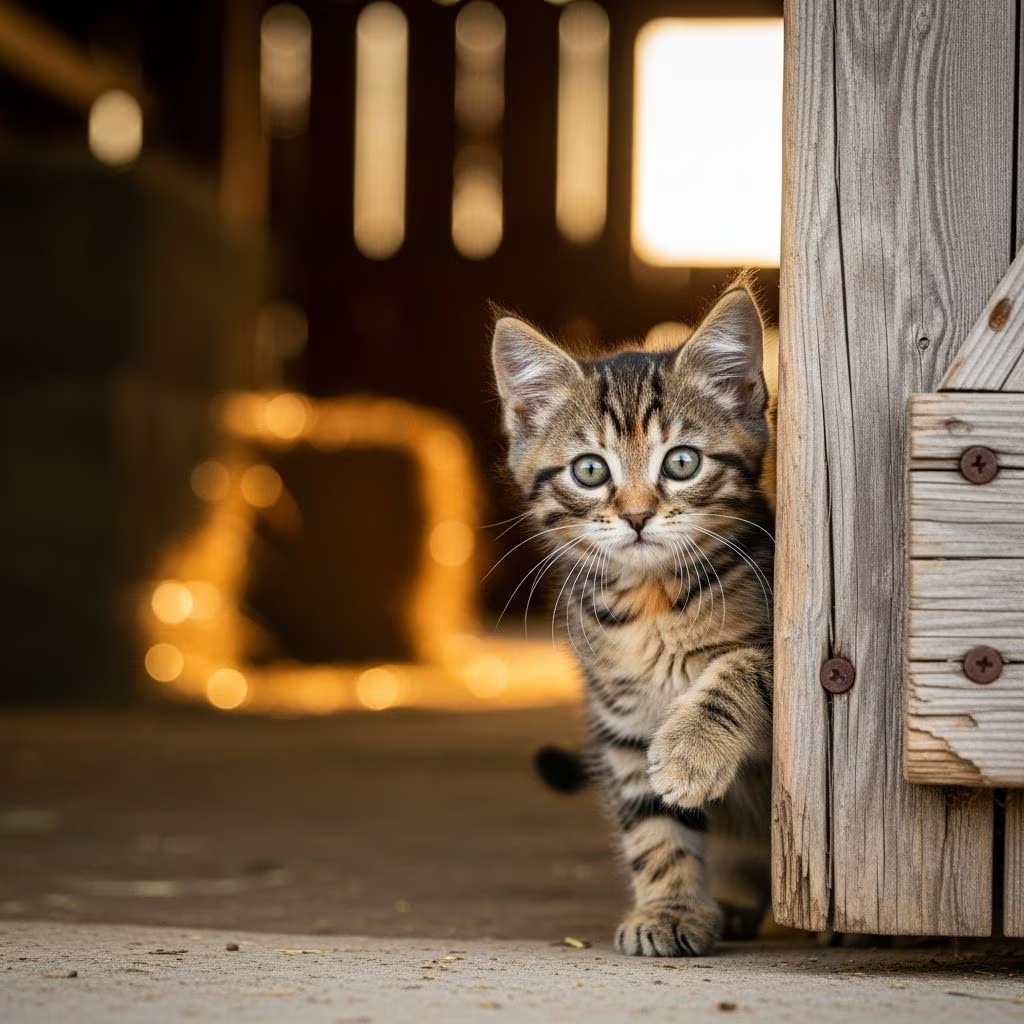
Catch That Mouse! How To Pick a Barn Cat
Barn cats serve as invaluable assets to any farm or homestead, providing natural pest control while thriving in outdoor environments. Whether you’re dealing with a rodent problem or simply want to add a skilled mouser to your property, selecting the right barn cat is essential for success. This comprehensive guide will walk you through everything you need to know about choosing, finding, and caring for a barn cat.
What Makes a Great Barn Cat?
Not all cats are suited for barn life. The best barn cats possess specific characteristics that make them excellent hunters and outdoor survivors. Understanding these traits is the first step in selecting a feline that will thrive on your property.
Key Characteristics of Excellent Barn Cats
The ideal barn cat exhibits several distinguishing qualities that set them apart from typical house cats. These felines are excellent hunters with high prey drive, maintaining constant awareness of their surroundings. They’re active, agile, athletic, and playful—constantly engaged with their environment. Physical health and strength are paramount, as barn cats must be hardy enough to withstand outdoor conditions year-round. Additionally, great barn cats are keenly aware of environmental changes, allowing them to act immediately when they spot movement like a scurrying mouse or rat.
Beyond hunting prowess, barn cats need independence and adaptability. They should be comfortable spending extended periods outdoors and not require constant human interaction. Feral or semi-feral cats often make excellent candidates because they’re already acclimated to outdoor living and possess the survival instincts necessary to thrive in a barn environment.
The Best Barn Cat Breeds
One of the most appealing aspects of barn cat ownership is that you don’t need to search for expensive purebred cats. Mixed breeds make fantastic barn cats and often outperform their purebred counterparts. Domestic shorthairs can do a wonderful job on the farm, making shelters an excellent resource for finding your next barn cat.
Breed Considerations
While any cat can potentially become a barn cat, certain characteristics make specific breeds more suitable. Longhaired cats should be avoided because they require regular grooming to prevent painful mats in their fur, which is impractical for outdoor cats. Shorthaired and mixed-breed cats are more practical choices for barn environments.
According to veterinary experts, cats labeled as “working cats” in shelters, along with those who are semi-feral, often make outstanding barn cats regardless of breed. Some farms report excellent results with calico and tortoiseshell females, which tend to be particularly skilled hunters. Orange tabby cats, while often male and very sweet, may be less focused on hunting than other color patterns.
Why Consider Multiple Cats
It’s recommended to adopt two or more barn cats rather than just one. Cats do better living in an outdoor setting with company, and two cats are twice as effective at controlling rodent populations. Additionally, multiple cats provide emotional support for one another and help create a more stable barn cat colony. A group of at least four cats, including ferals that are skilled at evading predators, creates an even more effective pest control team.
Where To Find Your Next Barn Cat
Finding the right barn cat doesn’t require purchasing from breeders. Multiple resources can connect you with cats perfect for farm life.
Adoption Sources
Sometimes barn cats find you—a stray kitty may wander onto your property and decide to call it home. However, if you’re actively seeking barn cats, several excellent resources are available:
Animal shelters and rescue organizations frequently have cats available for barn cat adoption. Many shelters and rescues operate specialized programs offering barn cats at little to no cost, making this an economical option. These experts provide invaluable guidance on selecting the right kitties and introducing them to your farm. Many shelter cats labeled as working cats or those who are semi-feral make outstanding barn cats and often do poorly in traditional shelter settings, making adoption a lifesaving opportunity.
Your local feed store, pet shop, or animal shelter can provide adoption leads. Craigslist is another platform where you can search for available barn cats in your area. When searching, specify that you’re looking for cats with outdoor experience or those already adapted to farm life.
Age Considerations
Getting a barn cat as a kitten is generally easier and more effective. Kittens will learn where home is more quickly and integrate better with your farm animals. However, older cats from shelters can also work well if they have outdoor experience. It’s crucial to ensure that any cat you adopt has been accustomed to living outdoors. A cat used to living indoors would not adjust well to outdoor life, and vice versa, so this compatibility is essential when making your selection.
The Importance of a Proper Introduction Period
Once you’ve selected your barn cat, the introduction process is critical to success. A proper introduction period—minimum four weeks—is necessary, or the cats may disappear. During this acclimation phase, confine the cats to a secure area within your barn or use a relocation crate to keep them comfortable while they adjust.
Acclimation Setup
If you have a secure room or building available, this works well for the introduction period. Alternatively, a 4′ x 4′ relocation cage can be set up in an open shed or barn. Place a quarter of a bale of straw or hay in and around the cage, then cover it with an old blanket. This arrangement reduces drafts and creates a cozy space where cats can relax and adjust to the sights, sounds, and smells of their new environment.
Handling and Socialization During Introduction
After the settling-in period, engage in minimal handling and respect the cat’s boundaries. Build routine, speak softly, and move slowly around them. This approach is especially important for feral or semi-feral cats, which may be stressed by extensive human interaction. Consistency and patience during this phase help establish trust and comfort with their new home.
Essential Barn Cat Care Requirements
Selecting the right barn cat is only the first step. Proper care ensures your cats remain healthy, safe, and effective at their job.
Shelter
Your barn cat must have clean, dry shelter from the elements and secure places where they can hide and rest. When it’s hot, cats will naturally search for the coolest spot in the barn. During cold months, self-warming or heated cat beds and outdoor cat houses provide essential comfort. Cats prefer to congregate in the upper parts of barns and outbuildings when possible, as these areas are warmer and provide more protection from predators.
Food and Water
Daily feeding and fresh water are essential for barn cat health. Always have freshwater available, especially during hot and humid seasons. In frigid regions, check regularly that water isn’t frozen and provide lukewarm water during winter. Feed your cats only during the day and remove any uneaten food to avoid attracting wildlife to your barn. Never leave food out overnight, as this can invite unwanted creatures to your property.
Litter Box Facilities
Set up one or two large litter boxes and clean them daily. Though barn cats might opt to do their business outside, there may be instances when they need to use a litter box. Conventional litter boxes, Rubbermaid containers, or plastic-lined cardboard boxes all work well. Newspaper or wood pellets are suggested for litter, though traditional clay litter also works. Avoid clumping litter, as it can become very messy and contaminate food and water bowls.
Health Care
Barn cats need essential veterinary care including spaying or neutering, deworming, rabies vaccinations, and emergency medical attention when needed. Spaying or neutering reduces fighting, marking, and straying away from home. An un-neutered male cat might tend to run away to find a mate, while an unspayed female will stray or attract other males to your farm. Feral cats are cared for the same as other barn cats, though mild sedatives may be prescribed when they need veterinary care to keep them calm.
Protecting Your Barn Cats
Creating a safe environment for your barn cats is crucial for their health and longevity. Several protective measures can significantly reduce risks.
Safety Measures
Keep barn cats enclosed in the barn at night or install microchip-activated doors to prevent intruders from entering. These devices allow your cats in and out while keeping predators away. Motion-activated lights and fences help deter predators from approaching your property. Ensure there are lots of small hiding spots for barn cats to run for cover quickly when threatened.
Protect your cats from harmful foods, medications, substances, and machinery throughout the barn and farm by ensuring everything is stored securely. Remove or secure any toxic materials, pesticides, or other hazardous substances that could poison curious cats.
Guardian Animals
Consider adopting a guardian animal such as a trained dog or a donkey who can live with the cats and help keep them safe. These animals provide additional protection against predators and can help establish a secure environment for your barn cat colony.
Spaying and Neutering Considerations
Before bringing your barn cat home, ensure they are spayed or neutered. This critical procedure reduces many behavioral issues associated with intact cats. Unneutered males tend to roam and mark territory, often leading them away from your farm. Unspayed females attract males and may wander searching for mates. Spaying and neutering help keep cats focused on their home territory and pest control duties.
Special Considerations for Feral Barn Cats
Feral cats are cared for the same as other barn cats in most respects. However, their background requires some adaptations in your approach. When feral cats need veterinary care, mild sedatives may be prescribed to help keep them calm during examinations and treatments. Respect their independent nature by minimizing unnecessary handling while still providing all necessary medical care and attention.
Home Requirements Before Adoption
Before adopting barn cats, ensure your property meets basic requirements. Your property should be a safe distance from busy roads, as vehicle traffic poses a serious hazard to outdoor cats. You must have suitable shelter like a barn, shed, or other protective structure. Your property should not have recent coyote predation issues, as this significantly threatens barn cat safety. Be prepared to provide daily food and water and secure storage for all supplies and potentially toxic materials.
Frequently Asked Questions About Barn Cats
Q: Can indoor cats become barn cats?
A: No, indoor cats cannot easily transition to barn life. Cats accustomed to living indoors lack the outdoor survival skills necessary to thrive in a barn environment. Always select cats with prior outdoor experience.
Q: How long does it take for a barn cat to adjust to a new location?
A: A proper introduction period requires a minimum of four weeks. During this time, confine your cats to a secure area so they can adjust to their new environment’s sights, sounds, and smells before being allowed to roam freely.
Q: Should I adopt one cat or multiple cats?
A: Multiple cats are preferable. Adopting two or more barn cats provides companionship, creates a more effective pest control team, and helps cats feel more secure in their new environment.
Q: Do barn cats need veterinary care?
A: Yes, barn cats need regular veterinary care including spaying or neutering, deworming, rabies vaccinations, and emergency medical care. These services ensure your cats remain healthy and protected.
Q: What should I feed my barn cats?
A: Feed barn cats daily during daylight hours and remove any uneaten food to avoid attracting wildlife. Remove food each night and always provide fresh water. Always ensure clean, dry shelter and secure storage of all food supplies.
Q: Can feral cats be barn cats?
A: Yes, feral cats often make excellent barn cats. They’re already accustomed to outdoor living and possess strong survival instincts. Many shelter cats labeled as “working cats” or semi-feral make outstanding barn cats and need homes.
Q: What size litter box should I provide?
A: Provide one or two large litter boxes. These can be conventional litter boxes, Rubbermaid containers, or plastic-lined cardboard boxes. Clean daily and use newspaper, wood pellets, or clay litter rather than clumping varieties.
Q: How can I protect my barn cats from predators?
A: Keep cats enclosed at night, install microchip-activated doors, add motion-activated lights and fences, provide small hiding spots, and consider adding a guardian animal like a trained dog or donkey.
References
- How to Pick a Barn Cat — Chewy. 2025. https://www.chewy.com/education/cat/general/how-to-pick-a-barn-cat
- How to Care for a Barn Cat: Barn Cats 101 — Barn Cat Lady. 2025. https://barncatlady.com/how-to-care-for-a-barn-cat/
- Barn Cat 101 — American Pets Alive. https://americanpetsalive.org/uploads/resources/Barn-Cat-101.pdf
- Barn Cat 101: A Handbook — Maddie’s Fund Institute. https://www.maddiesfund.org/assets/documents/Institute/APA!%20Barn%20Cat%20Handbook.pdf
- Barn Cats — South County Cats. 2025. https://www.southcountycats.org/barn-cats
- How to Raise Barn Cats — Azure Farm Life. 2025. https://www.azurefarmlife.com/farm-blog/barn%20cats



