

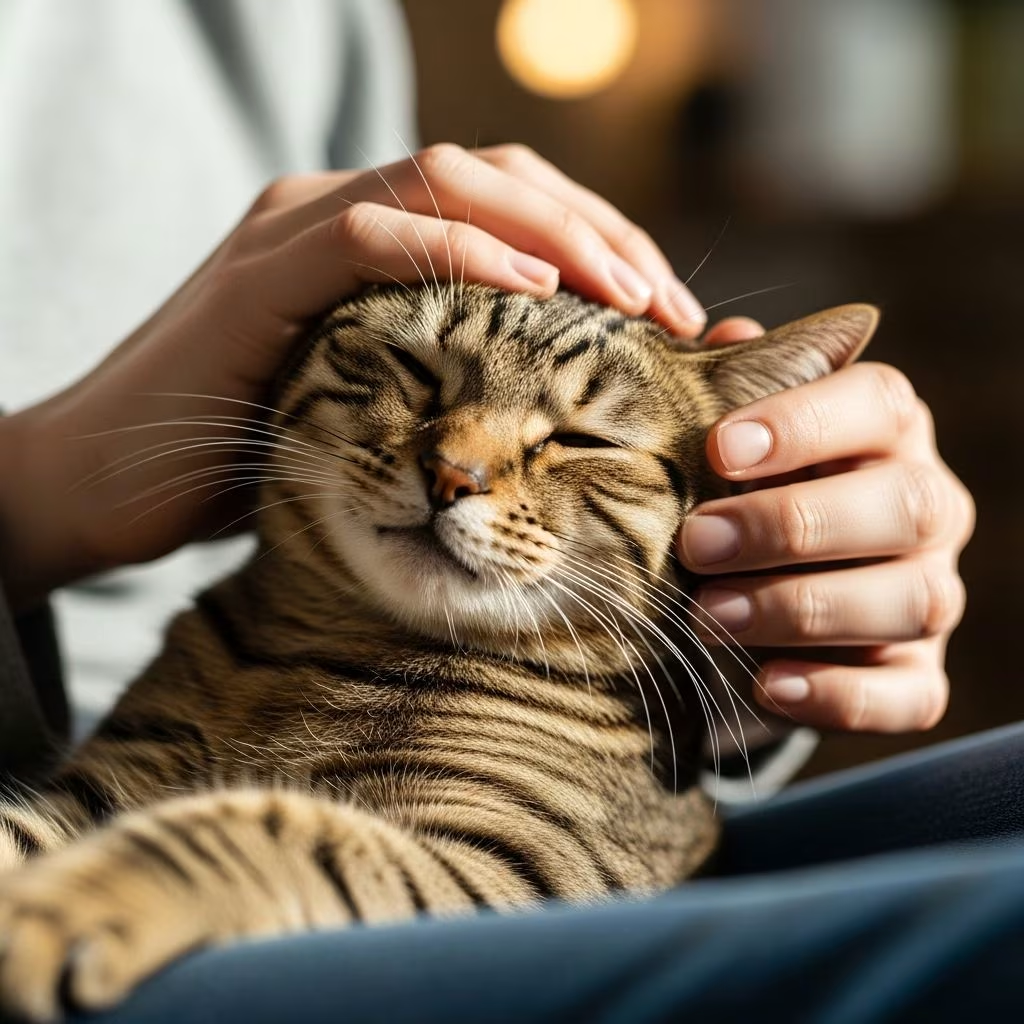
How to Pet Your Cat & Find Their Favorite Spots
Every cat has a unique personality, and while some felines are naturally affectionate and others more reserved, understanding how to pet your cat properly can significantly strengthen your bond. Cats have complex personalities with varying traits, and what works for one cat may not work for another. Rather than forcing interaction, the key is discovering your cat’s individual preferences and communication style. By learning where cats love to be touched and how to recognize their signals, you can provide affection in ways they genuinely enjoy.
Understanding Your Cat’s Unique Preferences
While many cats share common preferences for certain types of touch and specific body areas, each feline has distinct likes and dislikes when it comes to physical affection. Some cats are incredibly loving and seek out human contact regularly, while others prefer minimal interaction. The challenge for cat owners is finding the “love language” that resonates with their specific pet. Rather than assuming all cats enjoy the same type of petting, take time to observe your cat’s reactions to different types of touch and different areas of their body. This personalized approach shows respect for your cat’s boundaries and preferences, which is crucial for building trust and a healthy relationship.
Prime Petting Locations Cats Love
Under the Chin and Toward the Neck
One of the most universally loved petting spots for cats is under the chin and along the upper neck area. Most cats will eagerly rub their chin against your hand, practically inviting you to continue. This area contains scent glands that cats use to mark objects, people, and other pets as something familiar and reassuring. When you pet your cat under the chin, they’re not only enjoying the physical sensation but also engaging in a bonding behavior that makes them feel secure. Gentle scratches in this area often result in enthusiastic purring and head rubs as your cat encourages you to keep going. The combination of the sensitive nerve endings and the presence of these scent glands makes this one of the most pleasurable areas for feline affection.
The Top of the Head and Between the Ears
Many cats absolutely love having the top of their head scratched and petted. You can gently stroke your cat from the eyebrow area all the way back between and behind the ears, and most will show obvious signs of enjoyment. Behind the ears, cats have additional scent glands that release pheromones, which is why you’ll often see cats engaging in “bunting”—rubbing their head and face against objects and people. When you pet this area, you’re supporting their natural marking behavior and making them feel more connected to you. Pay attention to where your individual cat seems to enjoy the touch most, as preferences can vary. Some cats might prefer gentle strokes, while others enjoy firmer pressure and more vigorous scratching in this region.
Along the Back and Down the Spine
Many cats enjoy gentle cuddles and strokes along their back, starting from the head and moving toward the base of the tail. However, this is an area where individual preferences vary significantly. Some cats find this touch inappropriate and uncomfortable and will quickly move away or show clear signs of displeasure. When attempting to pet your cat’s back, always use gentle, slow movements and pay close attention to their body language. Always stroke in the direction of their fur growth, from head toward the tail, never in the opposite direction. Moving against the grain can irritate your cat, roughen up their carefully maintained coat, and potentially create static electricity if repeated. If your cat tenses, swishes their tail, or moves away, stop immediately and try a different area.
The Tail Base: A Sensitive and Unpredictable Zone
The base of the tail is one of the most unique and unpredictable areas when it comes to feline preferences. Some cats absolutely love gentle cuddles and rubs at the tail base, while others find this area intensely uncomfortable or even irritating. The sensitivity varies dramatically from cat to cat, and some may shy away from this type of affection because it’s simply too overwhelming for them. The key is to approach this area with extreme care and gentleness, and observe your cat’s immediate response. If they show any signs of discomfort, irritation, or attempt to move away, avoid this spot in the future. Never touch or pull on the tail itself, as this can cause pain and may result in scratches or bites. Teach children especially to understand that the tail is off-limits and pulling it can harm the cat and result in injury to the child.
The Sides of the Body
Not all cats enjoy being touched on the sides of their body, particularly near the ribcage area. However, some cats do enjoy this type of affection, especially when they’re relaxed and lying down in your lap. If your cat is purring and giving you slow blinks while you pet their sides, these are excellent signs they’re enjoying the sensation. Conversely, if your cat appears tense, flattens their ears, or moves away from your hand, this is not a preferred petting location for them. Avoid touching the belly area when petting the sides, as the belly is one of the most sensitive areas for most cats and they typically dislike touch there. Watch your cat’s body language carefully to determine if side petting is something they’ll tolerate and enjoy.
Areas to Generally Avoid
The Belly
While dogs typically show their bellies as a sign of submission and trust, cats rarely do this. The belly is an incredibly vulnerable area for cats, containing vital organs, and most felines are extremely protective of this region. The majority of cats absolutely prefer having their belly avoided and will quickly jump up, run away, or flip back over in a defensive motion if you attempt to touch their belly. Some cats are less sensitive to belly touches than others, and a small percentage might even prefer belly rubs and actively invite them by showing their bellies and asking for cuddles. However, when a cat exposes their belly, it’s not always an invitation for touch—it could also be a call for play. Watch your fingers, as a cat enjoying play might suddenly bite or scratch during a belly rub session.
The Tail
The tail itself should generally be avoided unless you know your specific cat enjoys tail touches. Never pull on a cat’s tail, as this can cause pain and injury. Many cats are extremely sensitive about their tails and will react negatively to any handling. Ensure children understand that the tail is off-limits, as inappropriate tail handling can result in scratches or bites to the child and unnecessary stress for the cat.
Recognizing Signs Your Cat Isn’t Enjoying Being Petted
Respecting your cat’s boundaries is crucial for maintaining a healthy relationship. Cats communicate their comfort or discomfort through body language, and learning to read these signals will help you know when to stop petting. If your cat pulls away, resists your touch, or attempts to scratch you, these are clear indicators that they don’t want to be petted at that moment or in that particular location. Never force interaction on a cat who is showing signs of discomfort.
Additional warning signs include:
- Flattened or pinned-back ears
- Tail swishing or thrashing
- Skin rippling on their back
- Dilated pupils
- Tensed body posture
- Hissing, growling, or chattering
- Attempting to move away or hide
When you notice any of these signs, stop petting immediately. You can try touching a different spot they enjoy, or simply try again later when your cat is in a more receptive mood. Respecting these boundaries shows your cat that you understand and value their preferences, which actually strengthens your bond over time.
Techniques for Successful Cat Petting
Use Gentle Pressure
Most cats enjoy gentle pressure and light rubs rather than vigorous petting. Experiment with different pressure levels to find what your individual cat prefers. Some cats enjoy slightly firmer strokes, particularly on the head and neck, while others prefer the lightest touch possible. Pay attention to how your cat responds to different levels of pressure and adjust accordingly.
Observe Body Language
Your cat is constantly communicating through body language. Slow blinks, relaxed ears, a gently curved tail, and purring are all signs of contentment and enjoyment. A cat that’s enjoying being petted might also knead with their paws or push their head into your hand. These positive signals indicate you’re doing something right and should continue.
Move Slowly and Deliberately
Sudden movements can startle or frighten cats. When approaching your cat for petting, move slowly and deliberately. If you’re shy or anxious about interaction, slow movements and calm energy will help your cat feel more comfortable and secure in your presence.
Let Your Cat Guide the Interaction
The most successful petting sessions often happen when cats initiate contact. When your cat comes to you, climbs onto your lap, or rubs against your hand, they’re inviting interaction on their terms. Respecting this preference builds trust and encourages your cat to seek out affection from you more frequently.
Building Trust With Shy or Anxious Cats
Some cats are naturally more fearful or anxious and require extra patience to build trust. If you have a shy cat, avoid direct eye contact initially, as this can be perceived as threatening. Instead, use slow blinks and yawns to communicate that you’re not a threat. These subtle signals have a calming effect on anxious cats. Additionally, maintaining a low position—sitting or lying down—can make you appear less intimidating. Some cats feel more comfortable when you’re at their level rather than looming above them. If your shy cat is extremely fearful of direct touch, consider using tools like a grooming brush as an intermediary. Many cats who won’t tolerate human hands will happily accept being brushed and may eventually transition to accepting direct petting.
The Benefits of Proper Cat Petting
Understanding and respecting your cat’s petting preferences provides numerous benefits beyond simple physical affection. Regular, appropriate petting can:
- Strengthen the bond between you and your cat
- Reduce stress and anxiety for both cat and owner
- Lower blood pressure and promote relaxation in humans
- Help identify health issues by feeling for lumps or abnormalities
- Provide mental and physical stimulation for your cat
- Create positive associations with human contact
- Improve your cat’s overall confidence and social behavior
Frequently Asked Questions
Q: Why does my cat sometimes enjoy petting in a spot but other times seem to hate it?
A: Cats’ preferences can change based on their mood, energy level, stress, and physical comfort. Additionally, how much petting they’ve already received can affect their tolerance. What feels good after a period of rest might feel overwhelming after several minutes of continuous petting. Always watch for signs of discomfort and respect their changing preferences.
Q: How can I tell if my cat is purring because they’re happy or for another reason?
A: While purring typically indicates contentment, especially when combined with relaxed body posture, slow blinks, and kneading, cats sometimes purr when they’re stressed, injured, or unwell. Consider the complete context of your cat’s body language and behavior, not just the purring alone.
Q: Is it normal for my cat to suddenly stop enjoying petting they previously liked?
A: Yes, cats’ preferences can change over time due to aging, changes in health, environmental stress, or simply evolving personality. If your cat’s behavior changes dramatically, consult your veterinarian to rule out medical issues. Otherwise, adapt your petting technique to match their current preferences.
Q: What should I do if my cat bites or scratches during petting?
A: This is typically a sign that your cat has reached their tolerance threshold for petting. Stop immediately and give them space. In the future, petting sessions with this cat in shorter durations and watch more carefully for early warning signs that they’re becoming uncomfortable.
Q: Can I train my cat to enjoy petting in areas they currently dislike?
A: In some cases, gradual desensitization with positive reinforcement can help cats become more tolerant of touch in sensitive areas. However, some cats’ preferences are deeply ingrained, and it’s often better to respect their boundaries rather than force change.
References
- How to Pet Your Cat & Find Special Places They Love — Catster. January 2026. https://www.catster.com/lifestyle/how-to-pet-your-cat/
- Living With a Fraidy Cat: Tips From the Field — Fear Free Happy Homes. https://www.fearfreehappyhomes.com/living-with-a-fraidy-cat-tips-from-the-field/
- The Feline Five: Factors That Affect Your Cat’s Behavior — International Cat Care (official feline welfare resource). https://icatcare.org/
- Understanding Cat Body Language and Communication — The Cat Behavior Answer Book, ASPCA. https://www.aspca.org/
- Feline Behavior and Welfare — American Veterinary Medical Association (AVMA). https://www.avma.org/



