How To Pet A Rabbit The Right Way: 3 Simple Steps For Happy Bunnies
Learn proper rabbit petting techniques to build trust and strengthen your bond with your bunny.
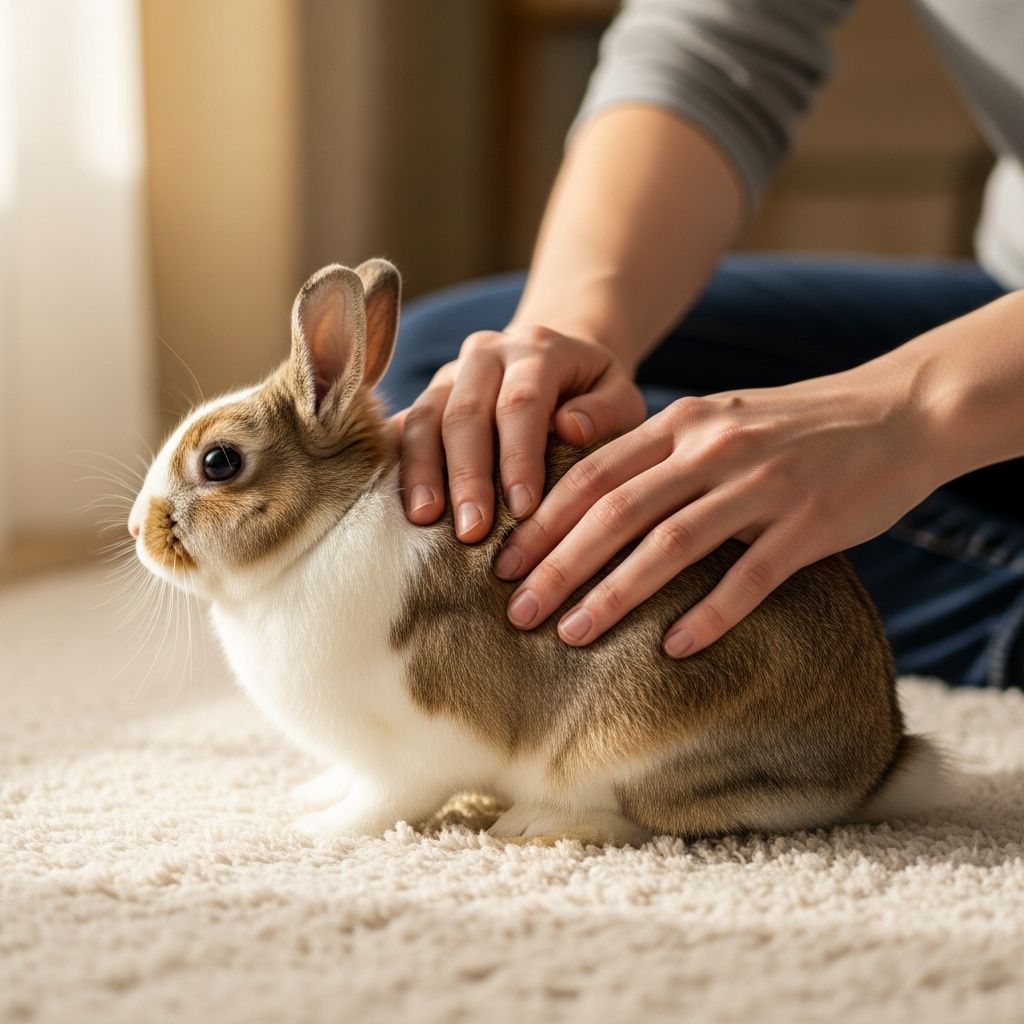
How to Pet a Rabbit the Right Way
Petting a rabbit is quite different from petting a cat or dog. Rabbits have unique sensitivities, behaviors, and preferences that require a thoughtful and respectful approach. Understanding how to pet your rabbit properly not only ensures their comfort but also strengthens the bond between you and your furry companion. This comprehensive guide will walk you through the best practices for petting rabbits, helping you create positive interactions that your rabbit will truly enjoy.
Step 1: Sit Down on the Floor
The first and most important step in petting your rabbit is to initiate what experts call the “consent test.” This approach emphasizes allowing your rabbit to have control of the interaction, which is essential for building trust. Rabbits don’t generally enjoy being picked up, so it’s crucial to avoid handling your rabbit at the start of an interaction.
If your rabbit is in their enclosure, ensure the door is open and they can exit safely on their own terms. A puppy pen works exceptionally well for this purpose, as you can simply open the door and allow your rabbit to hop out independently. This gives your rabbit the agency to decide whether they want to engage with you.
Next, sit down on the floor. This positioning is critical because it makes you less intimidating and puts you on your rabbit’s level. Allow your rabbit to approach you, sniff you, and move around you without immediately reaching out to touch them. To help your rabbit feel secure and sure-footed, place a rug on the floor and ensure the path to you is carpeted. Additionally, setting up your rabbit’s enclosure in a room where you spend time naturally encourages organic interactions and helps your rabbit feel more comfortable in that space.
Step 2: Understanding Where Rabbits Like to Be Pet
Every rabbit is unique with their own favorite spots, but certain areas are universally preferred by most rabbits. Understanding these zones is fundamental to successful rabbit petting.
Preferred Petting Areas
The Forehead: The safest and most beloved place to pet your rabbit is on their forehead. Rabbits absolutely love the sensation of being pet here. You can give them gentle scritches with your fingers or small strokes across their forehead. This area is also the easiest to reach when approaching from above your rabbit’s head, making it the perfect starting point for new interactions.
Behind the Ears: If your rabbit is comfortable being pet on the head, the next ideal area is behind their ears. This tends to be a sweet spot for rabbits and often elicits the most positive responses. You can give them a gentle massage behind their neck in this area. Many rabbits will shift their position and relax more into the floor when you pet them here, indicating their contentment. If you’re feeling particularly skillful, you can even give your rabbit a massage behind their neck with four fingers while rubbing their forehead with your thumb for a dual-action petting experience.
The Back: Once your rabbit has grown accustomed to head and ear petting, you can gradually introduce stroking down their back. To help your rabbit adjust, start with shorter strokes halfway down their back while continuing with scritches on their forehead and behind the ears. Slowly increase the length of these back-strokes until your rabbit becomes comfortable with the sensation. Once they’re used to being touched all the way down their back, you can provide a full body massage, giving scritches up and down their back until they literally “melt” into the floor.
Expanding to New Areas: You can desensitize your rabbit to new areas of their body by touching them for short periods while also petting them in ways they already enjoy. For instance, give your rabbit long strokes down their back that end at their rear, then leave your hand there briefly to acclimate them to being touched in that region. For their chest, start by massaging along the sides of their body, gradually working toward placing one hand below their chest while the other provides gentle petting. This technique helps your rabbit overcome any fear of being touched on their underside.
Step 3: Take a Break and Observe
One of the most important steps in petting your rabbit is knowing when to pause and give them space. Pet your rabbit for a few strokes and then wait for their response. Rabbits communicate their preferences through their body language and movements. If your rabbit moves toward you, that’s a clear “yes” signal to continue. If they hop away, that’s a definitive “no,” and you must stop petting immediately. Respecting these boundaries is crucial for maintaining your rabbit’s trust and ensuring they have positive associations with your touch.
Areas to Avoid When Petting Your Rabbit
Just as important as knowing where to pet your rabbit is understanding where not to pet them. Certain areas are sensitive or uncomfortable for rabbits, and avoiding these zones is essential for their wellbeing and comfort.
| Area to Avoid | Why |
|---|---|
| Belly | Even if your rabbit rolls over and exposes their belly, this is a sensitive area and should be considered off-limits. Belly exposure in rabbits often indicates trust, but they still find belly touching uncomfortable. |
| Under the Chin | While some rabbits tolerate having their cheeks pet, the area directly under the chin is usually unwelcome and may cause your rabbit to feel defensive. |
| Feet | Swift feet are a rabbit’s best defense mechanism, allowing them to escape from predators. Avoid compromising their ability to run away by not petting or handling their feet unnecessarily. |
| Blindspot (Near the Mouth) | The space near your rabbit’s mouth in the front of their face is their blindspot. Reaching into this area with your hand may startle or offend your rabbit, so approach from above and to the side instead. |
Reading Your Rabbit’s Body Language
Understanding your rabbit’s body language is essential for determining their comfort level during petting sessions. A relaxed, content rabbit will display several telltale signs that indicate they’re enjoying the interaction.
Signs of a Happy Rabbit: When your rabbit is content, you’ll notice a relaxed posture with their body settled on the ground. Many rabbits produce a soft grinding sound with their teeth, similar to a cat’s purring, which is an excellent indicator of happiness. Closed or half-closed eyes during petting are another wonderful sign that your rabbit is thoroughly enjoying themselves and feels safe in your presence.
Signs Your Rabbit Wants to Stop: If your rabbit tenses up, flicks their tail rapidly, or prepares to hop away, these are clear signals to end the petting session. Respect these cues immediately to maintain trust and ensure your rabbit continues to view interactions with you positively.
How Rabbits Show Affection
Beyond enjoying being petted, rabbits express their love and affection in various meaningful ways. Recognizing these behaviors helps you understand your rabbit’s emotional connection to you. Some rabbits will “kiss” or nuzzle their owners as a sign of deep affection. When they lie down and kick their legs back in your presence, or when they relax completely around you, these are significant indicators of trust. If your rabbit follows you around the house or seeks out your company, consider it an honor—your rabbit genuinely enjoys being near you.
Creating the Right Environment for Petting
The environment in which you pet your rabbit plays a significant role in their comfort and receptiveness. Always pet your rabbit when both of you are seated on the floor, and never squeeze your rabbit during handling. Create a calm atmosphere by using a quiet, gentle voice to soothe your rabbit as you pet them. Loud noises will startle and scare your rabbit, so turn off the television and silence your phone to avoid unnecessary negative associations during your interactions.
Remember that respecting your rabbit’s space is fundamental to building trust and connection. Proper petting is not just about the animal’s comfort; it’s a crucial component of fostering a loving bond between you and your pet.
Building Your Bond Through Proper Handling
When your rabbit becomes more comfortable with being touched, you can gradually work toward other forms of gentle handling. Begin by petting areas your rabbit is already familiar with, such as along their back and scruff, then slowly introduce your touch to new areas like behind their back legs, under their chest, and eventually their belly. This gradual approach helps desensitize your rabbit to being handled in various ways.
Correct handling involves placing one hand under your rabbit’s chest and your other hand under their hind legs. Lift your rabbit gently and hold them against your body to keep them secure, but never squeeze too tightly. If possible, avoid holding your rabbit for extended periods, as they prefer to run free and play on the ground. Being held can be quite stressful for rabbits, so keep handling sessions brief and positive.
Tips for Introducing Children to Rabbit Petting
If you have children in your home, teaching them proper rabbit petting techniques is essential. Ask your child to sit on the floor or a low seat, as bunnies will feel better and less threatened when they’re on the same level. Give your child some of your rabbit’s favorite treats or vegetables and let your rabbit come to them in their own time. This approach allows the rabbit to initiate contact and builds positive associations with the child.
Frequently Asked Questions
Q: Should I avoid touching my rabbit’s ears?
A: Contrary to popular belief, most rabbits don’t have particularly sensitive ears. While rabbits may not enjoy a full ear massage, they generally don’t mind when their ears are touched—it’s typically a neutral area for them. However, never pick your rabbit up by their ears, as this is very painful and can cause injury. Instead, learn to hold your rabbit correctly by supporting both the front and back halves of their body.
Q: How long should I pet my rabbit at one time?
A: There’s no set duration, as it depends on your individual rabbit’s preferences. Pet for a few strokes, observe their response, and let them guide the session. Some rabbits enjoy extended petting sessions, while others prefer shorter interactions. Always watch for signs that your rabbit wants to stop and respect their wishes.
Q: Can I pet my rabbit on the head if they’re not used to it?
A: Yes, but approach gradually. Start with just one pat on the forehead while giving your rabbit a treat. Continue this until they no longer shy away from your approaching hand. Once they’re comfortable with forehead touches, you can add scritches behind the ears. Consistency and positive reinforcement through treats will help them become accustomed to being pet on the head.
Q: What should I do if my rabbit tenses up when I pet them?
A: If your rabbit tenses up or shows discomfort, stop petting immediately and give them space. Wait for them to come back for a treat before trying again. Patience and respect for their boundaries are key to building trust. Over time, with consistent, gentle interactions, most rabbits will become more comfortable with petting.
Q: How can I tell if my rabbit likes being pet?
A: Signs of a content rabbit include a relaxed posture, soft grinding of the teeth (similar to purring), closed eyes, and moving closer to you for more pets. If your rabbit moves away or hops off, that’s their way of saying they’ve had enough petting for now.
References
- How To Pet Rabbits in a Way They Love — The Bunny Lady. https://bunnylady.com/how-to-pet-rabbits/
- How to Pet a Rabbit the Right Way — Chewy Education. https://www.chewy.com/education/small-pet/rabbit/petting-a-rabbit
- How To Pick Up a Rabbit — PetMD. https://www.petmd.com/rabbit/how-to-pick-up-rabbit
- How to hold a rabbit safely — PDSA. https://www.pdsa.org.uk/pet-help-and-advice/looking-after-your-pet/rabbits/how-to-hold-a-rabbit-safely
- Rabbit care — Animal Humane Society. https://www.animalhumanesociety.org/resource/rabbit-care
Similar Articles








Read full bio of Sneha Tete