

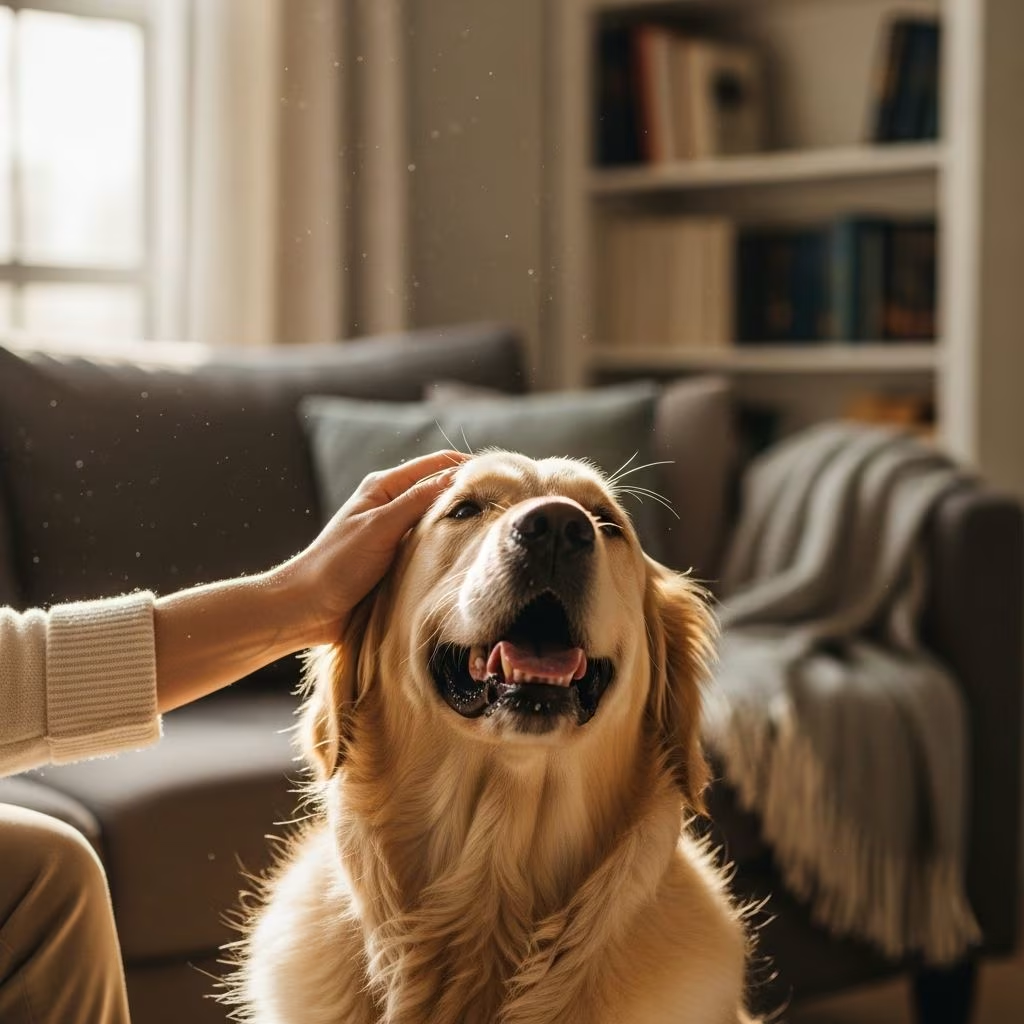
Most people love petting dogs, but not every dog loves being petted the same way, in the same places, or at the same time. Learning how to pet a dog correctly keeps both you and the dog safe, reduces stress, and strengthens your bond.
Animal behavior research shows that gentle, predictable human interaction can be rewarding for dogs, while rough or unwanted handling can increase fear, stress, and aggression. Understanding what dogs are communicating with their bodies is key to getting petting right.
Why Dogs Don’t Automatically Love Being Petted
Dogs are incredibly social, but they are not automatically comfortable with every kind of human touch. In fact, dogs rarely engage in long, full-body contact with each other outside of specific contexts, like play or huddling to sleep. Much of the way we pet dogs is uniquely human — which means it can feel wonderful, neutral, or overwhelming, depending on the dog.
Human expectations vs. canine reality
We often assume that every friendly dog wants:
- Intense hugging and squeezing
- Rapid, full-body stroking
- Head pats and face grabbing
- Automatic belly rubs whenever they roll over
But for many dogs, these things are uncomfortable or even scary, especially when coming from strangers or children.
Dogs experience touch in their own way
Research on dog–human interaction shows that gentle petting, especially in preferred areas like the chest and neck, can increase signs of relaxation and affiliative behavior, while rough handling or restraint can increase stress signals. Dogs learn from experience which kinds of touch feel safe and which do not.
How to Approach and Pet a Dog You Don’t Know
Meeting a new dog is less about your desire to touch them and more about their right to consent. Your goal is to give the dog choices and space so they can decide whether to interact.
Step-by-step approach to unfamiliar dogs
- Ask the pet parent first. Always get explicit permission before approaching or petting someone else’s dog.
- Avoid direct, looming approaches. Don’t rush up or bend over the dog. Turn your body slightly to the side and keep your movements calm and small.
- Let the dog come to you. Offer a relaxed hand at your side or slightly extended and allow the dog to sniff if they choose.
- Start with low-pressure areas. If the dog seems comfortable, pet gently under the chin, on the chest, shoulder, or neck rather than going straight for the top of the head.
- Use soft, fingertip strokes. Think slow, light touches, not hard pats or vigorous scrubbing.
- Pause frequently. Stop every few seconds and see whether the dog leans in or moves away. Their response tells you whether they want more.
What if the dog charges up to greet you?
Some dogs come bounding in, tail wagging, clearly excited. That enthusiasm is an invitation to interact, but it is not a blanket invitation to touch any way you like. Treat it like a handshake offered by a stranger — polite interest, not immediate hugging.
When a dog rushes in:
- Keep your hands low and neutral; don’t swoop over their head.
- Let them sniff your clothes and shoes before you start petting.
- Begin with brief, gentle strokes on the side of the neck or shoulders.
- Watch for over-arousal (jumping, mouthing, zooming away); make your own movements calmer if they get too worked up.
Places most dogs are more likely to enjoy being petted
- Under the jaw
- Along the side of the neck
- On the chest, between or just below the front legs
- Over the shoulders and sometimes the upper back
Areas to avoid at first include the top of the head, tail, paws, and rear end; many dogs find these more sensitive or intrusive, especially with strangers.
Common Petting Mistakes to Avoid
Even dog lovers often do things that feel overwhelming or threatening to dogs. Small changes in how you use your hands can dramatically improve the dog’s comfort.
Don’t grab their face or neck
Clasping a dog’s head in both hands, squeezing their cheeks, or wrapping your arms around their neck may feel affectionate to you, but to many dogs it feels like restraint or even a threat.
- Avoid: Two-handed face grabs, grabbing the collar area, or pulling the dog toward you.
- Instead: Use one hand, gentle strokes, and give the dog room to move away.
Avoid frantic or distracted petting
Many people absent-mindedly pet a dog while talking to someone else, tightening and speeding up their touch without noticing. Dogs often tolerate this but show signs of being ambivalent or mildly stressed, such as looking away, lip licking, or freezing.
- Bring your full attention to the dog when you touch them.
- Keep strokes slow, rhythmic, and gentle.
- Stop every few moments to see what the dog “says” with their body.
Not every belly-up pose is an invitation for rubs
Many people assume that when a dog flops onto their back, they are begging for a belly rub. That is sometimes true — but not always. In other cases, the dog is showing submission or trying to defuse tension, especially during a new or uncertain interaction.
| Dog on their back: what to look at | Likely meaning | What you should do |
|---|---|---|
| Loose body, waggy tail, soft eyes, mouth open, maybe playful wriggles | Relaxed, playful, likely soliciting touch | Offer gentle belly rubs; pause occasionally to ensure they still enjoy it |
| Stiff body, tail tucked, ears back, mouth closed, tense face, avoiding eye contact | Submissive or fearful, not truly asking for petting | Do not touch the belly; give space and allow the dog to approach you if they choose |
How to Tell if a Dog Is Enjoying Petting
One of the most important “petting lessons” is learning to read a dog’s body language. Scientists and veterinary behavior experts have described a range of signals that indicate whether a dog is relaxed, neutral, or stressed.
Green light: signs a dog is happy with your touch
- They lean into your hand or body.
- They move closer when you stop, or nudge you for more.
- Their body looks loose and wiggly, not stiff.
- Their eyes are soft, often blinking or slightly squinty.
- Their mouth is relaxed, possibly slightly open, maybe with gentle panting.
- They may sigh and settle down next to you.
Yellow or red light: signs a dog is not comfortable
- Turning the head or entire body away from you.
- Leaning or stepping back, even slightly.
- Lip licking, yawning (when not tired), or repeated swallowing.
- Freezing or going still when you reach toward them.
- Whale eye (you can see the whites of their eyes at the edges).
- Growling, snarling, snapping, or showing teeth.
Any of these are clear requests to change something — usually by pausing or stopping touch, giving more space, or changing how and where you pet them. Respecting these signals builds trust and can prevent escalation to a bite.
How to Pet Your Own Dog
With your own dog, you have a shared history and daily routines that help you understand what they like. Even so, dogs’ preferences can change with age, health, and mood, so it is important to keep listening.
Simple test: do they ask for more?
You can run a quick “consent test” at home:
- Pet your dog gently in a spot they tend to enjoy.
- After a few seconds, stop and keep your hand still.
- If your dog paws at you, nudges under your hand, or scoots closer, they are soliciting more touch.
- If they walk away, lie down facing elsewhere, or do nothing, they may be done for now.
Consider your dog’s past and personality
Individual history and breed tendencies play a role in how much physical contact dogs enjoy.
- Highly tactile types: Many Golden Retrievers and similar companion breeds often enjoy near-constant contact and readily seek out petting.
- Moderately cuddly: Many Labrador Retrievers like to be with their humans but may not insist on constant touching.
- More independent: Some Terriers, scent hounds, and working breeds may prefer to lie near you without being handled all the time.
- Dogs with difficult pasts: Those who have been over-handled, punished, or undersocialized may be “hand-shy” and need slow, gentle, predictable touch to rebuild trust.
These are broad trends, not rules. Your own dog’s behavior is more important than their breed label. Always adjust to the individual in front of you.
Age, health, and pain matter
Older dogs, dogs with arthritis, or dogs recovering from injury often become more sensitive to touch, especially around joints or sore areas. Veterinary guidelines emphasize monitoring for flinching, sudden turning, or growling when specific body parts are handled, as these can indicate pain.
- Be extra gentle around hips, spine, neck, and paws.
- Short, light petting sessions may be more comfortable than long massages.
- If your dog suddenly dislikes being petted in a place they used to enjoy, consult your veterinarian.
Emotional Benefits of Petting — For Dogs and Humans
When done in ways dogs enjoy, petting is more than just pleasant; it can support emotional well-being in both dogs and people.
For dogs
- Stress reduction: Gentle stroking and positive attention can help reduce stress-related behaviors and support calmer emotional states.
- Positive association with people: Dogs who receive kind, predictable touch often form stronger, more secure bonds with their caregivers, which can improve behavior and resilience.
- Support during training: Studies on dog learning show that combining praise and gentle petting with rewards can be as or more effective than food alone, while harsh scolding can impair performance and increase stress.
For humans
Petting dogs has been associated with measurable physiological benefits in people. Research using brain imaging and hormone measurements has reported that:
- Interacting with dogs can increase activation in the prefrontal cortex, a brain area involved in emotional regulation and social interaction.
- Positive human–animal contact can reduce levels of the stress hormone cortisol and enhance feelings of calm.
- Pet owners often report improved mood and lower loneliness, and some studies link dog interaction with better mental health indicators in children and adolescents.
These benefits depend on the interaction being enjoyable for both sides — another reason to prioritize the dog’s comfort when you reach out to pet.
Tips for Teaching Kids How to Pet Dogs
Children are frequently drawn to dogs but may not recognize early warning signs of discomfort. Teaching respectful petting habits protects both the child and the dog.
- “Ask first, then approach.” Children should always ask the dog’s adult and then approach slowly if permitted.
- “One hand, one place.” Encourage children to use one gentle hand on safe areas like the shoulder or chest, not the face or tail.
- No hugging, climbing, or riding. Many dogs find being hugged or pinned down frightening.
- Watch the dog’s face. Teach kids that if the dog turns away, licks lips, or walks off, that means “all done.”
- Always supervise. Adults should closely supervise all interactions between dogs and young children, intervening early if either seems overwhelmed.
Frequently Asked Questions (FAQs)
Q: Where do most dogs like to be petted?
Many dogs enjoy gentle petting under the chin, on the chest, and around the neck and shoulders. These areas are generally less threatening than reaching over the head or touching paws and tail, especially for unfamiliar dogs.
Q: How can I tell if a dog doesn’t want to be petted?
Signs include turning or leaning away, walking off, lip licking, yawning, freezing, whale eye, or growling. If you see any of these, stop touching, give the dog more space, and let them decide whether to come back.
Q: Is it OK to pet a dog while they are eating or sleeping?
Many dogs prefer not to be disturbed while eating or deeply asleep. Some may startle or react defensively if touched suddenly. It is safer to avoid petting unfamiliar dogs at these times and to teach children to “let sleeping dogs lie.”
Q: Why does my dog paw at me when I stop petting?
Pawing is often a clear sign that your dog is soliciting more touch or attention. As long as you are comfortable and the behavior is polite, you can respond with more petting or ask for a calm behavior (like sitting) before continuing.
Q: Can too much petting be bad for my dog?
Yes, if petting is constant, rough, or ignores the dog’s signals, it can become annoying or stressful. Focus on quality over quantity: short, thoughtful sessions that your dog clearly enjoys are better than nonstop, distracted touching.
References
- Petting and Praising Dogs Helps Them Learn, New Study Finds — Kinship / S. Hornbuckle summarizing Reicher V. et al., Scientific Reports. 2023-07-21. https://www.kinship.com/dog-behavior/petting-and-praising-dogs-helps-them-learn-study-news
- How to Pet a Dog — Yes, You Do Need Lessons — Kinship. n.d. https://www.kinship.com/dog-behavior/dog-petting-lessons
- 4 Reasons Dogs Like Being Pet — Kinship. n.d. https://www.kinship.com/dog-behavior/why-dogs-like-pets
- Behavior Problems in Dogs — American Veterinary Medical Association (AVMA). 2021-08-15. https://www.avma.org/resources-tools/pet-owners/petcare/behavior-problems-dogs
- Petting a Dog and a Plush Animal Activates the Prefrontal Cortex of Healthy Adults — Handlin L. et al., PLOS ONE. 2022-10-05. https://doi.org/10.1371/journal.pone.0274020
- The Power of Pets: Health Benefits of Human–Animal Interactions — National Institutes of Health (NIH). 2018-02-27. https://newsinhealth.nih.gov/2018/02/power-pets



