

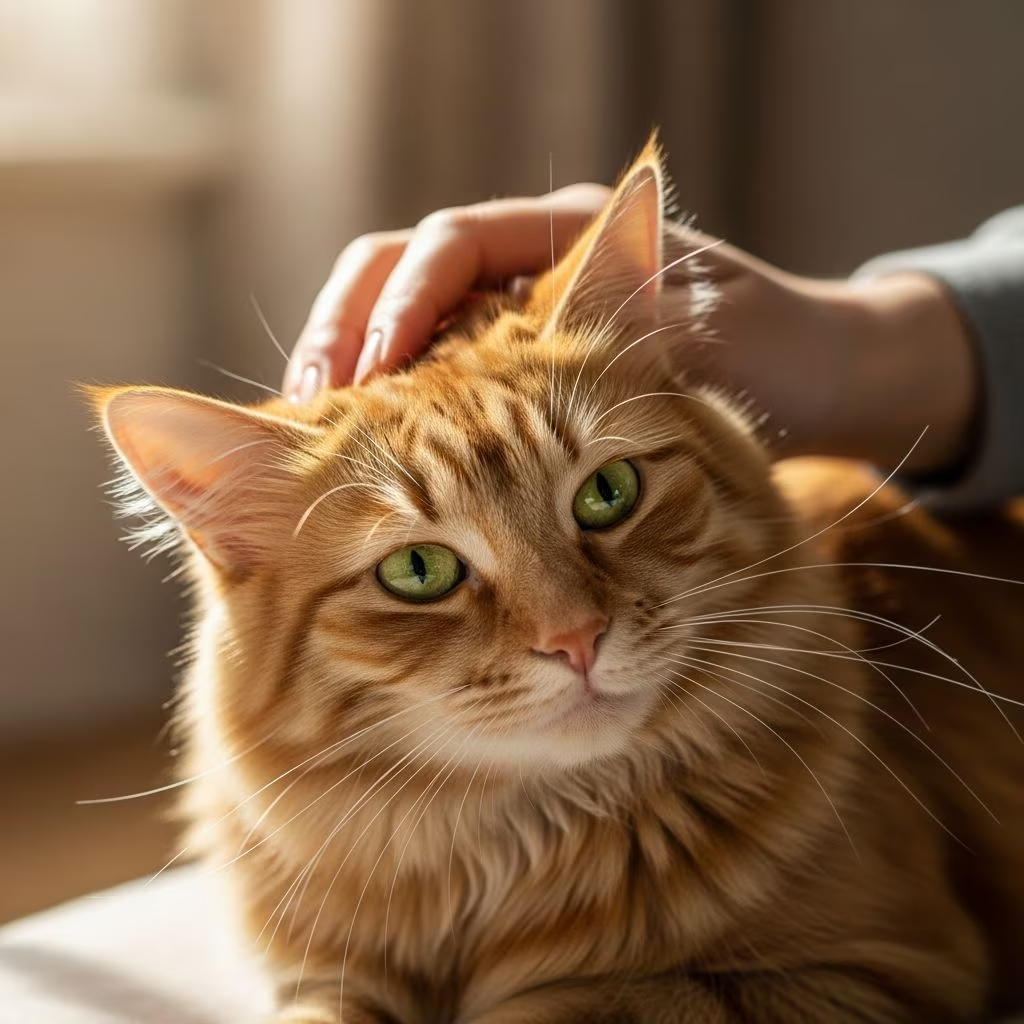
How to Pet a Cat: A Guide to Feline Affection
Petting your cat might seem like a simple gesture, but understanding feline preferences and communication can transform your relationship with your furry companion. Cats are independent creatures with unique personalities, and not all cats enjoy being petted in the same way or at all. By learning how to read your cat’s body language and respecting their boundaries, you can create positive interactions that strengthen your bond and build trust over time.
Understanding Cat Body Language
Before you begin petting your cat, it’s essential to understand what their body language is communicating. Cats use subtle signals to express whether they’re comfortable with physical affection or would prefer to be left alone. Learning to recognize these signals prevents stress for your cat and creates a more enjoyable experience for both of you.
Signs Your Cat Enjoys Being Petted
When your cat is in the mood for affection, they’ll display several positive indicators. A relaxed posture, soft eyes, and a gently curved tail are all signs that your cat is ready for interaction. Purring is perhaps the most obvious sign of contentment, indicating that your cat is comfortable and enjoying the experience. Kneading, where cats push their paws alternately against a surface, is another positive sign that demonstrates comfort and affection. If your cat is leaning into your hand, rubbing against you, or slowly blinking while looking at you, these are invitations to pet them.
Signs Your Cat Wants Space
Equally important is recognizing when your cat is signaling discomfort or a desire for alone time. A twitching or rapidly flicking tail often indicates agitation or annoyance. Ears pointing backward or to the side suggest your cat is feeling defensive. If your cat is ducking to avoid your hand, looking away, or dilating their pupils, these are clear signs that they want to stop the interaction. A sudden stop in purring is another important indicator that your cat’s mood has changed. When you notice these signals, respect your cat’s wishes and stop petting immediately.
The Cat Consent Test
One of the most effective ways to determine whether your cat wants to be petted is by using the consent test. This approach allows your cat to choose whether they want to interact with you, building trust and demonstrating that you respect their autonomy. The consent test creates a foundation of mutual respect that can transform your relationship with your feline friend.
Step-by-Step Consent Test
Step 1: Approach Respectfully
When you want to interact with your cat, avoid direct eye contact and staring, which can feel intimidating. Instead, slowly blink and look away to help your cat feel comfortable with your presence. This non-threatening approach signals that you’re not a threat and creates a calm environment for interaction.
Step 2: Extend Your Hand
Hold your hand or pointer finger low to the ground and wait for your cat to approach you. This allows your cat to take the initiative and decide whether they want to engage. If they seem disinterested and walk away, respect their choice and give them space. If your cat approaches your hand, allow them to sniff it thoroughly. Sniffing is your cat gathering information about your intentions and current state, but sniffing alone does not constitute consent to be petted.
Step 3: Confirm Consent
Consent is clearly given when your cat rubs their head against your hand or leans into you. This behavior indicates they’re open to petting and have chosen to engage with you. Once you have this confirmation, you can proceed with gentle strokes. Most cats prefer being petted around the cheeks, chin, or behind their ears. Avoid reaching over their head, as this can feel threatening and may make your cat uncomfortable.
Step 4: Monitor and Reassess
After about three seconds of petting, pause and offer your hand again to ensure your cat is still interested. Cats’ moods can change quickly, and checking in regularly demonstrates that you’re paying attention to their preferences. If your cat shows signs of discomfort, distraction, or disinterest, stop petting immediately and give them space.
When Consent Is Not Given
If your cat does not approach your extended hand, or if they’re leaning or looking away from you, they are not giving consent. Some cats may show interest initially but then decide they’ve had enough. Watch carefully for signs of discomfort such as ducking away from your hand, ears pinned back, tail thumping, or pupils dilating. When these signals appear, respect your cat’s boundaries and allow them to retreat.
Best Spots to Pet Your Cat
Different areas of your cat’s body have varying levels of sensitivity and preference. Understanding which spots most cats enjoy can help you create positive petting experiences that your feline friend will appreciate.
Head, Cheeks, and Chin
Most cats that enjoy human contact love being petted on the cheeks, top of the head, or chin. These areas contain numerous pheromone glands that allow cats to leave their scent on whatever they’re rubbing against. When you stroke these sensitive areas, you’re engaging with the parts of your cat’s body they use for self-expression and marking their territory. Gentle circular motions on the cheeks and chin are particularly enjoyable for most cats.
Behind the Ears
The area behind a cat’s ears is another favorite petting spot. This region is sensitive but generally well-tolerated by cats who enjoy being touched. Gentle strokes in this area often elicit purring and continued affection. Some cats will gently bump their head against your hand or tilt their head to make this spot more accessible, clearly indicating their enjoyment.
Forehead and Between the Eyes
Gentle strokes between the eyes or across the forehead can be incredibly soothing to cats. Cats often groom each other in this area when they’re closely bonded, so petting here feels affectionate and secure to them. This petting style emphasizes emotional connection and can deepen your bond with your cat over time.
Neck and Shoulders
Many cats enjoy gentle strokes along their neck and shoulders, moving in the direction of their fur. When starting a petting session with a cat you’re still building trust with, these areas are safe zones. For cats that are more comfortable with you, you can explore this area more extensively, using gentle pressure that the cat finds soothing.
Chest and Sides
Not all cats love being petted on the chest, but for those that do, this area feels comfortable and secure, especially when they’re curled up on your lap or laying on their side. The chest area is tied to feelings of closeness, almost like a feline version of a hug. When your cat leans in as you stroke across their chest or rub their shoulders, they’re signaling that they feel safe with you.
Tail
If your cat enjoys having their tail touched, use light strokes along the length of their tail. Some cats particularly like being petted at the base of their tail where there are numerous nerve endings. By raising their bottom when petted in this area, they could be moving this sensitive spot closer to your hand to encourage more strokes. However, many cats find tail touching uncomfortable, so always monitor your cat’s reaction and stop if they show any signs of irritation.
Areas to Avoid
The belly is a sensitive area for many cats. While some cats love belly rubs, others view a hand approaching their abdomen as a threat. Approach this area with extreme caution and be prepared to stop immediately if your cat shows any signs of discomfort. Paws and legs are also typically off-limits for most cats, so avoid these areas unless your cat has specifically indicated they enjoy having these sensitive extremities touched.
Proper Petting Techniques
Once you’ve established that your cat is ready for affection and you’re petting one of their preferred areas, technique matters. Using the right approach makes the experience more enjoyable for your cat and encourages them to seek out future interactions with you.
Gentle and Smooth Strokes
When petting your cat, use gentle, smooth strokes rather than vigorous rubbing. Move your hand slowly in the direction of your cat’s fur, typically from head toward tail. This direction is more comfortable for cats because it follows the natural growth pattern of their hair. Avoid petting against the grain, as this can cause discomfort and irritate their skin.
Light Pressure and Consistency
Apply light to moderate pressure with your strokes. Some cats enjoy firmer pressure, while others prefer very gentle touches. Watch your cat’s reactions to determine what pressure level they prefer. Maintain a consistent rhythm and technique throughout the petting session, as this creates a calming, predictable experience that your cat will learn to anticipate and enjoy.
Short Sessions
Even cats that love being petted have limits to how much physical contact they can tolerate. Keep petting sessions relatively short and check in with your cat frequently. If you notice any change in their body language, stop and give them space. Over time, as your cat becomes more comfortable with you, they may tolerate longer sessions, but it’s always better to end on a positive note while they still want more attention.
Building Trust Through Petting
Petting is more than just physical touch; it’s an opportunity to strengthen the emotional bond with your cat. The way you approach petting can either build trust or create anxiety, depending on how well you respect your cat’s preferences and boundaries.
Let Your Cat Take the Lead
One of the most effective ways to build a stronger relationship with your cat is to stop trying to touch them as much. This counterintuitive approach works because it gives your cat control over all interactions. Only touch your cat if they initiate contact first, and even then, limit the amount of physical interaction you provide. Let your cat reinitiate contact if they’re enjoying the experience. Over time, they’ll learn that they can trust you to back off if they’re not enjoying something, making them more willing to seek out affection on their own terms.
Patience and Consistency
If your cat has been touch-averse in the past, patience is essential. By moving slowly and being consistent with your respectful approach, you can help your cat learn that physical interactions don’t have to be scary or uncomfortable. This transformation takes time, but the trust you build through gentle, patient interactions will be stronger and more meaningful.
Sit or Kneel at Their Level
When inviting your cat to interact with you, sit or kneel at their level rather than standing over them. This posture is less intimidating and shows your cat that you’re not trying to assert dominance. Extend your hand without making sudden moves and allow your cat to approach and rub their scent against you before you initiate petting. This approach respects your cat’s need to establish the interaction on their terms.
Additional Ways to Bond With Your Cat
While petting is one way to show affection, it’s not the only way to strengthen your relationship with your cat. Some cats simply don’t enjoy physical touch as much as others, but there are many alternative bonding methods.
Interactive Play
Incorporate interactive play sessions with toys like feather wands or laser pointers to engage your cat’s natural instincts. Play is an excellent way to build trust and engagement with your cat, and it may lead to increased comfort with physical contact over time. Regular play sessions also provide essential exercise and mental stimulation that keep your cat healthy and happy.
Create Safe Spaces
Cats need places to retreat to when they want alone time. Provide cozy hiding spots or a cat tree where they can feel secure. Respecting your cat’s need for personal space is crucial to building trust. When your cat knows they have a safe refuge, they’re more likely to seek out your company when they’re in the mood for interaction.
Use a Soft Voice
Talk softly and use a soothing, gentle voice while petting your cat to create a relaxed atmosphere. Your tone of voice communicates your intentions and helps your cat feel secure in your presence. Avoid loud noises or sudden changes in tone that might startle or upset your cat.
Regular Grooming Sessions
Regular grooming can be a bonding experience, especially for long-haired breeds. Brushing your cat not only keeps their coat healthy but also provides gentle physical contact in a controlled manner that many cats appreciate. Some cats that are resistant to petting may enjoy the sensation of being brushed.
Positive Reinforcement
Reward your cat’s affectionate behavior with treats or gentle strokes. Positive reinforcement encourages more interactions and helps your cat associate your presence with good things. Over time, this creates a positive feedback loop where your cat seeks out your company more often.
Understanding Individual Preferences
Every cat has unique preferences when it comes to physical affection. Some cats are highly affectionate and seek constant petting, while others are more independent and prefer limited contact. Your cat’s personality, past experiences, and individual temperament all influence how much they enjoy being petted.
Pay close attention to your cat’s preferences and adapt your petting style accordingly. Some cats may not like being petted by humans due to stressors in their environment or past experiences. Ensure your cat has a safe space where they can retreat and feel secure. By observing your cat’s behavior and respecting their boundaries, you’ll develop a petting approach that works specifically for your feline friend.
Frequently Asked Questions
Q: Why does my cat raise their bottom when I pet them?
A: When a cat raises their rear end while being petted, they’re usually positioning a sensitive area with many nerve endings closer to your hand to encourage more strokes. This is also an automatic physiological response some cats have no control over. It typically indicates your cat is enjoying the petting.
Q: How often should I pet my cat?
A: The frequency depends on your individual cat’s preferences. Some cats enjoy multiple petting sessions throughout the day, while others prefer limited contact. Let your cat guide the frequency by allowing them to initiate interactions. If your cat seeks you out for petting, it’s a sign they want more affection.
Q: What should I do if my cat suddenly stops purring while I’m petting them?
A: A sudden stop in purring indicates your cat’s mood has changed. Stop petting immediately and give your cat space. This is a clear signal that they’ve had enough interaction and want to be left alone.
Q: Can I train my cat to enjoy petting more?
A: Yes, through patience and consistency. The key is to stop trying to touch them as much and instead let them control interactions. Only pet them when they initiate contact, and always respect their boundaries. Over time, cats learn to trust your respect for their preferences and become more willing to seek affection.
Q: Why does my cat prefer being petted by other cats instead of me?
A: Some cats prefer snuggling with other cats because the other cat better respects their boundaries and backs off when they give signals of discomfort. Additionally, cats closer in size and shape may prefer how spooning with another cat feels. By respecting your cat’s boundaries more consistently, you can build a similar trust.
Q: Is it normal for my cat to not like being petted?
A: Yes, completely normal. Not all cats enjoy human contact or petting. Some cats are simply more independent or have had negative experiences with touch. Respect your cat’s preferences and find alternative ways to bond, such as interactive play or simply being in the same room.
References
- Petting Etiquette – The Cat Consent Test — Edmonton Humane Society. 2025. https://www.edmontonhumanesociety.com/wp-content/uploads/2025/03/2025-petting-etiquette-the-cat-consent-test-EHS-Resources.pdf
- Where Do Cats Like to Be Pet? — Kinship. https://www.kinship.com/cat-behavior/where-to-pet-a-cat
- Petting Your Cat: A Comprehensive Guide to Understanding and Connecting with Your Feline Friend — Supertails. https://supertails.com/blogs/wellness/petting-your-cat-a-comprehensive-guide-to-understanding-and-connecting-with-your-feline-friend
- The Complete Guide to Cat Petting — Higooga. https://higooga.com/blogs/cat-behavior-training/guide-to-cat-petting
- How to Pet a Cat — Cats Protection. https://www.cats.org.uk/cats-blog/how-to-pet-a-cat



