

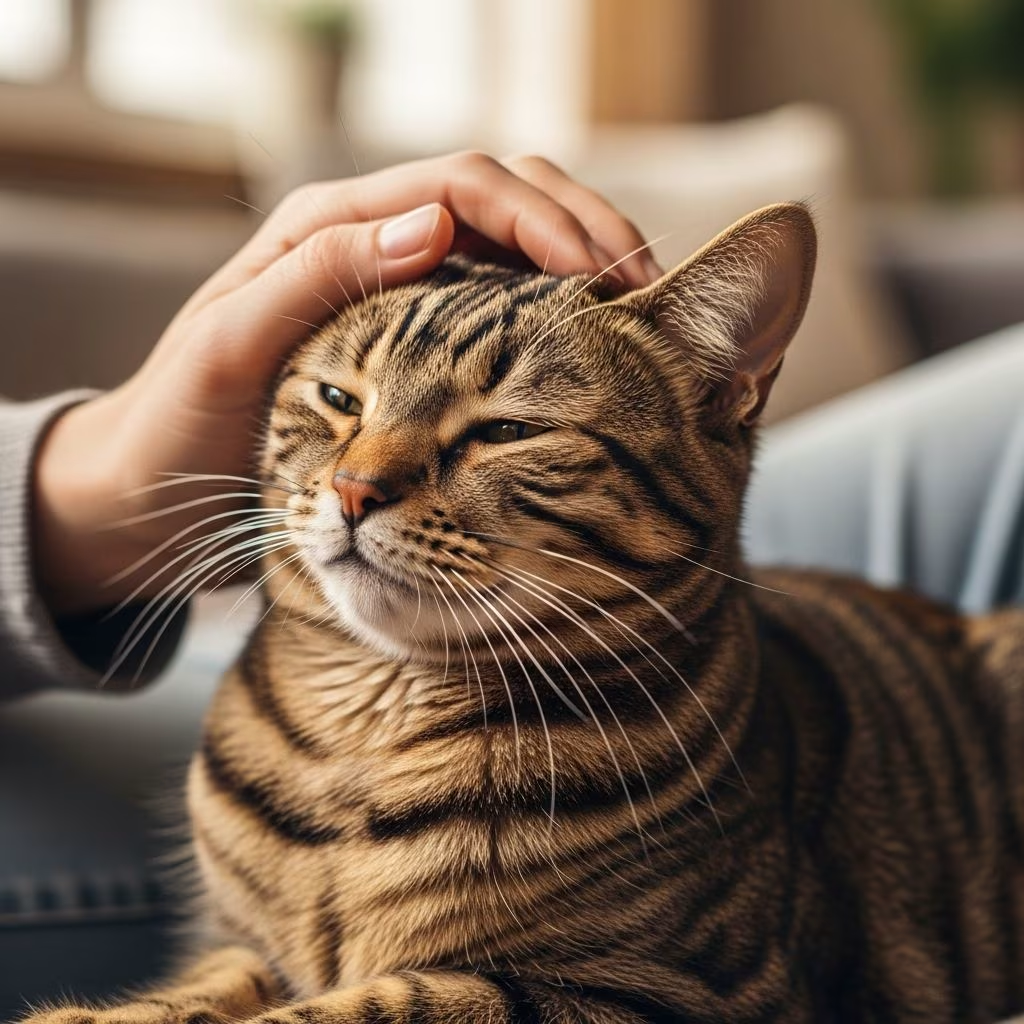
How To Pet a Cat: The Essential Guide
Petting a cat seems simple enough, but there’s actually an art to it. Unlike dogs, cats have their own preferences and boundaries when it comes to physical affection. Understanding how to pet your cat properly can strengthen your bond, reduce stress for your feline friend, and create a more enjoyable experience for both of you. Whether you’re a new cat owner or looking to improve your feline interaction skills, this comprehensive guide will walk you through the essential steps and techniques for petting your cat the right way.
How To Pet a Cat: Step-By-Step Instructions
1. Play It Cool
The foundation of proper cat petting starts with understanding your cat’s personality and respecting their autonomy. Cats, unlike many other pets, prefer to make the first move when it comes to interaction. As certified feline behaviorist Susan Nilson explains, cats like to feel in control of their environment. This means patience is your greatest tool when learning how to pet a cat effectively.
Allow the cat to approach you at their own pace. Resist the urge to reach out and pet them immediately, even if you’re excited to interact with them. Many people instinctively reach out to pet a cat on top of their head, but this can be intimidating to the cat. Instead, try crouching or sitting down on the ground to make yourself less threatening. By positioning yourself at a lower level, you’re communicating that you’re not a threat and that the cat has control over the interaction.
When your cat does approach you and rubs against you, that’s your signal that you have a solid starting point to interact. This behavior indicates that your cat is comfortable with you and ready for physical contact. By waiting for this invitation, you’ll quickly build your cat’s trust and establish a foundation for positive interactions.
2. Offer a Hand
Before attempting to pet your cat, allow them to investigate your hand. Every cat is different, and most cats like to check a person out before getting physical. This step is crucial for helping your cat feel safe and in control of the situation.
Hold out your hand and allow your cat to see and sniff it. Think of it from your cat’s perspective—you wouldn’t want someone unfamiliar to grab you without warning, and neither does your cat. By offering your hand first, you’re giving your cat the opportunity to become familiar with your scent and decide whether they’re ready for physical contact.
Some cats may rub their face against your hand, while others may simply sniff and walk away. Both responses are normal. If your cat rubs against your hand or shows other signs of affection, you can proceed to the next step. If they seem uninterested or walk away, respect their preference and try again later.
3. Pet Their Head or Back
Once your cat seems comfortable with your hand in close proximity, you can begin petting. Most cats enjoy gentle strokes from the top of their head down to the base of their tail. This is the ideal direction for petting because it follows the natural growth pattern of their fur.
When petting your cat, it’s important to stroke in the direction of their fur. Stroking against the grain may be uncomfortable for your cat and can lead to skin irritation. Your cat will definitely let you know if you’re doing something they don’t like through their body language and behavior.
Keep your petting technique low-key and gentle. Use slow, gentle strokes rather than fast or erratic movements. Avoid petting too roughly, as this can overstimulate your cat and lead to negative reactions. The goal is to create a calm, soothing experience for your feline friend.
Important Note: Many cats do not like to cuddle or snuggle, and hugging is often off-limits. If your cat shows signs of discomfort with closer contact, don’t force it. Respect your cat’s boundaries and stick to the types of affection they enjoy.
4. Watch Their Body Language
Cats can’t give verbal feedback, so it’s essential to pay close attention to your pet’s body language to ensure they’re calm and comfortable during petting sessions. Learning to read these signs will help you understand when your cat is enjoying the interaction and when they’ve had enough.
Signs that your cat is enjoying the petting include:
– Purring, which is a clear indicator of contentment and relaxation- A loose, relaxed posture with no visible tension- Leaning into the petting, showing they want more contact- Closing their eyes, indicating trust and comfort- Kneading with their paws, which mimics the behavior kittens use with their mothers
Signs that your cat may be getting overstimulated or uncomfortable include:
– Tail twitching or thrashing- Ears flattened against their head- Skin twitching on their back- Hissing or growling- Attempting to bite or swat- Walking away or trying to leave
If you notice any signs of discomfort or overstimulation, stop petting immediately and give your cat space. Remove your attention completely by walking away or gently putting the cat off your lap. Consistent responses to these signals help your cat learn that you respect their boundaries.
Preferred Petting Areas and Techniques
Best Spots to Pet Your Cat
Different areas of your cat’s body have varying levels of sensitivity and preference. Understanding where your cat likes to be touched can significantly enhance your petting experience.
Head and Face: Most cats enjoy gentle strokes on their head, particularly between the eyes and on their cheeks. Some cats appreciate having their foreheads scratched due to the presence of scent glands. However, petting on the top of the head may be perceived as threatening to some cats, so start gently and observe their reaction.
Under the Chin: The area under the chin is typically one of the most enjoyable spots for cats. You can gently stroke the bottom of the chin with your index finger using light, slow motions. Many cats find this area particularly satisfying and will lean into your hand for more contact.
Cheeks and Chin Area: The sides of the face, cheeks, and chin are great areas to pet your cat. These areas have scent glands, and cats often enjoy the sensation of gentle petting in these regions. Use soft scratching motions rather than firm pats.
Back and Spine: Most cats enjoy gentle strokes along their back, moving from their shoulders down toward the base of their tail. Some cats may enjoy having their backbone massaged gently. However, some cats may become overstimulated if petted on their backs for too long, so monitor their body language carefully.
Base of the Tail: Many cats enjoy gentle petting at the base of their tail. A gentle open-handed pat at the tail base can sometimes result in purring. However, some cats are sensitive in this area, so approach cautiously and watch for reactions.
Areas to Avoid
Some areas of your cat’s body are best left unpetted, at least initially. The belly, paws, and tail itself are typically sensitive areas that many cats don’t enjoy having touched. While some cats may tolerate belly touches from trusted humans, most cats find this area vulnerable and may react defensively.
Additionally, avoid petting a cat in an area where they’re showing signs of pain or discomfort, such as a neck that is painful from arthritis or a belly that is painful from recent surgery. Be mindful of your cat’s health issues and medical conditions when determining where and how to pet them.
Proper Petting Technique and Pressure
Stroke Direction and Movement
The direction and style of your strokes matter significantly when petting a cat. Always pet in the direction your cat’s fur grows, using short and gentle strokes. Brushing them backward in brisk, rough motions from their tail up to their head, or using long, heavy strokes, can be overstimulating and uncomfortable for cats.
Generally, soft petting is best for most cats. However, some cats might appreciate harder petting, more like massaging. The key is to observe your cat’s reactions and adjust your technique accordingly. If your cat is leaning into you, it’s probably safe to increase the pressure. If they’re neutral or leaning away, that’s a sign to step back and lighten your touch.
Finding the Right Pressure
To find out how much pressure to use when petting your cat, try applying different amounts of pressure while carefully reading their body language. Start with very light touches and gradually increase if your cat seems to be enjoying it. A cat that is leaning into your hand is indicating they’re comfortable with the current pressure level.
If you want to try a different approach with a particularly sensitive cat, consider petting with the back of your hand. This can feel less threatening to cats that are hesitant about hand contact. It’s a gentler approach that some cats prefer, especially if they’re still building trust with you.
Understanding the Consent Test
Professional cat behaviorists recommend using a consent test to ensure your cat is genuinely enjoying the petting and to prevent overstimulation. This technique helps you understand your cat’s genuine preferences and boundaries.
How to use a consent test with your cat:
– Hold your hand out to the cat- Let the cat approach you at their own pace- Move your hand a few inches from their head- Let the cat initiate the petting with their head or body- Pet for a few seconds, then hold your hand slightly away again- Let the cat reinitiate the petting- Repeat this pattern until the cat walks away
This technique ensures that every touch is consensual and that your cat is actively choosing to engage with you. It’s an excellent way to build trust and prevent overstimulation, as it gives your cat control over when the petting starts and stops.
Reading Your Cat’s Body Language
Signs of Comfort and Contentment
Learning to read your cat’s body language is essential for successful petting sessions. A cat that is enjoying your petting will display several positive signs. A slow blink is a particularly important signal—it indicates that your cat feels safe and trusting with you. If your cat gives you a slow blink while you’re near them, that’s an excellent sign that they’re open to interaction.
Positive body language indicators include forward-facing ears and whiskers, a relaxed tail, and soft eyes. Your cat may also push their head against your hand, a behavior called bunting, which indicates they’re marking you with their scent glands and enjoying the interaction.
Signs of Overstimulation
It’s equally important to recognize when your cat has had enough petting. Some cats may enjoy being pet on their backs, but if they’re pet there for too long, they may become overstimulated and begin acting aggressively. Overstimulation can manifest as tail thrashing, skin twitching, ear flattening, or attempts to bite or swat.
If your cat gets overstimulated enough to nip or bite, remove your attention completely. Do not keep petting once the cat gets in nip mode. You don’t want to inadvertently reward the cat for nipping or biting. Consistent responses to nipping by everyone in the house can eventually stop a cat from doing that.
Common Mistakes to Avoid When Petting Cats
Understanding what not to do is just as important as knowing what to do when petting your cat. Avoiding these common mistakes will help create more positive interactions with your feline friend.
– Abruptly grabbing them: Sudden movements can startle and frighten your cat- Snatching them up: Forcing your cat into your arms can damage trust- Forcibly restraining them: Never hold a cat against their will- Using too much pressure: Heavy-handed petting can be uncomfortable and overstimulating- Petting against the grain: This goes against your cat’s natural fur direction- Ignoring body language signals: Continuing to pet after your cat shows discomfort- Pulling your cat out of hiding: Respect their need for alone time and rest- Forcing cuddles or snuggles: Many cats simply don’t enjoy this type of contact
The CAT Guidelines for Proper Cat Handling
Feline experts have developed the CAT guidelines to help people understand how to interact with cats appropriately. These three principles form the foundation of respectful cat petting:
C: Give the cat choice and control. Allow your cat to decide when, where, and how they want to be petted. Respect their autonomy and never force interaction.
A: Pay attention to the cat’s body language. Continuously monitor your cat’s signals and adjust your behavior accordingly. Learn to recognize signs of comfort and discomfort.
T: Touch the cat only where the cat wants to be touched. Every cat has preferred petting areas. Observe your cat’s reactions and stick to the areas they clearly enjoy.
The gist of the CAT guidelines is that we should handle cats the way they want to be handled and leave them alone when they want to be left alone. This respectful approach strengthens your relationship with your cat and creates a more positive environment for both of you.
Building Trust Through Proper Petting
Petting is more than just physical contact—it’s a way to build trust and strengthen your bond with your cat. By following these guidelines and respecting your cat’s preferences, you’re communicating that you understand and respect them as individuals with their own needs and boundaries.
Start by simply asking if the cat wants to be petted through your body language and observation. Let the cat pet you first by rubbing against you. Their ears and whiskers will be forward when they feel safe with you. If they choose to touch you, you’ve been given the green light to initiate gentle petting.
Remember that every cat is different. Some cats are cuddly and affectionate, while others prefer minimal contact. Some senior cats may be content to cuddle with their favorite human with gentle petting for hours, while some very high-energy or perpetually playful cats would rather stalk, chase, and hunt their favorite toys than receive pets. The key is to understand your individual cat’s personality and preferences, and to respect those preferences consistently.
Frequently Asked Questions
Q: What is the correct way to stroke a cat?
A: Most cats enjoy slow, gentle, head-to-tail strokes, going in the direction of their fur. Use short, gentle strokes rather than long or heavy strokes, and always move in the direction the fur grows naturally.
Q: How do you tell if a cat likes being petted?
A: You can tell if a cat is enjoying petting through signs like purring, a relaxed posture, leaning into your hand, closing their eyes, and kneading with their paws. They may also give you a slow blink or rub their face against your hand.
Q: Where is the best place to pet a cat?
A: The best places to pet most cats are under the chin, behind the ears, on their cheeks, along their back, and at the base of their tail. Avoid sensitive areas like the belly, paws, and tail for most cats.
Q: How long should you pet a cat?
A: There is no set time limit for petting a cat. The duration depends on your individual cat’s personality and mood. Some cats enjoy extended petting sessions, while others prefer shorter interactions. Let your cat’s body language guide you.
Q: What should I do if my cat gets overstimulated while petting?
A: If your cat shows signs of overstimulation like tail thrashing, ear flattening, or attempts to bite, stop petting immediately and give them space. Remove your attention completely and allow them to calm down.
Q: Can I pet my cat if they’re sick or injured?
A: Avoid petting your cat in areas where they’re showing signs of pain or discomfort. If your cat has had recent surgery or is dealing with a medical condition, check with your veterinarian about appropriate petting techniques.
Q: How do I know if my cat doesn’t want to be petted?
A: Signs that your cat doesn’t want to be petted include tail twitching, flattened ears, skin twitching, hissing, growling, attempting to bite or swat, and walking away. Always respect these signals and give your cat space.
Q: Should I pick up my cat while petting them?
A: If you want to pick up your cat, start by getting them used to being on your lap. Pick up the cat from your lap to your shoulders, letting the back legs rest on one arm while supporting the front with the other. Look for signs of comfort before attempting to hold them.
References
- How To Pet a Cat: Step-By-Step Instructions — Chewy. https://www.chewy.com/education/cat/general/how-to-pet-a-cat-the-right-way
- How To Pet a Cat Correctly — PetMD. https://www.petmd.com/cat/general-health/how-to-pet-cat
- How to Pet a Cat: Tips and Best Spots to Make Your Feline Happy — Petful. https://www.petful.com/behaviors/how-to-pet-a-cat/
- How To Pet a Cat the Right Way — Rover. https://www.rover.com/blog/how-to-pet-a-cat/
- Do You Really Know How to Pet a Cat? — Happy Cats Haven. https://happycatshaven.org/resource/how-to-pet-a-cat/
- How to Pet a Cat — Mallard Creek Animal Hospital. https://www.mallardcreekvet.com/dr-waldens-blog/how-to-pet-a-cat



