

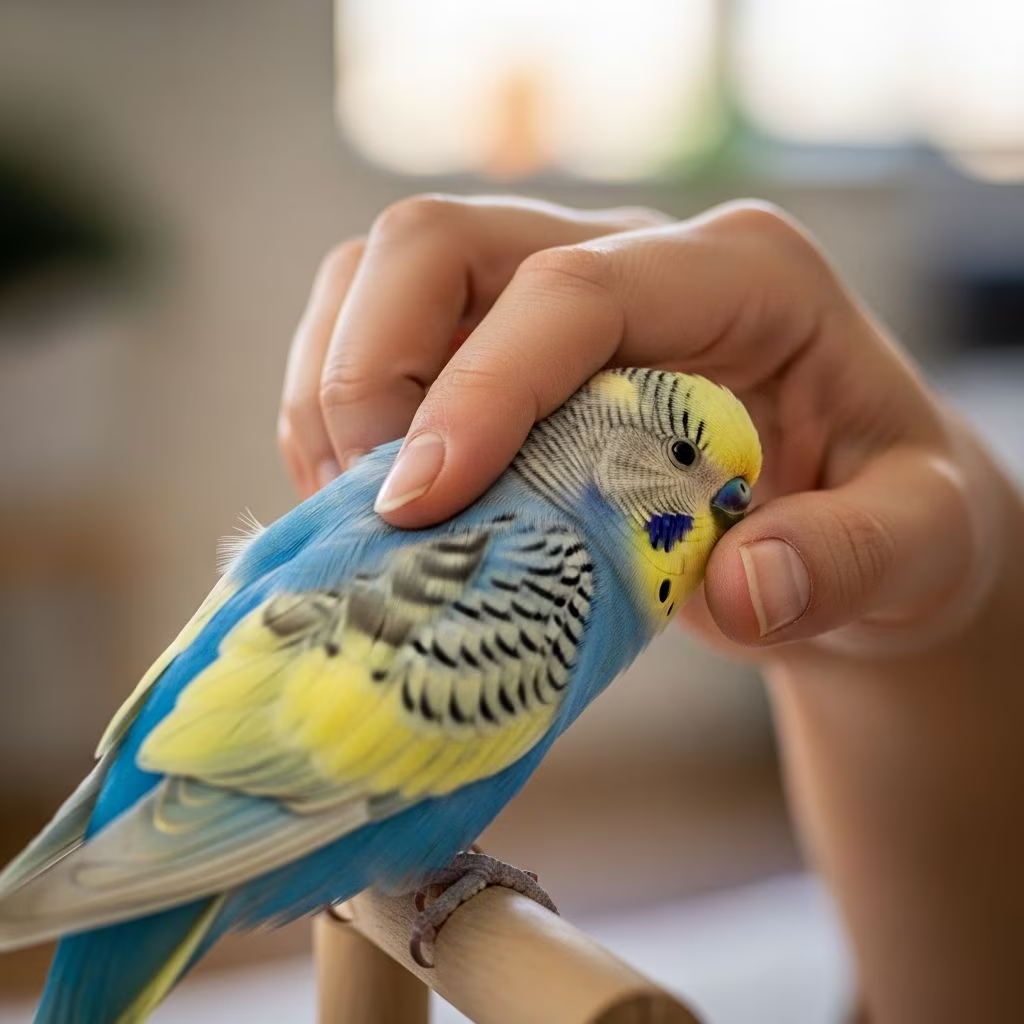
How to Pet a Bird: Safe Techniques and Best Practices
Petting your bird can be one of the most rewarding aspects of bird ownership, strengthening the bond between you and your feathered companion. However, improper petting techniques can lead to hormonal overstimulation, behavioral issues, and even injury. Understanding the correct ways to pet your bird ensures their physical and emotional well-being while creating positive interactions that enhance your relationship. This comprehensive guide covers everything you need to know about safely and lovingly petting your pet bird.
Understanding the Safe Zones for Petting
The most critical aspect of bird petting is knowing which areas are safe to touch. Birds have sensitive skin and specific anatomical considerations that make some areas appropriate for petting while others should be strictly avoided.
The safest zones to pet your bird include the head, neck, and feet. These areas are considered non-sexual and won’t trigger hormonal responses or behavioral complications. Gentle stroking on the head, around the ears, and along the neck are excellent ways to show affection while keeping your bird calm and comfortable.
Areas you must absolutely avoid include the back, wings, and tail. The sexual organs of birds are located directly under their wings on the back. When you pet these sensitive areas, you’re inadvertently stimulating the production of sexual hormones, which can lead to hormonal overstimulation, aggression, feather plucking, and unwanted breeding behaviors. Additionally, avoid petting anywhere below the neck, as this can encourage inappropriate behavior and create an unhealthy dynamic between you and your bird.
Building Trust Before Physical Contact
Before you can successfully pet your bird, you need to establish a foundation of trust. This process requires patience, respect for your bird’s boundaries, and consistent positive reinforcement.
Respecting Your Bird’s Space
Allow your bird adequate time to become accustomed to your presence without immediately attempting to handle or pet them. Let the bird approach you on their own terms rather than forcing interaction. This gradual approach demonstrates respect for your bird’s autonomy and helps them feel secure in their environment.
Creating a Calm Environment
Establish a quiet, stress-free setting for all interactions with your bird. The area should be free from loud noises, sudden movements, or other factors that might startle your pet. Choose times when your household is calm and relatively quiet, with minimal people coming and going. A calm environment allows your bird to focus on you and helps them associate your presence with safety and comfort.
Starting with Small Interactions
Begin with minimal contact before progressing to full petting sessions. Once your bird appears comfortable with your presence, try offering your hand or a single finger to see if they’ll perch on it. Move slowly and deliberately—quick movements can startle your bird and undo the trust-building work you’ve accomplished.
Using Positive Reinforcement
Positive reinforcement is essential for teaching your bird that touch is a rewarding experience. Whenever your bird allows you to pet them or interact with them, immediately reward this behavior with praise or a healthy treat. Your goal is to create a strong association between petting and positive experiences, making your bird eager for future interactions.
Some effective reward methods include:
- Offering their favorite treats or nuts as rewards
- Providing verbal praise and gentle encouragement
- Following petting sessions with enjoyable activities like playtime or music
- Creating a consistent reward schedule to reinforce desired behavior
Teaching Your Bird to Step Up
The “step up” command is one of the most important behaviors to teach your bird. This skill enhances bonding and makes handling significantly safer and easier. Teaching a bird to step up requires patience and consistency.
Step-by-Step Training Process
Step 1: Identify the Right Treat – Start by finding a treat your bird loves. This will be your primary motivation tool throughout the training process.
Step 2: Create a Calm Training Environment – Ensure the training area is quiet and free from distractions. A calm setting helps your bird focus on you and the task at hand.
Step 3: Park Your Arm or Hand – Let your bird get accustomed to your arm or hand being in their space without any pressure or movement. You can do this by placing your arm on the cage top and simply letting it rest there until the bird is familiar with it.
Step 4: Introduce the Treat Incentive – Hold your bird’s favorite treat in a way that requires them to lean over your reclining arm to reach it. Gradually move the treat farther away until the bird must step up onto your arm to get it. Provide enthusiastic praise and treats for completing this action.
Step 5: Build Consistency – Practice this exercise multiple times before adding a verbal cue. Regular, short training sessions are more effective than occasional long sessions.
Step 6: Add the Verbal Cue – Once your bird is comfortable stepping up, introduce the phrase “step up” each time you offer your hand. Your bird will eventually associate this phrase with the action and the reward.
Step 7: Gradually Increase Difficulty – Once your bird confidently steps up while your hand is at their foot height, slowly raise your arm a few inches at a time. Continue this exercise until your bird is stepping up on cue from various positions.
Alternative Approaches for Fearful Birds
Some birds are genuinely frightened by human hands. If your bird shows signs of fear, consider using alternative tools to build confidence:
- Bird rope perches, which are easier for birds to grip
- Clean towels or washcloths as stepping surfaces
- Your forearm or arm positioned on a table for less threatening interactions
Reading and Understanding Bird Body Language
Understanding your bird’s body language is crucial for recognizing when they’re comfortable, stressed, or overstimulated. Proper interpretation of these signals helps you adjust your interactions accordingly and prevents negative experiences.
Signs Your Bird is Comfortable
– Soft, relaxed feathers close to the body
– Calm, steady breathing
– Slow blink or closing eyes while you pet them
– Gentle head bobbing or tilting toward your hand
– Quiet vocalizations or soft chirping
Signs Your Bird is Stressed or Uncomfortable
– Puffed-up feathers or fluffed appearance
– Rapid, shallow breathing
– Pinned or very dilated pupils
– Tail held low or fanned out
– Backing away from your hand
– Loud vocalizations or warning sounds
– Aggressive posturing or open beak
When you notice signs of stress, immediately stop petting and give your bird space. Continuing to interact with a stressed bird can lead to biting, aggressive behavior, and a setback in the trust-building process.
Proper Petting Techniques
Once your bird is comfortable with your touch, employing the correct petting techniques ensures their comfort and prevents problems:
Stroke Gently and Slowly – Use slow, gentle strokes when petting your bird’s head and neck. Avoid quick or jerky movements that might startle them.
Use Appropriate Pressure – Apply light pressure with your finger or hand. You should barely feel resistance; never press hard or massage aggressively.
Respect Directional Preferences – Most birds prefer strokes that follow the direction their feathers naturally lay. Stroking against the grain can be uncomfortable or irritating.
Keep Sessions Brief – Start with short petting sessions lasting just a few minutes. As your bird becomes more comfortable, you can gradually extend the duration if they seem receptive.
Watch for Signs of Overstimulation – Some birds will communicate when they’ve had enough. Respect these signals by stopping before your bird becomes irritated or aggressive.
Interacting With Your Bird Beyond Petting
While petting is wonderful, there are many other meaningful ways to bond with and interact with your bird without direct physical contact.
Interactive Feeding
Transform mealtime into a bonding opportunity by using feeding toys that require problem-solving effort. Hand-feed treats during training sessions or allow your bird to watch you eat healthy vegetables and fruits, then offer them a bite. This interaction builds trust and creates gentle engagement without direct petting.
Music and Dance
Birds often enjoy sounds and respond positively to music. Spend time playing music and dancing with your bird as a delightful way for both of you to relax and bond without physical contact.
Creating Rituals and Routines
Birds, as flock animals, thrive on predictable routines and knowing where their flock is at all times. Create daily rituals such as specific whistles, designated playtimes, consistent mealtimes, and regular bedtimes. These rituals establish security and belonging, enhancing your bird’s overall well-being and your mutual bond.
Special Considerations for Different Bird Species
Different bird species have varying temperaments, sizes, and petting preferences. Smaller birds like parakeets or budgies often do well when you lay your arm on a table with millet and allow them to walk toward you at their own pace. Larger parrots may require more careful handling due to their powerful beaks and stronger personalities. Always research your specific bird species to understand their unique needs and preferences.
Teaching Children How to Pet Birds Safely
If children interact with your bird, they need explicit instruction on proper handling and petting techniques. Birds are fragile creatures that can be easily injured by squeezing or rough handling. Additionally, frightened birds can inflict painful bites with their strong beaks.
Teach children to:
- Approach birds slowly and speak softly
- Pet only the head and feet, never the wings or back
- Use gentle pressure and slow strokes
- Recognize when the bird wants space and respect those boundaries
- Never grab, squeeze, or restrain the bird
Always supervise interactions between children and birds to ensure both remain safe and happy.
Safety Precautions When Holding Your Bird
If you need to restrain your bird for safety, nail trimming, or veterinary care, proper technique is essential. Never squeeze the torso, as this can damage the delicate air sacs birds rely on for breathing.
Proper Restraint Technique:
- Use a soft, clean towel large enough to wrap gently around your bird
- Familiarize your bird with the towel well in advance through play to create positive associations
- Approach calmly and speak softly to keep your bird relaxed
- Gently wrap the towel around the bird’s body, covering the wings to prevent flapping
- Ensure the bird’s head remains free for breathing
- Hold the head firmly but gently—never squeeze tightly
Never squeeze the torso, as this can cause serious injury to your bird’s respiratory system.
Building a Healthy Long-Term Bond
The foundation of a healthy human-bird relationship is built on respect, patience, and consistent positive interactions. By limiting petting to appropriate zones, reading body language carefully, and providing diverse forms of enrichment and engagement, you create an environment where your bird feels safe, valued, and secure. Ask visitors and other household members to follow the same guidelines to maintain consistency and protect your bird’s emotional well-being.
Frequently Asked Questions
Q: Why shouldn’t I pet my bird’s back and wings?
A: Birds’ sexual organs are located directly under their wings on the back. Petting these areas stimulates sexual hormone production, leading to hormonal overstimulation, aggression, and behavioral problems including feather plucking and unwanted breeding responses.
Q: What should I do if my bird bites me while I’m petting them?
A: If your bird bites, it’s a sign they were uncomfortable or overstimulated. Stop petting immediately and give them space. Review the body language signs of discomfort and watch for them before they lead to biting in the future.
Q: How long should each petting session last?
A: Start with short sessions lasting just a few minutes. As your bird becomes more comfortable, you can gradually increase duration if they remain receptive. Always stop before your bird shows signs of irritation or overstimulation.
Q: Can I pet my bird on the shoulder?
A: While your bird perching on your shoulder may seem like a sign of trust, this position makes it difficult to observe their body language closely. Without clear visual cues, you may not notice stress or agitation, increasing the likelihood of sudden bites.
Q: What’s the best way to introduce a new bird to petting?
A: Build trust gradually by respecting their space, creating a calm environment, starting with small interactions, and using positive reinforcement. Allow the bird to approach you first rather than forcing contact.
Q: Are there alternatives to hand-petting for bonding with my bird?
A: Yes! You can bond through interactive feeding, music and dance, creating daily rituals, and spending quality time together. These activities build strong relationships without direct petting.
References
- How to Pet and Hold a Bird — BirdSupplies.com. Accessed November 2025. https://birdsupplies.com/blogs/news/96593031-how-to-pet-a-parrot
- Where To Pet Your Bird — PetMD. Accessed November 2025. https://www.petmd.com/bird/where-to-pet-your-bird
- Bird Handling Techniques: How to Hold a Bird — Best Friends Animal Society. Accessed November 2025. https://bestfriends.org/pet-care-resources/bird-handling-techniques-how-hold-bird



