

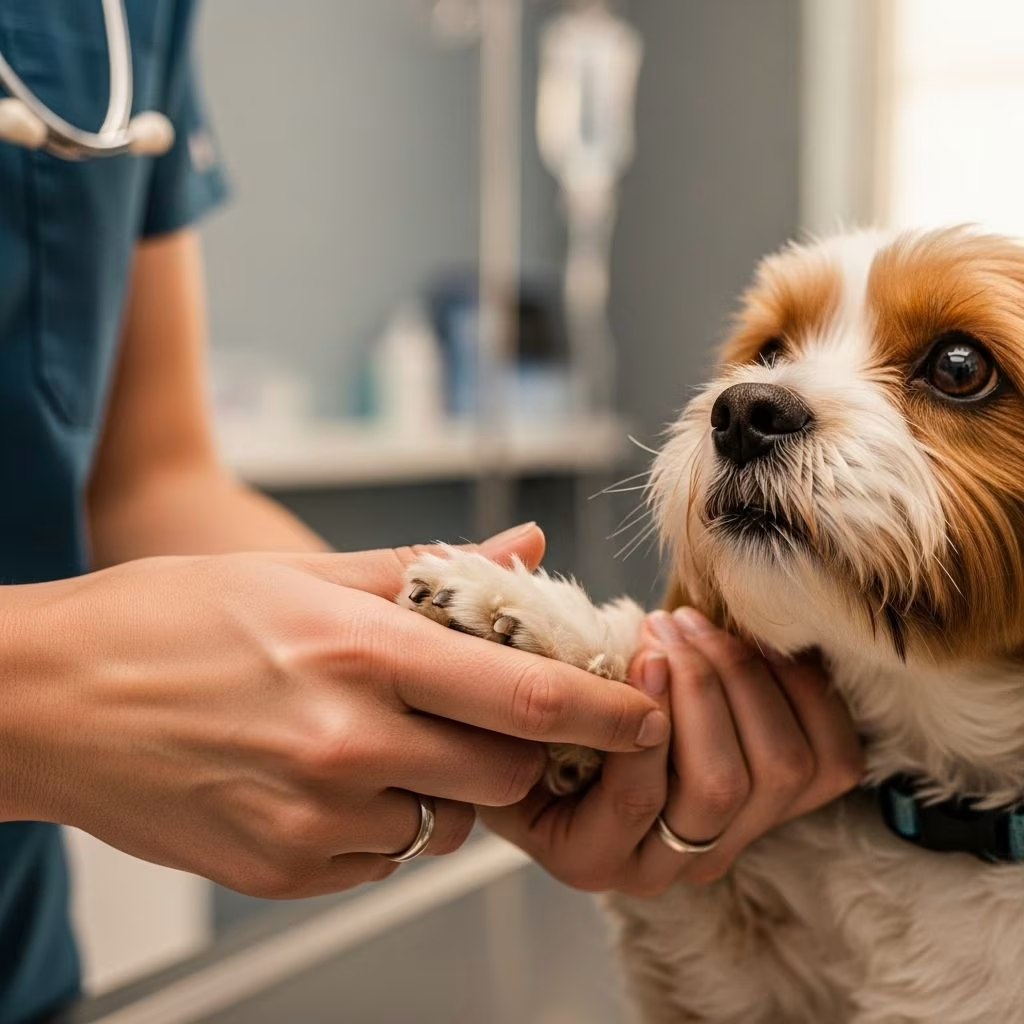
Pet emergencies strike without warning, often leading to steep veterinary bills that can strain your finances. Whether it’s a sudden injury, poisoning, or illness, knowing how to pay for emergency vet care is crucial for every pet parent. This comprehensive guide explores proven methods to cover costs, from preventive planning to immediate financing solutions, ensuring your pet receives timely treatment.
Understanding Pet Emergency Vet Costs
Emergency veterinary services are significantly more expensive than routine visits due to 24/7 availability, specialized equipment, and urgent care needs. Initial exam fees alone can range from $150 to $400, with diagnostics like bloodwork ($200+), X-rays ($150-$300), or ultrasounds ($300-$800) adding up quickly. Treatments such as IV fluids, surgery, or hospitalization can push totals into thousands. For instance, a simple foreign body obstruction surgery might cost $2,000-$5,000, while critical cases like parvovirus treatment exceed $3,000.
Factors influencing costs include location (urban areas are pricier), time of day (overnight surcharges), and pet size. Always request a cost estimate upfront—most ER vets provide one before proceeding. According to the American Animal Hospital Association (AAHA), over 60% of pet owners face financial barriers in emergencies, highlighting the need for preparation.
Pet Insurance: The Best Preventive Measure
**Pet insurance** is the most reliable way to mitigate emergency costs, reimbursing 70-90% of eligible expenses after a deductible. Policies cover accidents, illnesses, and sometimes wellness care. Premiums start at $20-$60/month for dogs and $10-$30 for cats, depending on breed, age, and coverage level.
- Accident-only plans: Cheapest option, ideal for young pets; covers injuries like fractures or lacerations.
- Comprehensive plans: Include hereditary conditions, cancer, and emergencies; brands like Trupanion or ASPCA offer direct vet payments.
- Key benefits: No claim limits on many policies, fast reimbursements (within days), and coverage at any licensed vet.
Enroll before issues arise, as pre-existing conditions are excluded. Compare quotes using sites like Pawlicy Advisor. A 2024 North American Pet Health Insurance Association report shows insured pets receive 2.5x more treatments, improving outcomes.
CareCredit: Flexible Financing for Vet Bills
CareCredit is a healthcare credit card accepted at over 200,000 vets, dentists, and hospitals nationwide. It’s designed for medical expenses, including pet care, with promotional periods of 6-24 months at 0% interest if paid in full.
| Feature | Details |
|---|---|
| Credit Limit | Up to $50,000 (based on credit) |
| APR | 26.49% variable after promo (if not paid off) |
| Approval | Instant online; minimum score ~640 |
| Fees | No annual fee, late fees up to $40 |
Apply at the vet’s office or online. Use it for exams, surgeries, and meds. Pro tip: Pay minimums during promo but clear balance before it ends to avoid retroactive interest. Over 90% of vet practices accept it, per CareCredit data.
Payment Plans and In-House Financing
Many vet clinics offer **in-house payment plans** through partnerships with Scratchpay or VetBilling. These no-credit-check options let you pay over 3-12 months with low fees (1-3% admin).
- Scratchpay: Approvals in minutes; payments as low as $20/month.
- VetDirect: Clinic-specific; often 0% for 90 days.
- Negotiate directly: Ask for discounts (10-20% for cash/multi-pet) or charity care if low-income.
For larger bills, personal loans from banks or credit unions provide fixed rates (6-36% APR) without healthcare restrictions. Apps like Possible Finance offer payday alternatives for smaller needs.
Crowdfunding and Community Support
Platforms like **GoFundMe** or **Waggle** (pet-specific) help raise funds quickly. Share your pet’s story with photos and vet estimates—successful campaigns average $1,500-$5,000. Tips: Post on pet Facebook groups, Nextdoor, and Reddit’s r/Assistance.
Non-profits provide grants:
- RedRover Relief: Up to $200 for urgent care.
- The Pet Fund: Chronic illness aid ($500+).
- Frankie’s Friends: $1,500 max for life-threatening cases.
Local shelters and breed rescues often assist purebreds. Apply early—funds are limited.
Personal Credit Cards and Loans as Last Resort
Use rewards cards (3-5% cashback) for emergencies, but beware high APRs (15-30%). 0% intro APR cards like Chase Freedom give 12-21 months breathing room. Personal loans from LendingClub or SoFi offer faster funding ($1,000-$50,000) at 8-20% rates, better for good credit.
Avoid payday loans (400%+ APR). Build an emergency fund: Aim for $2,000-$5,000 in a high-yield savings account dedicated to pet health.
Preventive Steps to Avoid Emergencies
Preparation reduces costs and stress:
- Regular checkups: Catch issues early.
- Microchip and ID: Speeds lost pet recovery.
- Pet first-aid kit: Stock bandages, hydrogen peroxide, thermometer.
- 24/7 vet lines: Apps like Kinship Premium offer advice to triage.
- Know your ER: Research nearby clinics, sign release forms.
Secure hazards: Chocolate, xylitol, lilies are common toxins. Spay/neuter prevents certain cancers/reproductive emergencies.
What to Expect at the Emergency Vet
Arrival: Triage based on severity (critical pets go first). Provide history, records, and alert staff to reactive pets. Expect wait times (30min-2hrs). Staff will explain costs, get consent. Stay calm—pets sense stress. Call ahead if unsure.
Frequently Asked Questions (FAQs)
Q: How much does an emergency vet visit cost without insurance?
A: $150-$400 exam + diagnostics/treatment; totals $1,000-$10,000+ depending on case.
Q: Does CareCredit cover all vets?
A: No, but 200,000+ locations; check acceptance via app or call ahead.
Q: Can I get pet insurance after an emergency?
A: Yes, but new issues are pre-existing; waiting periods (14 days accidents) apply.
Q: What if I can’t pay the full bill upfront?
A: Request payment plans, CareCredit, or partial payment; some clinics treat first if stable.
Q: Are there free emergency vet services?
A: Limited; community clinics or non-profits for low-income, but not 24/7.
References
- AAHA Trends Benchmarking Report — American Animal Hospital Association. 2024-01-15. https://www.aaha.org/trends-magazine/october-2024/benchmarking-the-2024-aaha-trends-report/
- Pet Health Insurance Statistics — North American Pet Health Insurance Association (NAPHIA). 2024-09-01. https://naphia.org/industry-data/
- Veterinary Financial Policies — AVMA Principles of Veterinary Medical Ethics. 2023-06-12. https://www.avma.org/resources-tools/avma-policies/principles-veterinary-medical-ethics-avma
- CareCredit for Veterinary Care — CareCredit Official Site. 2025-11-20. https://www.carecredit.com/vetmed
- State of Pet Healthcare Report — Banfield Pet Hospital. 2024-05-10. https://www.banfield.com/state-of-pet-health



