

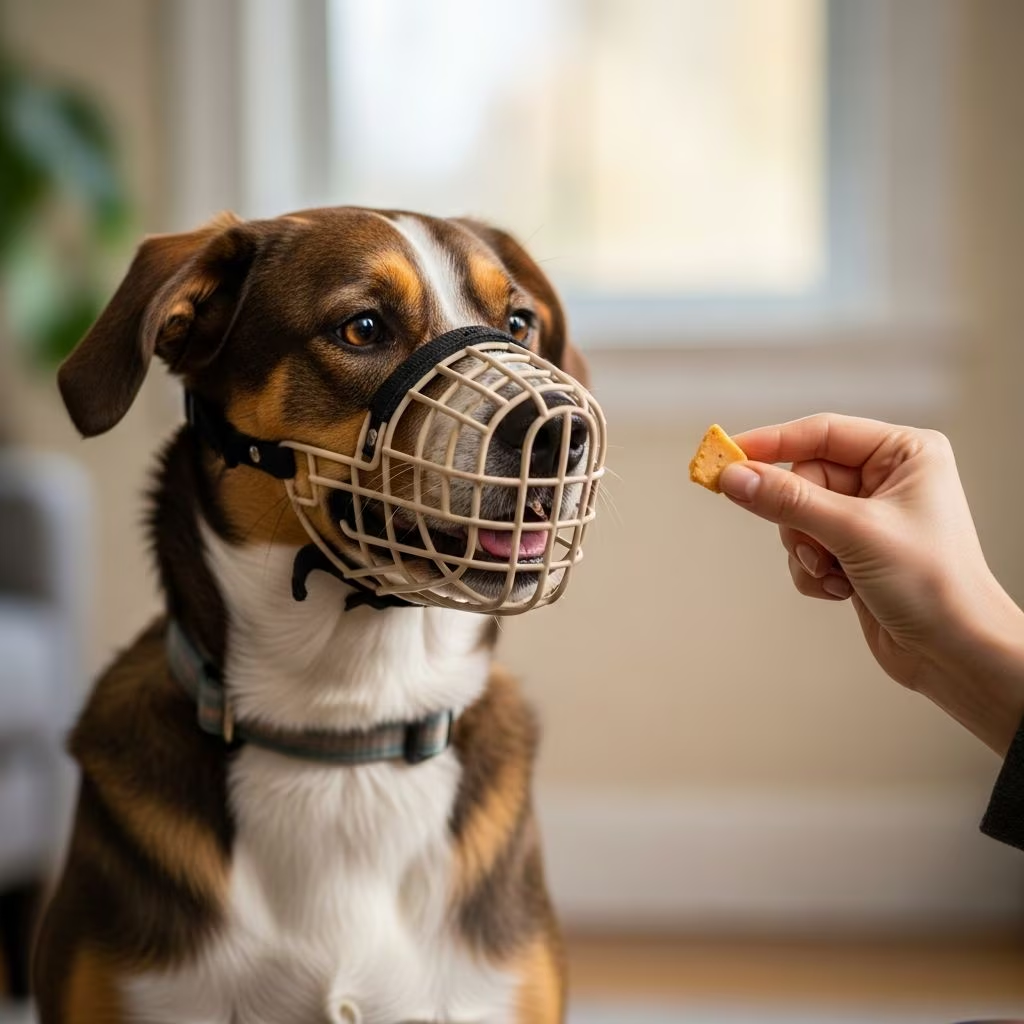
Muzzle training teaches your dog to comfortably wear a muzzle using positive reinforcement, ensuring safety during vet visits, grooming, or situations where biting risks occur. This process builds positive associations, reduces anxiety, and promotes long-term compliance without force.
Why Muzzle Train Your Dog?
Muzzle training is a proactive skill for all dogs, not just aggressive ones. It prevents misunderstandings during stressful events like veterinary exams where dogs may snap out of fear. Vets often recommend it to protect everyone involved, including the dog, from injury. Benefits include safer interactions with unfamiliar dogs or people, compliance with airline travel rules, and participation in reactivity classes. Contrary to stigma, muzzled dogs are responsible ownership signs, normalizing the tool like a seatbelt.
- Safety first: Prevents bites from pain, fear, or resource guarding.
- Vet and groomer peace: Allows procedures without sedation.
- Legal compliance: Required in some areas for certain breeds.
- Reduces anxiety: Turns a scary object into a treat predictor.
Start in puppyhood for easiest results, but any age works with patience. Dogs of all breeds benefit, especially those with handling sensitivities.
Choosing the Right Muzzle
Select a basket-style muzzle like Baskerville Ultra or Jafco for safety and comfort. These allow panting, drinking, and treat feeding, unlike constricting nylon types unsuitable for prolonged use.
| Muzzle Type | Pros | Cons | Best For |
|---|---|---|---|
| Basket (Plastic/Wire/Rubber) | Allows panting, treats, water; durable | Bulkier | Vet visits, training, long wear |
| Soft Basket (Mesh) | Lightweight, breathable | Less durable | Short sessions, travel |
| Nylon/Soft Cloth | Cheap, lightweight | No panting/treats; escape risk | Avoid for most cases |
Measure your dog’s snout: length from nose tip to eye line, circumference at widest point. Ensure two fingers fit under straps and it can’t slip off. Test fit: dog should open mouth slightly, pant freely.
Preparation Before Training
Before starting, create a training plan tracking progress. Use high-value treats like peanut butter, cheese, or hot dogs your dog adores. Train in low-stress environments, short 1-2 minute sessions, 3-5 times daily. Gather tools: muzzle, treats, clicker optional. If your dog has bite history, consult a veterinary behaviorist. Desensitize to handling first: touch head, ears gently with rewards.
Step-by-Step Muzzle Training Guide
Progress at your dog’s pace; some advance in days, others weeks. Repeat steps until relaxed before advancing. Goal: dog eagerly inserts nose for treats.
- Introduce the Muzzle (Days 1-2): Place muzzle on floor. Reward sniffing/touching with praise and treats. Repeat until dog approaches willingly. Avoid forcing.
- Treat in Muzzle (Days 2-3): Smear treat inside nose area. Let dog eat freely. Name it “muzzle!” enthusiastically. Repeat 10-20 times per session until nose dives in eagerly.
- Hold Muzzle On (Days 3-4): Say cue, hold straps behind head 1-3 seconds, reward through muzzle, release. Talk soothingly. Build to 10 seconds.
- Practice Clasp Sound: Without nose in, close/open clasp nearby, reward calm. Desensitizes to noise.
- Fasten Briefly (Days 4-5): Nose in, fasten loosely, unfasten immediately, reward. Ensure secure but comfortable fit (1-2 fingers under strap).
- Build Duration (Days 5-7): Fasten, reward every few seconds, extend to minutes. Walk around house, feed meals through it.
- Add Movement (Week 2+): Practice during walks, car rides, play. Pair with fun activities.
Tips: End sessions positively. If regression, back up steps. Use “surprise muzzle parties” – randomly present for jackpot rewards.
Troubleshooting Common Issues
- Dog avoids muzzle: Return to floor intro; use stronger treats.
- Paws at it: Distract with toys; train “leave it.” Shorten sessions.
- Fear of clasp: Separate conditioning: reward clasp sounds alone.
- Not eating treats: Hungrier timing; higher value like liver.
- Progress stalls: Video sessions for self-review; seek pro trainer.
For reactive dogs, integrate with counterconditioning: muzzle + triggers at distance = treats.
Practice in Real-Life Scenarios
Once comfortable 10+ minutes, generalize: Vet mock exams (ear checks), groomer simulations, leashed walks. Use for nail trims, exams. Airlines/hotels may require; practice travel. Join Muzzle Up! Project for community support stigma-free.
Maintaining the Skill
Weekly refreshers prevent fading. Rotate treats to keep exciting. Store muzzle accessibly; cue predicts fun. Monitor fit as dog grows.
Frequently Asked Questions
Can any dog be muzzle trained?
Yes, puppies to seniors, all breeds. Patience key; fearful dogs may need pros.
How long does training take?
1-7 days basics for easy dogs; weeks for others. Short daily sessions.
Is a basket muzzle safe for long wear?
Yes, allows breathing/panting; check every 30 minutes. Never unsupervised initially.
What if my dog hates it initially?
Normal; go slower, higher rewards. Never force – builds fear.
Do I need a trainer?
Not always, but for bite history, yes – certified positive reinforcement expert.
Can muzzled dogs drink?
Basket yes; hold bowl or use fountain. Pant freely.
This comprehensive approach ensures your dog views the muzzle as a positive tool, enhancing safety and bond. Consistent practice yields happy, confident wearers.
References
- Muzzle training your dog: your step-by-step guide — Woodgreen Pets Charity. 2023. https://woodgreen.org.uk/pet-advice/dog/muzzle-training-your-step-by-step-guide/
- Basket muzzle training — Cornell University College of Veterinary Medicine. 2024-01-14. https://www.vet.cornell.edu/departments-centers-and-institutes/riney-canine-health-center/canine-health-topics/basket-muzzle-training
- Muzzle Training Your Dog | The Battersea Way — Battersea Dogs & Cats Home (YouTube). 2022. https://www.youtube.com/watch?v=_JfhC37fceE
- Muzzle Training — Muzzle Up! Project. 2024. https://muzzleupproject.com/muzzle-training/
- How to Acclimate Your Dog to a Muzzle — ULPS (YouTube). 2023. https://www.youtube.com/watch?v=KNvcmDJdGe8
- Muzzle Up Wants You to Stop Making Assumptions — Kinship. 2023. https://www.kinship.com/dog-behavior/muzzle-up-project



