

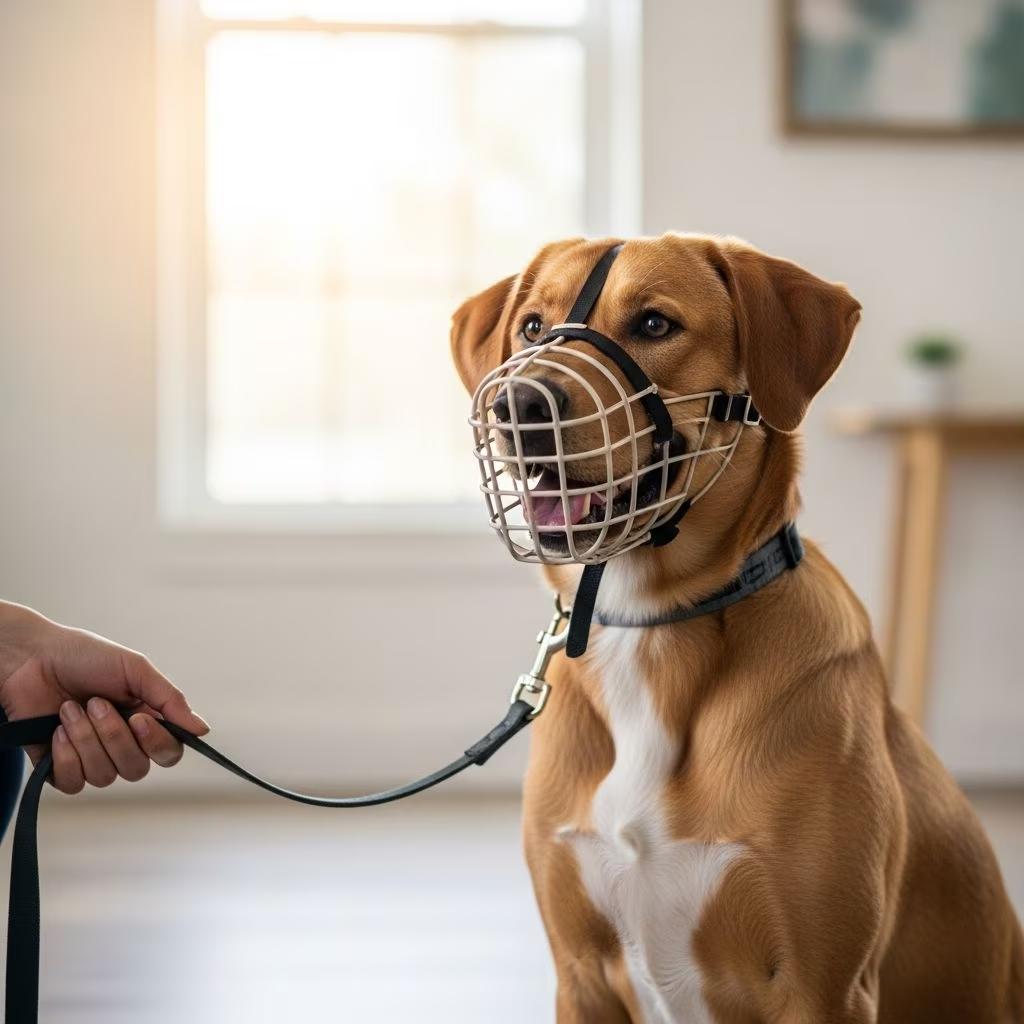
Muzzle training is an essential skill for many dogs, promoting safety during vet visits, grooming sessions, or situations where biting risks occur. Using positive reinforcement creates a happy association, making the process stress-free for your pup.
Why muzzle train your dog?
Muzzles safeguard handlers, veterinarians, and other animals by preventing bites, especially in reactive or fearful dogs. Contrary to myths, properly fitted basket muzzles allow panting, drinking, and treat-eating, enhancing comfort.
- Safety first: Ideal for dogs with bite history or during medical procedures.
- Legal requirements: Some areas mandate muzzles for certain breeds in public.
- Reduces anxiety: Trained dogs view muzzles positively, lowering stress.
Training proactively prevents force-fitting emergencies, building lifelong confidence.
Choosing the right muzzle
Select a basket-style muzzle for optimal safety and comfort, unlike restrictive cloth types. Ensure it permits mouth opening, panting, drinking, and treat access.
How should a muzzle fit?
A well-fitted muzzle measures 1-2cm longer than your dog’s nose to avoid eye obstruction or rubbing. It should be wide enough not to dig into cheeks but secure without excess movement.
- Canine nose fits fully without pressure.
- 1-2 fingers fit under neck strap.
- Allows full mouth closure and treat retrieval.
How to measure your dog for a muzzle
Measure nose length from tip to eye-line (1.5cm below eyes) and width at widest point. Introduce measuring tape with treats or a LickiMat for positive vibes; film for accuracy.
| Measurement | Guide |
|---|---|
| Nose Length | Tip of nose to 1.5cm below eyes |
| Nose Width | Widest part of snout |
| Strap Fit | 1-2 fingers under neck strap |
Test fit: Dog should pant freely and accept peanut butter through openings.
How to muzzle train your dog: A step-by-step guide
Progress at your dog’s pace with short, daily sessions (3-5 minutes). Use high-value treats like chicken, cheese, or peanut butter. Mark successes with a clicker or “yes!”.
Introduce the muzzle
Place muzzle on floor; reward sniffing or looking. Progress to holding it casually; treat voluntary nose touches. Goal: Happy anticipation.
Encourage nose insertion
Smeared peanut butter or treats inside lure nose in. Say “muzzle!” Praise removal. Repeat until eager entry without luring.
Hold against face
With nose in, gently hold 2-5 seconds behind head (no clasp). Reward calmly. Talk soothingly; release before stress.
Practice straps separately
Clip empty muzzle loosely as a collar; toss treats side-to-side. Desensitize clasp noise without nose inside.
Secure with nose in
Nose in, loosely clip strap. Feed treats through muzzle immediately. Undo quickly; build duration gradually.
Increase wear time
Start 5 seconds, extend to minutes during meals or walks. Pair with play or feeding for positivity.
Generalize to real scenarios
Practice in vet clinic or groomer pre-visit. Reward heavily; fade treats over time.
Signs of discomfort (pawing, rubbing, refusal): Backtrack steps, go slower.
Common muzzle training mistakes and how to avoid them
Rushing creates fear; forcing amplifies resistance. Punishment worsens associations.
- Avoid rushing: Some dogs need weeks per step.
- No force: Let dog approach voluntarily.
- Wrong fit: Always prioritize comfort testing.
- Inconsistent rewards: High-value only; vary to maintain interest.
- Training when stressed: Choose calm, hungry times.
Muzzle training tips and tricks
- High-value rewards: Use squeeze cheese, liver bits for motivation.
- Short sessions: End on high note; multiple daily.
- Happy vibes: Train during play/meals; upbeat tone.
- Pair with fun: walks, toys post-wear.
- Desensitize noises: Practice clasp clicks alone.
Advanced muzzle training for tricky dogs
For fearful or handling-sensitive dogs, consult certified trainers. Start with no-pressure floor exposure; use counter-conditioning for past traumas.
Resource guarders: Skip food-inside initially. Progress slower; video sessions for review.
Frequently Asked Questions
Why does my dog hate the muzzle?
Past force or poor fit; rebuild slowly with treats for all interactions.
How long does muzzle training take?
Days to weeks; varies by dog. Patience yields permanent results.
Can all dogs be muzzle trained?
Yes, with positive methods and professional help if needed.
Is muzzle training cruel?
No, when done positively; it’s empowering and safe.
What if my dog paws it off?
Step back; rebuild association. Ensure perfect fit.
Benefits of muzzle training beyond safety
Trained dogs access public spaces confidently. Reduces owner stress; promotes inclusion for reactive pups. Muzzles enable safe socialization, vet care without sedation.
References
- How to Muzzle Train Your Dog — Kinship. 2023. https://www.kinship.com/uk/dog-behaviour/how-to-muzzle-train-your-dog
- Muzzle training your dog: your step-by-step guide — Woodgreen Pets Charity (official UK pet welfare org). 2024-01-15. https://woodgreen.org.uk/pet-advice/dog/muzzle-training-your-step-by-step-guide/
- Basket Muzzle Training — Cornell University College of Veterinary Medicine (Riney Canine Health Center). 2023-06-01. https://www.vet.cornell.edu/departments-centers-and-institutes/riney-canine-health-center/canine-health-topics/basket-muzzle-training
- Muzzle Training Your Dog — San Diego Humane Society (official humane society). 2024. https://sdhumane.org/resources/muzzle-training-your-dog/



