

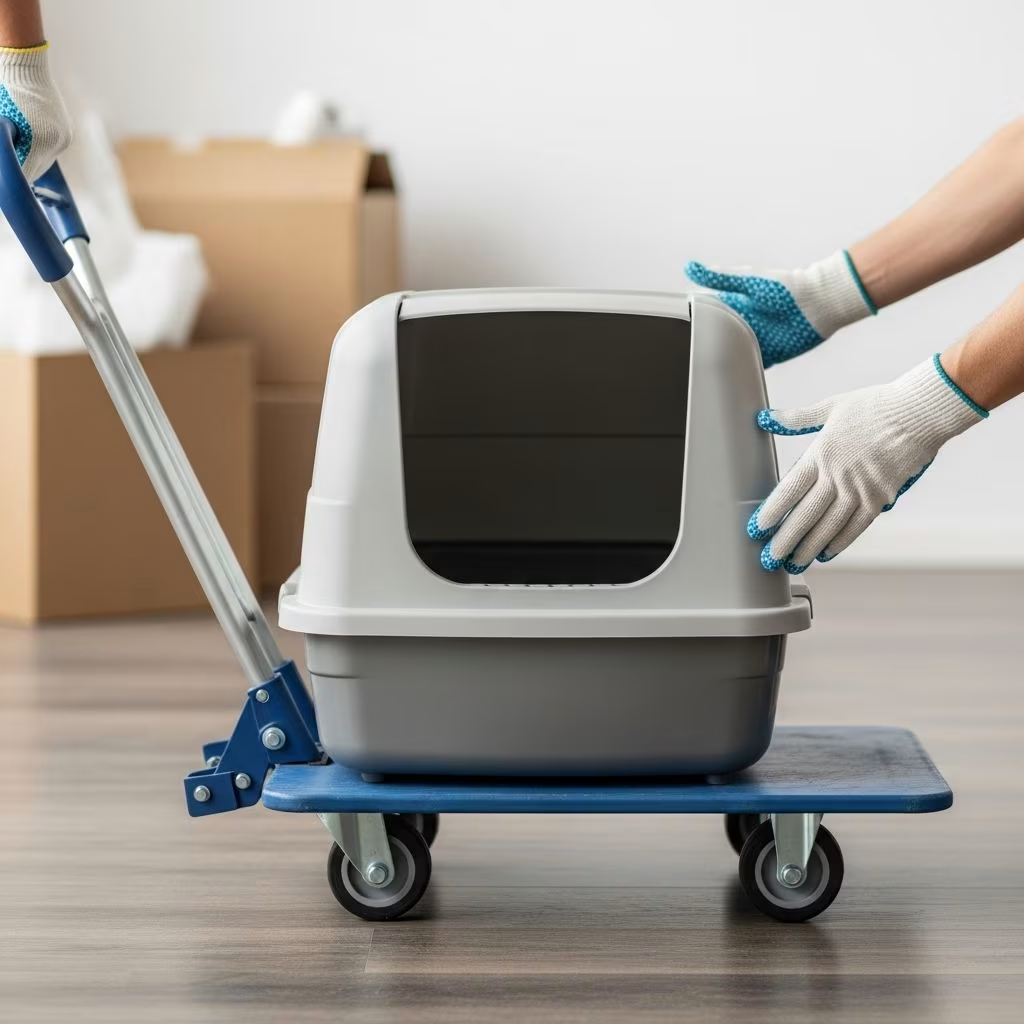
Moving a cat’s litter box requires careful planning to avoid stress, accidents, or elimination issues. Cats are creatures of habit, so a sudden change can lead to confusion or refusal to use the box. This guide covers everything from choosing the right new location to gradual transition methods, monitoring your cat’s response, and troubleshooting problems, ensuring a smooth process for you and your feline friend.
Why You Might Need to Move the Litter Box
There are several common reasons cat owners need to relocate the litter box. Home renovations, such as remodeling a nursery, home office, or craft room, often make the current spot unsuitable. Moving to a new house naturally requires repositioning the box. Changes like new flooring, furniture rearrangements, or introducing another pet can also necessitate a move. Even if possible, it’s best to keep the litter box in its familiar location, but when unavoidable, prioritize your cat’s comfort to maintain good litter habits.
Factors to Consider Before Moving
Before making any changes, evaluate key factors to ensure the transition succeeds. Cats thrive on stability, so assess if the move is truly necessary to minimize disruption.
- Accessibility: The new spot must be easy for your cat to reach, especially for seniors or those with mobility issues. Avoid stairs if possible for older cats.
- Quiet and Private: Choose a low-traffic, noise-free area away from food and water bowls, as cats dislike eliminating near feeding zones.
- Space: Provide enough room around the box for scratching, turning, and squatting without feeling cramped, which can cause anxiety.
- Safety: Select spots where the cat feels secure, not exposed or vulnerable.
Additionally, maintain the same litter type, box style, and cleanliness routine to avoid overwhelming your cat with multiple changes at once.
How to Choose the Best New Location for the Litter Box
Selecting an ideal spot is crucial for success. Opt for a quiet, private area with good ventilation but minimal drafts. Ensure it’s away from high-traffic zones, loud appliances, or busy family areas that might startle your cat.
Key dos and don’ts include:
- Do: Place it in a well-lit but not overly bright space; add familiar elements like matching flooring or nearby furniture to ease recognition.
- Don’t: Put it near food/water, in steamy bathrooms, or cramped corners.
- For Multi-Cat Homes: Consider adding extra boxes (one per cat plus one) in separate locations to reduce competition.
Test the spot by observing your cat’s preferences—many favor enclosed spaces like closets or laundry rooms.
Step-by-Step Guide: How to Move the Litter Box
Follow these proven steps for a stress-free relocation. Patience is key; rushing can lead to accidents.
1. Gradual Relocation Method
Move the box incrementally—a few inches or 1-2 feet every few days. For example, if shifting from basement to bathroom, progress along walls, stairs, and safe corners without big jumps. This lets your cat “follow” the box naturally.
2. Dual Litter Box Approach
Set up an identical second box in the new location with the same litter. Keep both until your cat consistently uses the new one (typically 1-2 weeks), then remove the old. Transfer some used litter to the new box for familiar scent.
3. Positive Reinforcement
Reward exploration and use of the new box with treats, praise, or play. Rub a cloth on your cat’s cheeks (scent glands) and place it in the new box to mark territory.
4. Cleanliness and Maintenance
Scoop daily, wash weekly with mild soap (no harsh chemicals). A dirty box discourages use, so consistency builds trust.
5. Environment Matching
Replicate the old setup: add carpet scraps, adjust lighting, or position familiar items nearby. Clean and deodorize the old spot to erase scents, then rearrange furniture there to deter return visits.
Confine your cat to a smaller area temporarily if needed, blocking off the old location to encourage discovery of the new one.
What to Do If Your Cat Won’t Use the New Litter Box
Inappropriate elimination is the top issue post-move. First, rule out medical causes like urinary tract infections (frequent urination, straining, blood in urine) by consulting a vet.
- Behavioral Fixes: If health is fine, revert to gradual moves or dual boxes. Ensure the box isn’t too small or covered inappropriately.
- Scent Strategies: Mix more old litter into new; use pheromone diffusers like Feliway for calming.
- Professional Help: If issues persist, see a vet or certified behaviorist for tailored advice.
Monitor for stress signs: hiding, aggression, or litter avoidance.
Monitoring Your Cat During and After the Move
Observe elimination habits closely. Track usage frequency and location. Normal cats use the box after meals/sleep; deviations signal problems.
| Sign | Possible Cause | Action |
|---|---|---|
| Refusal to use box | Stress or location dislike | Slow move, add box |
| Accidents outside box | Medical issue or confusion | Vet visit, clean spots |
| Straining/blood | UTI or crystals | Immediate vet care |
| Normal use | Successful transition | Remove old box |
Weigh your cat weekly; appetite/weight loss can indicate stress-related health dips.
Tips for Special Situations
- New Kittens: Train early with shallow boxes in accessible spots.
- Senior Cats: Low-entry boxes, ground-level locations.
- Multi-Cat Households: Multiple boxes, spaced out.
- New Home Move: Set up box immediately in a confined “safe room” first.
Frequently Asked Questions (FAQs)
Can you move a cat’s litter box suddenly?
No, sudden moves cause stress and accidents. Always use gradual methods.
How long does it take for a cat to adjust to a new litter box location?
Typically 1-2 weeks with dual boxes; longer if resistant.
What if my cat keeps going in the old spot?
Clean thoroughly with enzymatic cleaner, block access, and reinforce new spot.
Is it okay to move the litter box during a home renovation?
Yes, but plan ahead with temporary spots and monitor closely.
Should I change litter type when moving the box?
No, stick to the same to avoid double changes.
This comprehensive approach ensures most cats adapt well. Patience and consistency are vital for preserving your cat’s litter habits and household harmony.
References
- Can You Move a Cat’s Litter Box? Tips for a Smooth Transition — Shallowford Animal Hospital. 2023. https://shallowfordvet.com/can-you-move-a-cats-litter-box/
- How to Train a Cat to Use a Litter Box in a New Location — Pet Partners Bristol. 2023. https://petpartnersbristol.com/blogs/news/how-to-train-a-cat-to-use-a-litter-box-in-a-new-location
- How to Move a Litter Box — eHowPets (YouTube). 2015-05-26. https://www.youtube.com/watch?v=9uEQq_igp_Y



