

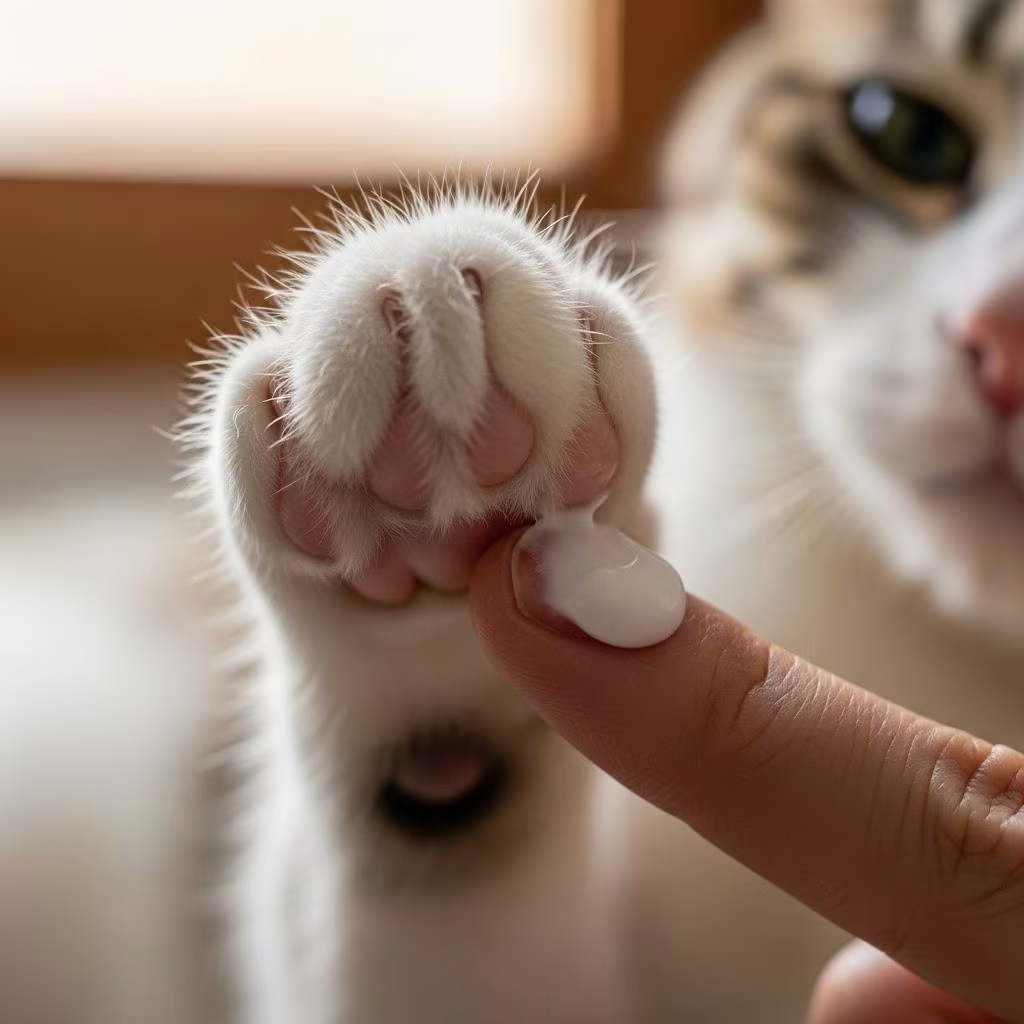
How to Moisturize Cat Paws: A Complete Care Guide
Cat paws are remarkable structures that enable your feline companion to climb, jump, and move with grace and precision. However, like any other part of your cat’s body, paw pads require proper care and maintenance to stay healthy and functional. Dry, cracked, or irritated paw pads can cause discomfort and affect your cat’s mobility and quality of life. Understanding how to properly moisturize your cat’s paws is an essential aspect of responsible pet ownership that many cat owners overlook.
Understanding Your Cat’s Paw Pad Structure and Function
Before diving into moisturization techniques, it’s important to understand why cat paws are so vital to their overall wellbeing. Cats are digitigrade walkers, meaning they walk on the balls of their feet and fingertips rather than their entire foot sole like humans do. This unique walking style is one reason why their paw pads are so specialized and require specific care.
Cat paw pads serve multiple critical functions that go far beyond simply providing a surface for walking:
- Shock Absorption: A cat’s paw pad acts like a natural shock absorber, protecting their bones and joints even when jumping from high places. This cushioning effect is essential for preventing injuries during their frequent leaping activities.
- Traction and Grip: Healthy paw pads provide excellent traction and grip for walking, running, and climbing. This is especially important for cats that enjoy vertical spaces like cat trees and shelves.
- Temperature Regulation: Cats have sweat glands located exclusively on their paw pads, not on the hair-covered parts of their body. This means paw pads play a crucial role in helping cats cool down or maintain appropriate body temperature.
- Sensory Perception: Cats’ paw pads are covered in nerve endings that help them detect pressure, texture, vibrations, and other environmental information. This sensory feedback is vital for their spatial awareness and hunting instincts.
Common Paw Pad Problems: Causes and Symptoms
Several conditions can affect your cat’s paw pads and compromise their health and comfort. Recognizing these problems early is essential for prompt treatment.
Dry and Cracked Paw Pads
Dry paw pads are one of the most common issues cat owners face. While cat paws should be generally dry to the touch, they should not be rough or cracked. Multiple factors can contribute to this condition:
- Dry weather or low humidity in your home, particularly during winter when heating systems run constantly
- Exposure to harsh chemicals such as household cleaning products
- Ice melt salt tracked indoors during winter months
- Walking on extremely hot or icy surfaces
- Excessive licking or grooming of the paws
- Insufficient dietary fatty acids and overall poor nutrition
- Dehydration from inadequate water intake
If the dryness worsens, it may cause paw pads to crack. Cracked paw pads can bleed, cause discomfort, and even lead to limping. Without treatment, cracked paws can become infected, requiring veterinary intervention.
Hyperkeratosis
Hyperkeratosis is a condition characterized by excessive keratin buildup on the paw pads. This can manifest as minor callousing or, in more severe cases, as horn-like growths on the bottom or side of the cat’s paw pad. While hyperkeratosis doesn’t always cause severe problems, cats are sensitive creatures and often experience irritation from this buildup. This irritation frequently leads to excessive licking of the paws, which can further exacerbate paw dryness. In more severe cases, cats may excessively chew, lick, or hold up their affected paw pad. If the growth forms on weight-bearing areas, it can cause significant discomfort, pain, and limping.
Dietary Factors and Hydration
Your cat’s diet plays a more significant role in paw health than many owners realize. A balanced diet is essential for maintaining healthy paw pads. Without proper nutrition, your cat’s skin—including their paws—can suffer.
Essential fatty acids are particularly important for maintaining healthy, flexible skin and paw pads. A lack of these nutrients can lead to dry, brittle paw pads that crack easily. Additionally, dehydration is a common issue that directly impacts paw pad health. If your cat isn’t drinking enough water, their paws and overall skin can become dry and prone to cracking.
To support healthy paw pads through nutrition:
- Choose high-quality cat food rich in omega fatty acids
- Consider vet-approved supplements specifically designed for skin and coat health
- Ensure fresh water is always available
- Incorporate wet food to boost overall hydration levels
How to Moisturize Cat Paws Safely
When your cat’s paws are dry or cracked, providing relief with a balm or salve designed for cats can make a significant difference. These moisturizing products are particularly helpful during dry weather or while you’re diagnosing and addressing underlying issues.
Choosing the Right Paw Moisturizer
It’s crucial to use products specifically formulated for cats rather than human lotions or balms, which may contain ingredients unsafe for felines. Pet-safe balms and salves designed for cats contain natural ingredients that are both effective and safe for your cat’s sensitive paws.
Look for products with the following characteristics:
- USDA organic certification
- Natural, ingredient-based formulas free from artificial preservatives
- Vet-formulated and vet-approved ingredients
- Gentle application methods (such as roll-on applicators)
Key Ingredients in Effective Paw Moisturizers
Quality cat paw moisturizers contain rich butters and oils that penetrate deeply into paw pads, resulting in moisturized, soothed paws that are soft, comfortable, and functioning properly. Common effective ingredients include:
- Shea Butter: Softens and conditions skin while providing deep moisturization
- Coconut Oil: A natural occlusive that locks in moisture
- Beeswax: A natural occlusive and humectant that attracts and locks in moisture
- Jojoba Oil: A natural occlusive derived from jojoba seeds that locks in moisture
- Olive Oil: Provides deep moisturization and protective properties
- Almond Oil: Nourishes and softens paw pad skin
- Castor Oil: Provides protective and moisturizing benefits
- Avocado Oil: Rich in nutrients and moisturizing properties
- Cocoa Seed Butter: Provides conditioning and protective benefits
- Botanical Infusions: St. John’s Wort, Comfrey, and Calendula oils offer soothing and healing properties
Environmental Protection and Prevention
Preventing paw pad problems is always better than treating them after they develop. Several environmental factors require attention:
Temperature Considerations
Both hot and cold weather can cause dry paws. Most homes have cement pavements that become extremely hot during warm months. Your cat must frequently use these sun-heated surfaces during walks, which can cause paw pads to crack and potentially burn. Cold surfaces pose equal risks, as do icy conditions in winter months.
Humidity and Indoor Environment
Dry weather or low humidity in your home from running heat during winter can cause cat paw pads to become dry. Maintaining appropriate humidity levels in your home during heating season can help prevent this issue.
Chemical Exposure
Keep your cat away from harsh chemicals, including household cleaning products, and be mindful of ice melt salt tracked indoors during winter. Wipe your cat’s paws after walks or using the litter box to remove dirt, salt, or other irritants.
Establishing a Paw Care Routine
Consistent paw care prevents problems from developing and catches issues early. Establish these regular practices:
Routine Paw Inspections
Regularly check your cat’s paws for cracks, dryness, or foreign objects between toes. Gently wipe their paws with a soft cloth and warm water to remove dirt and assess overall paw health. Avoid harsh soaps that can irritate these sensitive areas.
Nail Care
Trim nails regularly to prevent injury and maintain proper paw alignment. Regular nail maintenance is essential for overall paw pad health.
Safe Environment and Surfaces
Keep your cat away from extreme temperatures and maintain appropriate humidity levels to avoid dryness. Provide safe, soft surfaces for walking and scratching to protect paw pads from damage.
When to Seek Veterinary Care
While many cases of dry or cracked paws can be managed with proper moisturization and preventive care, some situations require professional veterinary attention. Contact your veterinarian if:
- Your cat’s paw pads are severely cracked or bleeding
- Signs of infection appear, such as swelling, redness, or discharge
- Your cat is limping or showing signs of pain
- Excessive licking or chewing persists despite moisturization efforts
- You suspect underlying allergies or skin conditions
- The problem doesn’t improve with over-the-counter treatments within 2-3 weeks
Frequently Asked Questions About Cat Paw Moisturization
Q: How often should I moisturize my cat’s paws?
A: The frequency depends on your cat’s specific needs and environmental conditions. During dry winter months or for cats with persistent dryness, daily moisturization may be necessary. For preventive care during normal conditions, 2-3 times per week is often sufficient. Always observe your cat’s response and adjust frequency accordingly.
Q: Can I use human moisturizers or lotions on my cat’s paws?
A: No, you should avoid human moisturizers and lotions. These often contain ingredients that may be toxic to cats or irritating to their sensitive paw pads. Always use products specifically formulated and vet-approved for feline use.
Q: What if my cat licks off the moisturizer immediately after application?
A: Some licking immediately after application is normal. However, ensure you’re using pet-safe products designed for cats, as they can safely ingest small amounts. If excessive licking occurs, try applying the product before bedtime when your cat is more likely to rest, or distract your cat with play or treats after application.
Q: Are there natural alternatives to commercial paw moisturizers?
A: Some natural options like coconut oil or olive oil can provide temporary relief, but commercial products specifically formulated for cats are superior because they’re designed for feline safety and absorption. Always consult your veterinarian before applying any new substance to your cat’s paws.
Q: How long does it take to see improvement in dry paws?
A: Most cats show improvement within 1-2 weeks of consistent moisturization. However, underlying issues like nutritional deficiencies or allergies may require additional treatment. If you don’t see improvement within 3 weeks, consult your veterinarian.
Q: Can diet changes alone fix my cat’s dry paws?
A: Diet plays an important role in skin and paw health, but it may not be the sole solution. A combination of proper nutrition, environmental adjustments, and topical moisturization typically provides the best results. Consult your vet about the best approach for your cat’s specific situation.
Conclusion
Moisturizing your cat’s paws is an important aspect of comprehensive feline care that directly impacts their comfort, mobility, and overall quality of life. By understanding the critical functions of paw pads, recognizing common problems, and implementing both preventive measures and proper moisturization techniques, you can help keep your cat’s paws soft, healthy, and free from irritation. A combination of appropriate moisturizing products, proper nutrition, environmental protection, and regular paw inspections creates a holistic approach to paw pad health. Should persistent issues develop despite your best efforts, don’t hesitate to consult your veterinarian, as they can identify underlying conditions and recommend professional treatment when necessary. With the right care and attention, your cat can remain comfortable and active throughout their life.
References
- Caring for Your Cat’s Paw Pads: Why Paw Butter Can Be a Game-Changer for Hyperkeratosis and Dry Paw Pads — The Blissful Pets. 2025. https://theblissfulpets.com/blogs/blog/caring-for-your-cats-paws
- kin+kind Nose & Paw Moisturizer — Dr. Judy Morgan. 2025. https://drjudymorgan.com/products/kin-kind-nose-paw-moisturizer
- Cracked & Dry Cat Paws: Why They Happen & How to Help — Lola Hemp. 2025. https://lolahemp.com/blogs/cat-health/cat-dry-paws-guide



