

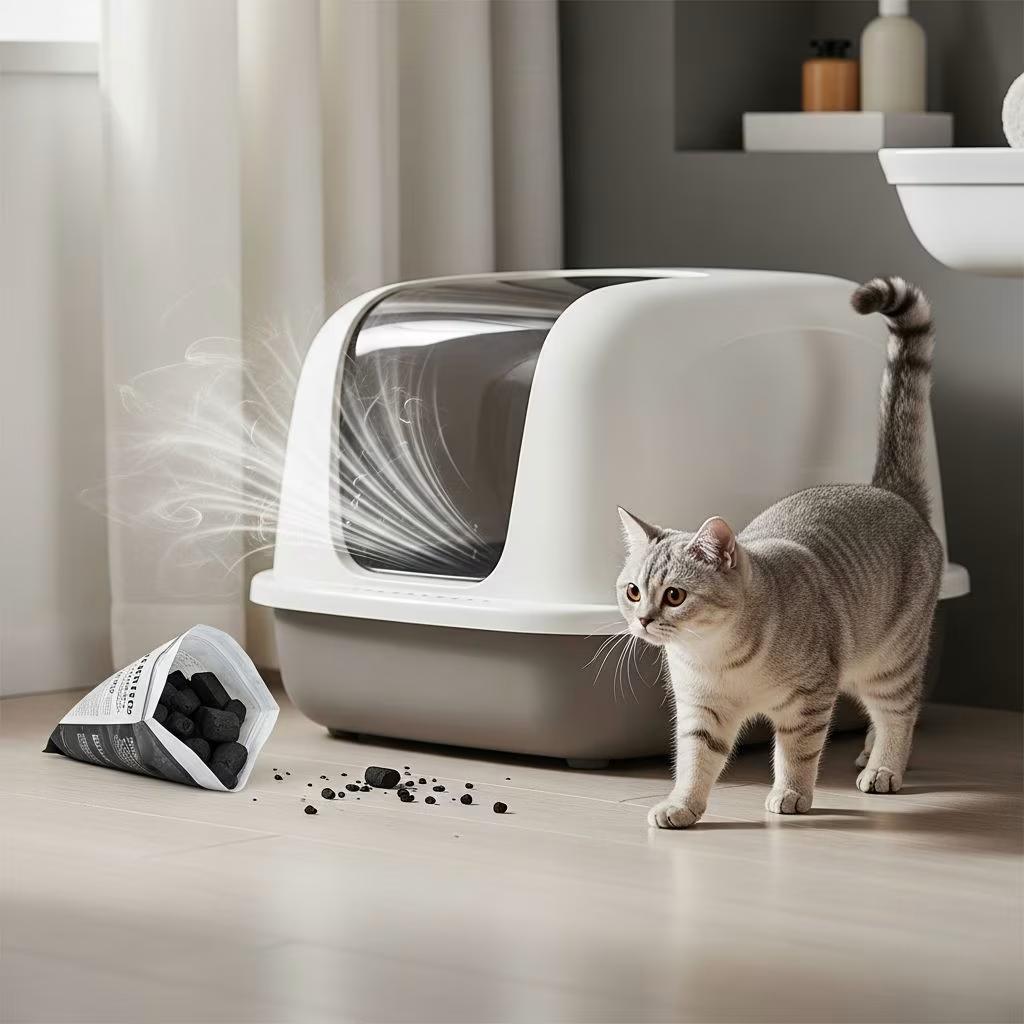
Cat litter box odors can quickly turn a cozy home into an unpleasant space, but with the right strategies, you can keep smells at bay effectively. Whether you have one cat or multiple, maintaining a fresh litter box is essential for your pet’s health and your comfort. This guide explores practical, proven methods to minimize odors, drawing from expert advice on scooping routines, litter selection, cleaning techniques, and innovative tools.
Why Does My Cat’s Litter Box Smell So Bad?
Understanding the root causes of litter box odors is the first step to effective control. Cat urine contains ammonia, which produces a strong smell as it breaks down, while feces contribute organic odors that intensify over time. Poor litter absorbency, infrequent scooping, and bacterial buildup exacerbate the issue. Factors like diet, hydration, and health conditions in cats can also influence odor strength—dehydration leads to more concentrated urine, amplifying smells. In multi-cat households, concentrated waste in one box worsens the problem. Addressing these through hygiene and litter choices prevents odors from lingering.
Scoop the Litter Box Daily
The simplest and most effective way to combat litter box odors is daily scooping. Removing waste promptly prevents ammonia buildup and bacterial growth that cause persistent smells. Aim to scoop at least once a day, ideally twice for multi-cat homes or strong odors. Use a durable scoop to gently lift clumps, shaking off excess litter, and scrape box edges to remove stuck urine. Dispose of waste in a sealed bag or odor-trapping system like a Litter Genie to contain smells during removal. Consistency here reduces overall odor by up to 80% compared to weekly scooping alone.
- Scoop under visible waste to capture hidden clumps.
- Scrape sides and bottom to prevent residue buildup.
- Perform this routine morning and evening for best results.
Choose the Right Type of Cat Litter
Litter type significantly impacts odor control. Different materials offer varying absorbency, clumping ability, and scent neutralization. Selecting the best for your cat’s preferences and your home’s needs is key.
Clay Cat Litter
Clay litter, the most popular choice, comes in non-clumping and clumping varieties. Non-clumping allows urine to seep through, creating odor at the bottom—change it every few days. Clumping clay forms solid balls for easy scooping; daily removal lets you refresh the box weekly. It effectively traps odors within clumps but requires regular maintenance.
Pine Cat Litter
Made from compressed pine sawdust pellets, pine litter naturally combats odors with its pine scent and absorbency. Clumping versions need daily scooping and weekly changes; non-clumping requires more frequent full replacements to avoid soggy, smelly buildup. Test acceptance, as some cats dislike the texture.
Paper Cat Litter
Recycled paper litter is highly absorbent and eco-friendly but lacks inherent scent. It clumps well, following similar change schedules as pine. Wet paper can stick to box surfaces, making cleaning trickier—rinse thoroughly during refreshes.
Crystal Cat Litter
Silica crystal litter excels in odor control, absorbing up to five times more than clay due to its porous structure. It requires minimal scooping and can last weeks or a month in self-cleaning boxes, making it ideal for low-maintenance households.
| Litter Type | Odor Control | Scooping Frequency | Full Change |
|---|---|---|---|
| Clay (Clumping) | Good | Daily | Weekly |
| Pine | Good (natural scent) | Daily (clumping) | 1-2 weeks |
| Paper | Fair | Daily | 1-2 weeks |
| Crystal | Excellent | Minimal | 2-4 weeks |
Deep Clean the Litter Box Regularly
Beyond daily scooping, periodic deep cleaning eliminates residual odors. Dump all litter when it smells, even with regular scooping. Rinse the box with hot water and mild dish soap, avoiding harsh chemicals that linger. For stubborn urine smells, use an enzymatic cleaner to break down proteins—unlike bleach, which can create toxic fumes. Dry completely before refilling to prevent bacterial regrowth. Frequency: every 1-2 weeks for clumping litters, more often for non-clumping.
- Rinse with hot water and soap.
- Apply enzymatic cleaner; let sit 10-15 minutes.
- Scrub and dry thoroughly.
Use Litter Box Deodorizers and Additives
Deodorizers enhance litter’s natural abilities without overpowering scents. Baking soda absorbs odors effectively—sprinkle a thin layer at the bottom before adding litter. Activated charcoal, odorless and powerful, can be mixed sparingly into litter or hung nearby in sachets. Avoid scented additives or litters, as they may deter cats or mix poorly with waste smells, creating worse odors. Charcoal mimics pre-commercial litters and works well in disposal units.
- Baking soda: 1/4 inch layer under litter.
- Activated charcoal: Small amounts mixed in or hung near box.
- Skip fragrances to cat-proof the box.
Consider Adding a Second Litter Box
In multi-cat homes or for odor dilution, a second box reduces waste concentration per box. Follow the rule: one box per cat plus one extra. Place them in quiet, accessible spots away from food. This promotes faster drying of waste, cutting odors as less saturation occurs per site. Surprisingly, it doesn’t double smells—it halves intensity.
Try Self-Cleaning Litter Boxes
Self-cleaning boxes automate odor control with rakes or sifting that remove waste into sealed compartments. Paired with crystal litter and disposable trays, they minimize hands-on work—change trays every few weeks. Sensors detect use, ensuring privacy. Ideal for busy owners, they outperform manual boxes in sustained freshness.
Improve Litter Box Location and Ventilation
Placement matters: avoid high-traffic, food-adjacent, or enclosed spots that trap smells. Open boxes outperform covered ones for airflow. Ensure good room ventilation—crack a window or use a quiet air purifier nearby (not directly over the box to avoid startling cats). Purifiers with HEPA filters capture airborne particles effectively.
- Quiet, low-traffic areas.
- Open design for air circulation.
- Air purifier in the room for broader odor mitigation.
Monitor Your Cat’s Health and Diet
Persistent odors may signal issues like urinary tract infections, diabetes, or poor diet causing smelly urine. Ensure fresh water intake for dilution. High-quality food reduces strong waste odors. Consult a vet if smells suddenly intensify or cats avoid the box—health fixes often resolve odor problems at the source.
Frequently Asked Questions (FAQs)
What is the best litter for odor control?
Crystal litter offers superior absorption, lasting weeks with minimal changes, though clumping clay is a reliable daily option.
How often should I change the litter completely?
Weekly for clumping litters, 1-2 weeks for pine/paper, and up to a month for crystals in self-cleaning setups.
Do covered litter boxes reduce odors?
Often not— they trap smells; open boxes with good ventilation work better.
Can baking soda harm my cat?
In small amounts under litter, no; it absorbs odors safely without strong scent.
Why does my litter box still smell after scooping?
Residue or health issues; deep clean with enzymatic spray and check cat’s diet.
References
- The 7 Best Ways to Control Litter Box Odor — PetSafe. Accessed 2026. https://www.petsafe.com/blog/how-to-control-litter-box-odor/
- How To Get Rid Of Cat Litter Box Odors — Class Act Cats. Accessed 2026. https://classactcats.com/blog/how-to-get-rid-of-cat-litter-box-odors/
- 4 Cat Litter Box Odor Eliminating Tricks — YouTube (Video Transcript). Accessed 2026. https://www.youtube.com/watch?v=4zDezBVXhi4



