

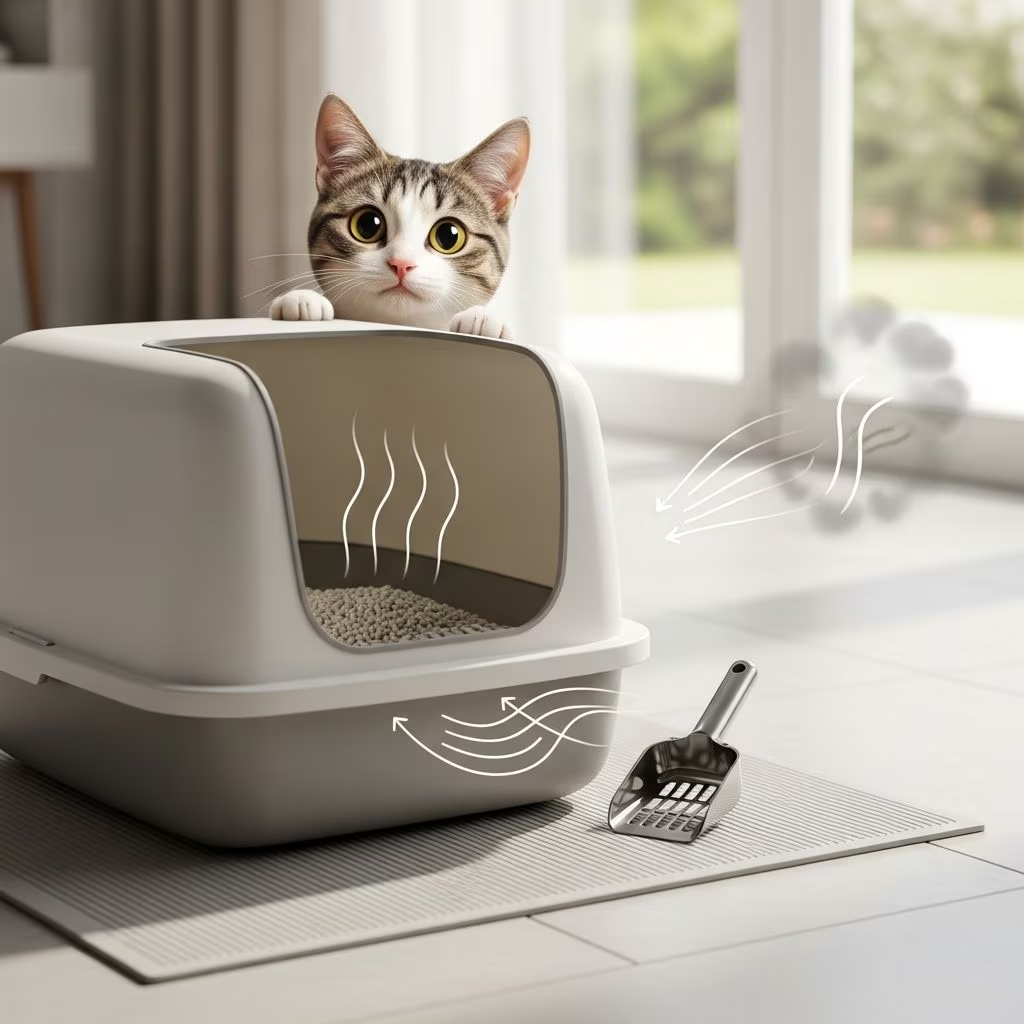
Cat litter box odors can quickly turn a cozy home into an unpleasant space, but with the right strategies, you can keep smells at bay effectively. This comprehensive guide covers daily maintenance, litter selection, cleaning techniques, and additional tips to ensure your cat’s litter box remains fresh and inviting for both you and your feline companion.
Why Does My Cat’s Litter Box Smell So Bad?
Litter box odors primarily stem from urine and feces breakdown, producing ammonia and other pungent compounds. Factors like infrequent scooping, poor litter quality, inadequate box size, diet high in certain proteins, and lack of ventilation exacerbate the issue. Bacteria thrive in moist environments, amplifying smells over time. Addressing these root causes is key to long-term odor minimization.
How Often Should You Clean a Litter Box?
Scooping the litter box **daily** is the most critical step in odor control, with twice-daily scooping ideal for multi-cat households. This prevents waste buildup, which is the primary odor source. Thorough weekly washes and full litter replacements every 2-4 weeks depending on usage maintain hygiene. Consistent routines reduce bacterial growth and keep the box appealing to your cat.
- Scoop solid waste and clumped urine immediately upon noticing it.
- Scrape box sides to remove stuck urine crystals.
- Monitor for changes in odor intensity, which may signal health issues in your cat.
Best Type of Litter for Odor Control
Choosing the right litter significantly impacts odor management. **Clumping litters** excel by isolating waste for easy removal, preventing widespread contamination. Crystal silica litters offer superior absorption due to their gel-like structure that traps moisture and odors effectively.
| Litter Type | Odor Control Level | Pros | Cons |
|---|---|---|---|
| Clumping Clay | High | Easy scooping, affordable | Dusty, tracks more |
| Non-Clumping Clay | Medium | Cheaper | Harder to clean, poorer control |
| Silica Crystal | Very High | Excellent absorption, lightweight | More expensive, some cats dislike texture |
| Pine/Wood | Medium-High | Natural deodorizing | Strong scent initially |
Opt for unscented varieties to avoid deterring sensitive cats. Transition gradually if switching types to prevent accidents.
Best Litter Boxes for Odor Control
Litter boxes should be **twice the size of your cat** to allow natural digging and covering behaviors, reducing scattered waste and odors. Avoid plastic liners, as they trap urine and worsen smells. Open-top boxes promote better airflow than covered ones, which concentrate odors. For multi-cat homes, provide one box per cat plus one extra, placed in quiet, accessible locations.
- Large, high-sided open boxes minimize tracking and overflow.
- Top-entry boxes can work for some cats but may trap smells.
- Replace boxes every 1-2 years if odors persist despite cleaning, as porous plastic absorbs scents permanently.
Deep Cleaning Your Litter Box
Monthly deep cleans are essential. Empty all litter, wash with mild, unscented soap and hot water, avoiding bleach or harsh chemicals that linger and repel cats. Use enzymatic cleaners to break down urine proteins at a molecular level. Dry completely before refilling to prevent bacterial regrowth.
- Dump litter completely.
- Scrub sides and bottom thoroughly.
- Rinse multiple times with hot water.
- Apply enzymatic spray and let sit 10-15 minutes.
- Dry in sunlight if possible for natural disinfection.
Litter Box Additives and Deodorizers
Selective additives enhance odor control without overwhelming scents. **Activated charcoal** absorbs odors effectively without fragrance, mimicking pre-commercial litters. Sprinkle lightly or use hanging sachets near the box. Baking soda in moderation at the bottom neutralizes smells but avoid excess to prevent cat aversion. Skip scented additives, as they mix poorly with waste odors, creating worse smells.
Pet-safe odor eliminators sprayed around (not in) the box provide additional neutralization. Always test for cat acceptance.
Ventilation and Location Tips
Proper placement prevents odor buildup. Avoid enclosed spaces like closets; opt for well-ventilated areas like laundry rooms or screened porches. Ensure easy access for your cat while maximizing airflow. Quiet air purifiers on low settings in the same room (not next to the box) filter airborne particles effectively.
- Use exhaust fans during cleaning.
- Place box away from food areas.
- Open windows periodically for fresh air circulation.
Diet and Hydration’s Role in Litter Box Odors
Your cat’s diet influences waste odor. High-protein foods produce more ammonia; experiment with protein sources like switching from chicken to fish-based diets. Encourage **plenty of water intake** through fountains or wet food to dilute urine, reducing smell intensity. Consult a vet before major changes to rule out urinary issues.
Products That Help Control Litter Box Odor
Complement routines with quality tools:
- Enzymatic cleaners for deep urine breakdown.
- Litter genies for sealed waste disposal.
- Activated charcoal bags for passive absorption.
- HEPA air purifiers for ambient air cleaning.
- Odor-eliminating sprays for surrounding areas.
Troubleshooting Persistent Odors
If smells linger, check for underlying issues: urinary tract infections increase odor; vet visit recommended. Ensure box count matches cats (n+1 rule). Fully replace litter if saturated. Test new boxes if old ones retain scents.
Frequently Asked Questions (FAQs)
Why does my litter box smell even after scooping?
Residual urine crystals on sides or saturated litter base cause lingering odors. Deep clean with enzymatic products and replace litter fully.
Are covered litter boxes better for odor control?
No, they often trap smells; open boxes allow ventilation and suit most cats.
Can baking soda go in the litter box?
Yes, sparingly at the bottom, but monitor for cat avoidance due to scent.
How many litter boxes for two cats?
Three boxes total to prevent territorial issues and distribute waste load.
Does litter type affect odor the most?
Scooping frequency matters most, but clumping or crystal litters enhance control.
References
- Top 7 Litter Box Odor Control Solutions — Angry Orange. 2023-05-15. https://angryorange.com/blogs/news/top-7-litter-box-odor-control-solutions
- How To Get Rid Of Cat Litter Box Odors: Easy Hints To Banish The Smell — Class Act Cats. 2024-02-10. https://classactcats.com/blog/how-to-get-rid-of-cat-litter-box-odors/
- 4 Cat Litter Box Odor Eliminating Tricks — PrettyLitter YouTube Channel. 2023-11-20. https://www.youtube.com/watch?v=4zDezBVXhi4
- Indoor Air Quality Guidelines for Pets — American Veterinary Medical Association (AVMA). 2024-08-01. https://www.avma.org/resources-tools/pet-owners/petcare/indoor-air-quality-pets
- Feline Lower Urinary Tract Disease Guidelines — International Society of Feline Medicine (ISFM). 2023-06-12. https://doi.org/10.1177/1098612X231167819



