

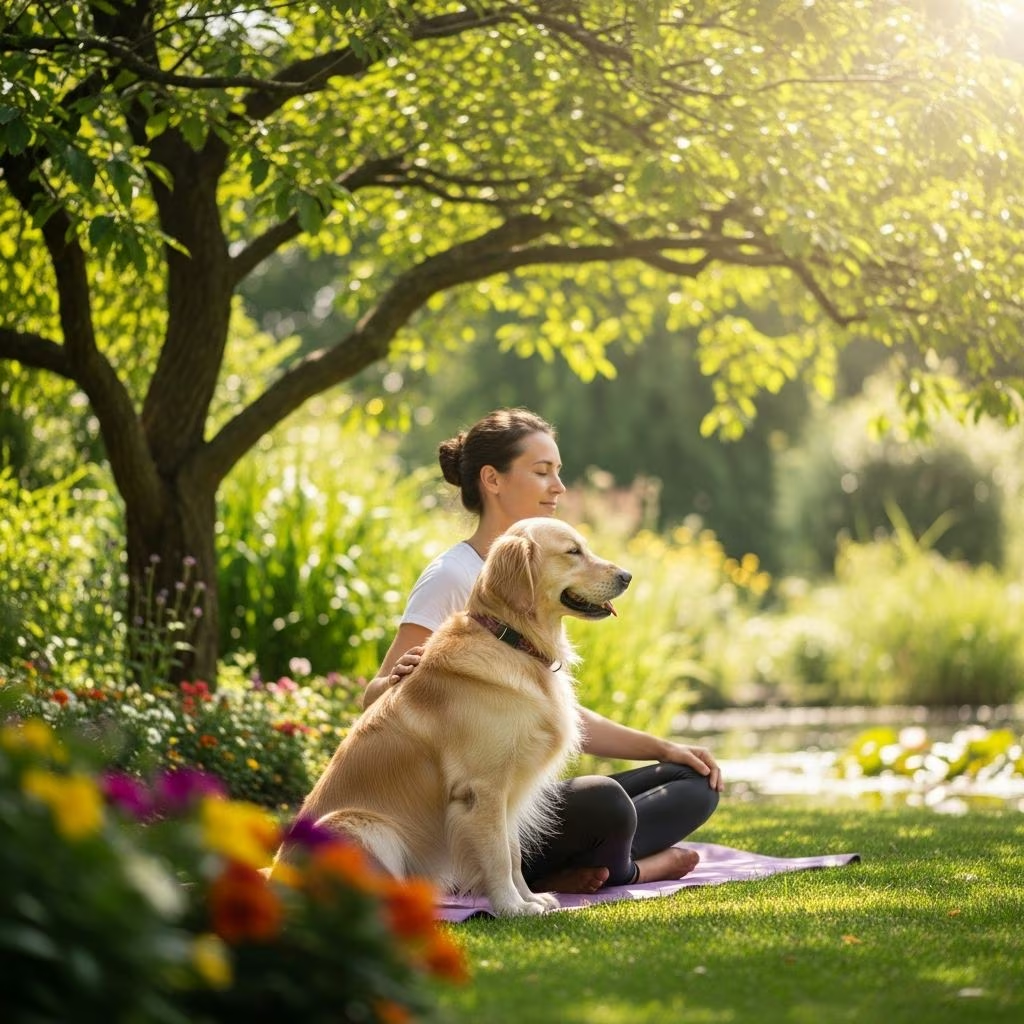
How to Meditate with Your Dog
In today’s fast-paced world, finding moments of calm has become increasingly important—not just for us, but for our furry companions as well. Meditation with your dog offers a unique opportunity to slow down, connect deeply, and create a shared experience of tranquility. Whether your dog is anxious, hyperactive, or simply needs more quality time with you, incorporating meditation into your routine can transform your relationship and improve both your well-being and theirs.
Meditating with your dog is more than just sitting quietly together. It’s a practice that leverages the natural calming presence of your pet while allowing you to be fully present in the moment. Dogs are incredibly intuitive creatures that pick up on our energy, breathing patterns, and emotional states. When you meditate with your dog, you’re essentially creating a synchronized experience where both of you benefit from reduced stress, improved focus, and enhanced emotional connection.
Understanding the Benefits of Dog Meditation
The practice of meditating with your dog offers numerous advantages for both you and your pet. Research shows that being around dogs naturally lowers stress hormones like cortisol while increasing oxytocin, the bonding hormone. When you combine this natural benefit with intentional meditation, you amplify the positive effects exponentially.
Stress Reduction and Anxiety Relief
One of the most significant benefits of dog meditation is its ability to reduce stress and anxiety in both you and your pet. Dogs are perceptive animals that absorb our emotions like emotional sponges. When you’re stressed, your dog senses it and becomes stressed too. Conversely, when you’re calm and centered during meditation, your dog naturally mirrors that peaceful energy. This creates a positive feedback loop where your calm nervous system signals to your dog that everything is safe, helping them relax as well.
For anxious dogs, regular meditation sessions can help lower stress levels and reduce reactive behaviors. Dogs living in busy households or urban environments experience various stressors throughout their day, and meditation provides a predictable, calm routine that allows their nervous system to reset and find equilibrium.
Improved Focus and Behavioral Balance
Hyperactive dogs with boundless energy benefit significantly from meditation practice. While meditation won’t replace their need for physical exercise, it teaches dogs to balance activity with moments of stillness, providing crucial mental exercise alongside physical activity. If your dog is always on high alert, barking at every sound or sprinting around like they’ve consumed an excessive amount of caffeine, mindfulness exercises can help them learn to settle down and focus.
This improved focus extends to your own behavior as well. If you find yourself constantly bouncing from thought to thought, meditating with your dog offers a way to ground yourself and train your brain to focus on the present moment.
Strengthening Your Bond
Perhaps one of the most rewarding benefits of dog meditation is the deepened connection it creates between you and your pet. Dogs thrive on routine and consistency, and introducing meditation as part of your daily ritual creates a shared moment of calm. Over time, your dog may even start anticipating this quiet time with you, making it an increasingly special part of your bond. The practice builds a bridge of communication through shared intention and synchronized breathing, fostering deeper understanding and trust.
Emotional Regulation and Security
For anxious or insecure dogs—especially rescued dogs who may have experienced trauma—meditation provides a sense of security and fosters safety and trust. When you consciously regulate your breathing and energy during meditation, your dog feels that calm presence and learns to associate your presence with safety. This emotional regulation skill becomes increasingly valuable for dogs facing separation anxiety or other behavioral challenges.
Getting Started: Basic Meditation Techniques with Your Dog
Beginning a meditation practice with your dog doesn’t require special equipment or extensive training. Here are fundamental techniques to help you and your pup get started.
Start with Deep Breathing
The foundation of any meditation practice begins with conscious breathing. Find a comfortable spot where you and your dog can sit or lie down together—this might be on the floor, couch, or even in your backyard. Begin by taking slow, deep inhales through your nose, holding for a moment, then exhaling through your mouth.
Make your inhales and exhales slightly audible so your dog can tune into your breathing rhythm. Your dog may immediately snuggle up beside you, stare at you with confusion, or treat this as an invitation to shower you with kisses. Whatever happens, simply continue breathing and allow the practice to unfold naturally. Even if your dog doesn’t seem immediately interested, consistency is key.
Practice Mindful Petting
One of the most enjoyable meditation practices you can do with your dog involves transforming regular petting into a mindful experience. Petting your dog releases oxytocin—the love hormone—in both of you while simultaneously lowering stress hormones. To turn this into a meditation practice, pet your dog slowly and intentionally, paying attention to the texture of their fur, the warmth of their body, and the rhythm of your touch.
Feel every sensation beneath your fingers. Notice how your dog responds to different pressure and speed. Every time your mind wanders to your to-do list or daily concerns, gently bring it back to this simple, sensory experience. Your dog will likely melt into a puddle of relaxation as they enjoy the focused attention and affection.
Breath Alignment and Synchronization
An advanced technique involves synchronizing your breathing with your dog’s breathing pattern. This creates a powerful connection at an energetic level. To practice this, gently place your hand on your dog’s chest and feel the rise and fall as they breathe. Try to match their breathing rhythm with your own, or guide them to match yours by making your breaths slightly more pronounced.
You can even count seconds to help time your inhales, holds, and exhales. Different breathing patterns can alter your physiological state and promote relaxation. This synchronized breathing is particularly effective for building communication and deepening your connection with your pet.
Advanced Meditation Practices
Once you’ve established a basic meditation routine, you can explore additional techniques that may resonate with your dog’s personality and preferences.
Guided Visualization
Guided visualization works particularly well for dogs who respond to storytelling and vocal cues. Speak softly about peaceful scenes like meadows, beaches, or quiet forests while maintaining your calm energy. Describe the sensations—the warmth of the sun, the gentle breeze, the soft grass beneath paws. Your dog may not understand the literal words, but they will absorb your calm tone and visualized peace.
Sound Meditation
Some dogs respond beautifully to gentle sound meditation using instruments like singing bowls or soft music specifically designed for dog relaxation. Introduce any sounds gradually and at low volume, carefully watching for signs of relaxation rather than distress. Some dogs may find deep, resonant sounds soothing, while others prefer lighter, more gentle tones.
Aromatherapy Enhancement
Some pet parents incorporate aromatherapy into their meditation practice using properly diluted lavender essential oil or other calming scents. Always ensure any aromatherapy products are safe for dogs and used in appropriate dilutions. The gentle scent can create an additional layer of sensory calm to enhance your meditation experience.
Creating the Perfect Meditation Environment
The setting where you practice meditation with your dog can significantly impact the quality of your experience. Here are key elements to consider:
- Quiet Space: Choose a location away from loud noises, distractions, and high foot traffic in your home
- Comfortable Temperature: Ensure the area is cool enough for your dog, especially if they have thick fur
- Soft Surfaces: Use cushions, blankets, or yoga mats to create comfort for both you and your dog
- Limited Distractions: Close doors to reduce external stimuli and create a contained, safe space
- Consistent Location: Practice in the same spot regularly so your dog begins to associate that space with calm meditation
- Time Selection: Choose a consistent time—morning, evening, or after physical exercise—to establish routine
Building a Consistent Practice
Like any meditation practice, consistency matters far more than duration. You don’t need lengthy sessions to see results. Even just 5-10 minutes of daily meditation can make a noticeable difference in your dog’s behavior and your own stress levels.
Start with brief sessions of 5 minutes and gradually extend the duration as you and your dog become more comfortable with the practice. Most dogs can work up to 10-15 minute sessions with consistent practice. The key is establishing this as a non-negotiable part of your daily routine, whether it’s in the morning before work, during lunch break, or before bedtime.
When your dog sits quietly beside you during meditation, offer gentle praise in a soft voice. Eventually, the meditation itself becomes the reward, and your dog will begin anticipating and seeking out these quiet moments with you.
Addressing Specific Behavioral Issues
Different dogs face different challenges, and meditation can address a variety of behavioral and emotional issues.
Separation Anxiety
Many dog owners report improvements in separation anxiety after establishing regular meditation practices with their dogs. The practice builds confidence and emotional regulation skills that help dogs cope better when alone. By teaching your dog to find calm within themselves during shared meditation sessions, they learn tools they can apply even when you’re not physically present.
Hyperactivity and Impulse Control
For hyperactive dogs, mindful moments can teach them how to self-soothe and settle more easily throughout the day. These sessions provide mental stimulation and teach impulse control that translates to better behavior during other activities and interactions.
Senior Dogs and Comfort
For older dogs, meditation provides comfort and a sense of closeness during their later years. Senior dogs often experience increased anxiety, pain, or health concerns, and regular meditation creates a calming presence that soothes them while reinforcing your bond and providing emotional support.
Tips for Success
To maximize the benefits of your dog meditation practice, keep these important tips in mind:
- Be Patient: Not all dogs will immediately settle into meditation. Some may need several sessions to understand the practice
- Let Go of Expectations: Your dog doesn’t need to sit perfectly still. Gentle movement or shifting positions is perfectly acceptable
- Follow Your Dog’s Lead: Some dogs prefer touch, while others are more relaxed by sound or scent. Experiment to find what works best
- Stay Calm Yourself: Your dog will sense if you’re frustrated or impatient. Maintain your own calm energy throughout
- Avoid Forcing It: If your dog is resistant, take a break and try again later. Meditation should feel voluntary and enjoyable
- Combine Modalities: Mix different techniques—breathing, petting, visualization, sound—to keep the practice fresh and engaging
Creating a Shared Ritual
One of the most powerful aspects of meditating with your dog is creating a shared daily ritual. Dogs thrive on routine and somehow know the exact moment when it’s time for dinner, walks, or treats. Introducing meditation as a consistent part of your daily schedule helps create a special moment of calm between you and your pet.
This ritual can happen in the morning to start your day peacefully, during midday as a stress-break, or in the evening to wind down together before bed. Over time, your dog will begin anticipating this quiet time with you, creating an increasingly meaningful bond. The predictability and consistency of this ritual provide your dog with a sense of security and structure.
When to Meditate with Your Dog
Timing can influence the effectiveness of your meditation practice. Consider these optimal times:
– After physical exercise when your dog is naturally calmer- During typically stressful times (thunderstorms, holidays with visitors)- Before separation (morning departure for work)- Evening wind-down before sleep- Whenever you personally need stress relief
Frequently Asked Questions
Q: How long should I meditate with my dog?
A: Start with 5-10 minutes daily and gradually extend to 10-15 minutes as your dog becomes more comfortable with the practice. Even brief sessions yield significant benefits when practiced consistently.
Q: Can older dogs meditate?
A: Absolutely. Meditation can be particularly beneficial for senior dogs, providing comfort, emotional support, and a sense of closeness during their later years.
Q: Will meditation help my dog’s separation anxiety?
A: Many owners report improvements in separation anxiety after establishing regular meditation practices. The practice builds emotional regulation skills that help dogs cope better when alone.
Q: What if my dog won’t sit still during meditation?
A: That’s completely normal. Your dog doesn’t need to sit perfectly still. Gentle movement and shifting positions are acceptable. Focus on maintaining your own calm energy.
Q: Can I meditate with multiple dogs?
A: Yes, you can meditate with multiple dogs, though they may have varying responses. You might want to start with individual sessions to establish the practice before attempting group meditation.
Q: Does my dog need any special training to meditate?
A: No special training is required. Dogs naturally respond to calm energy and routine. Simply begin practicing and allow your dog to participate at their own pace.
References
- Why Dog Meditation Is Becoming Popular Among Pet Owners — Pet Made. Blog. https://blog.petmade.com/meditation-for-dogs/
- How meditating with your dog can ease stress (for you both!) — Calm. 2024. https://www.calm.com/blog/dog-meditation
- Meditation for Dogs — Dog Cancer. 2024. https://www.dogcancer.com/articles/diet-and-lifestyle/meditation-for-dogs/
- Learn More About Meditation for Dogs — Purina New Zealand. https://www.purina.co.nz/care-and-advice/dog/behaviour-and-training/meditation-for-dogs
- The Benefits of Dog Meditation For You and Your Pooch — Barking Heads. https://barkingheads.co.uk/blogs/news/the-benefits-of-dog-meditation-for-you-and-your-pooch



