

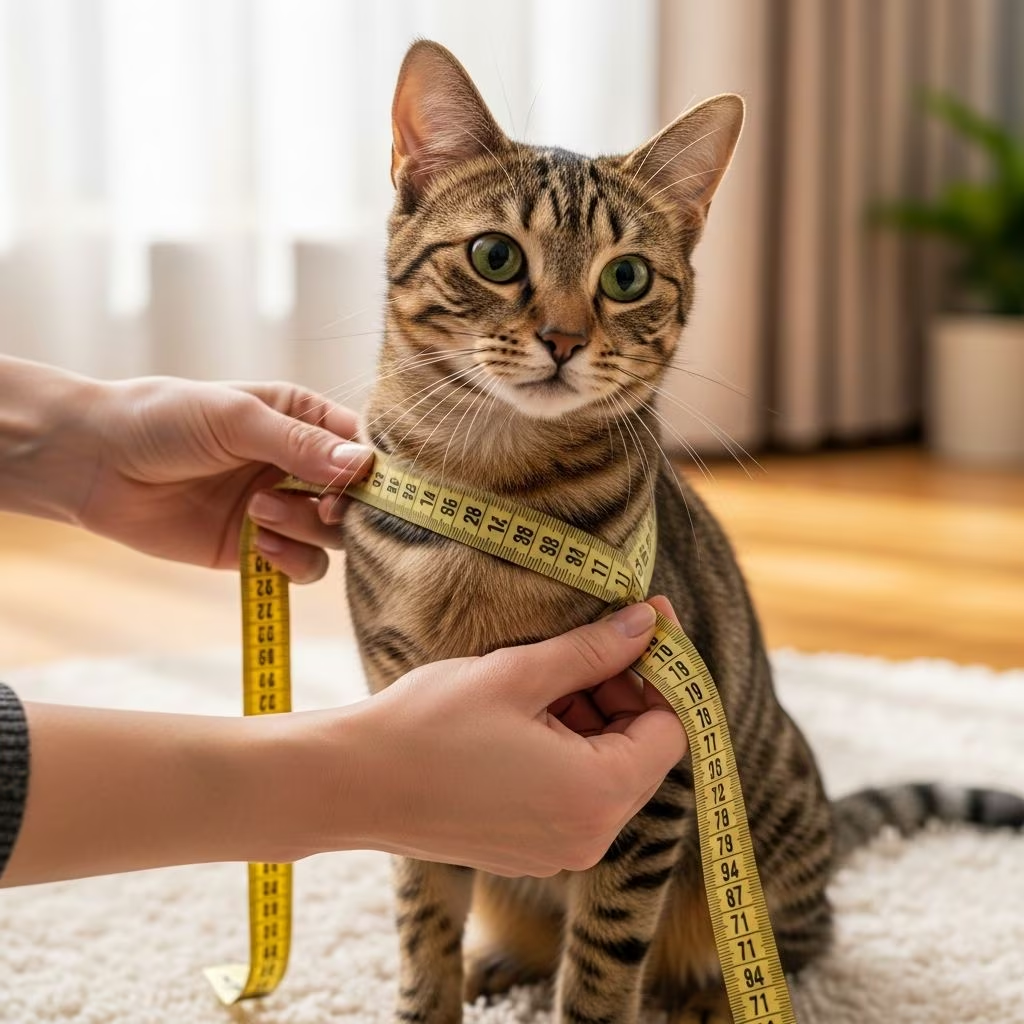
Outfitting your cat with a properly fitted harness is essential for safe outdoor adventures, whether you’re taking leisurely walks or exploring new environments. A well-measured harness prevents escapes, chafing, and discomfort while allowing your feline friend full mobility. This guide provides three straightforward, veterinarian-approved tips to measure accurately, interpret sizing charts, and achieve the ideal fit. We’ll cover measurement techniques, common pitfalls, adjustable options, and real-world size examples from trusted brands.
The 3 Tips for the Purrfect Fit
Getting the right harness size boils down to precise measurements and smart comparisons. Follow these vet-recommended steps to ensure your cat’s harness is snug yet comfortable, reducing the risk of slippage or injury during use.
1. Measure the Chest
The chest girth is the primary measurement for most cat harnesses, as it secures the bulk of the harness around your cat’s torso. Position the tape measure right behind the shoulder blades—never directly on them—to capture the widest part of the chest. This spot, often just past the front legs or armpits, ensures the harness sits securely without restricting movement.
To measure effectively:
- Wait until your cat is relaxed, perhaps after a meal or play session, to minimize squirming.
- Use a soft cloth measuring tape for accuracy; if unavailable, employ string or yarn, then measure it against a ruler.
- Wrap snugly against the fur, compressing fluff to touch the skin for true girth—loose measurements lead to oversized fits.
- Note both chest and lower neck (breastbone to shoulder blades) if the manufacturer requires it; avoid collar-level neck spots.
Aim for two fingers’ width of space under the fitted harness for breathability and safety. Typical adult cat chest girths range from 12-20 inches, varying by breed and build.
2. Compare to the Manufacturer’s Chart
Measurements alone aren’t enough—each brand’s sizing differs due to design variations like H-style, vest, or step-in harnesses. Always consult the specific product’s size chart before purchasing to match your numbers precisely.
Key factors in charts:
- Chest Girth Dominance: Most prioritize this over neck size.
- Adjustability: Look for models with multiple Velcro or buckle points for 2-4 inches of flexibility.
- Between Sizes: Opt for the larger if your kitten is growing; smaller for adults to prevent escapes.
Here’s a comparison table of popular harness sizes from various brands, highlighting girth ranges (in inches):
| Size | Kitty Holster | PetSafe | YourCatBackpack | Zee.Dog |
|---|---|---|---|---|
| XS | 10-14 | – | Teeny Kittens | – |
| S/Small | 13-17 | 9-11 | Older Kittens/Small | One-Size (10.2-16.2 waist) |
| M/Medium | 16-20 | 10.5-14 | Average Cats | – |
| L/Large | 19-23 | 13-18 | Bigger Boned | – |
These charts underscore variability: a 14-inch girth might be Small in one brand, Medium in another. Cross-reference neck measurements too, typically 9-13 inches for averages.
3. Check the Fit and Make Adjustments
Once the harness arrives, perform a fit test indoors. It should hug the body without gaps larger than two fingers, yet allow shoulder flexion for walking or jumping. Test by gently tugging; your cat shouldn’t back out easily.
Adjustment tips:
- Snug but Kind: Tight enough to prevent Houdini escapes, loose enough for deep breaths.
- Mobility Test: Ensure front legs move freely; no rubbing on armpits.
- Break-In Period: Let your cat wear it untethered for short sessions to build tolerance.
Important Considerations
Measuring wiggly cats requires patience and creativity. If direct taping fails, use a familiar toy string like a cat wand’s—wrap, mark, and straighten for length. Precision isn’t critical with adjustable models; err toward roominess and tweak later.
Common Mistakes to Avoid:
- Measuring over thick fur without compressing, inflating sizes.
- Ignoring breed variances: long-bodied Maine Coons need length checks (shoulder to tail base), while stocky Exotics prioritize girth.
- Skipping manufacturer charts, assuming universal sizing.
- Choosing non-adjustable for growing kittens (under 1 year).
Safety first: A poor fit risks respiratory issues if too tight or injury if escapable. Vets stress chest-behind-front-legs as the gold standard for girth, aligning with anatomical support.
Types of Cat Harnesses and Sizing Nuances
Not all harnesses measure identically. H-harnesses focus on chest straps; vest styles include back length; figure-8 emphasize neck-chest combos. Videos from experts demonstrate: wrap tape snugly post-floof, compare to charts, and select smaller for security in borderline cases.
For multi-cat homes, measure each feline separately—littermates vary. Kittens grow fast, so re-measure quarterly until maturity around 1-2 years.
Frequently Asked Questions (FAQs)
Q: Where exactly do I measure the chest for a cat harness?
A: Measure the girth right behind the front legs, at the widest torso point past shoulder blades, compressing fur for accuracy.
Q: My cat is between sizes—what size should I choose?
A: Choose the smaller for adults to ensure snugness; larger for growing kittens. Adjustable straps accommodate minor variances.
Q: How tight should a cat harness fit?
A: Snug enough for two fingers underneath—no more—to balance security and comfort, preventing slips or chafing.
Q: Do I need to measure the neck too?
A: Yes, for some designs; take at breastbone level, not collar spot, and cross-check with the brand’s chart.
Q: What if my cat won’t stay still for measuring?
A: Use string from a favorite toy, distract with treats, or measure during sleep. Adjustable harnesses forgive approximations.
Q: Can all cats wear harnesses safely?
A: Most can with proper fit, but consult a vet for brachycephalic breeds or health issues affecting mobility.
Mastering these measurements empowers confident harness selection, fostering joyful outdoor bonding. Practice yields perfection—your cat’s comfort awaits!
References
- PetMD: How to Fit a Harness on Your Cat — PetMD (Veterinary Experts). 2024-05-15. https://www.petmd.com/cat/general-health/how-fit-harness-your-cat
- ASPCA: Safe Walking Practices for Cats — ASPCA. 2023-11-20. https://www.aspca.org/pet-care/cat-care/cat-walking-safety
- Journal of Feline Medicine and Surgery: Harness Use in Outdoor Cats — Sage Journals (Peer-Reviewed). 2022-08-10. https://doi.org/10.1177/1098612X221099999
- AVMA Guidelines on Pet Restraints — American Veterinary Medical Association. 2025-01-05. https://www.avma.org/resources-tools/pet-owners/petcare/harnesses-leashes
- CDC Pet Safety During Walks — Centers for Disease Control (CDC). 2024-03-12. https://www.cdc.gov/healthypets/pets/dogs.html



