

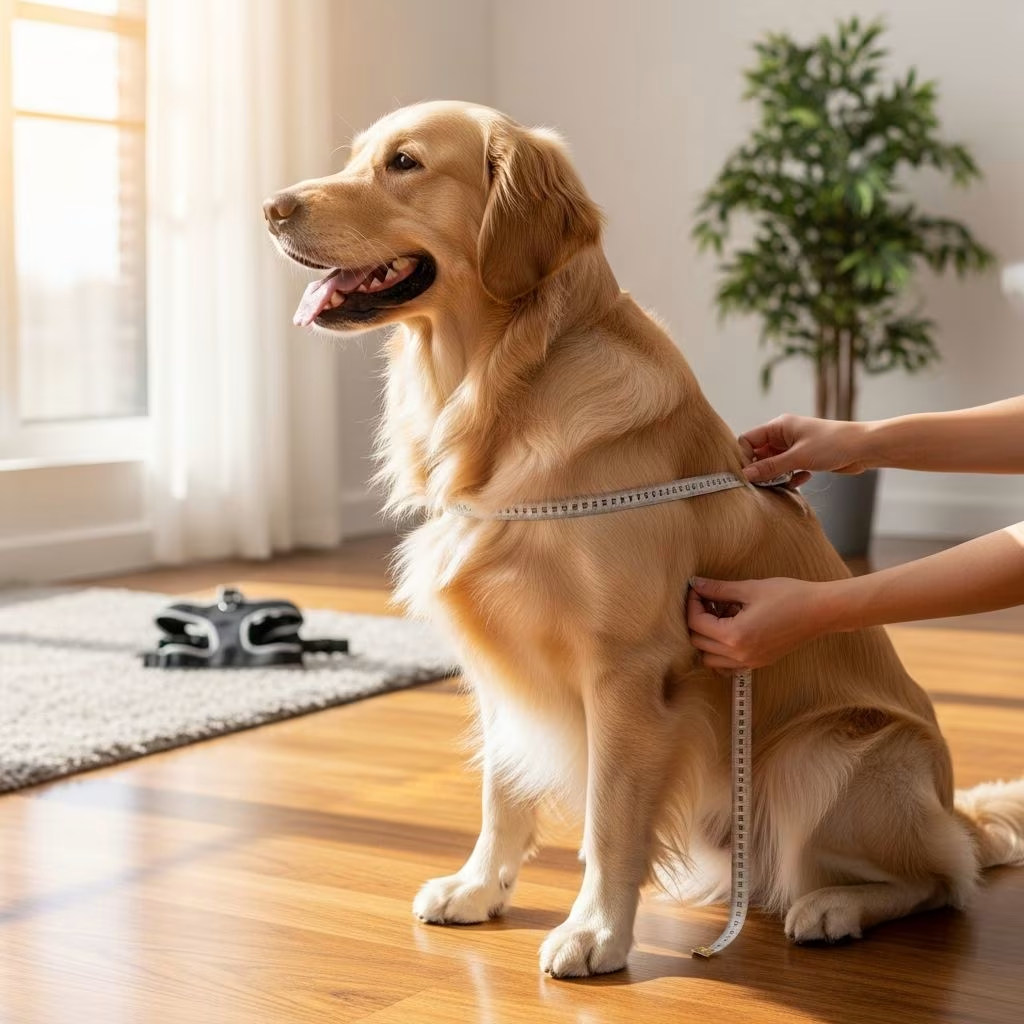
How to Measure Your Dog for a Harness: Complete Guide
Selecting the right harness for your dog begins with accurate measurements. A well-fitted harness ensures your pup stays secure, comfortable, and safe during walks and outdoor activities. Many pet parents struggle with harness sizing because they don’t know the proper measurement techniques. This comprehensive guide will walk you through the entire process of measuring your dog for a harness, ensuring you get the perfect fit every time.
Why Proper Harness Measurement Matters
Harness sizes vary significantly between manufacturers and styles, making accurate measurement essential. An ill-fitting harness can cause discomfort, chafing, or allow your dog to escape. Conversely, a properly fitted harness provides security without restricting movement or breathing. By taking just a few minutes to measure your dog correctly, you’ll save time, money, and potential frustration from returns and exchanges.
Gathering Your Measuring Supplies
Before you begin measuring your dog, assemble the following items to ensure accuracy and make the process smoother:
- Soft measuring tape (flexible fabric tape works best, not a rigid ruler)
- Notebook or smartphone to record measurements
- A helping hand (an extra person can be invaluable if your pup is wiggly)
- Dog treats for positive reinforcement and rewards
Having these supplies ready beforehand prevents delays and keeps your dog focused on the task. Dog treats are particularly important as they help keep your pup calm and cooperative during the measuring process.
Step-by-Step Measurement Process
Step 1: Measure Your Dog’s Chest Girth
The chest girth measurement is the most critical measurement for determining harness size. This measurement represents the circumference around the widest part of your dog’s chest, typically around the rib cage area.
How to measure: Wrap your soft measuring tape around your dog’s chest at the widest point, typically just behind the front legs. Ensure the tape measure runs parallel to the ground and is taut but not pressing deeply into your pup’s skin. Record this measurement in inches.
Comfort tip: You should be able to comfortably fit two fingers between the measuring tape and your dog’s body. This ensures the measurement accounts for comfort and movement. If the tape is too tight, it won’t accurately reflect how a harness should fit.
Step 2: Measure Your Dog’s Neck Circumference
The neck circumference is another important measurement, though not all harnesses require it. This measurement helps ensure the harness won’t slip over your dog’s head or choke them.
How to measure: Wrap the measuring tape around the base of your dog’s neck, close to their shoulders, roughly where their collar would sit. The tape should be taut but not tight. Record this measurement as well.
Important note: Just as with chest measurement, you should be able to slide two fingers comfortably between the tape and your dog’s neck. This two-finger rule ensures your dog can breathe freely while wearing the harness.
Step 3: Additional Measurements (If Needed)
Some harness styles require length measurements. If you’re considering a specific harness type, check if additional measurements are needed:
- Back-to-belly measurement: Measured from the base of the neck down to the belly area
- Shoulder width: The distance across your dog’s shoulders
- Length: Measured from the base of the neck to the base of the tail for certain harness styles
Always check the product description before measuring to know exactly which measurements are required.
Comparing Measurements to Size Charts
Once you have your measurements, the next crucial step is consulting the product’s size chart. Every manufacturer and harness style has different sizing standards, so comparing your specific measurements to the chart is essential.
Best practices for using size charts:
- Look for the size chart in the product information section or product images
- Match your chest girth measurement first, as this is the most important measurement
- Use your neck circumference to confirm the size selection
- Note any additional sizing information specific to that brand
What If Your Dog Falls Between Two Sizes?
If your measurements fall between two sizes, you have a few options to consider:
For adult dogs: Choose the size that most closely matches your dog’s chest girth measurement. If you’re equally between sizes, you may opt for the smaller size for a snugger fit, or the larger size if your dog has a broader build.
For growing puppies: Consider selecting the larger size to allow room for growth. However, be cautious not to choose a harness so oversized that your puppy can slip out of it, which defeats its primary purpose.
Important Sizing Considerations
Dog Breed and Build Aren’t Always Reliable Indicators
While knowing your dog’s breed is helpful context, it shouldn’t be your primary sizing method. Dogs of the same breed can have significantly different body structures. For example, bulldogs and pugs aren’t traditionally considered large dogs, yet their stocky builds may require larger harnesses than their weight suggests. Always rely on actual measurements rather than assumptions based on breed or size category.
Weight as a Sizing Factor
While your dog’s weight can be useful information for other purposes, it generally isn’t the best indicator for harness sizing. Two dogs of the same weight can have entirely different chest girths and body shapes. Relying on precise measurements provides a much better fit than making assumptions based on weight alone.
The Two-Finger Comfort Rule
Throughout the entire measuring process, remember the two-finger rule. Whether you’re measuring the chest, neck, or any other area, you should always be able to fit two fingers comfortably between the tape measure and your dog’s body. This rule ensures adequate comfort, allows for proper breathing, and prevents the harness from being too tight or too loose.
After Purchase: The Fit Check
Once your harness arrives, the final step is performing a proper fit check. This ensures you’ve selected the correct size before relying on it for walks or outdoor activities.
Fit check process:
- Put the harness on your dog following the manufacturer’s instructions
- Check that the fit is snug against your dog’s body but not restrictive
- Verify that your dog cannot easily slip out of the harness
- Ensure there’s no excessive chafing or rubbing in sensitive areas
- Confirm that the harness doesn’t restrict your dog’s movement or breathing
- Adjust straps if needed to achieve the optimal fit
The goal is finding that sweet spot where the harness is secure enough to prevent escape but comfortable enough that your dog can move, breathe, and play freely.
Different Harness Styles and Measurement Variations
Various harness styles may require slightly different measurement approaches or additional considerations:
| Harness Type | Key Measurements | Special Considerations |
|---|---|---|
| Back-Clip Harness | Chest girth, neck circumference | Most common type; ideal for dogs that don’t pull |
| Front-Clip Harness | Chest girth, neck circumference | Designed to discourage pulling; may require precise fit |
| No-Pull Harness | Chest girth, shoulder width | Often has multiple adjustment points for customization |
| Step-In Harness | Chest girth, length | Dog steps into harness; check length measurements carefully |
| Padded/Fleece Harness | Chest girth, neck circumference | Padding may affect fit; measure over normal coat |
Measuring Tips for Difficult or Wiggly Dogs
Some dogs are more cooperative than others during measuring. Here are strategies for making the process easier:
- Use high-value treats: Offer special treats your dog rarely gets to keep them engaged and still
- Enlist help: Have another person gently hold your dog or distract them with treats while you measure
- Take breaks: If your dog is particularly restless, take short breaks between measurements
- Measure during calm times: Try measuring when your dog is naturally relaxed, not during excited or playtime
- Practice beforehand: Let your dog get used to the measuring tape by letting them sniff it and associating it with treats
- Keep sessions short: The quicker you can complete measurements, the less time your dog has to become impatient
Frequently Asked Questions
Q: Should I measure my dog with or without their coat?
A: Measure over your dog’s normal coat if they have one. This ensures the harness will fit properly over their fur. However, if your dog is freshly groomed or has their winter coat, take measurements then to account for potential differences in thickness.
Q: How often should I remeasure my dog?
A: For adult dogs, measurements remain relatively stable. However, puppies should be remeasured every few months during growth periods. Senior dogs may need new measurements if they experience significant weight changes.
Q: Can I use a rigid ruler or cloth tape instead of a soft measuring tape?
A: A soft, flexible measuring tape provides the most accurate results. Rigid rulers won’t conform to your dog’s body properly, and cloth tape that’s too stiff may not curve smoothly around their chest and neck.
Q: What if my harness doesn’t fit after measuring correctly?
A: If the harness doesn’t fit despite correct measurements, the issue may be with the specific brand’s sizing standards. Some brands run larger or smaller than others. Check return policies and consider trying a different brand known for more consistent sizing.
Q: Is it necessary to measure both chest and neck?
A: While chest girth is the primary measurement, neck circumference provides important confirmation that the harness won’t slip over your dog’s head. Always measure both when possible for optimal security and fit.
Q: Can I estimate my dog’s measurements?
A: Estimates are never as reliable as actual measurements. Taking a few minutes to measure accurately prevents the frustration and expense of ordering an ill-fitting harness that needs to be returned.
Conclusion
Measuring your dog for a harness is a straightforward process that takes just a few minutes but makes an enormous difference in comfort and safety. By following these steps, gathering the right supplies, and using the two-finger comfort rule, you’ll ensure your pup gets a harness that fits perfectly. Remember that accurate measurements combined with checking the product’s size chart and performing a final fit check will result in a secure, comfortable harness your dog will be happy to wear. Whether you’re ordering your first harness or replacing an old one, proper measurement is the foundation of a successful purchase.
References
- How to Measure a Dog for a Harness — Chewy. 2023-12-12. https://www.chewy.com/education/dog/general/measuring-dog-harness
- How to Measure Your Dog for a Harness — Chewy (Video Tutorial). 2023-12-12. https://www.youtube.com/watch?v=QHEMiR9AC94
- How to Put On a Dog Harness: A Simple, Step-By-Step Guide — Chewy. https://www.chewy.com/education/dog/general/how-to-put-on-a-dog-harness
- Dog & Puppy Harnesses: No-Pull, Hands-free & More — Chewy. https://www.chewy.com/b/dog-harness-347
- Canine Body Measurements and Sizing Standards — American Kennel Club. https://www.akc.org



