

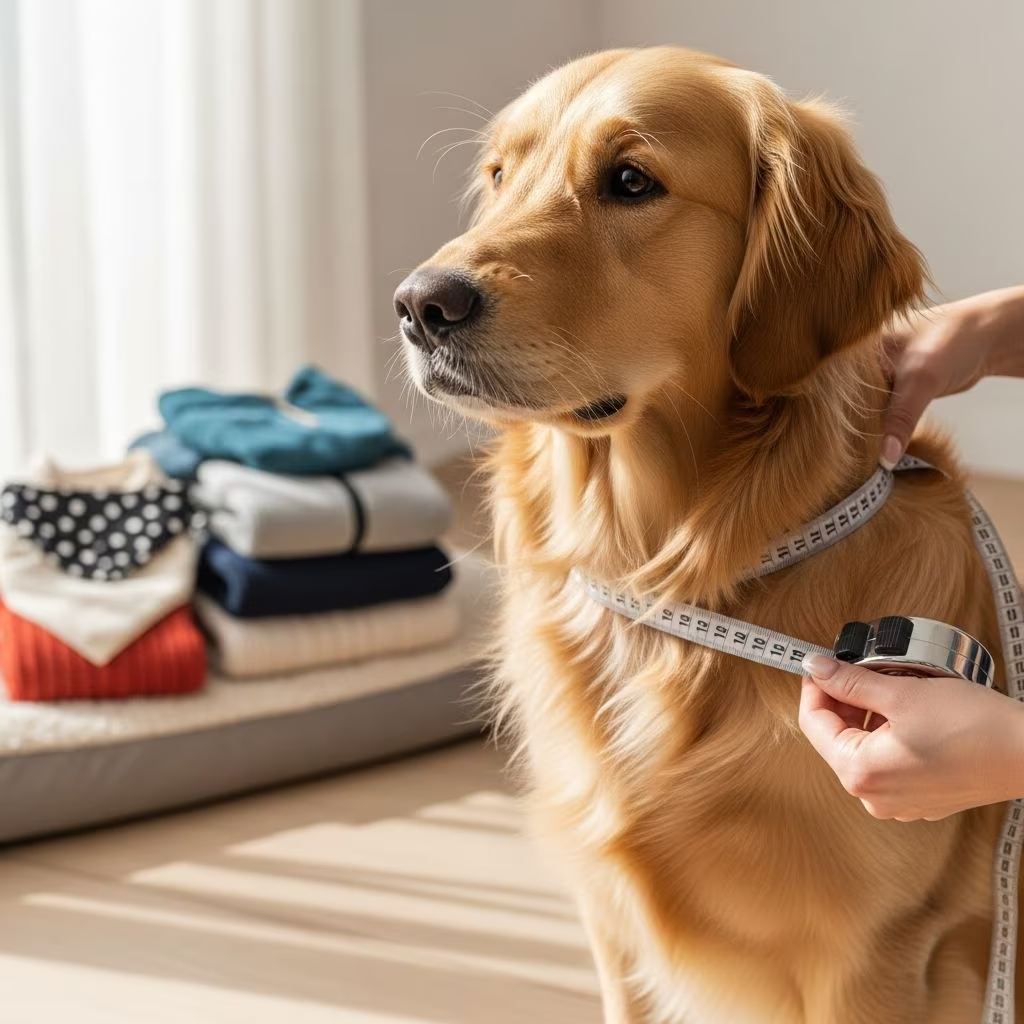
How to Measure Your Dog for Clothes: A Complete Step-by-Step Guide
Dressing up your furry friend can be a fun and rewarding way to personalize their style, whether it’s for special occasions, outdoor adventures, or everyday comfort. However, finding the perfect fit for dog clothing requires more than just guessing your pup’s size. Taking accurate measurements is essential to ensure that any garment you choose will be comfortable, functional, and flattering on your dog. Whether you’re shopping for coats, sweaters, dresses, or costumes, understanding how to measure your dog properly will save you time, money, and disappointment.
There are three key measurements you’ll need to take when fitting your dog for garments: their neck circumference, their chest girth, and their body length. Each of these measurements plays an important role in determining the right size. In this comprehensive guide, we’ll walk you through each measurement step by step, explain why each one matters, and provide tips for ensuring a perfect fit every time.
Essential Supplies for Measuring Your Dog
Before you begin taking measurements, gather the following supplies to make the process smooth and enjoyable for both you and your pup:
- A soft, flexible tape measure (cloth measuring tape works best)
- Treats to reward your dog for their cooperation
- A helper (optional, but can make the process easier)
- A notebook or phone to record your measurements
- A piece of paper and pen (as an alternative if your dog won’t cooperate with the tape measure)
Having treats on hand is particularly helpful for keeping your dog calm and rewarding them for standing still during the measurement process. Make sure your dog is relaxed and standing naturally when you take measurements, as this will give you the most accurate results.
How to Measure a Dog’s Body: Step by Step
1. Measure Your Dog’s Neck
The neck measurement is one of the most straightforward measurements you’ll need for dog clothing. This measurement ensures that collars, sweaters, shirts, jackets, dresses, and other garments will fit comfortably around your dog’s neck without being too tight or too loose.
How to measure: Gently wrap your soft tape measure around the very base of your dog’s neck, right above where the neck meets their shoulders. This is typically where a collar would sit. Hold the tape measure close to their fur so that approximately two fingers can slip underneath comfortably. This “two-finger rule” is crucial for ensuring proper fit—anything tighter than this will be uncomfortable for your dog, but you also don’t want the garment to fit too loosely, as loose-fitting clothes aren’t comfortable or functional.
Record this measurement and compare it to sizing charts provided by clothing manufacturers. Keep in mind that if your dog is between sizes, it’s always better to choose the larger size rather than the smaller one, as this will be more comfortable for your pup.
2. Measure Your Dog’s Chest
The chest girth measurement is arguably the most important when fitting your dog for garments. This measurement represents the widest part of your dog’s body, including their rib cage. If you can’t get the clothing past your dog’s chest, there’s zero chance of achieving a good fit, so getting this measurement right is critical.
How to measure: Wrap the measuring tape underneath your dog’s body, starting just behind their armpits. Bring the tape around their ribcage and over their shoulder blades, making sure you’re measuring around the widest part of their chest. The tape should sit snugly but comfortably against their body. Apply the “two-finger rule” here as well—you should be able to fit two fingers underneath the tape measure comfortably without it being too tight or too loose.
This measurement is particularly important because chest size often determines whether a garment will actually fit over your dog’s body. Dogs with similar weights can have vastly different chest sizes depending on their breed and body structure, so don’t rely solely on weight when selecting clothing sizes.
3. Measure Your Dog’s Length
The length measurement is the most straightforward of the three primary measurements and probably the easiest to take. This measurement helps determine what size garment will provide proper coverage along your dog’s back and belly.
How to measure: While your dog is standing comfortably, stretch the tape measure in a straight line from the base of their tail (where the tail connects to their body) to the bottom of their collar or the base of their neck. Some people find it easier to measure from the tail to the withers, which is the small indent between your dog’s shoulder blades. This measurement gives you an accurate picture of your dog’s torso length, which is essential for determining how long a coat, jacket, or sweater should be.
Record this measurement carefully, as it will help you select garments that provide appropriate coverage without being too long or too short for your individual dog.
Additional Measurements to Consider
Measuring Your Dog’s Height
While not always necessary, you might need to measure your dog’s height in certain situations, particularly if you’re shopping for front-walking costumes or other specialized apparel. To measure your dog’s height, measure from their withers (the notch between their shoulder blades) down their front legs and stop at the paw. This gives you an accurate measurement of how tall your dog is from their highest point to the ground.
Measuring Your Dog’s Paw Size for Shoes
If you’re interested in getting shoes for your dog, you’ll need to measure both the length and width of their paws. This ensures that the shoes will be comfortable and won’t restrict your dog’s movement.
Length: Measure from the base of your dog’s heel pad to the tip of their longest toe, including the nail. This measurement is crucial for ensuring the shoe is long enough.
Width: Measure from the furthest point of their heel pad to the other furthest point, moving from left to right (or vice versa). This ensures the shoe will be wide enough for comfort.
Pro Tip: If your dog isn’t cooperative with having their paws measured, place their paw on a piece of paper and trace around it, then measure the paper. Remember to always size up if your dog is between sizes to ensure maximum comfort.
Understanding the Difference: Height vs. Length
It’s important to understand the difference between your dog’s height and length, as these are two distinct measurements:
- Height: The distance from your dog’s withers (top of their shoulders) down to the ground
- Length: The distance from the base of their neck to the base of their tail along their spine
Most dog clothing is sized based on length measurements, not height, so make sure you’re using the correct measurement when shopping. A tall dog with a short torso might actually need a smaller “length” size than a shorter dog with a longer body.
Checking the Fit: What to Look For
Once you receive your dog’s new clothing, it’s important to check that it fits properly. Here’s what to look for:
- The neck opening isn’t too tight: You should be able to slip two fingers between the garment and your dog’s neck
- The arm holes aren’t too tight: When applicable, use the “two-finger rule” for the arm and leg holes as well
- The back of the garment sits just above the tail: The length should sit one to three inches above your dog’s tail. This is the most comfortable length for your dog (who’s free to wag their tail unencumbered) and also provides the sharpest appearance
- The garment allows freedom of movement: Your dog should be able to walk, run, and play without restriction
- There are no signs of discomfort: Your dog shouldn’t scratch, pull at, or try to remove the garment excessively
Some dresses, jackets, coats, or costumes may extend lower than the typical one to three inches above the tail, but this is the general guideline for maximum comfort and style.
Size Selection Tips and Tricks
Should You Use Your Dog’s Weight to Find Clothing Size?
While your dog’s weight might provide some helpful context, it’s often not the best way to determine an accurate clothing size. Here’s why: Some dog breeds may not weigh much but have a girthy neck or chest that requires a larger size than you’d expect based on weight alone. Conversely, some dogs may weigh more because of their height but have a smaller chest (like Greyhounds). This is why direct body measurements are always more reliable than weight when selecting clothing.
Using Sizing Charts Effectively
When you’re shopping for dog clothing, most retailers provide sizing charts that correspond to specific measurements. Take your recorded measurements and compare them carefully to the sizing chart provided by the manufacturer. Many retailers, like Chewy, use comprehensive sizing charts to help shoppers choose the right size dog clothing, so use your measurements to compare with these charts to ensure the perfect fit.
The “Size Up” Rule
If your dog’s measurements fall between two sizes, always choose the larger size. A slightly loose garment is far more comfortable than one that’s too tight and restrictive. You can always have a tailor make adjustments if needed, but you can’t make a garment bigger if it’s too small.
Measuring Tips for Success
- Use a soft tape measure: Hard plastic or metal tape measures can be uncomfortable for your dog
- Measure when your dog is standing: This gives the most accurate representation of how the garment will fit
- Flatten your dog’s hair: If your dog has long hair, flatten it slightly when measuring to get an accurate measurement
- Measure snug to the body: The tape should be close to your dog’s body but not tight
- Round to the nearest half inch: Measurements don’t need to be exact to the millimeter
- Record all measurements: Keep a written record of your dog’s measurements for future shopping
- Consider breed-specific adjustments: Some breeds may require specific measurement considerations (for example, male dogs might need length adjusted if the clothing doesn’t have a cutout for their groin area)
Frequently Asked Questions About Dog Clothing Measurements
Q: What if my dog won’t stand still for measurements?
A: Use treats and positive reinforcement to keep your dog calm and rewarded. If your dog truly won’t cooperate with a tape measure, you can place their paw on paper and trace around it, or use a piece of string to take measurements and then measure the string with a ruler.
Q: How often should I remeasure my dog?
A: Puppies and growing dogs should be remeasured every few months as they grow. Adult dogs should be remeasured at least once a year, or if you notice significant weight changes. Senior dogs may need remeasuring if they lose or gain weight.
Q: Does my dog’s hair length affect measurements?
A: Yes, for dogs with long or thick hair, you should flatten the hair slightly when measuring to get an accurate measurement of your dog’s actual body size.
Q: What’s the “two-finger rule” and why is it important?
A: The “two-finger rule” means you should be able to slip two fingers comfortably between the tape measure and your dog’s body. This ensures the garment will be snug enough to fit properly but not so tight that it causes discomfort or restricts movement.
Q: Can I rely on my dog’s breed size charts instead of measuring?
A: While breed charts can provide a general starting point, individual dogs vary significantly in size and build even within the same breed. Direct measurements are always more accurate than breed-based estimates.
Q: What should I do if my dog is between two sizes?
A: Always select the larger size. A garment that’s slightly loose is more comfortable than one that’s too tight and can restrict your dog’s movement or cause discomfort.
Conclusion
Measuring your dog properly is the key to finding clothing that fits perfectly, keeps your pup comfortable, and allows them to move freely and play. By taking accurate measurements of your dog’s neck, chest, and length, and applying the helpful tips outlined in this guide, you’ll be able to confidently shop for dog clothing and costumes that will have your furry friend looking and feeling their best. Remember to use the “two-finger rule” for comfort, record your measurements for future reference, and always size up if your dog falls between sizes. With these measurement techniques in your toolkit, you’re ready to dress up your pup in style!
References
- How to Measure Your Dog for Clothes and Costumes — Chewy. 2025. https://www.chewy.com/education/dog/general/how-to-measure-your-dog-for-clothes-because-you-know-you-want-to-dress-up-your-pup
- The Ultimate Dog Apparel Measuring Guide — American Kennel Club Shop. 2025. https://shop.akc.org/pages/the-ultimate-dog-apparel-measuring-guide
- Dog Coat Size Guide — Chaar. 2025. https://www.chaar.us/pages/resource-center/dog-coat-size-guide.html
- Sizing Guide – How to Measure — Equafleece. 2025. https://www.equafleece.com/help/sizing-guide
- Size Guide — The Foggy Dog. 2025. https://www.thefoggydog.com/pages/size-guide



