

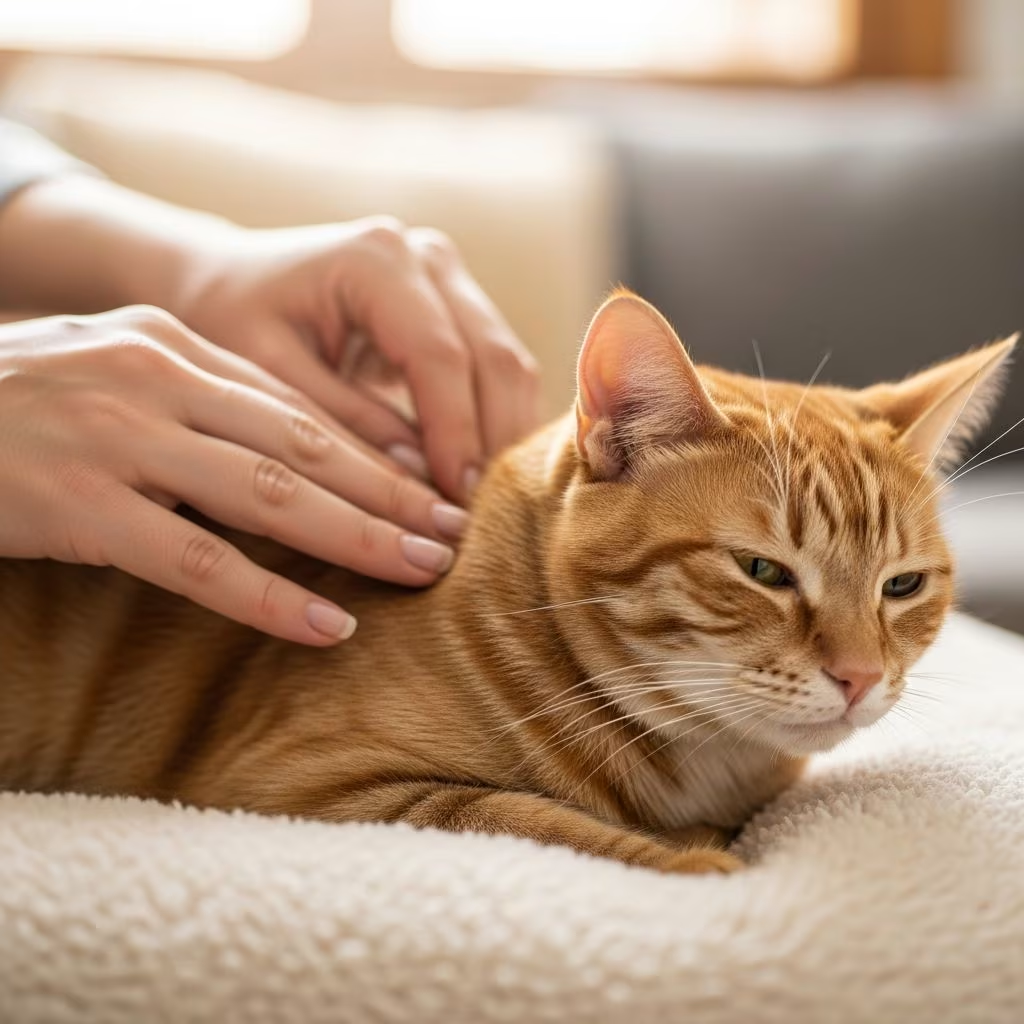
Cat massage therapy offers a simple, rewarding way to enhance your feline companion’s well-being. By incorporating gentle strokes and targeted techniques, you can relieve stress, improve circulation, and deepen your bond while supporting your cat’s physical health.
Benefits of Massaging Your Cat
Massaging your cat provides numerous physical and emotional advantages, backed by veterinary insights and research. These benefits extend from muscle recovery to mental relaxation, making regular sessions a valuable part of cat care.
- Relieves stress and anxiety: Gentle touch, such as stroking and effleurage, acts as a powerful tool for anxious cats, reducing separation anxiety and aiding adjustment to new environments.
- Boosts circulation and integumentary health: Techniques like effleurage enhance blood flow, promoting shinier fur, healthier skin, and stronger nails.
- Reduces chronic pain and inflammation: Massage stimulates endorphin release, easing pain in conditions like arthritis, and helps control swelling in injured or senior cats.
- Supports digestion and immune function: Abdominal strokes improve nutrient absorption and may strengthen immunity against infections.
- Increases serotonin and endorphins: The warmth and gliding motion trigger feel-good hormones, fostering relaxation for both cat and owner.[10]
- Enhances flexibility and recovery: Regular massage improves muscle flexibility, speeds post-surgery healing, and aids rehabilitation.
- Promotes behavioral improvements: It can alleviate depression, reduce aggression, and detect early health issues like lumps during sessions.
Studies on touch, including firm stroking and compressions, confirm these effects mirror human massage benefits, with cats showing reduced anxiety and better circulation.
Is It Safe to Massage Your Cat?
Yes, cat massage is generally safe and beneficial if your cat enjoys it and has no contraindications. Start slowly in a quiet space, observing body language—purring and kneading indicate pleasure, while ears back or swatting signal discomfort. Consult a vet first for cats with health issues.
Preparing for a Cat Massage Session
Create an optimal environment to ensure success. Choose a calm, quiet room free from distractions. Use dim lighting, a soft blanket, and perhaps a calming pheromone spray. Warm your hands by rubbing them together. Speak softly or play gentle music to build trust. Sessions should last 5-15 minutes, ideally daily or weekly.
- Ensure your cat is relaxed—after play or meals when content.
- Have treats ready for positive reinforcement.
- Avoid cold hands or sudden movements.
Cat Massage Techniques
Master these five core techniques, progressing from light to deeper pressure. Always follow the fur direction and your cat’s muscle lines. Adjust based on response: light for calming, firmer for stimulation.
1. Stroking (Effleurage)
The foundational technique to warm up muscles and relax. Use fingertips or palms with light-to-medium pressure, gliding from head to tail along the spine. Repeat 5-10 times slowly. This boosts circulation and sets a soothing tone.
2. Petrissage (Kneading)
Gently knead muscles like dough using thumb and fingers. Focus on shoulders and upper back with circular motions. Apply moderate pressure to release tension without pinching skin. Ideal for stiff areas.
3. Skin Rolling
Pinch and roll loose skin gently between fingers, moving along the back and sides. This detaches skin from tissues, improving lymph and blood flow. Skip if skin is tight or cat resists.
4. Chest and Belly Massage
Chest: Cup the chest with one hand in circles while supporting the head. Use fingertips from edges to center near the heart for comfort.
Belly: Only if cat exposes it willingly. Hold steady with one hand, rub clockwise lightly with the other. Great for digestion but stop at discomfort.
5. Back and Sides Massage
Run hands in circular motions along the upper back and flanks with light-to-moderate pressure. Avoid lower back/hips if sensitive. This covers prime petting zones for maximum relaxation.
Pro Tip: Combine techniques fluidly: start with stroking, move to petrissage on shoulders, then back circles, ending with chest/belly if tolerated.
Step-by-Step Guide: How to Give Your Cat a Massage
- Position your cat: On a soft surface, preferably supine or sitting relaxed.
- Start with stroking: Head to tail, 2-3 minutes.
- Shoulders and neck: Petrissage gently, feeling for knots.
- Back and sides: Circular gliding motions.
- Chest/belly (optional): If relaxed, light rubs.
- Finish with full-body stroking: To integrate benefits.
- End positively: Treats and praise.
Frequency: 10-15 minutes daily for anxious cats; weekly maintenance otherwise.
When NOT to Massage Your Cat
Avoid massage in these cases to prevent harm. Always vet-check first.
| Condition | Why Avoid |
|---|---|
| Fever, infection, or shock | Can worsen systemic issues; delays vet care. |
| Open wounds, rashes, lumps | Risk of spreading infection or pain. |
| Heart problems, fractures | May strain circulation or cause injury. |
| Recent surgery (without vet OK) | Interferes with healing. |
| Immune diseases | Suppresses natural responses. |
If in doubt, professional animal massage therapists trained in feline anatomy can assess.
Products to Enhance Cat Massage
Optional aids amplify benefits:
- Calming sprays (pheromone-based) for anxiety.
- Paw creams or massage oils (vet-approved, non-toxic).
- Soft brushes for combined grooming-massage.
- Heating pads (low, supervised) for muscle warmth.
Frequently Asked Questions
Is it good to massage your cat?
Yes, if they enjoy it. It relieves pain, boosts circulation, and strengthens bonds, but consult a vet for health conditions.
How often should I massage my cat?
Daily short sessions for stress relief; 2-3 times weekly for maintenance.
What if my cat doesn’t like massage?
Respect their cues—start slower, use treats. Some cats prefer petting over structured massage.
Can massage help senior cats?
Absolutely: reduces arthritis pain, improves mobility, and aids circulation.
Does cat massage benefit me too?
Yes, it releases endorphins, lowers your stress, and enhances the human-feline bond.[10]
References
- Cat Massage Therapy and Its Benefits, Techniques, and Application — Cats.com. 2023-05-15. https://cats.com/cat-massage-therapy
- A Guide to Cat Massages: Techniques, Benefits, and Feline Wellness — Katris Cat. 2024-02-20. https://katriscat.com/blog/cat-massages-guide/
- Cat Massage: How to Massage Your Cat at Home — PetMD. 2024-08-10. https://www.petmd.com/general-health/cat-massage-how-to-massage-cat-at-home
- The Benefits of Massage Therapy for Cats — PetPlace.com. 2023-11-05. https://www.petplace.com/article/cats/pet-health/massage-therapy-for-cats
- Touch Can Relax Your Cat and Reduce Anxiety — Feline Purrspective. 2023-07-12. https://www.felinepurrspective.com/touch-can-relax-your-cat-and-reduce-anxiety/
- Therapeutic Massage and Your Cat — VCA Animal Hospitals. 2024-01-18. https://vcahospitals.com/know-your-pet/therapeutic-massage-and-your-cat



