

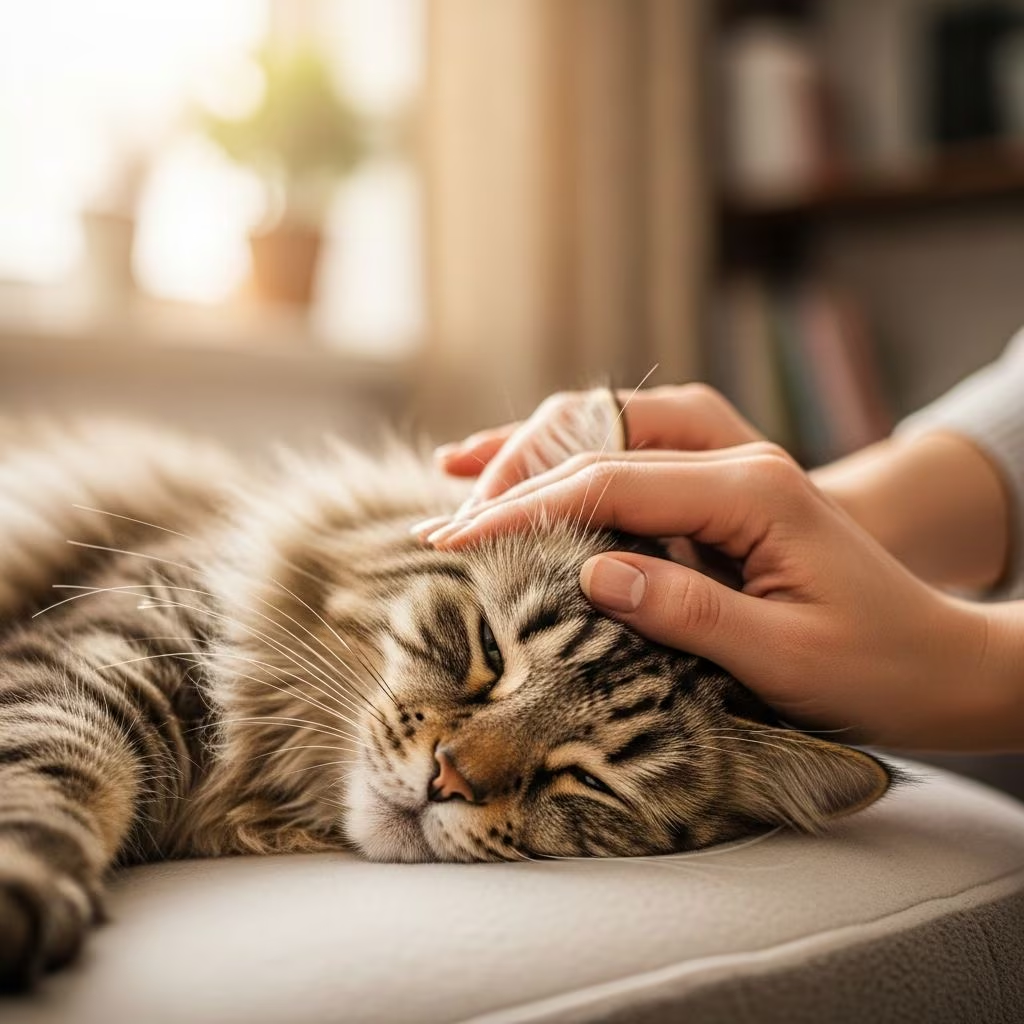
How to Massage a Cat: Complete Guide to Techniques and Benefits
Cat massage is far more than simple petting or grooming—it’s a therapeutic practice that offers profound health and emotional benefits for your feline companion. Whether your cat is recovering from injury, experiencing anxiety, or you simply want to deepen your bond, learning proper massage techniques can transform your cat’s well-being. Massage helps improve circulation, relieve muscle tension, and promote overall relaxation while creating meaningful moments of connection between you and your pet.
Understanding the Benefits of Cat Massage
Before diving into techniques, it’s important to understand why massage is beneficial for cats. Massage achieves its therapeutic effects through mechanical, physiological, and psychological means. When you massage your cat’s body, the muscles are mechanically stretched, reducing their tone and increasing their elasticity. Simultaneously, the soothing contact contributes to your cat’s nervous system relaxation.
Physical and Health Benefits
- Improved Circulation: Massage enhances blood and lymph circulation throughout your cat’s body, increasing oxygen flow to tissues and promoting healing.
- Pain Relief and Inflammation Control: Especially beneficial for elderly or injured cats, massage helps loosen tight muscles, reduce swelling, and control inflammation.
- Muscle Recovery: Massage can help atrophied muscles gain strength, minimize muscle wastage, and reduce the effects of scar tissue that tightens muscles and decreases flexibility.
- Enhanced Digestion: Massage therapy may positively impact your cat’s digestive system, promoting better digestion and nutrient absorption.
- Immune System Boost: Regular massage can strengthen your cat’s immune system and help guard against infections and illnesses.
- Post-Surgery and Injury Recovery: Gentle massages can help reduce inflammation and soreness, promote muscle recovery, and prevent compensatory tension from developing in other body muscles.
- Joint Mobility Improvement: Cat massage improves joint mobility and supports cardiovascular fitness, which is crucial for maintaining physical well-being.
Emotional and Mental Health Benefits
Beyond physical benefits, massage provides significant psychological advantages for your cat. Massage therapy reduces stress and anxiety, which can be particularly helpful for shelter cats, rescue animals, or cats prone to separation anxiety. The calming effect of massage increases serotonin and endorphin production in your cat’s brain, promoting relaxation and emotional stability.
Regular massage has been shown to improve behavioral problems in some cats, promoting a more harmonious living environment. Additionally, massage can aid in early health detection—as you regularly touch and massage your cat, you can reveal any unusual lumps or changes in your cat’s body, allowing for early intervention.
Fundamental Massage Techniques for Cats
There are four basic massage techniques that form the foundation of cat massage therapy. Each technique serves a different purpose and can be combined to create a comprehensive massage session.
1. Simple Stroking
Simple stroking is the most basic and often the most enjoyable massage technique for cats. This technique involves medium pressure with a continuous movement, typically from front to back or down the legs. You can perform stroking with your entire hand or just a couple of fingers, depending on your cat’s preference. If your house is very dry, you can wet your hands and then lightly dry them to reduce static electricity. Stroking sets the foundation for a relaxing massage experience and is an excellent way to begin and end your massage session.
2. Effleurage
Effleurage is a key part of cat massage therapy, offering a gliding stroke that improves circulation. This technique uses the whole hand to apply medium pressure, moving in smooth, continuous motions. Traditionally, effleurage strokes move toward the heart, so from the tail forward and up the limbs. This directional movement helps facilitate lymphatic drainage and promotes nutrient intake while removing toxins from tissues. Some cats may not like having their hair “rumpled,” so watch for your cat’s response and adjust your technique accordingly.
3. Petrissage (Kneading)
Petrissage is the “kneading” and skin rolling technique commonly associated with professional massage. This deeper kneading stroke relieves muscle tension and provides a deeper relaxation experience. During petrissage, muscles are gently compressed and rolled, which helps with circulation, muscle tension, and spastic muscles. This technique is especially useful for cats that don’t like to move around too much, as the reflexes in the muscles are mechanically stimulated, which helps increase muscle tone for cats that prefer a slower lifestyle. Many cats prefer this stage of massage and find it particularly soothing.
4. Skin Rolling
Skin rolling is a specialized technique in cat massage that involves gently pinching the skin and fur between your fingers. This method boosts circulation and relaxation and is especially beneficial in comprehensive cat massage routines. Skin rolling should be performed gently to avoid discomfort, and you should watch your cat’s body language to ensure they’re enjoying the experience.
Step-by-Step Guide to Massaging Your Cat
Now that you understand the basic techniques, here’s a systematic approach to giving your cat a complete massage experience.
Preparing Your Cat and Environment
Before beginning, ensure your cat is in a relaxed state. Choose a quiet, comfortable space where your cat feels safe and secure. Approach your cat calmly and check their mood—if they seem stressed or irritable, it’s better to wait for a more appropriate time. Begin by gently stroking your cat to indicate your intention to massage them and to help them settle into a relaxed state.
Massage Your Cat’s Shoulders
Start your massage session with your cat’s shoulders, as many cats enjoy being massaged in this area. Use effleurage and kneading techniques with medium pressure. Gently work your hands in circular motions across the shoulder area, moving from the neck down toward the front legs. This area often holds tension, and careful massage can help relieve it while building comfort with your touch.
Massage Your Cat’s Back
Moving on from the shoulders, focus on your cat’s back and sides. Gently run your hands along your cat’s back with a circular motion, applying light to moderate pressure. Focus primarily on the upper back, as the lower back and hips can be sensitive for many cats. If your cat enjoys being touched in this area, massage it carefully and gently. The back massage is particularly beneficial as it covers a large area where cats often enjoy being petted. Ensure your movements are smooth and consistent, creating a calming and therapeutic experience.
Cup Your Cat’s Chest
When massaging your cat’s chest, gently cup it with one hand while supporting the head with the other. Employ a circular motion with the palm of your hand to alleviate tension in the chest area, just above the belly. If your cat is sufficiently relaxed, you can also use your fingertips to gently massage the chest, working from the outer areas toward the center. Being close to the heart, the chest area can be particularly comforting for your cat when handled with care. The chest massage can help calm and reassure your cat, creating a sense of security and trust.
Massage Your Cat’s Legs and Paws
Gently introduce some flexing for the toes, legs, and knees, especially when your cat’s relaxed mood indicates they’re comfortable with more active movements. Use effleurage strokes moving from the paws toward the body, which helps promote circulation and lymphatic drainage. Some cats enjoy having their paws massaged, while others may be sensitive in this area, so pay attention to your cat’s reactions.
Address Sensitive Areas
Cats have preferred areas for massage. Many enjoy gentle massages in areas with scent glands, such as the chin, cheeks, head, and base of the tail. Some cats like having their ears rubbed, while others dislike it. Always respect your cat’s preferences and avoid areas where they show discomfort or withdrawal.
Ideal Timing and Frequency for Cat Massage
The best time to massage your cat is when they’re naturally relaxed—often after meals or during their quiet periods. Many cats appreciate massage in the evening when they’re winding down for the night. Regular massage sessions, even as brief as 10 minutes, can provide significant benefits. Daily cat massage can aid recovery from stress, illness, injury, or surgery through enhanced tissue healing and improved emotional welfare.
However, massage doesn’t need to be a formal daily ritual. Incorporating massage into your regular petting routine, several times per week, can provide substantial benefits. The key is consistency and paying attention to your cat’s preferences and comfort level.
Special Considerations and Precautions
While massage is generally safe and beneficial for most cats, there are circumstances where you should exercise caution or consult with a veterinarian.
- Always approach massage gently, especially with elderly or injured cats
- Avoid massaging areas with open wounds, infections, or acute inflammation
- If your cat shows signs of pain or discomfort, stop immediately and consult your veterinarian
- For cats recovering from surgery, wait for veterinary clearance before beginning massage
- Watch your cat’s body language—flattened ears, tail swishing, or attempts to move away indicate discomfort
- Never force massage on an unwilling cat; let them set the pace and indicate areas they enjoy
Benefits for Cat Owners
Massaging your cat offers significant benefits for you as well. Engaging in a massage session with your cat can reduce your own stress levels—the act of petting and massaging for just 10 minutes can lower cortisol levels in your body. The sensation of touch releases serotonin, a chemical in your body that relaxes you and makes you feel happy. Additionally, massage strengthens the bond between you and your feline companion, creating moments of genuine connection and trust that enhance your relationship.
Frequently Asked Questions
Q: Is it good to massage your cat?
A: Yes, massage is excellent for your cat since it provides a whole health package when administered with care, skill, and knowledge. Daily cat massage can aid recovery from stress, illness, injury, or surgery through enhanced tissue healing and improved emotional welfare.
Q: How do cats like to be massaged?
A: Cats enjoy gentle massages primarily in areas with scent glands, such as the chin, cheeks, head, and base of the tail. Many also like being massaged on their shoulders using effleurage and kneading techniques. Some cats like having their ears rubbed, while others dislike it. Pay attention to your individual cat’s preferences and body language.
Q: How long should a cat massage last?
A: Cat massage sessions can be as short as 10 minutes and still provide significant benefits. There’s no strict time requirement—focus on quality over duration and stop when your cat indicates they’ve had enough.
Q: Can massage help with my cat’s anxiety?
A: Yes, research and anecdotal evidence suggest that massage is a powerful tool for cats prone to anxiety if they enjoy touch. Weekly simple stroking and effleurage techniques have been shown to help rescued kittens adjust to new homes and reduce separation anxiety.
Q: Is professional cat massage necessary, or can I massage my cat at home?
A: You can definitely massage your cat at home using the techniques described in this guide. However, professional massage therapists can identify and evaluate physical abnormalities, tension, soreness, and adhesions that may not be visible through X-rays. For general wellness and bonding, home massage is excellent and cost-effective.
Q: What should I do if my cat doesn’t like being massaged?
A: Not all cats enjoy massage, and that’s perfectly normal. Start slowly with brief stroking sessions and let your cat set the pace. If your cat consistently shows discomfort or resistance, respect their preference and focus on other ways to show affection. Never force massage on an unwilling cat.
References
- Cat Massage Therapy and Its Benefits, Techniques, and Application — Cats.com. https://cats.com/cat-massage-therapy
- A Guide to Cat Massages: Techniques, Benefits, and Feline Wellness — Katris Cat. https://katriscat.com/blog/cat-massages-guide/
- Massage Benefits Many Cats — Catwatch Newsletter. https://www.catwatchnewsletter.com/health/massage-benefits-many-cats/
- When, Why & How to Massage Your Cat — Purina US. https://www.purina.com/articles/cat/health/routine-care/cat-massage
- Therapeutic Massage and Your Cat — VCA Animal Hospitals. https://vcahospitals.com/know-your-pet/therapeutic-massage-and-your-cat



