

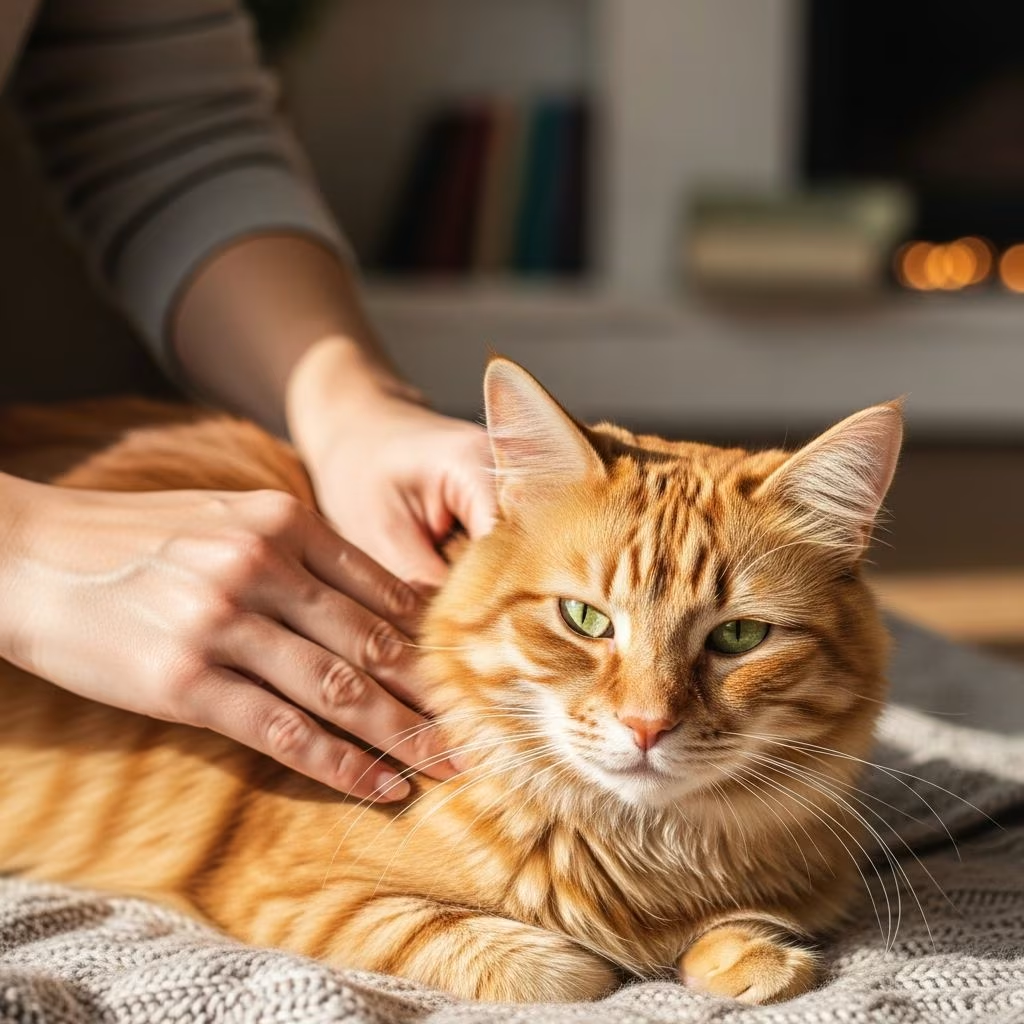
Arthritis is a common condition in older cats, causing pain, stiffness, and reduced mobility that can significantly impact their quality of life. Therapeutic massage offers a gentle, non-invasive way to alleviate discomfort, improve circulation, reduce inflammation, and promote relaxation. By using specific vet-approved strokes, cat owners can provide immediate relief during flare-ups and complement veterinary treatments like medications or physical therapy. This guide details four essential techniques, optimal timing, and home application tips to help your feline friend move more comfortably.
Understanding Arthritis in Cats
Arthritis, or osteoarthritis, affects up to 90% of cats over 12 years old, leading to joint degeneration, inflammation, and pain. Cats often hide symptoms, but signs include reluctance to jump, limping, decreased grooming, litter box avoidance, and irritability. Massage targets soft tissues around joints—avoiding direct pressure on inflamed areas—to enhance blood flow, loosen tight muscles, and release endorphins for natural pain relief. Always consult your veterinarian before starting, as massage may not suit all cases, such as acute injuries or certain fractures.
Benefits of Massage for Arthritic Cats
Massage therapy improves joint lubrication, reduces muscle spasms, and decreases swelling by promoting lymphatic drainage. It also strengthens the bond between you and your cat while providing mental stimulation. Studies and veterinary experts note that regular sessions can increase mobility and appetite in affected cats. Techniques like effleurage warm tissues, while petrissage releases knots, offering holistic support alongside pain meds.
- Increased circulation: Warms muscles and reduces stiffness.
- Pain reduction: Loosens adhered tissues and eases spasms.
- Improved flexibility: Enhances range of motion without strain.
- Stress relief: Promotes relaxation during cuddle time.
4 Vet-Approved Massage Techniques
These four core strokes form the foundation of feline massage therapy. Start slowly, using light pressure, and observe your cat’s body language—purring and kneading indicate enjoyment, while tail flicking or ear flattening signals discomfort. Sessions should last 5-15 minutes, 2-3 times daily.
1. The Simple Stroke
The **simple stroke** is the ideal starting point, mimicking familiar petting to build trust and relax your cat. Use flat palms with light to medium pressure, stroking from head to tail and down each limb. This superficial technique assesses the body for lumps, tension, or heat variations while opening superficial tissues.
How to Perform:
- Position your cat comfortably—sitting, lying, or standing.
- Begin at the head, glide smoothly to the tail base.
- Stroke each leg from shoulder/hip to paw.
- Repeat 5-10 times per area, breathing calmly to soothe your cat.
Use this at session start and end; it helps cats accustomed to petting transition to deeper work.
2. Effleurage
**Effleurage** employs gliding motions with the whole hand and medium pressure along muscle lines toward the heart or head. This generates heat, boosts circulation, and reduces swelling—perfect for arthritic joints.
Key Tips:
- Follow major muscles: back, sides, limbs.
- Avoid bony prominences or swollen joints.
- Glide slowly (1-2 inches per second) for 3-5 passes per muscle group.
- Benefits edema by moving lymph fluid.
Veterinarians recommend effleurage for its edema-resolving effects in swollen limbs.
3. Petrissage
**Petrissage** involves deeper kneading to relax muscles, break knots, and reduce spasms. It requires more pressure, so introduce gradually—some cats prefer the skin-rolling variation.
Standard Petrissage:
- Gently lift and squeeze muscles between thumb and fingers.
- Knead rhythmically, like dough, moving toward the torso.
- Focus on shoulders, hips, and thighs.
Skin Rolling Variation: Roll skin over underlying muscles from limbs to body and tail to head. This releases adhesions, improves lymph/blood flow, and delights many cats.
Transition from lighter strokes; stop if resistance occurs.
4. Concussive Stroke
**Concussive strokes** like tapping or chopping stimulate circulation but are optional for arthritis. Use lightly on large muscle masses (thighs, back).
| Type | Description | Best For |
|---|---|---|
| Chopping | Edge of hand rapidly into muscle | Large areas like hips |
| Tapping | Fingers curved, light taps | Sensitive spots, limbs |
| Tapotement | Cupped hand circles | Overall energizing |
Consult your vet; gentler tapping suits most cats better than aggressive chopping.
When to Massage Your Cat
Time sessions when your cat is relaxed—post-meal, during naps, or evening cuddles. Watch for pain cues: hiding, vocalizing, hunched posture, or swishing tail. Massage preemptively during stiffness or post-activity. Avoid overdoing; 10-20 minutes suffices, following your cat’s cues over a rigid schedule.
- Morning: Loosen overnight stiffness.
- Evening: Relieve daily strain.
- Flare-ups: Immediate targeted relief.
Performing Massages at Home
Home massages empower owners to address pain promptly in familiar settings. Start in quiet spaces with treats/toys for positivity. Vets or certified therapists can demonstrate; online resources from trusted sites aid practice.
Setup Checklist:
- Quiet, draft-free room.
- Soft surface (bed, blanket).
- Warm hands/environment.
- Positive reinforcement.
Progress from 2-minute sessions; combine with brushing or play. Track improvements in mobility/grooming.
Precautions and When to Stop
Never massage open wounds, fractures, tumors, or acute swelling. If your cat resists, vocalizes in pain, or shows aggression, halt immediately. Professional assessment rules out contraindications. Combine with vet-prescribed therapies for best results.
Frequently Asked Questions (FAQs)
Q: Can all cats with arthritis benefit from massage?
A: Most can, but consult a vet to ensure it’s safe for your cat’s specific condition.
Q: How often should I massage my arthritic cat?
A: 2-3 times daily for 5-15 minutes, based on your cat’s tolerance and response.
Q: What if my cat doesn’t like deeper strokes like petrissage?
A: Stick to lighter techniques like simple strokes or skin rolling; force worsens stress.
Q: Can massage replace arthritis medications?
A: No, it complements treatments; always follow veterinary guidance.
Q: How do I know if the massage is working?
A: Look for increased purring, mobility, grooming, and appetite.
Final Thoughts
Mastering these simple strokes empowers you to ease your cat’s arthritis pain effectively. With practice, patience, and veterinary approval, regular massages enhance comfort and joy. Pair with weight management, joint supplements, and environmental modifications for comprehensive care.
References
- Therapeutic Massage and Your Cat — VCA Animal Hospitals. 2023. https://vcahospitals.com/know-your-pet/therapeutic-massage-and-your-cat
- Cat Massage: How to Massage Your Cat at Home — PetMD. 2024-05-15. https://www.petmd.com/general-health/cat-massage-how-to-massage-cat-at-home
- How to Massage a Cat With Arthritis: 4 Vet Approved Techniques — Catster. 2024. https://www.catster.com/cat-health-care/how-to-massage-a-cat-with-arthritis/



