

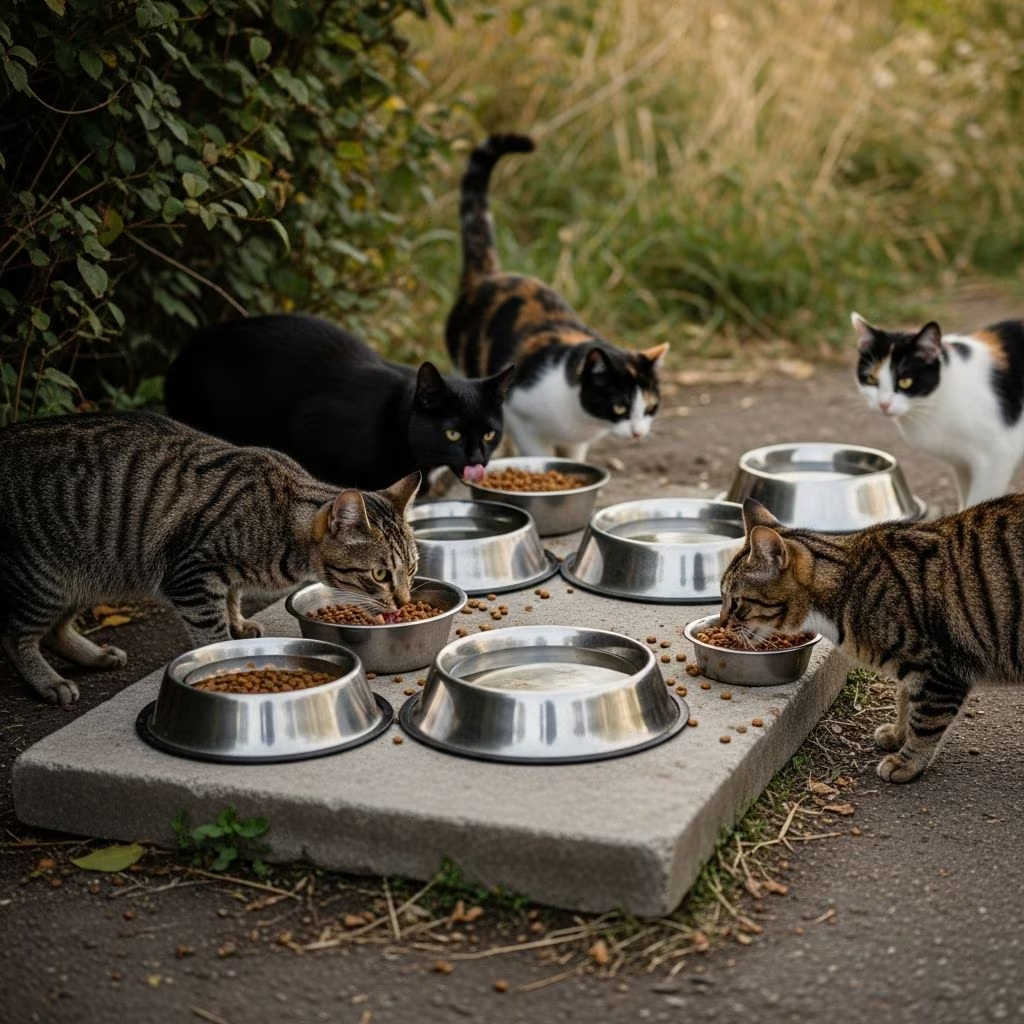
Feeding a colony of feral cats, also known as community cats, requires dedication, consistency, and strategic planning to ensure their health while minimizing environmental impact and neighborhood conflicts. Proper management supports Trap-Neuter-Return (TNR) efforts, stabilizes populations, and promotes humane care. This guide covers establishing feeding routines, building stations, selecting foods, seasonal adjustments, monitoring health, and maintaining positive community relations.
Understanding Feral Cat Colonies
Feral cat colonies consist of unowned, free-roaming cats that form social groups around reliable food sources. These cats are typically wary of humans but can thrive with consistent care. Effective feeding management prevents overpopulation, reduces nuisance behaviors like yowling or spraying, and improves overall colony health. Always prioritize TNR to halt breeding before focusing on feeding, as feeding without sterilization leads to rapid population growth. Caretakers monitor colonies daily to spot issues early, ensuring cats remain strong and disease-free.
Step 1: Implement Trap-Neuter-Return (TNR)
Before regular feeding, commit to TNR: trap each cat humanely, neuter or spay them, vaccinate, ear-tip for identification (a small notch in the left ear), and return them to their territory. This stabilizes colony size, reduces fighting and disease transmission, and makes feeding more predictable. Organizations like Alley Cat Allies emphasize TNR as the foundation of colony care, preventing kittens and curbing nuisances. Contact local TNR groups for low-cost or free services, traps, and guidance. Without TNR, feeding exacerbates overpopulation, straining resources and inviting complaints.
Step 2: Establish a Designated Feeding Area
Select a quiet, sheltered location away from high-traffic areas, homes, and roads to minimize disturbances. Avoid feeding on bare ground, pavement, or concrete, as gravel can damage teeth. Never scatter food randomly, as this attracts rodents, raccoons, and skunks. A dedicated site trains cats to gather predictably, reducing their exposure to weather and predators. Elevate stations slightly off the ground and consider surrounding them with food-grade diatomaceous earth in summer to deter insects.
Step 3: Build or Set Up a Feeding Station
A sturdy feeding station protects food from rain, wind, and wildlife while providing shelter. Key features include:
- A sloped roof to shed water and prevent pooling.
- Open sides (at least two) for easy access, avoiding small doorways that dominant cats could guard.
- Elevated platform (off-ground) to keep food dry and discourage pests.
- Wind-resistant bowls that won’t tip or scatter litter.
Simple designs use plywood for a roof and frame, raised on bricks. For multiple cats, space bowls widely to prevent bullying—spread them so all can eat simultaneously. Clean stations daily, removing uneaten food within 30 minutes to avoid bugs and spoilage. In winter, insulate loosely without trapping cats inside.
Step 4: Choose the Right Food and Water
Adult cats need about 5.5 ounces of wet food and 2 ounces of dry food daily (or half a cup dry only), adjusted for size, weather, and activity. Prioritize nutritious, affordable options:
- Dry kibble: Mainstay for colonies; stays fresh longer, less attractive to bugs.
- Wet/canned food: Supplement for hydration and nutrition; serve separately to avoid spoilage.
- Avoid: Human foods, milk (causes diarrhea), or cheap fillers lacking AAFCO approval.
Provide fresh water daily in clean bowls, separate from food. In hot weather, add ice or elevate bowls. Portion at 1 cup dry per cat, monitoring intake. Buy in bulk for large colonies to save costs without sacrificing quality.
Step 5: Feed on a Consistent Schedule
Feed once or twice daily during daylight hours (e.g., morning and late afternoon) at the same time to build routine. Cats anticipate meals, making health checks easier. Never feed at night to avoid nocturnal scavengers like raccoons.
| Feeding Time | Benefits | Tips |
|---|---|---|
| Morning (Daylight) | Boosts energy; easy monitoring | Warm wet food in winter |
| Late Afternoon | Prepares for night; portion control | Remove leftovers in 30 min |
| Avoid Night | Prevents wildlife intrusion | Use dusk cleanup |
Adjust for daylight savings gradually over a week. Scheduled feeding cuts waste and wildlife feeding.
Step 6: Practice Portion Control and Cleanup
Overfeeding wastes money, attracts pests, and promotes obesity. Guidelines:
- Offer enough to finish in 15-30 minutes.
- If eaten in <15 min, increase next time; if leftovers after 30 min, decrease.
- Remove uneaten food promptly—wet within 1 hour, dry as needed.
- Space bowls for hierarchy; dominant cats eat first naturally.
Cleanup prevents ants, flies, and odors. Wash bowls daily with mild soap; be neat to respect neighbors.
Seasonal Feeding Adjustments
Winter Care
Cats burn more calories staying warm, so increase portions by 20-50% with high-fat wet food. Warm canned food and add warm water for moisture, as it freezes. Rely on dry if freezing occurs. Provide sheltered stations.
Summer Care
Reduce wet food to limit flies; boost dry. Limit portions, clean rigorously. Separate wet from dry. Use diatomaceous earth around stations.
Step 7: Monitor Health and Colony Dynamics
Daily feeds allow visual checks for injuries, illness (sneezing, lethargy), pregnancies, or newcomers. Note ear-tipped cats (TNR’d) vs. intact ones needing trapping. Weigh trends via portions; sudden changes signal issues. Dominant cats may bully; multiple stations help. Consult vets or TNR groups for sick cats.
Step 8: Be a Good Neighbor
Conflicts arise from misconceptions or messes. Strategies:
- Inform neighbors early about TNR and feeding plans.
- Keep areas pristine—no litter, odors, or strays.
- Address complaints promptly; educate on benefits (rodent control).
- Share caretaker duties if possible.
Clean stations foster goodwill; visible TNR (ear-tips) reassures stability.
Cost-Saving Tips for Long-Term Care
For large colonies, bulk-buy dry food and generic wet; seek donations from rescues. Scheduled portions minimize waste. Partner with local shelters for supplies.
Frequently Asked Questions (FAQs)
What if my colony has kittens?
Increase wet food for nursing queens; TNR adults ASAP. Kittens need socialization if under 8 weeks.
How much does it cost to feed 20 cats?
About $50-100/month on bulk dry/wet; less with portions and donations.
What if wildlife steals food?
Feed daylight only, use enclosed stations, remove leftovers.
Can I feed only dry food?
Yes, half-cup daily, but wet adds hydration/nutrition.
How do I start TNR?
Borrow traps from shelters; follow Alley Cat Allies protocols.
References
- Colony Management and Feeding — ROAR Animal Rescue. Accessed 2026. https://roaraz.org/community-cats/colony-management-and-feeding/
- Proper Colony Management — Furkids. Accessed 2026. https://furkids.org/colony-management
- How to Feed Feral Cats Cheap! — The Barn Cat Lady. Accessed 2026. https://barncatlady.com/how-to-feed-feral-cats-cheap/
- Guidelines for Feral Cat Caretakers — The Cats Pyjamas Rescue. Accessed 2026. https://www.catspyjamas.org/guidelines-for-feral-cat-caretakers/
- Feral Colony Feeding Guidelines — FieldHaven Feline Center. 2023-04. https://fieldhaven.com/wp-content/uploads/2023/04/feral-colony-feeding-guidelines.pdf
- Colony Management — TNR Texas. Accessed 2026. https://tnrtexas.com/colony-management
- Colony Care Guide — Alley Cat Allies. 2014-10. https://www.alleycat.org/wp-content/uploads/2014/10/ColonyCareGuide.pdf



