

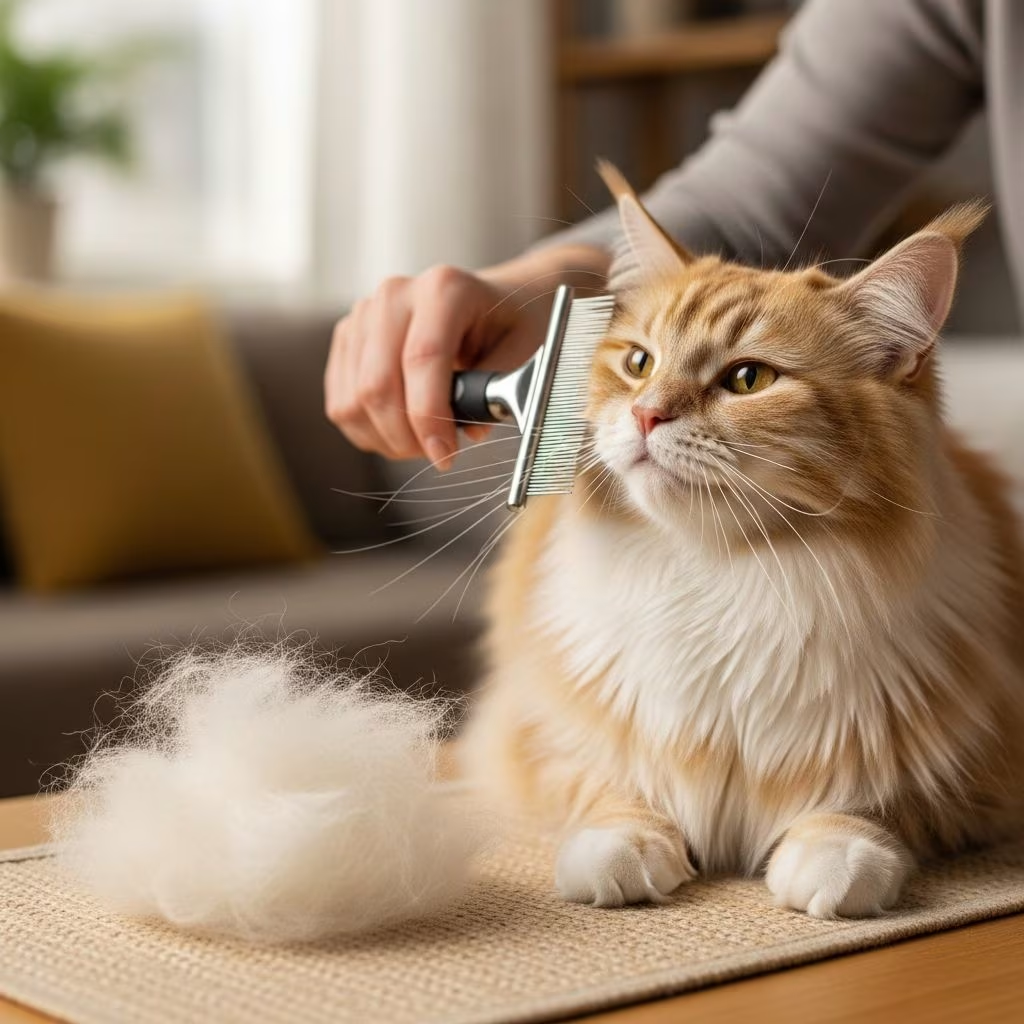
How to Manage Cat Shedding: Grooming, Deshedding Brushes, and Cleaning Tips
Cat shedding is one of the most common challenges cat owners face, affecting both household cleanliness and pet comfort. Whether your feline friend has short, medium, or long hair, managing shedding requires a multi-faceted approach combining regular grooming, proper nutrition, and strategic home maintenance. Understanding the underlying causes of shedding and implementing targeted solutions can significantly reduce the amount of loose fur your cat leaves around your home while promoting their overall health and wellbeing.
Why Do Cats Shed?
Before diving into solutions, it’s important to understand why cats shed in the first place. Shedding is a natural biological process that helps cats remove old, damaged, or excess fur. Most cats experience increased shedding during spring and fall as they transition between seasonal coats, but indoor cats may shed year-round due to artificial lighting and temperature control. Shedding can also be triggered by stress, skin conditions, allergies, or nutritional deficiencies. While some shedding is completely normal, excessive fur loss warrants a consultation with your veterinarian to rule out underlying health issues.
The Importance of Regular Brushing
Regular brushing stands as the cornerstone of effective shedding management. By removing loose and dead hair before your cat naturally sheds it, you prevent fur from accumulating on furniture, clothing, and floors while reducing the amount your cat ingests during self-grooming. This ingestible fur can contribute to hairballs, which are uncomfortable and potentially dangerous for your pet. The frequency of brushing depends on your cat’s coat type and shedding intensity.
Brushing Frequency by Coat Type
Short-haired cats benefit from brushing once or twice per week using a rubber grooming glove or fine-toothed comb. This regular maintenance removes surface loose fur and keeps their coat in optimal condition. Long-haired cats require more intensive care, with daily brushing recommended to prevent painful mats and tangles while managing shedding more effectively. For cats with medium-length coats, aim for two to three brushing sessions per week as a middle ground.
Choosing the Right Brushing Tools
Selecting appropriate brushes makes a significant difference in grooming effectiveness. Different coat types respond better to specific tools:
- Slicker brushes: Ideal for removing tangles and mats in medium to long-haired cats
- Fine-toothed combs: Excellent for short-haired cats and reaching areas around the face and ears
- Rubber grooming gloves: Comfortable for cats and great for short-haired breeds, removing loose fur gently
- De-shedding tools (Furminator style): Specifically designed to remove loose undercoat without damaging topcoat
- Undercoat rakes: Essential for long-haired cats to prevent matting in dense fur
When brushing, always work in the direction of hair growth using gentle, even strokes. Start from the neck and work downward, paying extra attention to areas prone to matting like the belly and behind the ears. Avoid brushing too aggressively, as this can irritate sensitive skin and actually increase shedding due to stress.
Bathing Your Cat for Optimal Shedding Control
While many cat owners assume their feline companions dislike water entirely, strategic bathing can be an effective shedding management tool. Regular baths help wash away dead hair that brushing alone might miss and keep the skin healthy, which promotes a healthier coat and reduces future shedding. Most cats don’t need frequent baths unless they’ve gotten into something messy or have a skin condition, but a monthly lukewarm rinse with cat-safe shampoo during high-shedding seasons can be beneficial.
Proper Cat Bathing Technique
Introduce your cat to bath time gradually using lukewarm water and gentle handling. Use only mild, cat-specific shampoos formulated to maintain coat hydration without drying out their skin. Wet your cat’s fur thoroughly, then apply shampoo starting at the back and working toward the legs while avoiding the face and ears. Massage the shampoo into the skin, focusing on high-shedding zones like the back and belly. Rinse completely with lukewarm water until no shampoo residue remains. Pat your cat dry with a towel, absorbing as much moisture as possible. If using a blow dryer, keep it on the lowest setting and maintain a safe distance to avoid stress and overheating.
Waterless Bathing Alternatives
If your cat panics during water baths—which can actually increase shedding through stress hormones—consider waterless bathing alternatives. Pet-safe grooming wipes effectively remove loose fur and dirt between regular brushings. Leave-in conditioner sprays designed for cats help detangle fur and reduce static cling that causes shedding.
Essential Deshedding Tools and Techniques
Deshedding tools represent a specialized category of grooming equipment specifically engineered to remove loose undercoat without damaging the protective topcoat. These tools can make a dramatic difference in managing shedding intensity, particularly during seasonal transitions when shedding is at its peak.
Top Deshedding Tools for Different Coat Types
| Tool Type | Best For | How It Works | Frequency |
|---|---|---|---|
| De-shedding Tool (Furminator) | All coat types, especially heavy shedders | Reaches undercoat to remove loose fur without damaging topcoat | 1-2 times weekly |
| Undercoat Rake | Long-haired and double-coated cats | Long teeth penetrate dense fur to remove matted undercoat | 2-3 times weekly |
| Slicker Brush | Medium to long-haired cats | Fine wires remove surface tangles and loose fur | 3-4 times weekly |
| Rubber Grooming Mitt | Short-haired cats | Textured surface catches loose fur gently | 2-3 times weekly |
Pro tip: Brush outdoors whenever possible to avoid loose fur spreading throughout your home. If brushing indoors, position your grooming area near a humidifier to reduce static flyaways that scatter hair.
Nutrition and Hydration for Healthy Coats
Diet plays a crucial role in coat health and shedding regulation. A well-nourished cat naturally sheds less because their skin and fur are stronger and healthier. Conversely, nutritional deficiencies can lead to excessive shedding, dry skin, and poor coat quality.
Key Nutritional Elements for Coat Health
Look for cat foods labeled “complete and balanced” with high-quality protein as the primary ingredient. Cats are obligate carnivores requiring amino acids found in meat to maintain healthy fur. Omega-3 and omega-6 fatty acids are particularly important for coat condition; consider adding fish oil supplements to your cat’s diet to reduce shedding and promote skin health. Organic and all-natural cat foods without artificial additives often provide better nutritional profiles than mass-market alternatives.
Hydration’s Critical Role
Proper hydration is equally important as nutrition. Well-hydrated cats shed less because adequate water intake supports skin elasticity and coat strength. Many cats don’t drink enough water from traditional bowls; a cat water fountain encourages increased water consumption through the appeal of running water. Place multiple water bowls around your home in easily accessible locations, and ensure fresh water is available at all times. The general guideline is approximately one ounce of water per pound of body weight daily, though individual needs vary.
Managing Your Home Environment
Even with perfect grooming and nutrition, some loose fur will inevitably escape your cat and settle throughout your home. Strategic environmental management keeps your living space cleaner and more hygienic.
Effective Cleaning Strategies
- Keep handheld vacuums on each floor: Quick daily vacuuming of high-traffic areas prevents fur accumulation
- Use washable throws on furniture: Place protective covers on sofas and chairs that are easier to clean than fabric underneath
- Employ pet hair rollers: Roll over furniture daily to collect surface hair without electricity
- Deploy robot vacuums: Automated vacuums like Roombas continuously tackle accumulating fur
- Utilize lint rollers and pet hair removal tools: Keep these accessible for quick spot-cleaning
- Install HEPA air filters: These capture airborne fur particles and improve air quality
During peak shedding seasons, increase your cleaning frequency and consider using a humidifier to reduce static cling that causes hair to scatter and cling to surfaces.
Professional Grooming Services
Professional groomers possess specialized expertise and equipment beyond typical home grooming. They can provide deep-cleaning baths with high-velocity dryers that remove substantial amounts of loose undercoat, perform expert de-shedding treatments, and identify potential skin issues. For stubborn shedding cases or if you lack time for intensive home grooming, professional services offer valuable solutions. When selecting a groomer, discuss your cat’s specific shedding concerns and ensure they practice humane, stress-free handling techniques appropriate for your individual cat’s temperament.
When to Consult Your Veterinarian
While normal seasonal shedding is completely healthy, excessive fur loss warrants professional evaluation. Consult your veterinarian if your cat displays bald patches, exhibits signs of skin irritation like scratching or redness, shows sudden changes in shedding patterns, or has other concurrent health concerns. Conditions like allergies, parasites, hormonal imbalances, or stress-related alopecia can cause abnormal shedding that requires medical treatment.
Frequently Asked Questions About Cat Shedding
Q: How much shedding is normal for cats?
A: Some shedding is normal year-round, with increased shedding during spring and fall as cats transition seasonal coats. However, you should not see bald patches or visible skin irritation. If shedding seems excessive or your cat has areas of hair loss, consult your veterinarian.
Q: Can I reduce my cat’s shedding completely?
A: No, shedding is a natural biological process and cannot be completely eliminated. However, proper grooming, nutrition, and environmental management can significantly reduce the amount of loose fur your cat sheds.
Q: What’s the best brush for my long-haired cat?
A: Long-haired cats benefit most from a combination of tools: use an undercoat rake or slicker brush for deep grooming, and maintain with a wide-tooth comb. De-shedding tools designed specifically for undercoats are particularly effective during heavy shedding seasons.
Q: How often should I bathe my shedding cat?
A: Most cats only need monthly baths unless they’re visibly dirty or have a skin condition. During peak shedding seasons, a monthly lukewarm bath with cat-safe shampoo can help remove loose undercoat. Avoid frequent bathing as it can dry out their skin.
Q: Does diet really affect cat shedding?
A: Yes, absolutely. High-quality, protein-rich diets with adequate omega-3 and omega-6 fatty acids support healthy skin and coat, naturally reducing shedding. Poor nutrition often leads to excessive shedding and dry, flaky skin.
Q: Are there supplements that help reduce cat shedding?
A: Fish oil supplements containing omega-3 fatty acids can significantly improve coat health and reduce shedding when added to your cat’s regular diet. Always consult your veterinarian before starting supplements to ensure they’re appropriate for your cat.
Q: What should I do if my cat hates being brushed?
A: Start grooming sessions short and positive, offering treats and praise. Use soft, gentle strokes and never force your cat. Experiment with different brush types—some cats prefer rubber grooming gloves to traditional brushes. Make grooming part of your bonding routine rather than a stressful chore.
Q: Can stress cause excessive cat shedding?
A: Yes, stress significantly increases shedding through physiological changes. Avoid stressful situations during grooming, provide a calm environment, and maintain consistent routines. If your cat shows sudden increased shedding coinciding with environmental changes, focus on stress reduction techniques.
References
- Essential Cat Grooming Tips for Less Shedding — Insight Vet Wellness. 2024. https://insightvetwellness.com/cat-and-dog-grooming-in-el-dorado-hills-ca/combating-hairballs-essential-cat-grooming-tips-for-less-shedding/
- Cat Shedding Solutions: 10 Spring Grooming Tips for Cat Owners — Dog Cat Ranch. 2024. https://dogcatranch.com/is-your-cat-a-shedding-machine-spring-cat-grooming-tips-for-colorado-pet-owners/
- The Complete Guide to Cat Grooming — Sleepy Hollow Pet Ranch. 2024. https://www.sleepyhollowpetranch.com/post/the-complete-guide-to-cat-grooming
- Manage Fall Shedding: Grooming Tips for Pets — Pet Evolution. 2024. https://www.petevolution.com/blog/falling-leaves-and-grooming-how-to-manage-shedding-this-season/
- Why is My Cat Shedding So Much? — Splot Vets. 2024. https://www.splootvets.com/post/excessive-cat-shedding
- Cat Grooming Tips — ASPCA. 2024. https://www.aspca.org/pet-care/cat-care/cat-grooming-tips
- The Cat’s Meow: Grooming Tips for Shedding Season — New Age Pet. 2024. https://newagepet.com/blogs/learning-center/cat-grooming-tips-for-shedding-season



