

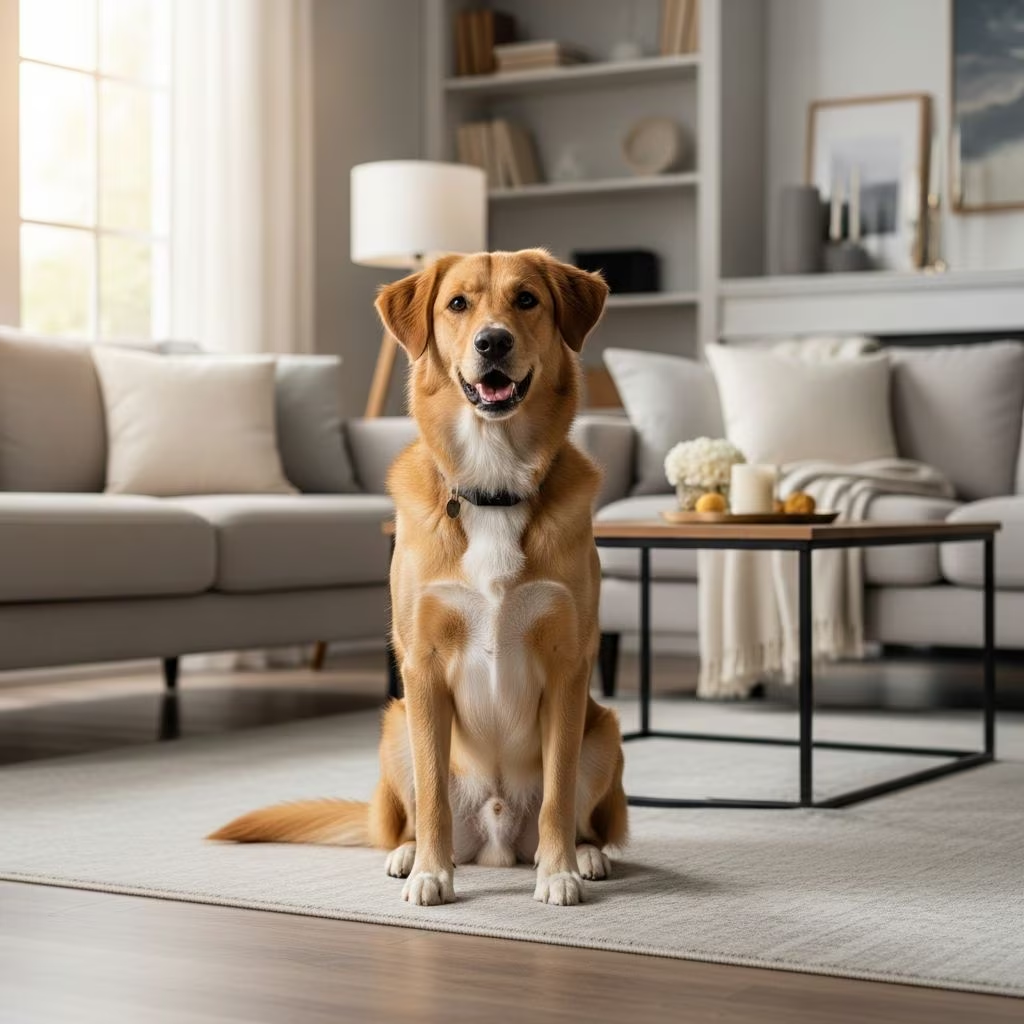
How to Make Your Dog the Perfect Houseguest
Taking your dog to someone else’s home can be an exciting experience for both you and your furry companion. However, ensuring your dog behaves appropriately in unfamiliar environments requires careful planning, consistent training, and proper etiquette. Whether you’re visiting family during the holidays, staying with friends for a weekend, or attending a pet-friendly gathering, preparing your dog to be a well-mannered houseguest will make everyone’s experience more enjoyable and increase the likelihood of future invitations.
Understanding Your Dog’s Readiness for Visiting
Before planning a visit to someone else’s home, honestly assess your dog’s temperament and behavioral history. Not all dogs are suited for extended time in unfamiliar environments, and recognizing this will help you make the best decision for your pet and your hosts. Consider whether your dog has shown any signs of anxiety, aggression, or excessive reactivity in new situations. A dog that frequently barks at unfamiliar sounds, jumps on guests, or displays resource guarding tendencies may need additional training before making the transition to being a houseguest.
The foundation for becoming a perfect houseguest begins with a solid understanding of your dog’s baseline behavior. Has your pup demonstrated the ability to remain calm around strangers? Does your dog respect basic boundaries and respond to commands even when distracted? If you’re uncertain about your dog’s readiness, consulting with a certified professional dog trainer can provide valuable insights and personalized guidance for your specific situation.
Essential Obedience Skills for Houseguests
Before your dog visits someone else’s home, mastering fundamental obedience commands is non-negotiable. These skills form the foundation of good behavior and will give you the tools to manage your dog effectively in any situation that arises during the visit.
Sit and Stay Commands
The “sit” command is one of the most essential skills for a houseguest dog. This command allows you to quickly manage your dog’s behavior when greeting hosts or other family members. The “stay” command takes this a step further, enabling your dog to remain in a specific location for extended periods, which is invaluable when food is being prepared or during mealtimes when your dog shouldn’t be underfoot.
Practice these commands in various environments before your visit. Start in your home, then gradually progress to busier settings like parks or pet-friendly stores. This progressive training approach helps your dog generalize the commands and respond reliably regardless of distractions.
Coming When Called
A reliable recall command, or “come,” is absolutely critical for a dog visiting someone else’s home. This command becomes essential if your dog accidentally gets loose, encounters an open door, or needs to be separated from the hosts’ other pets or family members quickly. Train this command extensively using high-value rewards, and practice it in low-distraction environments first before gradually introducing more tempting distractions.
Leaving It and Not Jumping
Teaching your dog to “leave it” prevents the embarrassing and potentially dangerous scenario of your pup stealing food from countertops, coffee tables, or plates. Equally important is training your dog not to jump on guests or hosts, as this behavior can be intimidating or destructive, regardless of how friendly your dog’s intentions might be. These commands directly contribute to being perceived as a well-mannered houseguest and will be appreciated by your hosts.
Managing Barking and Noise
Excessive barking is one of the most common complaints about visiting dogs. Being in a new environment filled with unfamiliar sounds and stimuli can trigger heightened alertness and vocalization in many dogs. The stress of travel combined with new experiences can test even the most well-trained dog’s composure.
To prepare your dog for a quieter demeanor during visits, start by identifying your dog’s barking triggers at home. Does your dog bark at doorbells, knocking, or unfamiliar voices? Does excitement cause excessive barking? Once you’ve identified the triggers, you can work on desensitization and training specific responses.
One effective technique involves teaching your dog to respond to a “quiet” command. When your dog barks, wait for a natural pause in the barking, immediately say “quiet,” and reward with treats and praise. With consistent practice, your dog will learn that quiet behavior earns rewards. Additionally, keeping your dog physically and mentally stimulated before the visit helps reduce excess energy that might otherwise manifest as barking.
Bringing familiar toys, interactive treat-dispensing toys, or chew items to your host’s home provides appropriate outlets for your dog’s energy and helps redirect attention from external stimuli that might trigger barking.
Establishing a Consistent Routine
Dogs thrive on routine and predictability. Disruption to their normal schedule can increase anxiety and behavioral problems. When visiting someone’s home, maintaining as much routine consistency as possible helps your dog remain calm and confident.
Before your visit, discuss the daily schedule with your hosts and create a plan that incorporates your dog’s regular feeding times, walks, and rest periods. This might look like a morning walk and breakfast, midday play or exercise, afternoon quiet time in a designated area, an evening walk, dinner, and relaxation time with family. The specific activities matter less than maintaining consistent timing.
Bring your dog’s regular food to avoid digestive upset from sudden dietary changes. Keep feeding times consistent with what your dog experiences at home. This attention to detail demonstrates respect for your hosts’ home and ensures your dog feels secure and settled.
Preparing Your Dog for Crating and Boundaries
Not all homes can accommodate dogs roaming freely. Before visiting, teach your dog to be comfortable in a crate or designated space. This skill provides your hosts with confidence that your dog won’t have access to restricted areas, damage furniture, or get into dangerous items when unsupervised.
Start crate training well in advance of your visit. Make the crate a positive space through gradual desensitization and reward-based training. Leave treats and favorite toys inside, practice closing the door for short periods, and gradually extend the duration your dog spends crated. By the time you visit, your dog should view the crate as a safe, comfortable retreat rather than a punishment.
Additionally, establish clear boundaries about which areas of your host’s home are off-limits to your dog. Some homes may restrict dogs from bedrooms, certain furniture, or specific rooms. Communicating these boundaries to your dog before the visit through training and reinforcement prevents awkward situations and maintains harmony during your stay.
Socialization and Meeting New People
Proper greeting behaviors are essential for being a perfect houseguest. Many dogs show enthusiasm through jumping, mouthing, or excessive excitement when meeting new people. While this excitement stems from a friendly nature, it can be overwhelming or undesirable to your hosts.
Train your dog to greet people calmly, with all four feet on the ground and without jumping. One effective approach involves waiting for your dog to naturally calm down before allowing interactions. When your dog displays appropriate greeting behavior—sitting or standing calmly—reward this behavior generously. This teaches your dog that calm behavior earns the positive interaction they’re seeking.
If your dog has been properly socialized and has positive experiences with strangers, this skill will be much easier to teach. Early socialization exposes your dog to diverse people, sounds, and situations, building confidence and reducing reactivity. If your dog is not well-socialized, additional work may be needed before making a houseguest visit.
Managing Food and Resource Issues
One of the most critical aspects of being a perfect houseguest involves managing food-related behaviors. Resource guarding—when a dog becomes possessive of food, toys, or other items—is both dangerous and embarrassing in a guest situation. If your dog has any history of resource guarding, consult a certified behavior consultant before visiting.
For well-adjusted dogs, establishing clear rules about human food is essential. Your dog should not beg at tables, counter-surf, or attempt to steal food from hosts or family members. Train a reliable “place” command that directs your dog to a designated spot away from dining areas during meals. This provides clear expectations and prevents uncomfortable situations.
Pack all of your dog’s food, treats, and toys to avoid any concerns about compatibility with your host’s provisions. If multiple pets are present in the home, carefully manage interactions around mealtime to prevent conflicts. Feed your dog separately and in a quiet location, retrieving bowls immediately after eating rather than leaving food available.
Addressing Housetraining and Bathroom Breaks
Even perfectly housetrained dogs may have accidents when visiting new environments due to stress or unfamiliar routines. Establish a consistent schedule for outdoor bathroom breaks, and take your dog out frequently—more often than usual—to minimize accident risk. First thing in the morning, after meals, after play sessions, and before bedtime are essential bathroom break times.
Discuss with your hosts where you should take your dog for bathroom breaks and where it’s appropriate for your dog to relieve itself in their yard. Always clean up thoroughly and promptly after your dog. Bring waste bags and dispose of them properly. This attention to cleanliness demonstrates respect and consideration.
If your dog does have an accident, clean it immediately and thoroughly using enzymatic cleaners to remove all traces of scent. Inform your hosts honestly about the accident so they can address any lingering odor issues.
Preparing Your Dog’s Overnight Bag
Proper preparation significantly impacts your dog’s ability to be a perfect houseguest. Pack a comprehensive overnight bag containing everything your dog needs for a comfortable stay.
Essential items include:
- Your dog’s regular food and treats
- Any medications or supplements
- Food and water bowls
- Leash, collar, and harness
- ID tags and microchip information
- Your dog’s bed or crate for familiar comfort
- Favorite toys and chew items
- Waste bags and disposal supplies
- Recent vaccination records and proof of rabies vaccination
- Your veterinarian’s contact information
- Any special items that help your dog feel secure, such as a blanket with familiar scents
Communication With Your Hosts
Clear communication with your hosts before your visit prevents misunderstandings and ensures everyone feels comfortable and prepared. Discuss the following topics before arriving:
- Where your dog will sleep and which areas are off-limits
- Your dog’s typical daily schedule and routine
- Any behavioral quirks, fears, or triggers your dog might have
- How to respond if your dog displays unwanted behaviors
- Whether your dog requires any special care or has health concerns
- Emergency contact information and veterinary resources in the area
- Your hosts’ preferences regarding your dog’s interaction with family members or other pets
This proactive communication demonstrates respect and responsibility, setting a positive tone for the visit.
Managing Stress and Anxiety During the Visit
Even well-trained dogs can experience stress in new environments. Recognize signs of anxiety, including panting, pacing, excessive drooling, loss of appetite, or avoidance behaviors. If your dog shows these signs, provide comfort through your calm presence, maintain the established routine, and allow additional quiet time.
Keeping your dog busy and mentally stimulated helps prevent anxiety-related behaviors. Bring interactive toys, puzzle feeders, or training opportunities to engage your dog’s mind throughout the day. A tired dog is generally a better-behaved dog, so ensure your dog gets adequate physical exercise while respecting your host’s home and property.
When Your Dog Isn’t Ready to Be a Houseguest
Not every dog is suited to being a houseguest, and that’s perfectly acceptable. Some dogs have separation anxiety, fear-based reactivity, or resource guarding issues that make visiting other homes stressful and potentially problematic. If your dog falls into this category, consider alternative arrangements such as boarding facilities, professional pet sitters, or keeping your dog home with a trusted caregiver.
Working with a certified professional dog trainer or certified applied animal behaviorist can help you determine whether your dog can develop the necessary skills to be a houseguest or whether alternative arrangements are more appropriate. This honest assessment shows maturity and responsibility as a dog owner.
Frequently Asked Questions
Q: How can I prevent my dog from barking excessively at my host’s home?
A: Start training before your visit by identifying barking triggers and teaching a “quiet” command. Bring familiar toys and chew items to redirect attention. Exercise your dog thoroughly before the visit, and maintain a consistent routine to keep your dog calm and settled. A tired, mentally stimulated dog is less likely to bark excessively.
Q: What should I do if my dog has an accident in my host’s home?
A: Clean the accident immediately and thoroughly using enzymatic cleaners to eliminate scent. Inform your hosts honestly about the incident. Increase outdoor bathroom breaks and consider discussing whether additional precautions, such as limiting your dog’s access to certain areas, would be helpful.
Q: How long before my visit should I begin training my dog?
A: Begin training at least 4-6 weeks before your planned visit. This timeframe allows your dog sufficient practice to develop reliable obedience skills and behavioral habits. Basic obedience, crate training, and stress management techniques all require consistent practice over several weeks.
Q: What if my dog doesn’t get along with other pets at my host’s home?
A: Communicate about other pets when planning your visit. If conflicts arise, separate your dog into a crate or designated room. Avoid feeding your dogs near each other, and never leave them unsupervised. Consider taking your dog to outdoor areas or different rooms when other pets are in shared spaces.
Q: Is it appropriate to give my dog treats or food from my host’s table?
A: No. Establish and enforce a clear rule that your dog doesn’t receive human food from guests. This prevents begging behavior, potential digestive upset, and accidents related to human food consumption. Bring adequate dog treats and food to maintain your dog’s regular diet throughout the visit.
References
- Dog Etiquette Tips for Staying at Someone’s House with Your Pet — Chewy. 2025. https://www.chewy.com/education/dog/training-and-behavior/dog-etiquette-tips-for-staying-at-someones-house-with-your-pet
- Training Your Dog to Welcome Pet Guests into Your Home — Chewy. 2025. https://www.chewy.com/education/dog/training-and-behavior/training-your-dog-to-welcome-pet-guests
- How To Teach a Dog to Stay: A Step-by-Step Guide — Chewy. 2025. https://www.chewy.com/education/dog/training-and-behavior/basic-dog-training-commands-stay
- 10 Tips for First-Time Dog Owners – Bringing a New Dog Home — Chewy. 2025. https://www.chewy.com/education/dog/pet-parenting/10-tips-for-first-time-dog-owners-bringing-a-new-dog-home
- Dog Etiquette Tips for the Holiday Season — Chewy. 2025. https://www.chewy.com/education/dog/training-and-behavior/dog-etiquette-tips-for-the-holiday-season
- Pet Etiquette Guide: Pet Etiquette for Dog and Cat Parents — Chewy. 2025. https://www.chewy.com/education/dog/training-and-behavior/petiquette-guide-pet-etiquette-for-dog-and-cat-parents



