

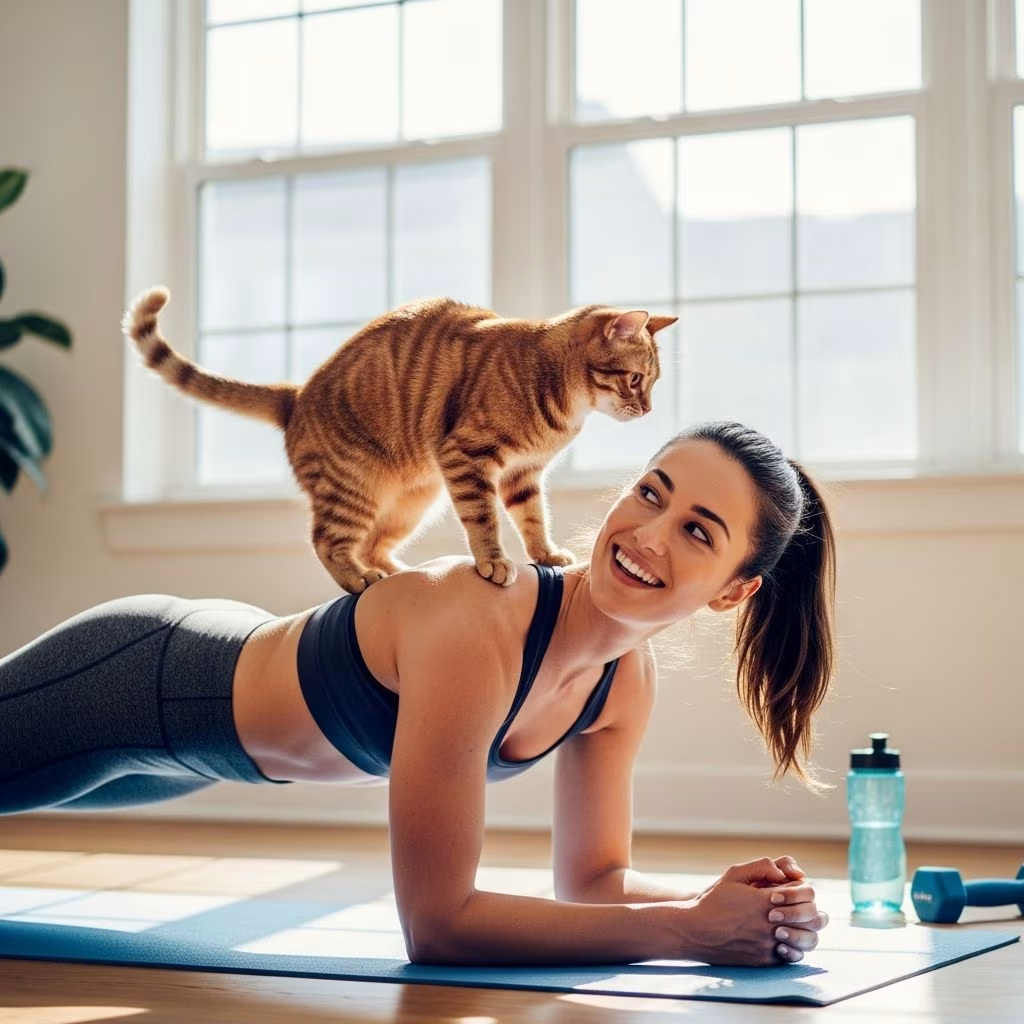
Cats are notorious for their love of lounging, but regular exercise is essential for their health, helping prevent obesity and maintaining mobility as they age. Turning your cat into your workout buddy not only keeps them active but also strengthens your bond through shared playtime. This guide outlines 12 vet-approved strategies to encourage movement, from simple household hacks to dedicated equipment, ensuring your feline gets the recommended 30 minutes of daily activity.
Why Exercise Matters for Cats
Exercise is crucial for cats to maintain a healthy weight, support mental well-being, and reduce boredom-related behaviors. Indoor cats, in particular, are prone to laziness and obesity without stimulation. Vets recommend at least 30 minutes of activity per day, often split into 10-15 minute sessions, tailored to age and breed—kittens and active breeds like Bengals need more, while seniors require gentler approaches. Engaging your cat in workouts mimics their natural hunting instincts, promoting pouncing, chasing, and climbing for optimal physical and emotional health.
The 12 Ways to Get Your Cat to Exercise
Here are 12 practical, vet-endorsed methods to motivate your cat. Each includes required items, involvement level, and tips for success. Start with low-effort options and progress based on your cat’s interest.
1. Kitty Treadmill
| What You Will Need | Level of Involvement |
|---|---|
| A cat treadmill (resembling a giant hamster wheel) | High |
Cat treadmills provide controlled cardio, ideal for indoor exercise to combat obesity. Assembly and training are required—lure with treats initially and supervise sessions. Though pricey, consistent use yields excellent results for fitness-focused cats.
2. Laser Pointer Play
| What You Will Need | Level of Involvement |
|---|---|
| Laser pointer | Moderate |
Darting laser dots trigger your cat’s chase instinct, offering high-energy bursts without exhaustion. Play in short sessions to avoid frustration when the ‘prey’ vanishes. This interactive method burns calories while you stay seated, making it perfect for joint workouts.
3. Use a Cat Condo / Tower
| What You Will Need | Level of Involvement |
|---|---|
| A cat condo or tower | Low |
Multi-level towers encourage climbing, jumping, and scratching, providing vertical exercise space. Place it near windows for added bird-watching motivation. Low-maintenance once installed, it’s a staple for passive activity.
4. Use Electronic Toys
| What You Will Need | Level of Involvement |
|---|---|
| Electronic or powered cat toys (remote-controlled or automated) | Low |
These self-moving toys—spinning, flying, or squeaking—entice cats to pounce and chase independently. Options range from budget wind-ups to app-controlled devices. Minimal effort from you means more time for your own workouts.
5. Try Bubbles
| What You Will Need | Level of Involvement |
|---|---|
| Pet-safe bubbles or blower | Moderate |
Not all cats love bubbles, but those who do leap enthusiastically to pop them, gaining aerial exercise. Use non-toxic formulas to prevent eye or ingestion issues. Test interest first—it’s a fun, zero-cost addition if they engage.
6. Puzzle Toys and Feeders
| What You Will Need | Level of Involvement |
|---|---|
| Puzzle toys or treat dispensers | Low |
These toys require cats to nudge, paw, or solve puzzles for food, turning meals into mental and physical workouts. Ideal for independent play, they prevent overeating while promoting foraging behavior akin to wild hunting.
7. Wand Toys and Interactive Play
| What You Will Need | Level of Involvement |
|---|---|
| Wand toys with feathers or strings | High |
Direct interaction with wand toys simulates prey, prompting sprints and leaps. Schedule 10-minute sessions twice daily for bonding and exercise. This hands-on approach is vital for cats needing human motivation.
8. Leash Training
| What You Will Need | Level of Involvement |
|---|---|
| Cat harness and leash, patience | High |
Train your cat for outdoor walks to explore safely, boosting steps for both of you. Start indoors, use positive reinforcement, and respect their pace. Great for mental stimulation and fresh air.
9. Build a Catio
| What You Will Need | Level of Involvement |
|---|---|
| Materials for an enclosed outdoor patio (netting, frames) | High (initial setup) |
A catio offers secure outdoor access for climbing, lounging, and watching wildlife, encouraging natural movement. DIY or pre-made options provide long-term, low-effort exercise in a predator-free zone.
10. Get Your Cat a Friend
| What You Will Need | Level of Involvement |
|---|---|
| Compatible companion cat | Moderate |
Introducing a playmate sparks chasing and wrestling, doubling activity levels. Ensure personalities match and supervise introductions to avoid stress. Not for all cats, but effective for social felines.
11. Hide-and-Seek with Treats
| What You Will Need | Level of Involvement |
|---|---|
| Treats or kibble | Moderate |
Scatter food around the house to mimic hunting, prompting exploration and jumping. Rotate hiding spots to maintain interest. This calorie-controlled method aids weight management.
12. Use Household Items
| What You Will Need | Level of Involvement |
|---|---|
| Cardboard boxes, pillows, paper bags | Low–Moderate |
Stack boxes into forts or roll balls of paper for instant play zones. Creativity turns everyday items into obstacle courses, fostering agility without purchases.
You Might Need to Get More Involved
While passive toys work for some, many cats thrive on owner participation. If electronic gadgets fail, grab a laser or wand—your energy sets the tone. Sedentary owners often mirror lazy cats; schedule play to model activity. For overweight cats, combine exercise with diet tweaks, consulting vets for personalized plans. Persistence pays off, as regular sessions prevent health issues like diabetes.
Tailoring Exercise by Life Stage
- Kittens: High energy demands multiple short bursts with chase toys.
- Adults: 30 minutes daily via mixed methods.
- Seniors: Gentle climbing and short plays to avoid strain.
Monitor for overexertion, especially in older cats, and adjust based on breed—active types like Abyssinians need more stimulation.
Frequently Asked Questions (FAQs)
What if my cat ignores these toys?
Observe preferences and rotate items; some cats need interactive play. Consult a vet to rule out health issues.
How much exercise does my cat really need?
About 30 minutes daily, in 10-15 minute sessions, varying by age and breed.
Can exercise help my obese cat lose weight?
Yes, paired with diet; tools like lasers and puzzle feeders aid gradual loss without stress.
Is leash walking safe for cats?
With proper harness training, yes—it provides safe outdoor enrichment.
What if my cat is a senior?
Opt for low-impact activities like gentle wand play or elevated perches to maintain mobility.
Making your cat your workout buddy fosters a healthier, happier life. Experiment with these methods, track progress, and enjoy the zoomies together!
References
- How to Get Your Cat to Exercise With You: 12 Vet Approved Workout Ideas — Catster. 2023. https://www.catster.com/lifestyle/how-to-make-your-cat-your-workout-buddy/
- How Much Exercise Does My Cat Need? Vet-Approved Advice — Catster. 2023. https://www.catster.com/cat-health-care/how-much-exercise-do-cats-need/
- It’s Crunch Time, Cyril: A Weight Loss Journey (Part 1) — Catster. 2023. https://www.catster.com/felines-weekly/cyrils-weight-loss-journey-part-one/
- Cat Life Stages Explained (Plus 12 Vet-Approved Tips) — Catster. 2023. https://www.catster.com/cat-health-care/cat-life-stages/



