

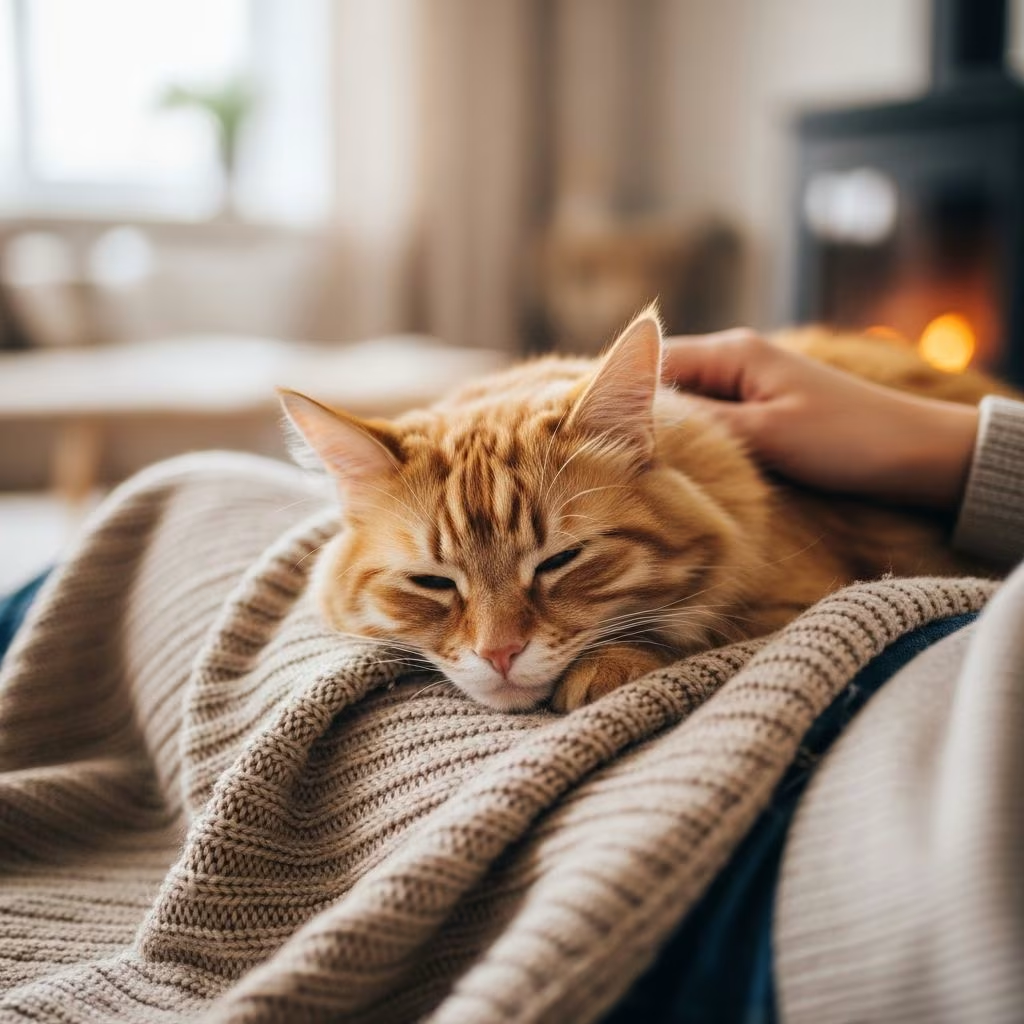
Turning your cat into a devoted lap cat can deepen your bond and create those heartwarming moments of closeness. While not all cats naturally seek laps, understanding their behavior and using gentle techniques can encourage this affectionate habit. This guide draws on veterinary insights to explain why some cats love laps and provides step-by-step methods to help yours feel comfortable there.
Why Are Some Cats Lap Cats While Others Aren’t?
Cats’ personalities vary widely, influencing whether they become lap cats. Some are naturally drawn to laps for warmth, attention, or comfort, while others prefer independence due to energy levels or past experiences. Research into feline behavior is ongoing, but factors like genetics, early socialization, and environment play key roles.
Every cat has unique preferences; some learn to enjoy laps with training, others never will. Being held can feel unnatural for independent cats, making lap-sitting less appealing without positive associations.
The 3 Main Reasons Cats Become Lap Cats
- Seeking Warmth: Cats prefer temperatures between 80°F and 90°F (26.6°C–32.2°C), warmer than typical human homes at 70°F (21.1°C). Your lap offers cozy heat, like a sunbeam or fresh laundry.
- Seeking Attention: Attention-loving cats sit on laps to solicit pets or companionship, especially if feeling ignored.
- Comfort and Safety: Laps smell familiar from scent-marking, providing security via mixed human-cat aromas that signal trust.
Reasons Some Cats Avoid Laps
- High energy: Active cats dislike stillness, preferring play or climbing.
- Unfamiliarity: Without socialization, laps feel insecure.
- Personality: Independent breeds or ferals may prioritize solitude.
Understanding Lap Cat Behavior
Cats sit on laps for warmth, comfort, companionship, and kneading. Their superior sense of smell (14 times humans’) detects reassuring scents on you. Relaxed cats knead paws (‘making biscuits’) on laps, a kitten-like comfort behavior releasing endorphins.
Lap grooming often occurs because your lap is a safe spa spot. It signals happiness, bonding via oxytocin, or rarely, stress relief from pain. Excessive grooming warrants a vet check.
Avoid ‘cat paralysis’—sudden movements scare lap cats, delaying future visits. Respect their choice to honor the privilege.
How to Train Your Cat to Be a Lap Cat: 8 Proven Steps
Patience and positivity are essential. Force leads to aversion; instead, build trust gradually.
- Start Young if Possible: Kittens socialize easily. For adults, mimic this with daily gentle handling.
- Create a Positive Association: Place treats or toys on your lap. Reward steps onto it with praise and goodies. Food-motivated cats respond quickly.
- Choose Quiet Times: Sit still in a calm room during your cat’s relaxed periods, like post-meal or evening.
- Use Your Scent: Place unwashed clothes on a chair to familiarize your smell, then transition to lap.
- Gentle Petting: Stroke head/chin first—their favorite spots—avoiding belly until trusted.
- Respect Boundaries: Let them approach; end sessions before they tire to keep it positive.
- Incorporate Play: Short play before lap time burns energy, making stillness appealing.
- Consistency: Daily 10–15 minute sessions build habit. Track progress in a journal.
For aloof cats, transformation can take months or years, but persistence pays off.
Best Lap Cat Breeds
Certain breeds are predisposed to lap-sitting due to affectionate temperaments.
| Breed | Temperament | Lap Affinity |
|---|---|---|
| Ragdoll | Relaxed, docile | High—goes limp when held |
| LaPerm | Social, friendly | Excellent for families; loves human time |
| Burmese | Playful, people-oriented | Often seeks laps for attention |
| Himalayan | Calm, laid-back | Prefers lounging over wild play |
| Birman | Gentle, affectionate | Enjoys quiet companionship |
Mixed breeds can also become lap cats with training.
Tips for Encouraging Lap Time
- Wear soft fabrics cats like (fleece, wool).
- Keep lap warm with a heating pad (low, supervised).
- Avoid sudden noises/movements.
- Pair with catnip or silvervine for appeal.
- Multi-cat homes: Rotate attention to reduce jealousy.
Common Mistakes to Avoid
- Forcing It: Leads to scratches and distrust.
- Inconsistent Rewards: Confuses the cat.
- Ignoring Signals: Tail flicks or ear flattening mean ‘stop.’
- Over-Stimulation: Too much petting causes overload.
Frequently Asked Questions (FAQs)
Can any cat become a lap cat?
Most can with time and training, though personality limits some. Focus on trust-building.
How long does it take?
Weeks for eager cats, months/years for independents. Consistency is key.
What if my cat grooms excessively on my lap?
Usually comfort, but excess may signal stress/pain—consult a vet.
Why does my cat knead on my lap?
It’s a happy, comforting behavior from kittenhood, showing safety.
What breeds make the best lap cats?
Ragdolls, LaPerms, Burmese excel due to affectionate natures.
Is it bad if my cat isn’t a lap cat?
No—they show love via head-butts, purring, or following you. Respect their style.
Signs Your Efforts Are Working
- Voluntary lap approaches.
- Longer stay times.
- Kneading, purring, slow blinks.
- Grooming nearby (not excessively).
Celebrate small wins; a lap cat bond enriches both lives.
References
- Why Are Some Cats Lap Cats While Others Aren’t? Vet-Reviewed — Catster. 2023. https://www.catster.com/cat-behavior/why-are-some-cats-lap-cats/
- Why Do Cats Like Sitting on Laps? 5 Vet-Verified Reasons — Catster. 2023. https://www.catster.com/cat-behavior/why-do-cats-like-sitting-on-laps/
- Lap Grooming Explained: 4 Vet-Verified Reasons Cats Do It — Catster. 2023. https://www.catster.com/cat-behavior/lap-grooming-explained-4-vet-verified-reasons-cats-do-it/
- What Cat Paralysis?! Dr. Karyn’s Lap Lovers — Catster. 2023. https://www.catster.com/felines-weekly/what-cat-paralysis-dr-karyns-lap-lovers/
- When an Aloof Cat Becomes a Lap Cat — Catster. 2023. https://www.catster.com/felines-weekly/when-an-aloof-cat-becomes-a-lap-cat/
- LaPerm Cat: Breed Info, Pictures, Traits & Facts — Catster. 2023. https://www.catster.com/cat-breeds/laperm/



