

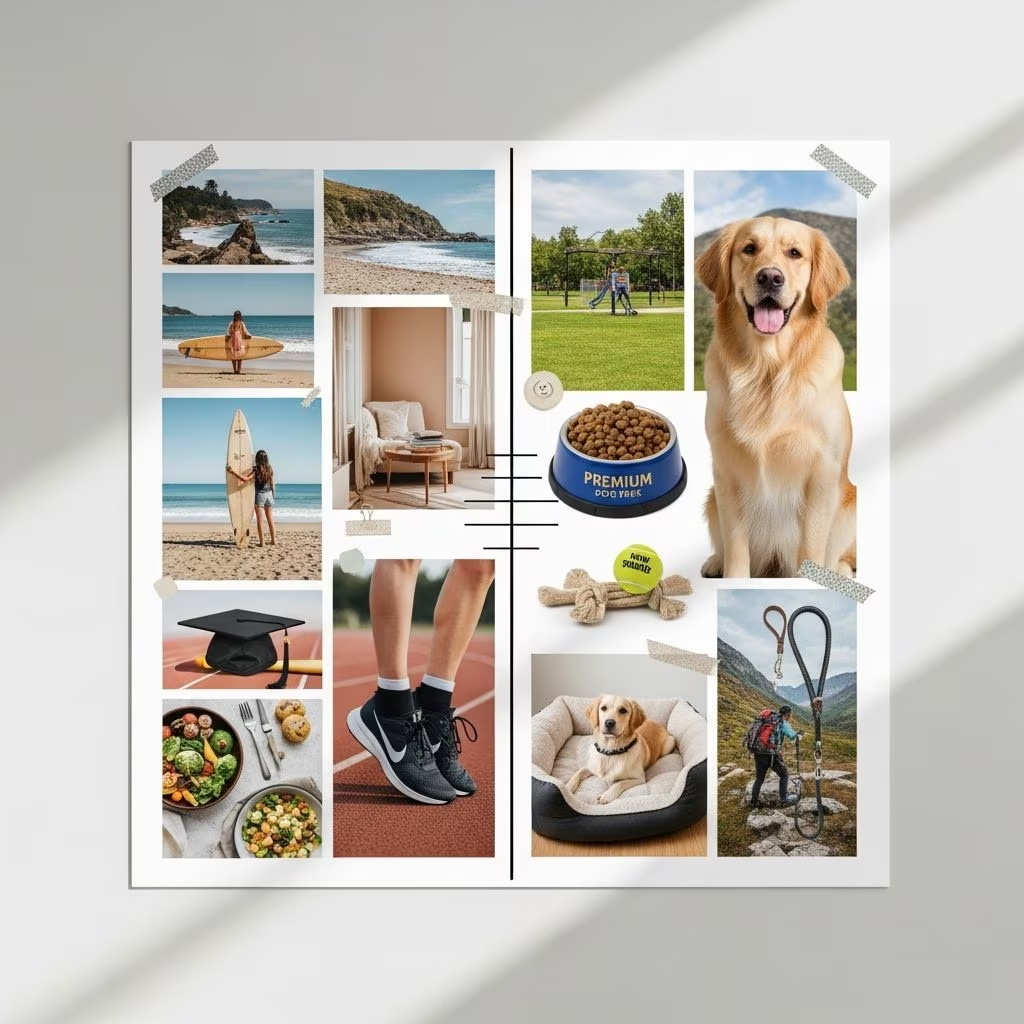
How to Make a Vision Board for You and Your Pet
At the beginning of each year, millions of people dedicate time to creating vision boards—visual representations of their goals and aspirations. Whether crafted from magazine clippings and poster board or designed digitally on platforms like Canva, these boards serve as powerful manifestation tools. But here’s a thought: what if you created one that included your beloved pet? A pet vision board allows you to establish and visualize shared goals with your furry companion, from prioritizing health and wellness to embarking on exciting adventures together. This collaborative approach to goal-setting transforms your pet from a bystander in your journey into an active participant in creating the life you both want to live.
What Do I Put on a Pet Vision Board?
The foundation of an effective pet vision board lies in thoughtfully selecting what goes on it. Before gathering images and words, ask yourself a crucial question: “What do I want for myself and my pet?” This reflection ensures your goals are authentic and meaningful rather than based on external pressures or trends.
For example, you might consider including agility equipment on your vision board because you dream of competing in dog agility competitions with your pet. But take a moment to explore your motivation deeper. Are you pursuing this goal because everyone else in your social circle is doing it, or because you genuinely believe you and your dog would benefit from the physical activity, mental stimulation, and bonding that comes with training together?
Key Vision Board Categories and Ideas
To help you get started, consider these popular categories and specific goal suggestions:
Beauty and Fashion
This category celebrates the fun, aesthetic side of pet parenthood. Ideas include:
– Wear more matching outfits with your pet- Level up your personal beauty routine alongside your pet’s grooming routine- Set up regular spa days featuring baths, nail trims, and relaxation time together
Creativity
Encourage new experiences and hands-on projects that involve your pet:
– Try a new recipe designed for you and another recipe created with your pet’s nutritional needs in mind- Complete a DIY project such as building a pet bed, creating a toy organizer, or constructing enrichment toys
Bonding Time
Perhaps the most meaningful category, bonding time strengthens your relationship while boosting both your happiness and your pet’s well-being:
– Schedule regular Sunday dinners where you and your pet share mealtime together- Commit to daily walks together, making it a non-negotiable part of your routine- Make time for morning cuddles, understanding that physical touch boosts both pet and parent happiness
Health and Wellness
A crucial category that demonstrates your commitment to longevity and quality of life:
– Complete a couch-to-5K challenge together with your dog- Schedule and attend regular veterinary check-ups and wellness visits- Implement a consistent exercise routine tailored to your pet’s age and breed- Explore healthy treat alternatives and balanced nutrition
Travel and Adventure
Expand your horizons with your pet by planning trips and experiences:
– Plan pet-friendly vacations and weekend getaways- Explore new hiking trails and outdoor destinations- Attend pet-friendly events, festivals, or markets in your area
How to Make a Vision Board: A 10-Step Guide
Creating a vision board requires intentional planning and a relaxed mindset. Follow these steps to bring your pet vision board to life:
1. Plan Ahead
Vision boarding deserves dedicated time and attention. Choose a specific day and time to complete this activity, then block it off on your calendar. Identify a relaxing environment where you can work without distractions—perhaps a sunny corner of your home, your bedroom, or even outdoors. Gather all necessary materials beforehand to ensure the process remains stress-free when the day arrives. This preparation transforms vision boarding from a rushed task into a mindful, enjoyable experience.
2. Choose Your Format
Decide whether you prefer a physical or digital vision board. Physical boards offer tactile satisfaction and can be hung in your office, bedroom, or living room as daily reminders. Digital vision boards created on platforms like Canva can become your desktop wallpaper or phone background, ensuring you see your goals multiple times daily. Both formats are equally effective; choose based on your preferences and lifestyle.
3. Gather Your Materials
For physical vision boards, collect magazines, newspapers, printed images, scissors, glue, markers, poster board or poster-sized cardstock, and any decorative elements like stickers or washi tape. For digital boards, ensure you have access to design software and a collection of images saved from the internet.
4. Set Your Timeline
Determine whether you’re manifesting for the long-term (three to five years in the future) or short-term (six months to one year). This choice influences the types of goals you select and the images you choose. Long-term vision boards might include ambitious goals like traveling to multiple countries with your pet, while short-term boards focus on achievable milestones like completing a training program or visiting a specific destination.
5. Reflect on Your Feelings
Before selecting images and phrases, think about how you want to feel. Do you want to feel more adventurous, peaceful, accomplished, or connected to your pet? Write down these emotions. This emotional clarity helps guide your image selection and ensures your vision board resonates on a deeper level than just depicting specific outcomes.
6. Choose Your Categories and Goals
Select the categories most relevant to you and your pet. While suggestions like travel and adventure, health and wellness, and bonding time are popular starting points, customize them to match your unique situation and aspirations. If you’re unsure about specific goals within each category, start by identifying the feeling you want to experience in that area of your life. For instance, if you want to feel “more connected” to your pet, goals might include daily walks, training sessions, or travel adventures.
7. Select Meaningful Images and Words
Search for images, words, phrases, and letters that resonate with your newly identified goals and desired feelings. These might include motivational quotes, pictures of destinations you want to visit, images of activities you want to enjoy together, or words like “free from anxiety,” “fulfilled,” “capable and confident,” “adventurous,” or “thriving.” Include your favorite pictures of you and your pet—perhaps a photo of you playing on the beach together to represent more enjoyable times and adventures.
8. Arrange Your Vision Board
Begin arranging your selected images, words, and phrases on your board. There’s no right or wrong arrangement; follow your intuition and let the layout flow naturally. Leave some white space to avoid overcrowding, and consider creating visual balance by distributing images and text throughout the board.
9. Assemble Your Board
Glue down your selected images and words, whether using traditional glue on a physical board or layering images in your digital design. Add decorative elements if desired. Take your time with this step to ensure everything is secure and visually appealing.
10. Display and Revisit
Place your vision board somewhere you’ll see it regularly—your bedroom wall, office desk, kitchen refrigerator, or as your digital background. The frequency with which you view your board directly impacts its effectiveness. Make it a habit to glance at your board daily, and take time each week to revisit your goals and reflect on your progress.
How Vision Boards Work: The Science of Visualization
Vision boards are far more than decorative objects or feel-good activities. They work by harnessing the power of visualization and mental imagery to influence your thoughts, emotions, and behaviors in ways that move you closer to your goals.
The Neuroscience Behind Visualization
Visualization functions as a powerful tool because it activates your nervous system in specific ways. When you visualize yourself and your pet achieving your shared goals, you’re essentially putting yourself in the energy and feeling of already having accomplished those objectives. This mental simulation creates a physiological state similar to actually experiencing the desired outcome. Just as thinking about a stressful situation can elevate your cortisol levels and shift your mood negatively, thinking about an ideal outcome can put your nervous system at ease and into a relaxed, optimistic state.
Three Key Benefits of Vision Boards
Boost Motivation
A primary benefit of vision boards is enhanced motivation. When you clearly articulate what you want and understand why you want it, you’ve already won half the battle. Vision boards force you to think through these crucial questions and make your desires tangible and specific. Rather than vague goals like “be healthier,” your board might feature images of hiking adventures, fresh vegetables, and exercise activities, making your health aspirations concrete and mentally accessible.
Improve Chances of Success
By getting clear on what you want to manifest and then regularly seeing it in your mind’s eye, you make it easier to harness your focus and determination. Your brain becomes attuned to recognizing opportunities and resources that align with your goals. This phenomenon, known as the reticular activating system, means you’re more likely to notice dog-friendly hiking trails, pet training classes, or travel destinations that support your vision.
Enhance Productivity
When placed where you can regularly see them, vision boards serve as constant reminders of your goals and help you stay on track toward achieving them. This visual reinforcement maintains focus and commitment, even during busy periods when goals might otherwise slip from your mind. Your board becomes your north star, redirecting your attention back to what truly matters to you and your pet.
Setting Realistic Expectations
While vision boards are powerful tools, it’s important to keep your goals within reason. Rather than overwhelming yourself with dozens of aspirations, choose three to five maximum goals to focus on. This focused approach prevents diluting your energy and attention across too many directions, increasing the likelihood of actually achieving your objectives. Remember that vision boards complement action—they work best when paired with concrete steps toward your goals.
Frequently Asked Questions
Q: Can I create a vision board with my pet’s input?
A: While your pet can’t directly provide input, you can choose activities and goals that align with your pet’s personality, energy level, and preferences. For example, if your dog loves water, include swimming or beach activities. If your cat enjoys quiet time, include cozy indoor moments in your bonding goals.
Q: How often should I update my vision board?
A: You can update your vision board annually, seasonally, or whenever your goals and circumstances change. Many people create new boards each January, but there’s no strict rule. Listen to your intuition about when it’s time for a refresh.
Q: Do I need to share my vision board with my pet?
A: No, your vision board is primarily for you. However, placing it where you see it regularly serves as a daily reminder of your shared goals and aspirations with your pet.
Q: What if my goals change after creating my vision board?
A: Goals evolving is completely normal. You can adjust, update, or even replace your vision board whenever your priorities shift. The process of creating and revisiting your board is what matters most.
Q: Can a vision board really help me achieve my pet-related goals?
A: Vision boards work best as part of a comprehensive goal-setting strategy that includes clear intentions, specific action steps, and consistent effort. They serve as motivation and mental preparation rather than magical solutions.
Q: Should I include budget considerations on my vision board?
A: While your vision board focuses on aspirations and feelings, it’s wise to consider practical elements like budget when planning your goals and action steps. Ensure your dreams are achievable within your current circumstances.
References
- How to Make a Vision Board for You and Your Pet — Chewy. 2024. https://www.chewy.com/education/dog/pet-parenting/pet-vision-board
- American Psychological Association: Visualization and Mental Imagery — APA. 2023. https://www.apa.org/
- The Reticular Activating System and Goal Achievement — Psychology Today. 2023. https://www.psychologytoday.com/
- Pet Wellness and Bonding Benefits — ASPCA. 2024. https://www.aspca.org/
- Goal Setting and Visualization Techniques — Mayo Clinic. 2024. https://www.mayoclinic.org/



