

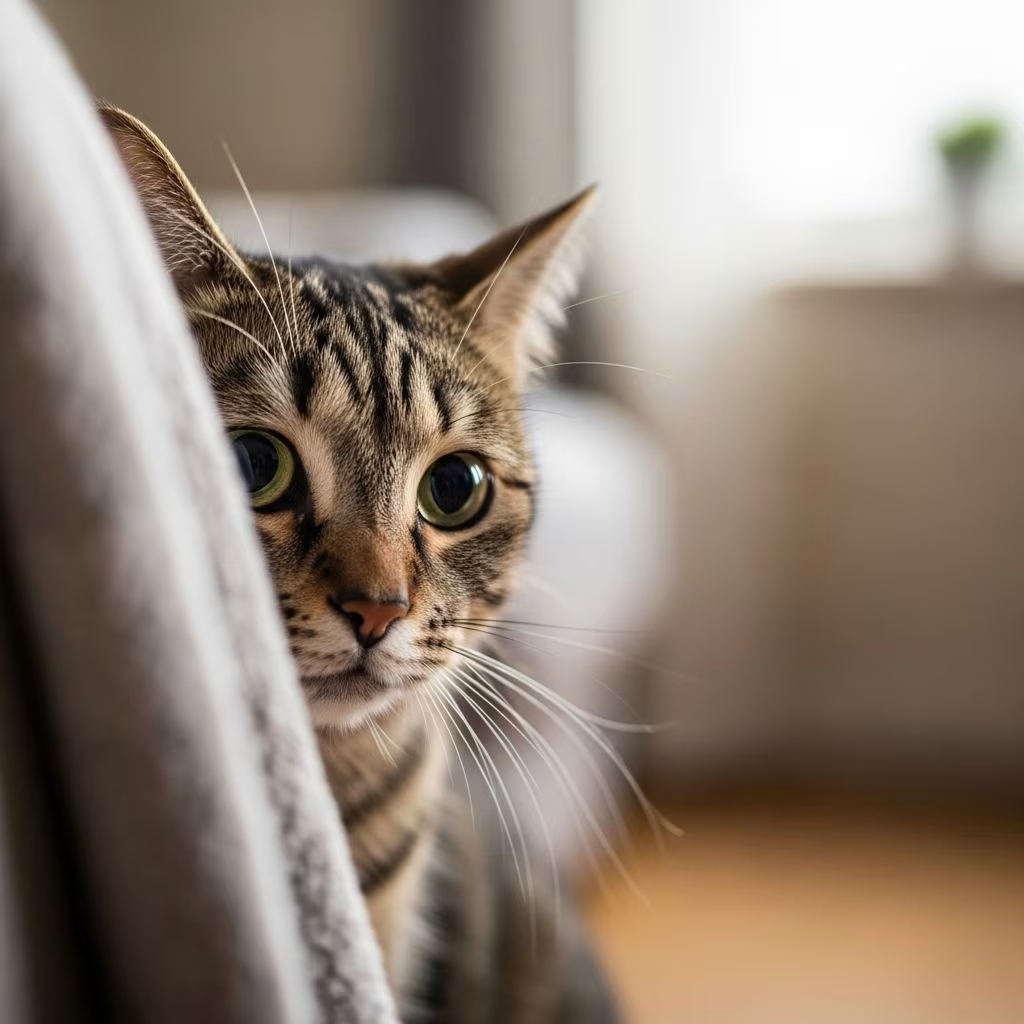
Many cat owners notice their feline friends acting like true scaredy cats, hiding at every sudden noise or unfamiliar visitor. This behavior stems from cats’ natural instincts as prey animals, making them highly sensitive to changes in their environment. Understanding and addressing these fears can transform your cat’s quality of life, reducing anxiety and fostering trust. This guide draws from veterinary insights to outline five practical strategies, ensuring your timid tabby feels safe and loved.
The 5 Tips for Making a Scared Cat Feel More Secure
Helping a fearful cat requires patience and observation. Cats exhibit fear through specific signs like dilated pupils, flattened ears, crouched posture, hissing, or hiding, often triggered by loud noises, new people, other pets, or routine disruptions. By implementing these tips systematically, you can create a supportive home that minimizes stress and promotes security.
1. Pinpoint Triggers
The foundation of helping your scared cat is identifying what sparks their fear. Cats can be startled by a wide array of stimuli, including loud noises like vacuums or slamming doors, larger pets such as dogs, unfamiliar humans, other cats, or even clanging kitchen utensils. Observe your cat closely: Does it bolt when the washer starts? Tense up around certain family members? Run from children’s sudden movements?
To pinpoint triggers effectively:
- Keep a daily journal noting times, events, and your cat’s reactions for patterns.
- Introduce changes gradually, like playing vacuum sounds at low volume from afar.
- Eliminate or modify obvious scares, such as securing doors to muffle noises or supervising interactions with dogs/kids.
Once identified, you can desensitize your cat through counter-conditioning: pair the trigger with positive rewards like treats. For instance, if the vacuum terrifies them, start it in another room while offering playtime. This process builds positive associations over time, reducing the fear response. Past trauma, like abuse or vet visits, can also linger, manifesting as sudden scares from scents or movements. Patience here prevents escalation into chronic anxiety.
2. Bond with Your Cat
A strong human-cat bond is crucial for a scared cat’s sense of security. New cats or those from stressful backgrounds may take weeks to acclimate, viewing you as part of the ‘threat’ initially. Dedicate daily time to gentle interactions tailored to your cat’s comfort level.
Effective bonding techniques include:
- Slow blinks and soft talk: Mimic cat communication by slow-blinking (eyes half-closed) and using a calm, high-pitched voice to signal safety.
- Play therapy: Use wand toys or laser pointers for 10-15 minutes daily, letting your cat ‘hunt’ at their pace to build confidence and release endorphins.
- Hand-feeding: Offer treats or meals from your hand to associate you with positivity, starting at a distance if needed.
- Grooming sessions: Gentle brushing mimics social grooming in cat colonies, deepening trust.
Avoid forcing affection—let your cat initiate contact. Over time, this consistency reassures them you’re a protector, not a predator. Cats pick up on your emotions, so remain calm during interactions to prevent amplifying their stress.
3. Give Them Safe Spaces
Scared cats need designated zones where they control access, free from intruders like hyper dogs, boisterous children, or unwanted guests. Without these, constant vigilance leads to exhaustion and heightened anxiety.
Create safe spaces by:
- Installing baby gates or screens to block dogs from certain rooms, allowing cat-only havens.
- Setting up elevated perches like window seats or cat shelves for oversight without exposure.
- Providing quiet rooms with litter, food, water, and scratchers for retreat during stressful events like parties.
For multi-pet homes, rotate access: let the cat roam freely when the dog is crated. This empowers your cat, reducing chase games or surprise attacks. Vertical space is key—cats feel secure higher up, surveying threats below. Ensure these spaces are always accessible, signaling reliability.
4. Offer Many Hideouts
Beyond safe rooms, multiple hideouts offer instant refuge for overwhelmed cats. Felines instinctively seek enclosed spots mimicking dens, which block views and muffle sounds, drastically cutting anxiety.
Ideal hideout options:
- Cat caves and tunnels: Commercial igloo beds or DIY boxes with entry holes.
- Under-furniture mods: Add ramps or cushions under beds/sofas for cozy boltholes.
- Cardboard forts: Stack boxes with peepholes for play and safety.
- Closet shelves: Line with blankets for elevated seclusion.
Scatter 4-6 hideouts throughout the home, rotating to keep them novel. Place near litter boxes but away from high-traffic areas. Cats using hideouts frequently show reduced stress hormones, per feline behavior studies. Combine with pheromone diffusers for amplified calm.
5. Use Calming Aids
For persistent fears, supplements and aids bridge the gap while behavioral changes take effect. Vet-approved options include synthetic pheromones mimicking nursing mothers, proven to soothe 70-90% of anxious cats.
| Aid Type | Examples | Benefits | Usage Tips |
|---|---|---|---|
| Pheromone Diffusers | Feliway plugs | Reduces hiding, scratching by 74% | Plug in safe spaces; replace monthly |
| Supplements | Zylkene (casein-based) | Lowers cortisol; non-sedating | Daily capsules; vet consult first |
| Calming Collars/Sprays | Sentry calming spray | Portable relief for travel/vets | Spray bedding 15 min before events |
| Nutraceuticals | L-theanine treats | Promotes relaxation without drowsiness | Treat form for easy daily dosing |
Always consult a vet before starting aids, ruling out medical issues like hyperthyroidism causing sudden fear. Pair with environmental tweaks for holistic results. Avoid punishers—they erode trust and worsen anxiety.
Understanding Scared Cat Behavior
Recognizing fear signs prevents mishandling: body language like arched backs, puffed fur, tail swishing/tucking, ear flattening, dilated eyes; vocalizations such as growls/hisses; and hiding. Common fears include strangers, cucumbers (novelty), scents from vets/other animals, sudden movements, and routine breaks like moves. Kittens socialized early are less prone, but rescues often carry baggage.
Frequently Asked Questions (FAQs)
Why is my cat scared all of a sudden?
Sudden fear often ties to new scents, objects, trauma, illness, or environmental shifts like storms. Vet check rules out pain.
How long does it take to help a scared cat?
Weeks to months with consistency; progress varies by cat’s history and triggers.
Can scared cats become confident?
Yes, through desensitization, bonding, and safe environments—many transform into bold explorers.
Is it okay if my cat hides a lot?
Occasional hiding is normal, but persistent avoidance signals stress needing intervention.
What if tips don’t work?
Consult a vet or behaviorist for anxiety disorders; meds may be needed alongside therapy.
References
- How to Tell if a Cat Is Scared (4 Vet-Reviewed Signs to Look For) — Catster. 2023-10-15. https://www.catster.com/cat-behavior/how-to-tell-if-a-cat-is-scared/
- What Are Cats Scared Of? 8 Vet-Reviewed Feline Fears & How to Help — Catster. 2024-02-20. https://www.catster.com/cat-behavior/what-are-cats-scared-of/
- My Cat Is a Scaredy Cat: 5 Tips to Make Them Feel More Secure — Catster. 2023-11-08. https://www.catster.com/cat-behavior/how-to-make-scaredy-feel-more-secure/
- Why Is My Cat Scared All of a Sudden? 10 Vet-Approved Reasons — Catster. 2024-05-12. https://www.catster.com/cat-behavior/why-is-my-cat-scared-all-of-a-sudden/



