

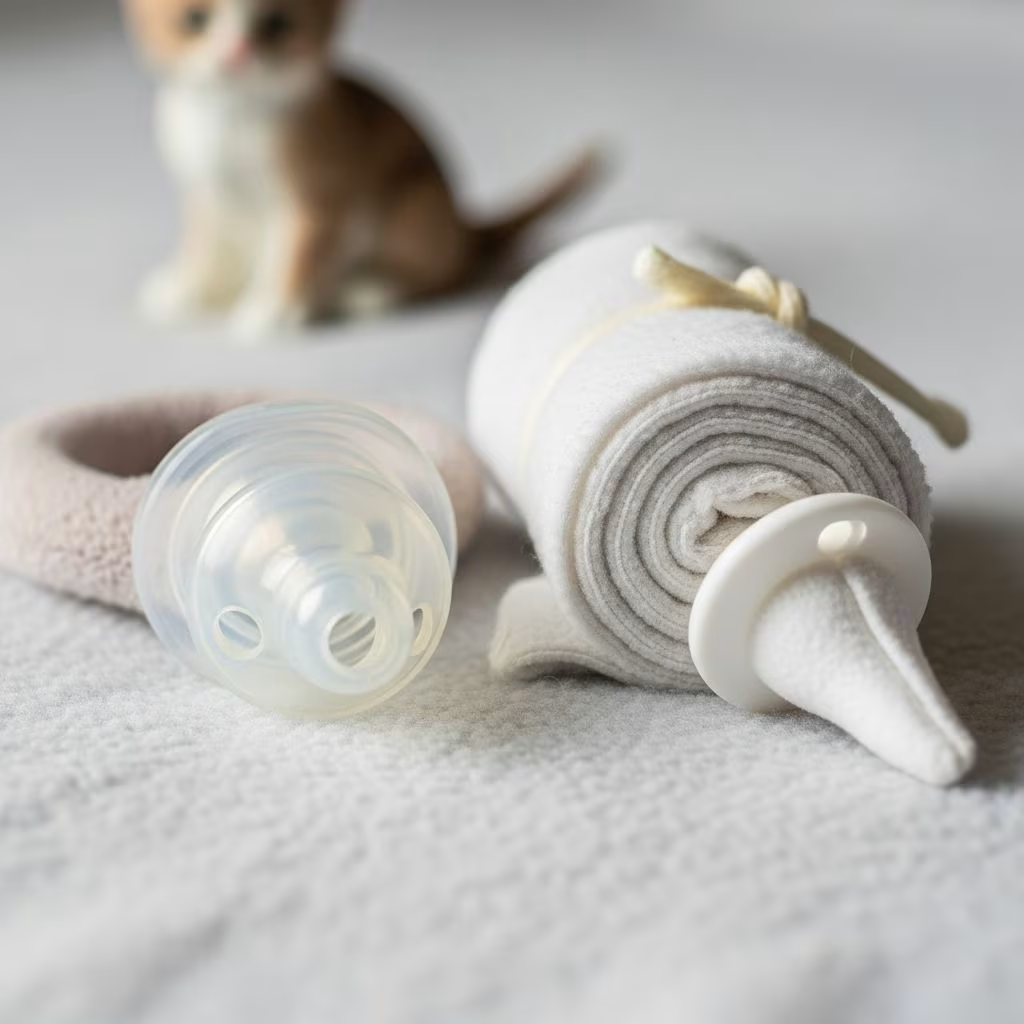
How to Make a Kitten Pacifier at Home: 2 Easy DIY Options
Kittens, like human babies, sometimes need comfort beyond what their environment naturally provides. Whether your kitten has been weaned too early, separated from their mother prematurely, or is displaying excessive suckling behaviors, a pacifier can be an effective solution. The good news is that creating a kitten pacifier at home is straightforward and requires only basic materials you likely already have on hand. Unlike commercial kitten pacifiers, which are rare and often expensive, a homemade version can be assembled in just a few minutes.
Understanding Why Kittens Need Pacifiers
Suckling is a natural behavior in kittens, especially those who have lost their mother or been separated from her too early. While this behavior is normal for nursing kittens, older kittens may continue to suckle for comfort rather than nutrition. This is where a pacifier becomes valuable. By providing a designated object for suckling, you can redirect this behavior away from human fingers, ears, or littermates. A well-designed kitten pacifier mimics the comfort of nursing without the associated feeding, which can actually make weaning easier in the long run since your kitten won’t associate the pacifier with food intake.
When Your Kitten Might Need a Pacifier
Several situations warrant the use of a kitten pacifier. Orphaned kittens or those separated from their mothers too early often benefit from this comfort tool. Additionally, if your kitten is displaying behaviors like suckling on your fingers, ears, or clothing, a pacifier can provide an appropriate outlet for this natural instinct. Singleton kittens, who don’t have littermates to bond with, may find extra comfort in a pacifier. It’s important to note that not all kittens will accept or need a pacifier, and that’s perfectly normal. In fact, if your kitten naturally doesn’t seek out a pacifier, it may indicate they’re getting sufficient comfort through other means.
Option One: Baby Pacifier Method
Step 1: Purchase a Baby Pacifier
The first method begins with selecting an appropriate baby pacifier. Since kittens are significantly smaller than human babies, always choose the smallest size available. You’ll find numerous options in stores, but the specific style matters less than the material composition. Latex pacifiers are the best choice for your kitten, as they are softer and more pliable, making them gentler on delicate gum tissue. Silicone soothers are also acceptable and work well for many kittens. However, avoid plastic pacifiers entirely, as these can be hard and potentially damaging to your kitten’s sensitive gums.
You can recycle pacifiers previously used by human babies or other kittens, provided you sanitize them thoroughly. The key is removing any lingering scents—you don’t want the pacifier smelling like a human baby, as this could deter your kitten from accepting it. A thorough washing with warm water and a pet-safe cleaning solution will accomplish this.
Step 2: Choose a Familiar Comfort Object
Simply handing a bare pacifier to your kitten won’t work. Kittens lack the understanding to use a pacifier independently like human infants do, and they need an emotional anchor to the object. Therefore, selecting a familiar comfort item is essential to success. The ideal comfort object should be something your kitten already knows and loves.
Consider these options:
- Soft bedding or blankets your kitten already snuggles with
- A stuffed toy your kitten is familiar with and enjoys
- Any soft object your kitten has previously sucked on
- Pillowcase material cut to an appropriate size
The size of this comfort object is important. It should be large enough that your kitten can snuggle against it as they would their mother, providing warmth and security. However, it must be small enough to move around easily—a full-sized human pillow would be impractical. If you’re using a blanket or pillowcase, simply cut it down to a manageable size, roughly 8-12 inches in diameter.
Step 3: Attach the Pacifier to the Comfort Object
Now comes assembly. Using thick, strong string or yarn, securely attach the pacifier to your chosen comfort object. Position the pacifier as closely as possible to the comfort item so it appears to be an integral part of it rather than a separate object. This integrated appearance encourages your kitten to accept it naturally.
Safety is paramount at this step. Trim any excess string after securing the pacifier, as dangling cord poses a strangulation hazard. Keep the connecting cord short and minimal to prevent your kitten from becoming tangled. Test the attachment by gently tugging on the pacifier to ensure it’s secure, but don’t make it so tight that it damages either component.
Option Two: Kitten Bottle Method
When to Use This Method
If you have a very young kitten, you’ve likely already invested in a kitten feeding bottle for formula or supplemental feeding. This method leverages that existing equipment, making it ideal for those actively using bottles or recently weaned kittens. You may even have spare bottles lying around from previous litters or feeding sessions.
Implementing the Bottle Pacifier
The bottle method is more straightforward than it might initially appear. A kitten feeding bottle can serve double duty as both a feeding implement and a comfort pacifier. Some caregivers fill the bottle with water or kitten formula-infused liquid to give it weight, making it easier for the kitten to hold and manipulate. The key is ensuring the nipple is present and appealing but not actively dispensing fluid during comfort suckling sessions.
This method works particularly well because kittens are already familiar with bottles if they’ve been bottle-fed, eliminating the need to introduce an entirely foreign object. The bottle’s shape and texture naturally accommodate suckling behavior, and many kittens transition to this pacifier without resistance.
Getting Your Kitten to Accept the Pacifier
Even with perfect execution of either method, some kittens may never accept a pacifier. This is not a failure—it simply reflects individual preferences. Some kittens have sufficient comfort through other means and don’t require or desire a pacifier. In fact, this can be good news. Suckling behavior in kittens is primarily associated with feeding and maternal bonding. If your kitten doesn’t seek out a pacifier naturally, they may be getting adequate comfort and security from their environment.
Only introduce a pacifier if your kitten is actively displaying suckling behaviors on your fingers, your clothing, or other inappropriate objects. Use the pacifier as a targeted intervention for these specific behaviors, not as a standard accessory for all kittens.
Comparison: Baby Pacifier vs. Bottle Method
| Feature | Baby Pacifier Method | Kitten Bottle Method |
|---|---|---|
| Cost | Inexpensive (typically $2-5) | Higher (bottles cost $8-15) |
| Best For | Older kittens, comfort suckling | Young kittens, bottle-fed babies |
| Assembly Time | 5-10 minutes | 2-5 minutes |
| Familiarity Factor | Requires introduction to comfort object | Uses familiar bottle kitten already knows |
| Portability | Easy to move around | Bulkier, harder to transport |
Important Safety Considerations
When creating any kitten pacifier, safety must be your foremost concern. Here are critical guidelines to follow:
- Avoid strangulation hazards: Trim all excess string and keep connectors short and secure
- Choose appropriate materials: Use soft, non-toxic fabrics for comfort objects
- Regular inspection: Check the pacifier frequently for signs of wear, loose threads, or damage
- Supervise usage: Monitor your kitten while using the pacifier, especially initially
- Hygiene: Keep the pacifier clean to prevent bacterial growth and infection
- Size appropriateness: Ensure all components are appropriately sized for your kitten
Weaning Your Kitten Off the Pacifier
One advantage of using a pacifier without a food component is that weaning becomes easier. Since your kitten doesn’t associate the pacifier with feeding, they won’t form a dependency based on nutrition. As your kitten matures and displays less frequent suckling behaviors, you can gradually reduce pacifier access. Eventually, most kittens naturally lose interest as they grow older and their need for comfort-suckling diminishes.
Gradual reduction works best—don’t abruptly remove the pacifier, as this could cause stress. Instead, slowly decrease the time your kitten has access to it, or remove it during certain periods while keeping it available during others.
Frequently Asked Questions
Q: At what age do kittens no longer need a pacifier?
A: Most kittens naturally lose interest in pacifiers between 3-6 months of age as their comfort-seeking behaviors evolve. However, some older kittens may continue to seek comfort-suckling, in which case pacifier use can continue as long as the kitten wants it.
Q: Can I use my DIY pacifier with multiple kittens?
A: Yes, multiple littermates can share a pacifier, though you may need to create additional ones to reduce competition. Ensure there are enough pacifiers available so each kitten gets adequate comfort time.
Q: What if my kitten won’t accept the pacifier?
A: Not all kittens need or want pacifiers, and that’s perfectly normal. If your kitten refuses a pacifier despite trying both methods, they likely have sufficient comfort from their environment. Only use a pacifier if your kitten is actively displaying problematic suckling behaviors.
Q: How often should I clean the pacifier?
A: Clean the pacifier at least twice weekly, or more frequently if it becomes visibly soiled. Use warm water and mild soap, then dry completely before returning it to your kitten.
Q: Can I make a pacifier without any special materials?
A: Yes, many household items can work. A clean, soft stuffed toy can serve as a pacifier on its own if your kitten shows interest in suckling on it. The key is providing a safe, soft object that your kitten is already familiar with.
Q: Is a pacifier necessary for all orphaned kittens?
A: While beneficial for many orphaned kittens, pacifiers aren’t essential for all of them. Provide one if your kitten displays excessive suckling behaviors or seems distressed. Some orphaned kittens adapt well without one.
Final Thoughts
Creating a kitten pacifier at home is a simple, cost-effective solution for addressing comfort-suckling behaviors in young felines. Whether you choose the baby pacifier method or leverage an existing kitten bottle, both approaches can be assembled quickly with materials you likely have available. The beauty of a homemade pacifier is its customization—you can tailor it to your specific kitten’s needs and preferences.
Remember that not every kitten needs or wants a pacifier, and that’s perfectly acceptable. Use this tool as a targeted intervention for kittens displaying problematic suckling behaviors, particularly those who have been separated from their mothers prematurely or lack littermates for natural socialization. With proper assembly, supervision, and hygiene practices, a DIY kitten pacifier can provide meaningful comfort during a crucial developmental period. The few minutes you invest in creating one could result in significant stress reduction for your young kitten and a more peaceful household for everyone involved.
References
- How to Make a Kitten Pacifier at Home: 2 Easy Options — Catster. 2024. https://www.catster.com/lifestyle/how-to-make-a-kitten-pacifier-at-home/
- Pacifier for suckle-fixated kittens — ClowderMama (YouTube). October 8, 2020. https://www.youtube.com/watch?v=VzxZPe26yqY
- Tiny orphan kitten Nelvana using her kitten pacifier — Tiny Kittens Rescue (YouTube). https://www.youtube.com/watch?v=QNU_rSe8fJk



