

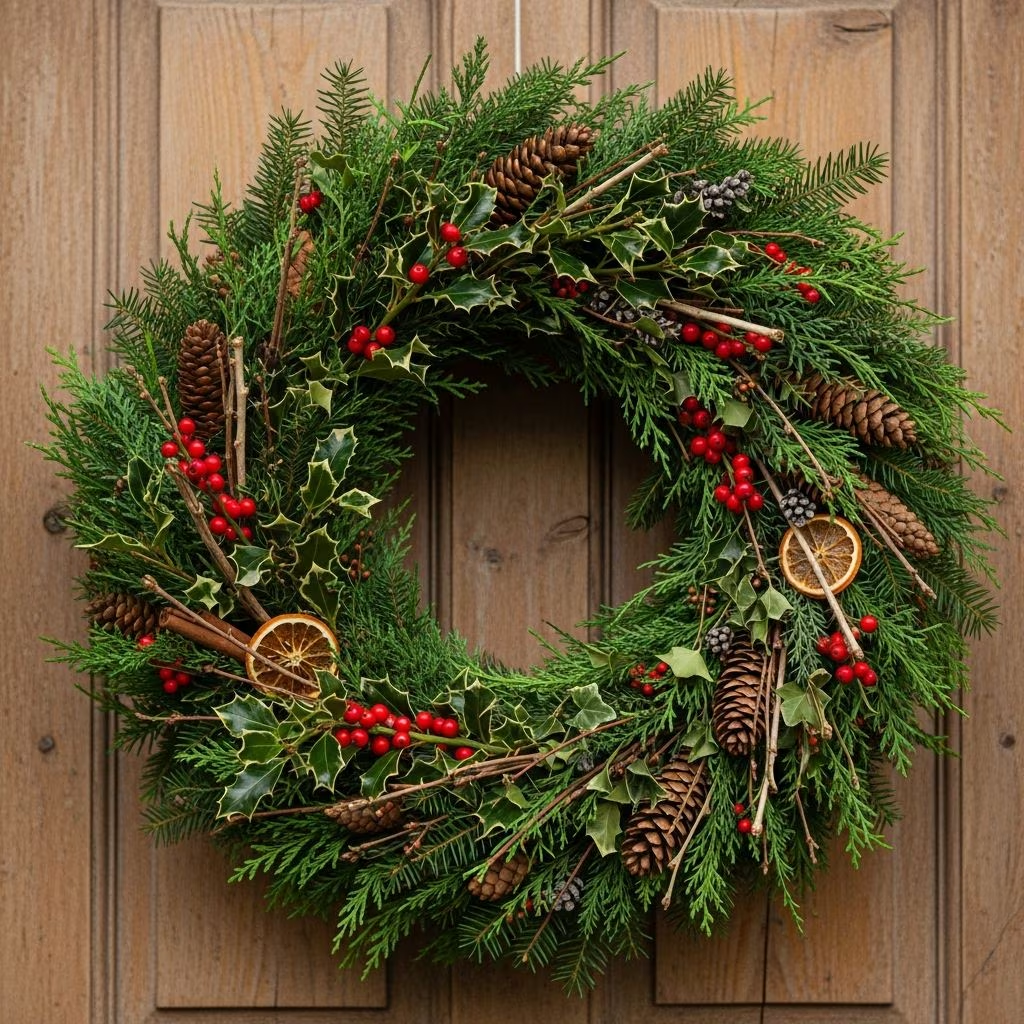
How to Make a Fresh Foraged Christmas Wreath
The holiday season offers the perfect opportunity to combine your love of decorating and DIY projects while spending quality time outdoors with your furry companion. Creating a fresh foraged Christmas wreath is an ideal activity that brings together the best of both worlds—nature walks with your dog and festive home decoration. This rustic, elegant wreath project can be completed in a single afternoon and requires minimal specialized materials. By foraging for branches, boughs, pine cones, and berries from your local woods or backyard, you’ll craft a one-of-a-kind seasonal decoration that celebrates the natural beauty of the winter landscape.
Why Choose a Fresh Foraged Wreath?
Fresh foraged wreaths have become increasingly popular for homeowners seeking authentic, nature-inspired holiday décor. Unlike artificial wreaths that require storage year-round, foraged wreaths embrace the temporary nature of seasonal decoration, allowing you to start fresh each year with newly gathered materials. The natural aromatics of evergreen branches, cedar, and pine create a pleasant scent throughout your home—a fragrance that instantly evokes holiday memories and warmth. Additionally, foraging for your materials encourages outdoor exploration and physical activity, making this DIY project an excellent excuse to enjoy nature during the winter months.
Working with natural materials also provides environmental benefits. Rather than purchasing mass-produced decorations that contribute to landfill waste, you’re utilizing renewable materials found abundantly in nature. This sustainable approach to holiday decorating aligns with eco-conscious values while producing stunning results that rival store-bought alternatives in both beauty and uniqueness.
Getting Started: Materials and Preparation
Essential Materials for Your Wreath
Before you head out to gather greenery, ensure you have the following materials on hand:
– A wire or foam wreath form (typically 12 to 18 inches in diameter)- Fresh branches and evergreen boughs- Decorative berries and seed pods- Variegated leaves or foliage for visual interest- Pine cones of various sizes- Garden twine or wire for securing materials- Wire cutters for trimming branches- Pruning shears for proper cutting technique- Optional: floral wire for additional support
Preparing for Your Foraging Adventure
Before heading into the woods or your backyard, gather appropriate clothing and tools. Wear comfortable boots with good traction, as winter terrain can be slippery and uneven. Dress in layers, as outdoor activity followed by indoor crafting may require temperature adjustments. Pack pruning shears, a collection bag, and work gloves to protect your hands from thorns and rough branches.
If you have a canine companion, this is the perfect time to bring them along. Dogs often excel at spotting interesting materials and enjoy the outdoor exploration. Just ensure your dog remains under control and that you’re foraging on property where it’s permitted. Always ask permission before foraging on private land, and be respectful of protected species and areas.
The Foraging Process: Gathering Your Materials
What to Look For in Greenery
Successful wreath-making begins with understanding what materials work best together. Look for a variety of evergreen branches that provide structure and substance to your wreath. Cedar, pine, fir, and spruce branches all work beautifully and offer different textures and colors. Select branches with interesting shapes—curved pieces add movement and visual appeal to your finished wreath.
Beyond basic greenery, search for decorative elements that add personality to your creation. Interesting seed pods, dried grasses, and branches with unique bark textures provide visual variety. Winter berries in shades of red, orange, and burgundy create natural color accents. Variegated foliage—leaves with multiple colors or patterns—adds depth and sophistication to your arrangement.
Sustainable Foraging Practices
When gathering materials, practice responsible foraging techniques. Never strip entire branches from a single tree or shrub; instead, take small sections from multiple plants, ensuring the plant’s continued health and appearance. Prune branches at appropriate angles to encourage new growth and maintain the plant’s natural shape. Avoid harvesting from young or struggling plants, and leave sufficient foliage on each plant to support photosynthesis and winter survival.
Be aware of protected species and seasonal restrictions in your area. Some plants and trees may be protected by local regulations, so familiarize yourself with local guidelines before foraging. When in doubt, seek permission from property owners and consult local botanical resources.
Step-by-Step Instructions for Building Your Wreath
Step 1: Create Your Primary Bouquets
Begin by organizing your foraged materials into manageable bundles. Create your first large bouquet measuring approximately 18 inches tall and 8 inches wide. Arrange your strongest, most substantial branches at the back of this bouquet to create a solid structural foundation. These foundational branches will bear the weight of additional decorative elements, so choose thick, sturdy pieces that won’t flex or bend excessively.
Once you’ve positioned the structural branches, fill in the bouquet with additional greenery, creating a dense, full appearance. When satisfied with the arrangement, wrap the base of the bouquet tightly with garden wire or twine, securing all stems together. Repeat this process to create an identical second large bouquet. Having two matching primary bouquets provides balanced coverage and visual symmetry to your finished wreath.
Step 2: Assemble Your Decorative Bouquets
With your primary bouquets complete, create two smaller decorative bouquets, each measuring approximately 12 inches tall and 6 inches wide. These secondary bouquets should feature the decorative elements you’ve gathered—berries, variegated foliage, interesting branches, and other textural elements. These bouquets serve as the visual focal points of your wreath, so choose your most beautiful and eye-catching materials for this step.
When arranging these smaller bouquets, think about color distribution and visual flow. Place larger or more prominent elements in the center, with smaller, finer materials creating a graduated transition to the outer edges. Secure the bases of these bouquets with garden twine, just as you did with the primary bouquets.
Step 3: Attach the First Large Bouquet
Position your wreath form on a flat work surface. Take your first large bouquet and attach it to the bottom right corner of the wreath form by tying it securely with garden twine. Rather than cutting the twine after securing this first bouquet, leave the end uncut—you’ll continue using this same length of twine throughout the assembly process, adding additional bouquets and wrapping the twine around the form multiple times as you progress.
Ensure the bouquet is positioned securely and won’t shift during the remaining assembly steps. The stems of your bouquets should point toward the center of the wreath form, while the foliage spreads outward and upward.
Step 4: Layer Your First Decorative Bouquet
Take one of your smaller decorative bouquets and position it to cover the visible stems of the large bouquet you just attached. This layering technique creates a seamless, professional appearance by concealing all the mechanical elements of your construction. Wrap the garden twine around the base of this decorative bouquet several times to secure it firmly in place. The twine should still remain uncut as you move toward the next step.
Step 5: Attach the Second Large Bouquet
Position your second large bouquet on the left side of the wreath form, allowing the stems to meet or slightly overlap with the stems of the first large bouquet at the center of the form. This overlap creates additional stability and ensures complete coverage around the entire wreath. Secure this bouquet with garden twine, continuing to wrap around the form and stems multiple times for maximum security.
Step 6: Layer the Final Decorative Bouquet
Complete your layering with the second decorative bouquet, positioning it over the stems of the left-side large bouquet. Wrap garden twine around this final bouquet’s base, securing it thoroughly to the wreath form. At this point, you should have complete coverage around the entire wreath, with all stems hidden beneath layers of foliage and decorative elements.
Step 7: Finalize Your Wreath Structure
Now that all four bouquets are attached, you can tie off the garden twine. Knot the twine securely to the wreath form, ensuring it won’t unravel. To add the finishing decorative touch, cover the center stems and any visible mechanical elements with several carefully selected pine cones. Attach these pine cones by wrapping wire around their base and then securing that wire to the wreath form itself. Position pine cones strategically to create a natural, artful arrangement that draws the eye toward the center of the wreath.
Step 8: Final Adjustments and Pruning
Hold your completed wreath at arm’s length and examine it from multiple angles. Look for any branches or elements that protrude awkwardly or seem out of proportion with the overall design. Using your pruning shears, carefully trim any branches that extend too far or detract from the wreath’s appearance. Secure the back branches of your bouquets with additional wire if needed, ensuring that all elements remain firmly in place even when the wreath hangs on your door or wall.
Design Tips and Variations
Color Palettes and Themes
While traditional Christmas wreaths feature deep greens with red berries and metallic accents, fresh foraged wreaths can embrace numerous color schemes based on available natural materials. Winter whites and silvers, achieved through frosted branches and pale berries, create an elegant, minimalist aesthetic. Warm earth tones—browns, oranges, and golds—celebrate autumn’s transition into winter. For a more festive approach, incorporate vibrant red berries, burgundy foliage, and golden pine cones for bold, dramatic impact.
Adding Unexpected Elements
Beyond traditional foraged materials, consider incorporating unexpected elements that reflect your personal style. Dried citrus slices, cinnamon sticks, and star anise add aromatic appeal alongside visual interest. Feathers, interesting stones, or pieces of driftwood create texture and intrigue. Ribbon bows in complementary colors can be attached to the wreath’s base or sides, adding a touch of elegance or whimsy depending on ribbon choice.
Caring for Your Fresh Foraged Wreath
Longevity and Maintenance
Fresh foraged wreaths typically maintain their beauty for two to four weeks, depending on environmental conditions and material selection. To extend your wreath’s lifespan, display it in a location that receives indirect sunlight and remains protected from harsh winds. Avoid positioning wreaths directly above heating vents or radiators, as excessive heat accelerates drying and wilting.
Mist your wreath lightly with water every few days to maintain moisture in the greenery. This simple maintenance step significantly extends the wreath’s fresh appearance and keeps foliage vibrant. As materials begin to dry and fade, you can remove them and replace them with new foraged elements, giving your wreath a refreshed appearance for the remainder of the season.
Pet Safety Considerations
When displaying your foraged wreath in a home with pets, take appropriate precautions to ensure animal safety. Hang wreaths securely where curious dogs or cats cannot knock them down or access potentially harmful materials. Some decorative elements—including certain berries, branches, and seeds—may be toxic if ingested by pets. Research the specific plants included in your wreath and position it in a location your pets cannot reach or chew on.
Frequently Asked Questions
Q: What’s the best time of year to forage for wreath materials?
A: Late autumn through early winter (November through early December) is ideal for gathering fresh materials. At this time, berries are fully developed, evergreens are at peak color, and seed pods have matured. Foraging too early in autumn may result in materials that wilt quickly, while waiting too long into winter limits available fresh materials.
Q: Can I use artificial materials alongside fresh foraged elements?
A: Absolutely. Combining fresh natural materials with quality artificial elements (such as faux berries or silk leaves) creates hybrid wreaths that maintain beauty longer while offering design flexibility. This approach works particularly well if you want to extend your wreath’s display period beyond the typical fresh wreath lifespan.
Q: How do I prevent my wreath from drying out too quickly?
A: Store your completed wreath in a cool, humid location until you’re ready to display it. Mist it regularly with water, and avoid positioning it near heat sources. Fresh materials dry more slowly in cool, moist environments. You can also apply a clear floral preservative spray, which helps seal in moisture and extend the wreath’s fresh appearance.
Q: What wreath form size works best for beginners?
A: A 14 to 16-inch diameter wreath form is ideal for beginners. This size is large enough to accommodate your foraged materials comfortably without becoming unwieldy or difficult to work with. Smaller forms may feel cramped, while larger forms can be challenging to balance and display.
Q: Can I make a foraged wreath indoors without foraging outside?
A: Yes, you can purchase fresh greenery, branches, and seasonal elements from local florists, farmers’ markets, or garden centers. While this approach doesn’t offer the adventure of outdoor foraging, it provides similar results and may be preferable for those with limited outdoor space or mobility constraints.
References
- How to Make a Fresh Foraged Christmas Wreath — Chewy Editors. 2024. https://www.chewy.com/education/dog/general/how-to-make-a-fresh-foraged-christmas-wreath
- Sustainable Foraging Guide — United States Forest Service. 2023. https://www.fs.usda.gov/
- Evergreen Species and Seasonal Harvesting — Cooperative Extension System. 2023. https://www.extension.org/
- Pet Safety and Holiday Decorations — American Society for the Prevention of Cruelty to Animals (ASPCA). 2024. https://www.aspca.org/
- DIY Holiday Wreaths: Pet-Inspired Designs — Chewy Editorial Team. 2024. https://www.chewy.com/education/cat/general/pet-inspired-diy-holiday-wreaths



