

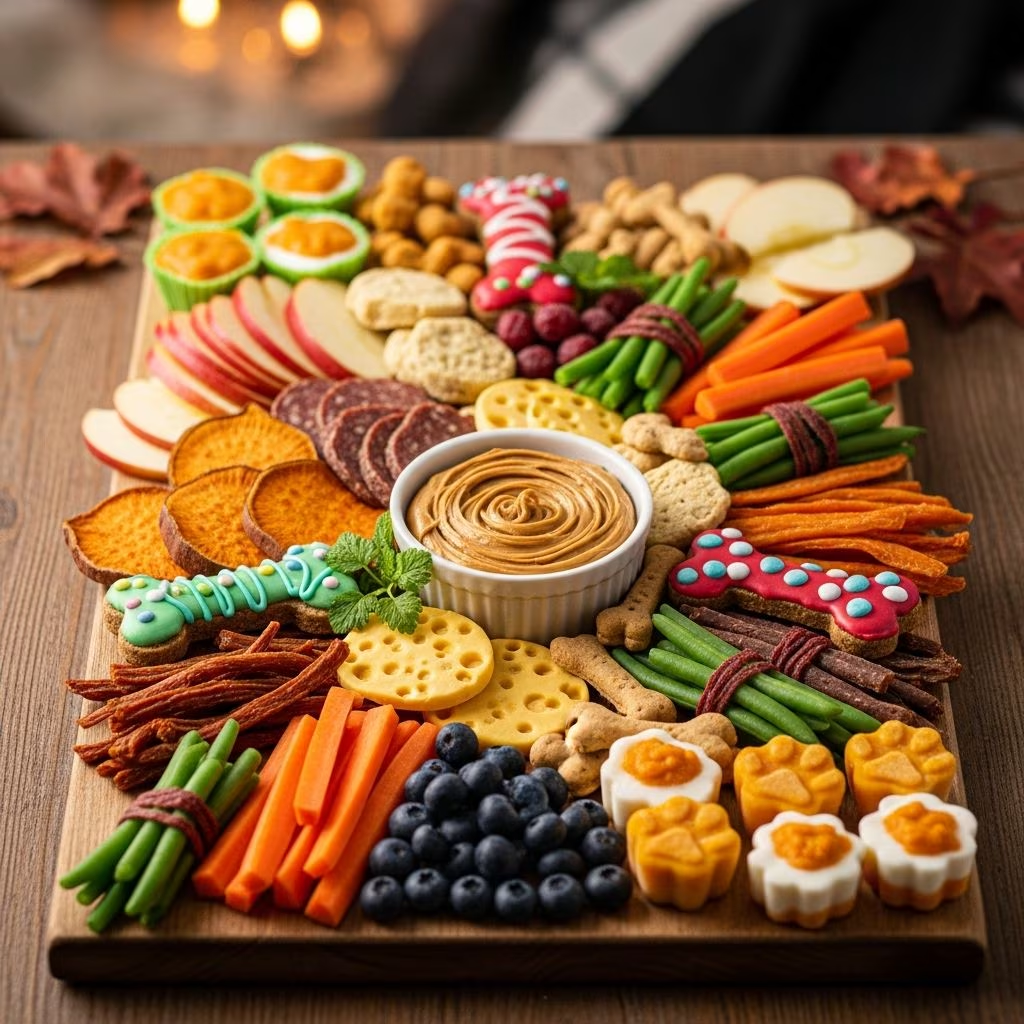
How to Make a Festive Barkuterie Board for Your Pup
Just like humans enjoy a beautifully arranged charcuterie board filled with an assortment of meats, cheeses, fruits, and vegetables, dogs can enjoy their own version called a barkuterie board. A dog charcuterie board is a fun and creative way to celebrate special occasions with your furry friend, whether it’s their birthday, gotcha day, or simply a day when you want to show them extra love. Creating a barkuterie board allows you to present a variety of dog-safe treats and foods in an attractive and engaging way that can make snack time more exciting for your pup.
The concept of a barkuterie board combines the visual appeal of a traditional charcuterie board with ingredients that are safe and beneficial for dogs. This creative approach to treat presentation not only makes the experience more enjoyable for your pet but also gives you the opportunity to introduce new flavors, textures, and aromas to their diet. Whether you’re planning a special celebration or simply want to pamper your canine companion, learning how to create a proper barkuterie board is an excellent way to enhance your dog’s treat experience while keeping their health and safety in mind.
Understanding the Basics of a Barkuterie Board
A barkuterie board is essentially a customized version of a human charcuterie board, designed specifically for canine consumption. The key difference lies in the ingredients used, as many human foods are toxic to dogs and must be avoided. The foundation of a successful barkuterie board starts with understanding which foods are safe for dogs and which ones should never be included.
To get started, you’ll need a plate or board that’s large enough to accommodate your dog’s treat selections. Most experts recommend using 6-10 ingredients, portioned appropriately for your dog’s size. The variety of ingredients not only makes the board visually appealing but also provides your dog with different tastes and textures to explore. When selecting ingredients, always prioritize quality and safety, researching each item to ensure it’s appropriate for your specific dog, as individual dogs may have allergies or sensitivities.
Safe Protein Options for Your Dog’s Board
Protein is an essential component of any dog’s diet, and a barkuterie board is an excellent opportunity to showcase various protein sources. Lean, cooked meats are excellent protein choices for your dog’s board. You can include unseasoned sliced turkey, which provides lean protein without unnecessary salt or seasonings. Chicken in various forms, such as strips or jerky, is another popular option that most dogs enjoy.
Commercial dog treats specifically designed as protein sources are also great additions to your barkuterie board. These include specialized dog jerky treats, savory sticks, and other protein-based snacks formulated for canine nutrition. When selecting protein options, always ensure they are free from harmful seasonings, excess salt, and any preservatives that might upset your dog’s digestive system. High-quality, human-grade treats are often worth the investment as they contain fewer additives and are made with better ingredients.
Fresh Produce and Vegetables
Fresh produce is a wonderful addition to any barkuterie board, offering natural vitamins, minerals, and fiber. Raw carrots are an excellent choice, as they provide crunchy texture and are beneficial for dental health. Green beans, whether raw or lightly steamed, offer nutritional value and are generally well-tolerated by most dogs. Cucumbers are another refreshing option that many dogs enjoy, particularly during warmer months, as they provide hydration with minimal calories.
Fruits can also be included on your barkuterie board in moderation. Sliced apples (without seeds) provide natural sweetness and fiber. Blueberries are nutrient-dense little packages that most dogs find delicious. Strawberries, cut into manageable pieces, are another fruit option that adds color and variety to your board. Other safe fruit options include bananas, cantaloupe, and pineapple, though these should be offered in smaller quantities due to their sugar content.
When preparing produce for your barkuterie board, consider using cookie cutters to create fun shapes. Bone-shaped cutters work particularly well for vegetables, adding a playful element to the presentation while making pieces easier for your dog to pick up and eat.
Dairy Products and Cheese
Cheese can be a delightful addition to your dog’s barkuterie board when offered in moderation. Provolone and cheddar cheese, thinly sliced, add variety to the board. You can use dog-shaped or bone-shaped cookie cutters on cheese slices to make them more visually appealing and fun for your pup. Some pet owners even use letter cookie cutters to spell out their dog’s name in cheese.
Plain yogurt is another dairy option that can provide probiotics beneficial for digestive health. It’s particularly good as a dipping component for other treats. However, it’s important to note that while some cheese and dairy can be included on a barkuterie board, moderation is essential. Too much dairy can lead to digestive upset in dogs, especially those with lactose sensitivity. Always select products without added sugars, artificial sweeteners, or xylitol, which is toxic to dogs.
Other Safe Additions to Your Board
Beyond the main categories of protein, produce, and dairy, there are several other dog-safe foods that can enhance your barkuterie board. Unsweetened peanut butter (xylitol-free) is a favorite among many dogs and makes an excellent dipping component when placed in a small bowl on the board. Cashews, served plain and unsalted, are a safe nut option for dogs. Hard-boiled eggs provide additional protein and are a nutritious choice that many dogs enjoy.
Commercial dog treats designed for variety can include items such as kibble served in creative ways, specialized dog biscuits, or treats with different flavors like salmon or beef. These commercial options allow you to include familiar favorite treats alongside fresh foods, creating a diverse and interesting board that appeals to your dog’s preferences.
Foods to Absolutely Avoid
While creating a barkuterie board, it’s crucial to be aware of foods that are toxic to dogs and should never be included. Grapes and raisins are highly toxic and can cause serious kidney damage. Avocado contains persin, a compound that can be harmful to dogs. Cherries contain cyanogenic compounds and the pits are choking hazards. Tomatoes, particularly unripe ones, can be toxic to dogs. Mushrooms, especially wild varieties, can be dangerous and should be avoided entirely.
Additionally, almonds should not be included, as they pose a choking risk and can cause gastrointestinal upset. Chocolate, in any form, is extremely toxic to dogs and must be completely avoided. Cinnamon, while not necessarily toxic in small amounts, can irritate the mouth and digestive tract. Ice cream should be avoided due to dairy content and added sugars. Any spicy foods are inappropriate for dogs and can cause digestive distress. Always consult with your veterinarian if you’re unsure about any ingredient.
Assembly and Presentation Tips
Creating an attractive barkuterie board requires some planning and creativity. Begin by preparing your produce and cheese using cookie cutters to create interesting shapes. This step transforms ordinary ingredients into visually appealing components that make the board more enticing. Start by arranging the larger dog treats, such as sticks, tenders, strips, and jerky, around the outside of the board.
Place a small bowl containing peanut butter or another creamy treat in the center of the board. Position your two largest cookie cutters next to this center bowl and fill them with small training treats. This creates distinct zones on the board that organize different treat types while maintaining visual interest. Finally, add your shaped produce pieces to fill in remaining spaces, along with sliced cheese positioned between other ingredients.
Using a variety of shapes and sizes creates a more dynamic presentation that looks appealing and encourages your dog to explore different areas of the board. Consider the color variety as well—the greens of cucumbers and green beans contrast nicely with orange carrots, red strawberries, and the various browns and tans of commercial treats.
Portion Control and Safety Guidelines
One of the most important aspects of serving a barkuterie board is maintaining proper portion control. Treats should make up no more than 10% of your dog’s daily caloric intake to avoid digestive troubles or unwanted weight gain. This guideline is essential to maintain your dog’s overall health and prevent nutritional imbalances.
When building your board, consider your individual dog’s size and daily caloric needs. A small dog like a Chihuahua will require significantly smaller portions than a large breed dog. Monitor your dog as they enjoy their barkuterie board to ensure they’re not overindulging. Consider feeding the board contents over multiple snacking sessions rather than allowing your dog to consume everything at once. This approach extends the enjoyment and prevents overconsumption.
Store any leftovers in the refrigerator, covered appropriately, and discard any items that have been sitting at room temperature for extended periods. Always supervise your dog while they’re enjoying the board, particularly if they have a tendency to gulp food without chewing properly. Remove any items that pose choking hazards or that your dog doesn’t seem to tolerate well.
Special Considerations for Different Dogs
Every dog is unique, with individual preferences, allergies, and dietary restrictions. Before creating a barkuterie board for your pup, consider any known food sensitivities or allergies your dog may have. Some dogs are sensitive to certain proteins, grains, or dairy products, and these should be avoided entirely.
If you’re feeding multiple dogs, consider dividing the ingredients onto separate plates or boards. This approach prevents competition and allows you to customize each board based on individual dietary needs. Some ingredients that are safe for one dog might not be appropriate for another, particularly if you have dogs of different ages or with different health conditions.
For senior dogs, consider softer options and appropriate portion sizes based on their reduced activity levels. Puppies might enjoy training treats as a portion of their board but should be monitored to ensure they’re not consuming too many treats outside their regular training regimen. Always consult with your veterinarian before introducing new foods, especially if your dog has any underlying health conditions.
Health Benefits of Barkuterie Boards
Beyond being a fun way to celebrate your dog, a well-designed barkuterie board can provide nutritional benefits. Fresh vegetables and fruits offer vitamins and minerals that supplement your dog’s regular diet. The variety of textures provides mental stimulation and can be particularly beneficial for dogs that need enrichment activities. The different aromas and flavors expose your dog to new sensory experiences that can enhance their overall wellness.
Barkuterie boards can also serve as an excellent training tool. Small pieces of treats placed on the board can be used as high-value rewards during training sessions. The novelty and variety of ingredients make the board more exciting than standard training treats, potentially increasing your dog’s motivation and engagement during training exercises.
Frequently Asked Questions About Dog Charcuterie Boards
Q: How often can I make a barkuterie board for my dog?
A: Barkuterie boards can be made for special occasions like birthdays or gotcha days, or as an occasional treat. Since treats should comprise no more than 10% of your dog’s daily calories, you should limit barkuterie boards to special occasions rather than making them regularly. For most dogs, creating a barkuterie board once a month or less frequently is appropriate.
Q: Can I use human food items like deli meats on the board?
A: While some unseasoned, unsalted cooked meats like turkey can be included, most deli meats are high in sodium and preservatives that aren’t ideal for dogs. It’s better to use high-quality, dog-specific treats or plain cooked meats prepared without seasoning or salt.
Q: What should I do if my dog doesn’t eat everything on the board?
A: Cover and refrigerate uneaten portions for later use. You can feed the remaining items over the next few days, or discard perishable items that have been at room temperature for more than two hours. Never leave a barkuterie board out indefinitely.
Q: Are there any ingredients I should absolutely avoid?
A: Yes, always avoid grapes, raisins, avocado, chocolate, xylitol, mushrooms, onions, and garlic. Additionally, avoid foods that are high in salt, spices, or artificial sweeteners. When in doubt, consult with your veterinarian.
Q: Can I make a barkuterie board for a dog with dietary restrictions?
A: Absolutely. Customize the board based on your dog’s specific dietary needs and allergies. If your dog has grain sensitivities, focus on grain-free options. If your dog has protein allergies, choose alternative proteins that are safe for them. Always consult your veterinarian for personalized recommendations.
Q: What’s the best way to present the board to my dog?
A: Place the board on a secure surface where your dog can easily access it. You might want to sit nearby to supervise and observe which items your dog prefers. Taking photos before and during the experience creates wonderful memories of your pup enjoying their special treat.
References
- How To Make a Festive Barkuterie Board for Your Pup — Chewy. 2024. https://www.chewy.com/education/dog/food-and-nutrition/dog-charcuterie-board
- How to Make a Dog Charcuterie Board — Blain’s Farm & Fleet Blog. 2024. https://www.farmandfleet.com/blog/dog-charcuterie-board/
- Barkuterie | National Pet Day Board for Dogs — Ain’t Too Proud To Meg. 2024. https://ainttooproudtomeg.com/barkcuterie-a-charcuterie-board-for-dogs/
- Make a Delicious Barkuterie Board for Your Dog — Blue Buffalo. 2024. https://www.bluebuffalo.com/articles/dog/treat-your-pup-to-a-barkuterie-board/
- How to Make a Barkuterie Board — Stella & Chewy’s. 2024. https://www.stellaandchewys.com/blogs/articles/how-to-make-a-barkuterie-board



